Visiting Kyoto’s Fushimi Inari Shrine: A Walk Through a Thousand Torii Gates
12 December 2025
If you've ever seen a photo of vibrant orange gates winding up a forested hillside — almost like a fiery river frozen in time — then you've had a glimpse of Fushimi Inari Shrine. Nestled in the southern part of Kyoto, this place isn’t just famous; it's iconic. It’s the kind of spot that leaves a lasting impression, whether you’re a seasoned traveler or someone who just landed in Japan for the first time. So, let’s take a little journey together through one of Kyoto’s most magical spots — Fushimi Inari Taisha.
What Makes Fushimi Inari So Special?
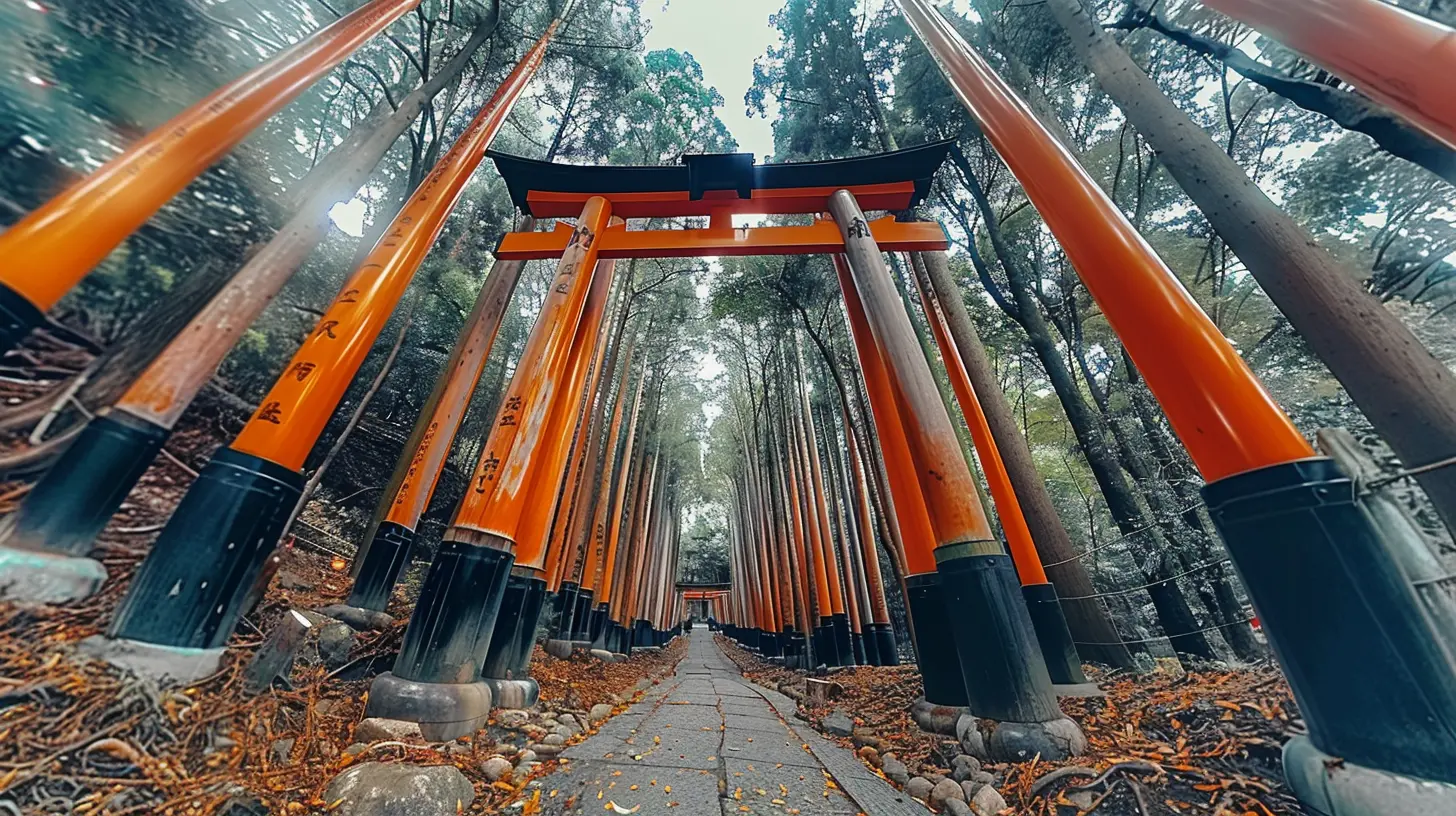
Let’s just lay it out: Fushimi Inari Shrine is not your average temple. First of all, it’s huge. Like, blow-your-mind kind of huge. Secondly, it's famous for something truly unique — over 10,000 vermilion torii gates that snake up Mount Inari. These aren’t just there for decoration; each one of these gates has been donated by individuals or businesses, sometimes in hopes of blessings, prosperity, and good fortune.And then there are the foxes. Not real ones (though you might spot some wild ones if you're lucky), but stone fox statues, known as kitsune, which are thought to be messengers of the deity Inari. You’ll find them everywhere, often holding keys in their mouths, guarding the shrines, and giving Fushimi Inari a slightly mystical vibe.
Getting There: Access Made Easy
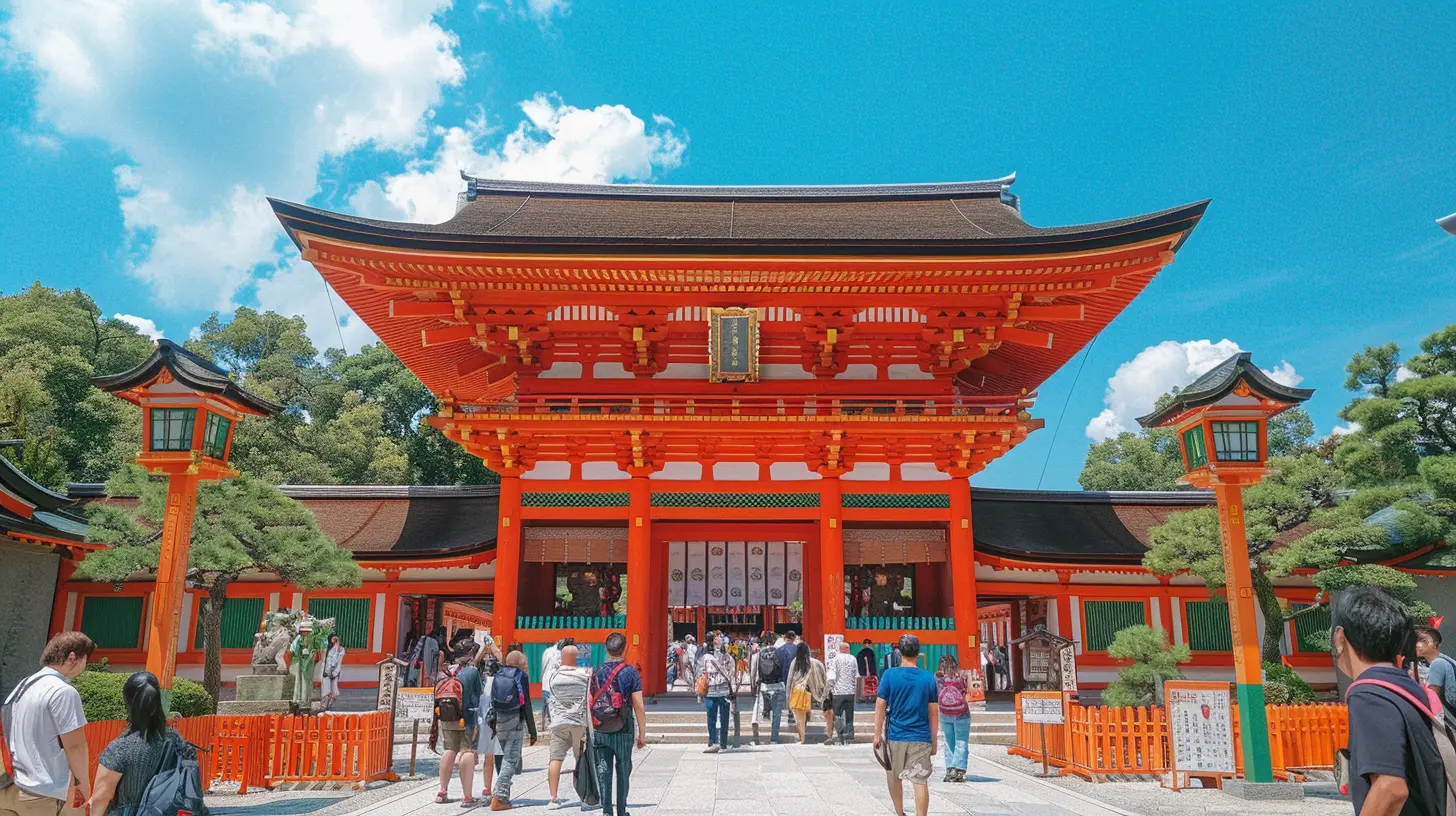
Good news — Fushimi Inari Shrine is super easy to reach. From Kyoto Station, just hop on the JR Nara Line and get off at Inari Station. The ride takes less than 10 minutes. The shrine entrance is literally right outside the station. You don’t need to book a tour or rent a car. Just grab your camera and go.If you're coming from other parts of Kyoto, local buses and subway lines can get you there too, but the JR Line is definitely the most straightforward.
When’s The Best Time to Visit?
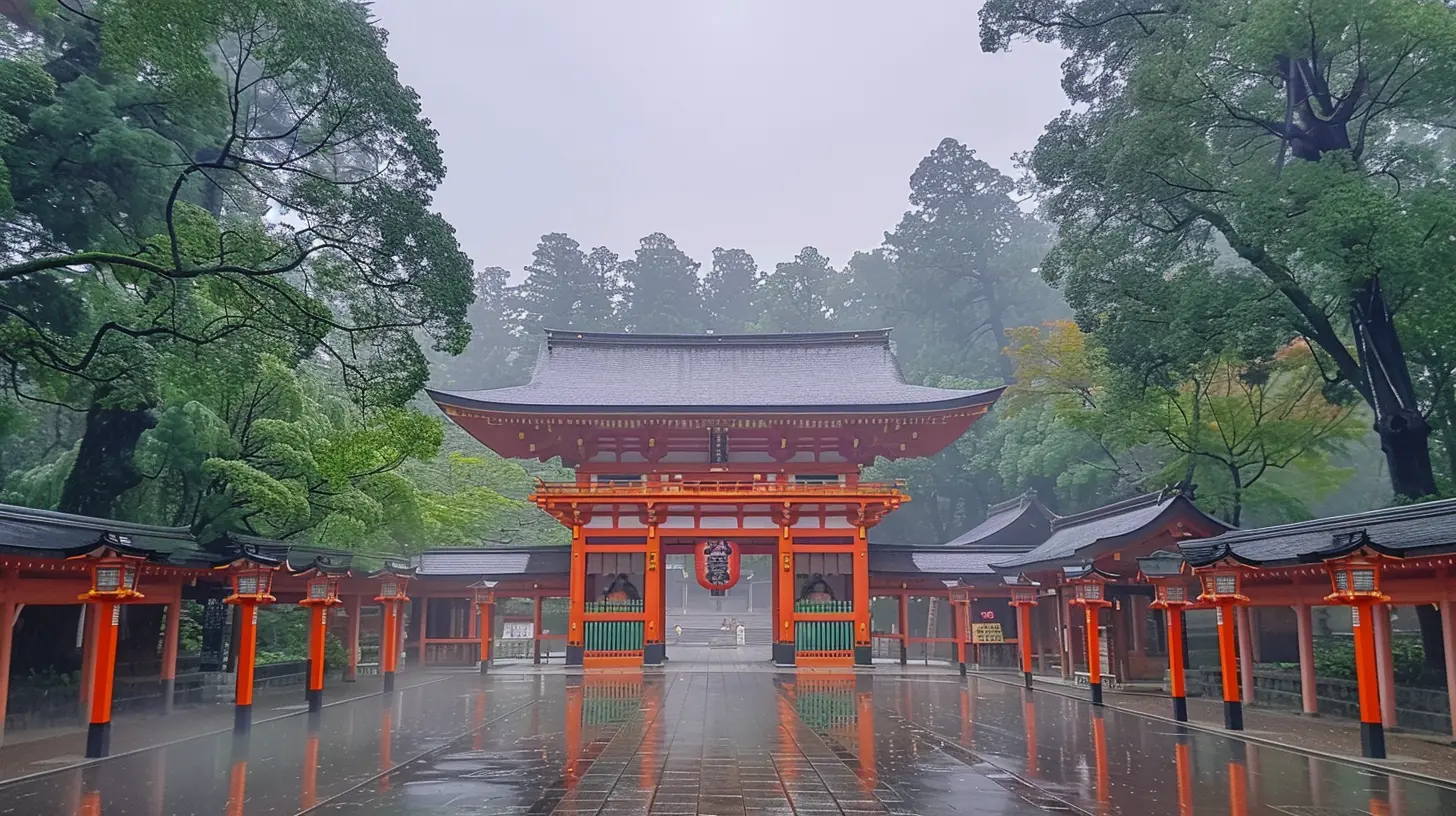
Honestly, Fushimi Inari is open 24/7 — yep, even at night — and admission is totally free. That makes it perfect for early risers or night owls.But timing matters. If you want those clean, crowd-free shots of the torii gates (and who doesn’t?), aim to get there before 8 AM or after sunset. Sunrise and twilight give the place a magical glow, and walking through the gates at night with lanterns lighting your way? Absolutely unforgettable.
Spring and autumn are the most photogenic seasons — think cherry blossoms or fiery maple leaves — but every time of year has its charm.
A Quick Look at the History
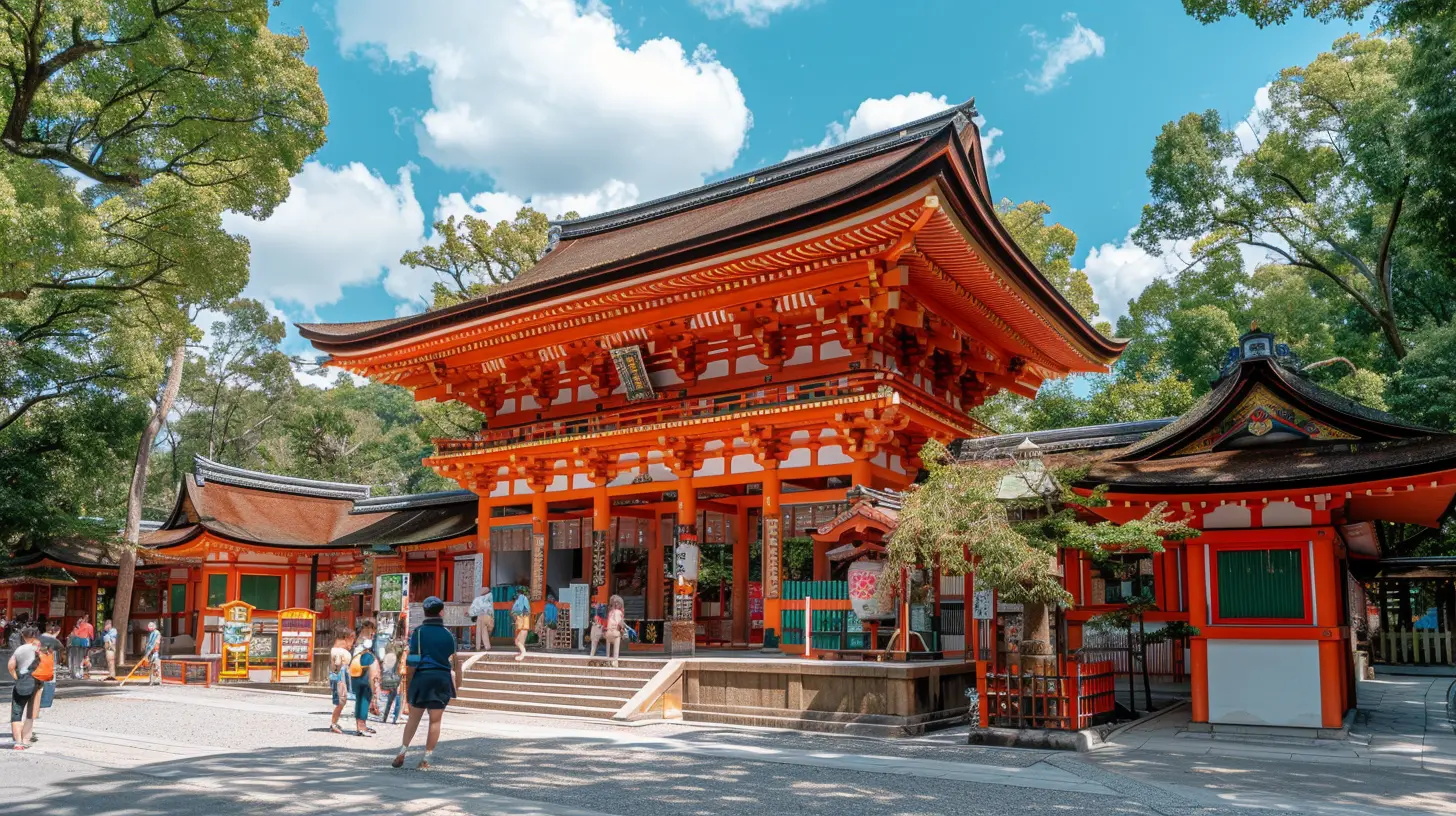
Fushimi Inari Taisha was founded way back in 711 AD. That’s over 1,300 years ago! It’s the head shrine of all Inari shrines in Japan — there are about 30,000 of them, by the way. The shrine is dedicated to Inari, the Shinto god of rice, agriculture, and business. This explains why so many of the torii gates are donations from companies and small businesses hoping for success.Over the centuries, the site has evolved but still holds onto its deep spiritual roots. Walking through the grounds, it’s easy to forget you’re in a modern city. The setting is serene, surrounded by forest, and brimming with centuries of tradition.
The Main Shrine (Honden)
Your journey begins at the base of the mountain, where the main shrine building — known as the Honden — proudly stands. It's surrounded by smaller auxiliary shrines and bustling with worshippers and curious travelers alike.Here, people offer prayers, buy lucky charms, and ring bells as part of traditional rituals. You can also purchase a small ema — a wooden plaque — to write your wishes on and hang near the shrine. It’s a heartwarming tradition that connects visitors from all over the world.
Walking the Senbon Torii (Path of a Thousand Gates)
Now, for the main event.Just past the Honden, you’ll find the entrance to the famous Senbon Torii, which translates literally to “thousand torii gates.” Though in reality, there are more like 10,000 of them. These gates form a tunnel-like path that winds its way up Mount Inari. Each gate is engraved with the name of its donor on the back, creating a living tapestry of human hopes and faith.
Walking through this path is a surreal experience. The light filters in through the gaps between the gates, casting patterns of shadow and sunlight. With each step, the noise of the world fades away, and it’s just you, the forest, and the rhythmic sound of your footsteps on the stone path.
It's not all flat, though — be prepared for a bit of a hike. There are some steep parts, especially as you go higher, but you’ll find small resting spots and mini shrines along the way. These little pockets provide excellent opportunities to catch your breath, snap some photos, or simply soak in the atmosphere.
Reaching the Summit: What to Expect
Most visitors only make it halfway up the mountain, which is totally fine. But if you’re up for the challenge, reaching the summit of Mount Inari (233 meters high) offers a rewarding sense of accomplishment and a quieter, more isolated experience.It takes about 2 to 3 hours to do the full loop, depending on your pace. The higher you climb, the fewer people you’ll see. The forest thickens, and the path feels almost enchanted. At the top, there's no sweeping city view (a common misconception!), but the peacefulness and the small shrines feel sacred in a way that's hard to put into words.
Tips for First-Time Visitors
Alright, if it’s your first time visiting Fushimi Inari, here are some quick tips to make the most of your trip:- Start early or go late: Beat the crowds for the best photos and the most tranquil experience.
- Wear comfy shoes: There’s a lot of walking and some steep steps — don’t come in flip-flops.
- Bring water: Especially in summer, the climb can get sweaty.
- Respect the space: Remember that it’s a religious site, not just an Instagram spot. Be mindful of others.
- Check out the smaller trails: There are a few side paths that offer scenic detours and way fewer people.
- Keep some yen handy: For charms, snacks, or vending machines along the way.
Beyond the Torii: Food & Souvenirs Around the Shrine
Right around the shrine, there’s a small street full of vendors selling local snacks, souvenirs, and Inari-themed goodies. Since Inari is the god of rice, try the Inari sushi — rice wrapped in sweet fried tofu (so good!). You'll also find grilled mochi sticks, matcha sweets, and even cute fox-shaped cookies.For souvenirs, look out for fox masks, keychains, and small torii gate replicas — they make for meaningful keepsakes.
Night Visits: A Different Kind of Magic
Here’s a little secret — Fushimi Inari at night is a completely different experience. As the sun sets and the crowds thin out, the shrine transforms into something dreamlike. The torii gates cast long shadows, the forest hums with nighttime sounds, and lanterns flicker quietly along the path.It’s peaceful. It’s slightly eerie. And it’s unforgettable.
Bring a flashlight or use your phone as a torch if you plan to climb higher after dark. Just be cautious on the trail, especially in the less-lit areas.
Photo Tips: Capturing the Magic
Fushimi Inari is insanely photogenic, but getting the perfect shot can be tricky with so many people around. Here are a few tips to help you snap that frame-worthy pic:- Go early: Before 8 AM is golden hour — soft light and fewer tourists.
- Use a wide-angle lens: It captures the tunnel-like feel of the gates better.
- Shoot with depth: Frame someone walking ahead to show scale and perspective.
- Don’t block the path: Be respectful with your photos; others want their moment too.
And remember — sometimes the best photos are the unplanned ones.
Final Thoughts: Why Fushimi Inari Sticks With You
There’s something about Fushimi Inari Shrine that burrows into your memory. Maybe it’s the hypnotic rhythm of the torii gates, or the way the forest wraps around you like a storybook. Or maybe it’s the connection to something ancient, something bigger than yourself, that lingers long after you leave.Whether you’re climbing to the summit with a sense of adventure or just gently strolling through the first few torii gates with wide eyes, this place has a way of touching your soul without saying a word.
So, when you’re in Kyoto, don’t just check it off your list.
Walk it. Feel it. Remember it.
all images in this post were generated using AI tools
Category:
Must See LandmarksAuthor:

Winona Newman
Discussion
rate this article
2 comments
Chloe Clarke
What a beautiful guide! Fushimi Inari Shrine is truly enchanting with its stunning torii gates. Your tips make the journey even more inviting. Can’t wait to visit!
January 18, 2026 at 7:38 AM
Winona Newman
Thank you for your kind words! I'm thrilled you found the guide helpful. Enjoy your visit to Fushimi Inari Shrine!
Zarev Patel
Beyond the vibrant toriis, whispers of ancient spirits linger in the air, guiding visitors through a labyrinth of red. What secrets lie hidden among the hills of Fushimi Inari? Only those who wander truly discover.
December 25, 2025 at 5:53 PM
Winona Newman
Thank you! The enchanting atmosphere of Fushimi Inari truly invites exploration and reflection. Each path offers a unique story waiting to be uncovered.