Hidden Cultural Gems That Will Surprise You in 2027
16 April 2026
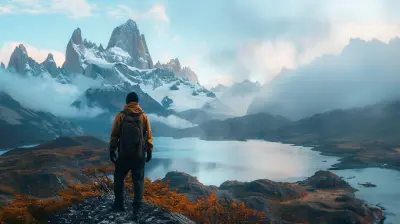
Let’s be honest, we’re all a little tired of the same old postcard views. The leaning towers, the ancient wonders, the bustling metropolises that everyone and their Instagram follower has already seen. By 2027, the true magic of travel won’t be found in ticking boxes on a Top 10 list. It will be in the whispers of history from places you never knew existed, in the vibrant pulse of communities quietly keeping traditions alive, far from the glare of the mainstream spotlight. This is a call to the curious, to those who crave a story rather than just a snapshot. We’re going off-map, into the heart of cultures that will not just surprise you, but profoundly move you. Forget what you think you know; 2027 is the year of the hidden gem.
Beyond the Guidebook: Why the "Hidden" Matters More Than Ever
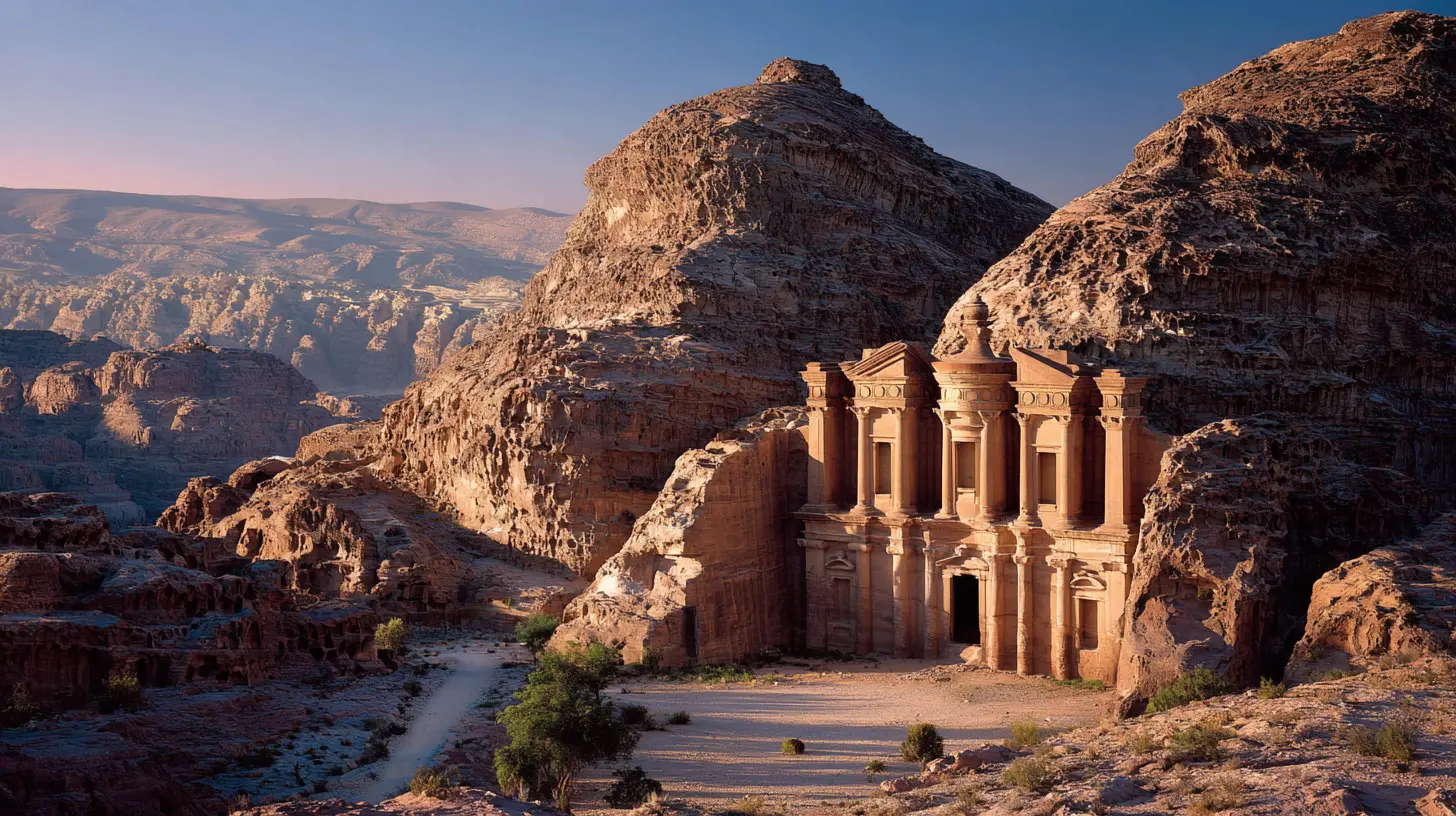
In a world where algorithms suggest our next destination and viral trends can overcrowd a village overnight, seeking out the authentic has become the ultimate travel luxury. But it’s not just about bragging rights. It’s about connection. When you step into a place untouched by mass tourism, you’re not a spectator; you become a participant, even if just for a moment. The rhythm of life there is real, unfiltered, and deeply human. These hidden cultural gems are like secret gardens—they require a bit more effort to find, but the beauty you discover is intimate, personal, and incredibly rewarding. They are the keepers of stories that haven’t been commodified, of art that hasn’t been reproduced on a million keychains, and of welcomes that feel genuine because they are. By 2027, this conscious, connective travel won’t be a niche—it’ll be the goal.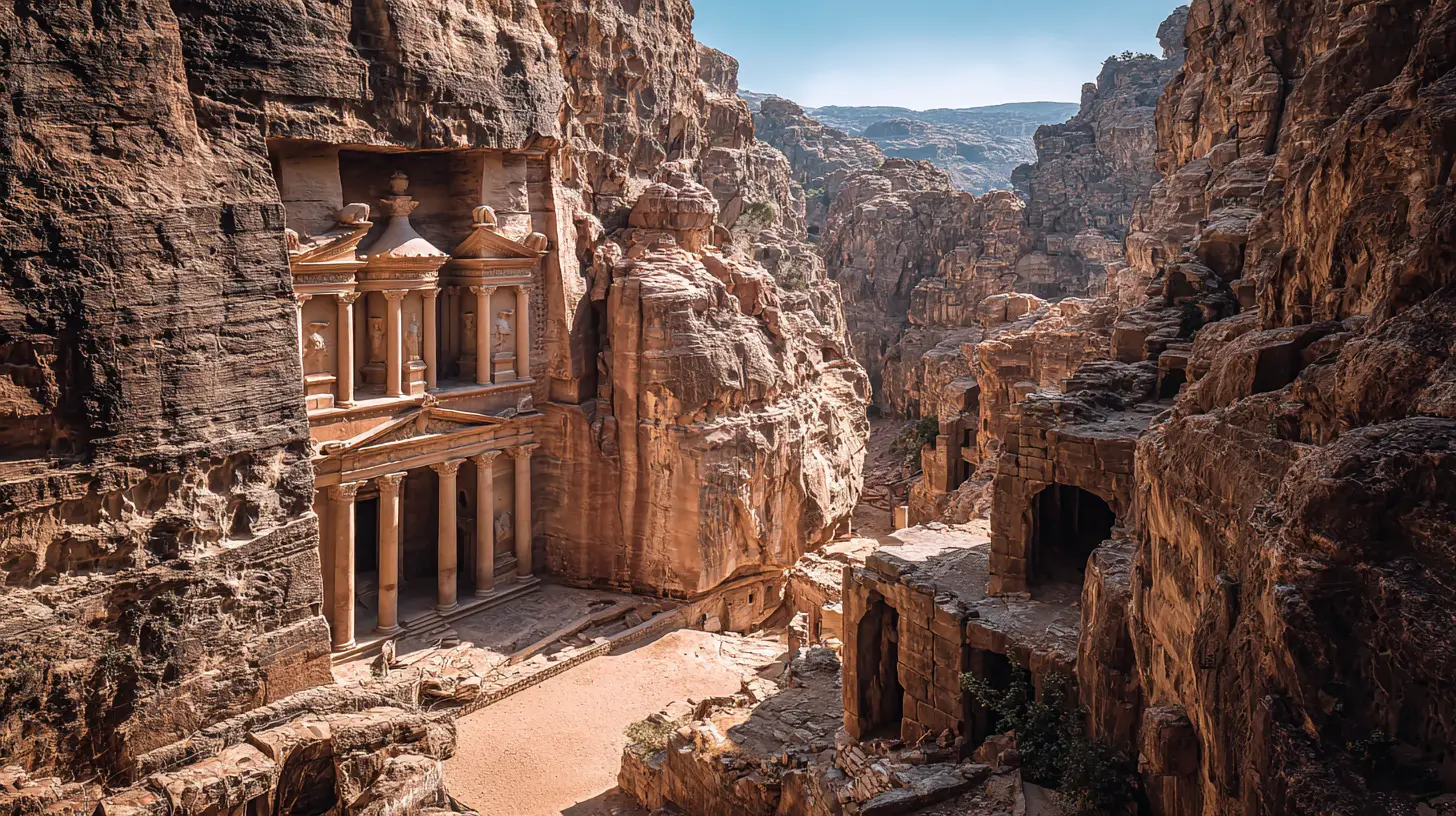
The Whispering Canals of Aveiro’s Ria (Portugal)
You’ve heard of Venice, of course. Its grandeur is undeniable. But let me tell you about its shy, artistic cousin on Portugal’s Silver Coast: Aveiro. Often called the "Venice of Portugal," that comparison sells it short. Aveiro isn’t trying to be anything other than itself. Its lifeblood is the Ria, a serene lagoon laced with canals where colorful moliceiro boats glide silently. These aren’t just for tourists; they were once workhorses for harvesting seaweed.But here’s the 2027 surprise: Aveiro is a living canvas of Art Nouveau. Stroll through the Bairro da Beira Mar district, and you’ll be greeted by a stunning collection of early 20th-century buildings, their facades dancing with floral motifs, curved lines, and intricate ironwork. This architectural treasure trove, born from a wealthy era of seaweed and maritime trade, is often overlooked. It’s like walking through a forgotten gallery of stone and tile. Pair this with the soul-warming taste of ovos moles (sweet egg-yolk pastries) from a convent recipe and the modern, university-town energy, and you have a place where history, art, and contemporary life blend seamlessly on the water’s edge.
The Living Medieval Tapestry of Sighișoara’s Citadel (Romania)
Transylvania conjures images of Gothic castles and, well, a certain famous count. But the real cultural heartbeat of the region might just be in the perfectly preserved, still-inhabited medieval citadel of Sighișoara. This isn’t a museum piece roped off for visitors; it’s a living, breathing community. As you pass through the ancient gate and climb the cobblestone streets, you’re walking the same paths that Saxon craftsmen and merchants did centuries ago. Their brightly colored houses, with heavy oak doors and watchful eyes, line the streets.The centerpiece is the iconic Clock Tower, a sentinel of history where the wooden figurines that emerge each day still keep their watch. But the magic is in the details: the secret courtyards, the Scholars’ Staircase—a 17th-century covered wooden stairway leading to the hilltop church—and the palpable sense of continuity. People live here, laugh here, and hang their laundry here, all within UNESCO-listed walls. By 2027, this authentic immersion into a functioning medieval town will feel like a genuine discovery, a stark and beautiful contrast to the often-sterile historical sites we’re used to.
The Sonic Landscapes of Tuvan Throat Singing (Siberia, Russia)
Some cultural gems aren’t places you see, but experiences you hear. Deep in the republic of Tuva, in southern Siberia, exists one of the world’s most astonishing musical traditions: Tuvan throat singing, or khöömei. Imagine a single human voice producing not one, but two, sometimes three distinct notes simultaneously—a deep, rumbling drone like earth itself, overlaid with a haunting, flute-like melody. It’s not just music; it’s a spiritual connection to the landscape. The Tuvan people mimic the sounds of their environment: the wind whistling through the Altai Mountains, the gurgle of a mountain stream, the cry of a bird over the vast, open steppe.Finding this in 2027 means venturing into a world where nomadic culture is still revered. It might be at a small, intimate festival, or in a local’s home after sharing a bowl of salty milk tea. The experience is humbling and profound. You realize this art form is a map of a place, sung into existence. It challenges everything you think you know about the limits of the human voice and offers a direct, resonant portal into a way of life in harmony with nature’s raw power.
The Painted Poetry of Shekhawati Havelis (Rajasthan, India)
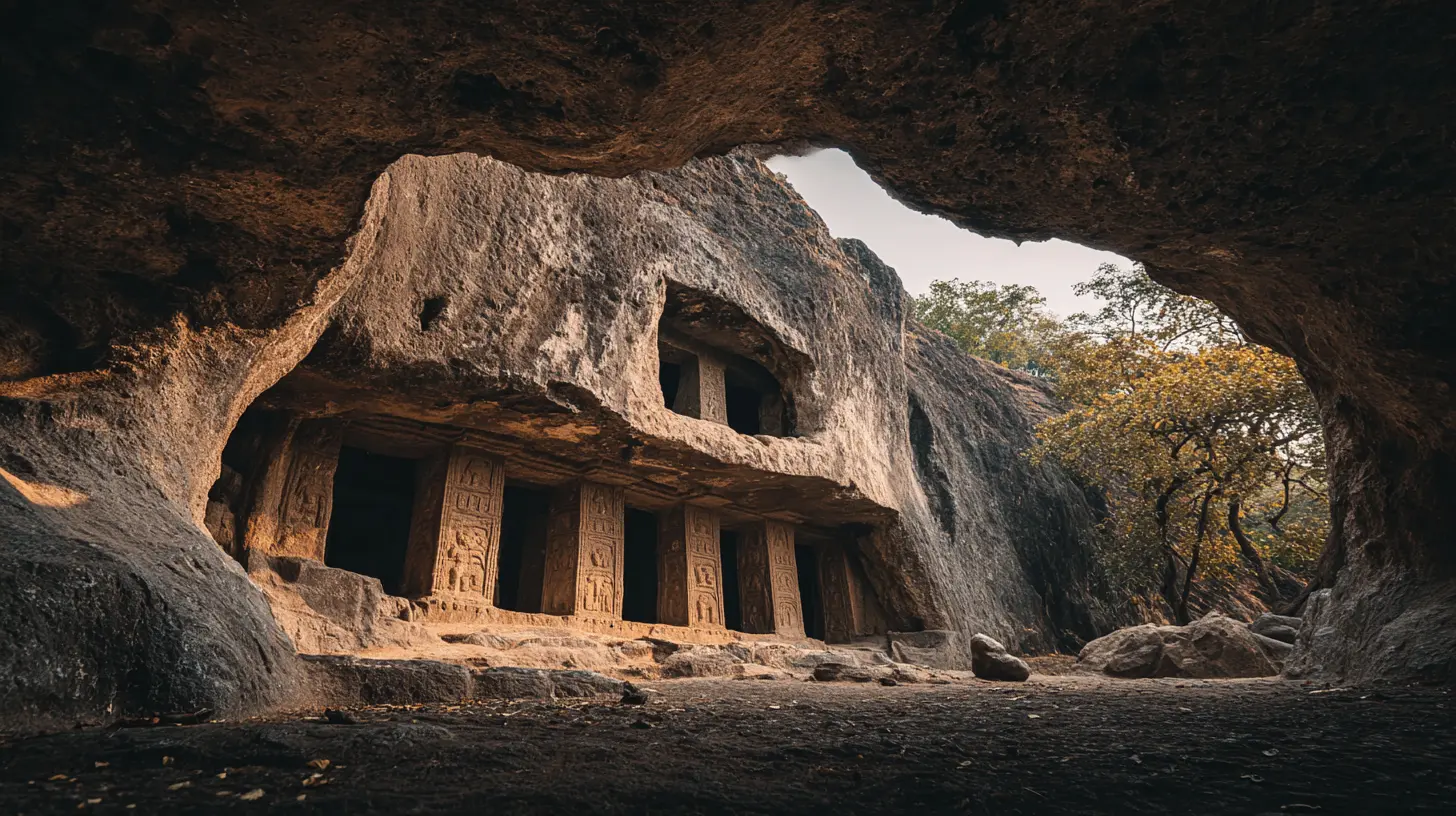
Everyone heads to the palaces of Jaipur and Udaipur, but northeast in Rajasthan lies the open-air art gallery of the Shekhawati region. In the 18th and 19th centuries, this was the route of wealthy Marwari merchants. To showcase their success, they built magnificent mansions called havelis, and then they covered every inch of them in breathtaking frescoes. We’re talking thousands of these painted jewels, scattered across semi-desert towns like Mandawa, Nawalgarh, and Fatehpur.The surprise here is the sheer scale and the whimsical, narrative quality of the art. The walls tell stories of Hindu mythology, but also of the merchants’ worldly views: you’ll find locomotives, hot air balloons, Englishmen in suits, and telephone lines painted alongside gods and goddesses. It’s a fascinating cultural fusion frozen in time. Many havelis are still private homes, some are heritage hotels, and others stand quietly crumbling, their vibrant colors fading under the sun. Exploring Shekhawati feels like piecing together a giant, beautiful, slightly surreal comic book about ambition, art, and a unique moment in India’s history. It’s a treasure hunt for your eyes and your imagination.
The Ceremonial Silence of Bhutan’s Phallus Paintings
Bhutan, the kingdom of Gross National Happiness, is no longer a total secret, but its deeper cultural layers hold astonishing surprises. Venture beyond the majestic dzongs (fortress monasteries) into the valleys, particularly around the Punakha district, and you’ll notice something unexpected: brightly painted phalluses on the walls of houses and above doorways. Before you jump to conclusions, understand this is a sacred, ancient tradition linked to the "Divine Madman," Drukpa Kunley, a 15th-century saint who used outrageous, often sexual, humor to teach Buddhist teachings and subdue demons.In 2027, understanding this tradition is a masterclass in cultural context. These images are not vulgar; they are considered symbols of fertility, protection, and the warding off of the evil eye. They represent the direct, unorthodox path to enlightenment and are a reminder not to take life too seriously. Witnessing this tradition—perhaps during a festival where giant wooden phalluses are paraded—challenges Western taboos and offers a profound insight into Bhutan’s unique blend of deep spirituality and earthy, joyful pragmatism. It’s a hidden gem that truly reframes perspective.
The Underground Symphony of Cappadocia’s Derinkuyu (Türkiye)
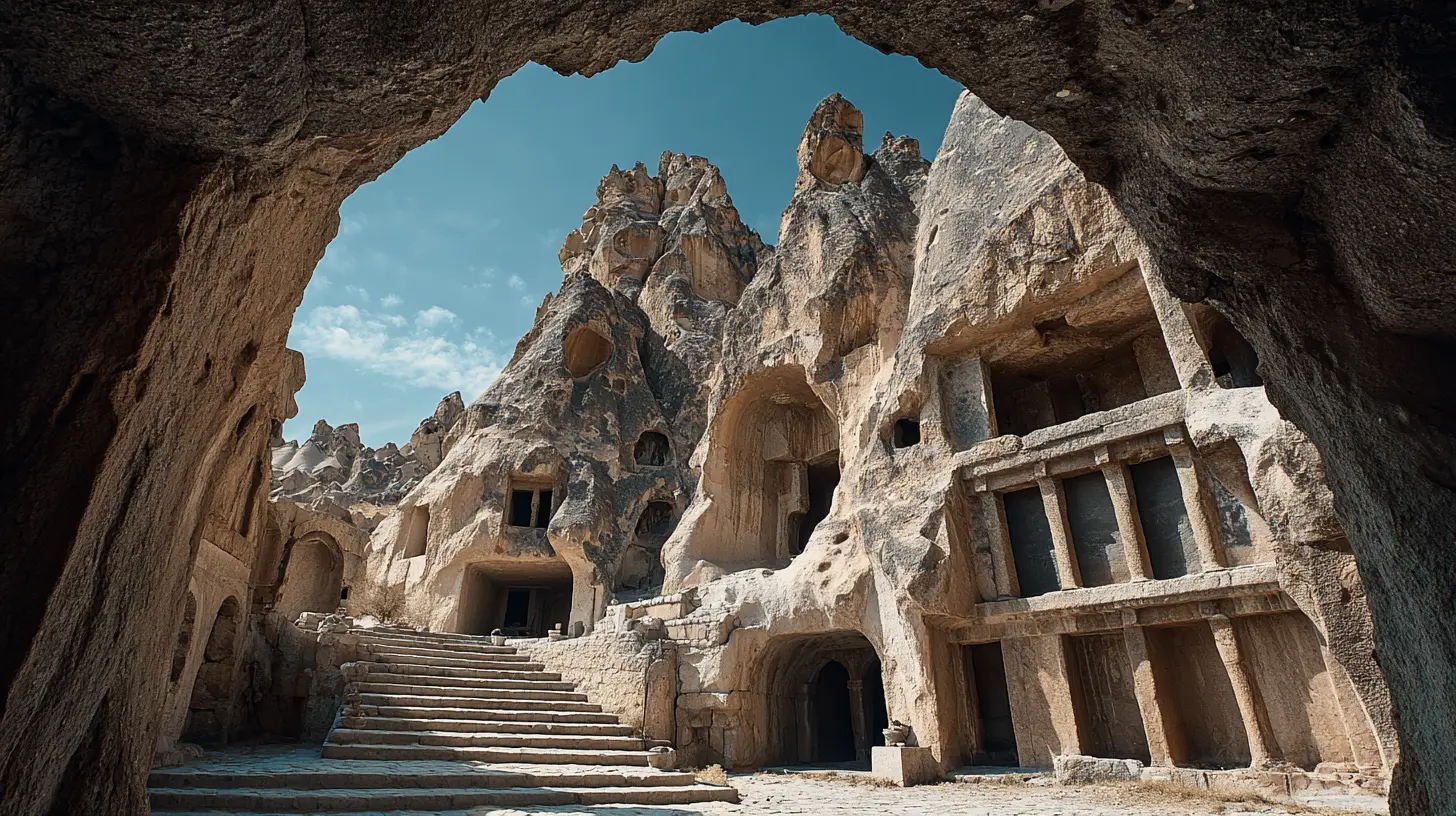
Cappadocia’s fairy chimneys and hot air balloons are rightly famous. But beneath that surreal landscape lies a hidden world that is arguably more impressive: the underground cities, with Derinkuyu being the deepest. We’re not talking about a few caves. This is an entire subterranean metropolis, plunging 18 levels and roughly 85 meters deep, capable of housing up to 20,000 people along with their livestock and food stores.Walking through its labyrinthine tunnels, ventilation shafts, churches, wineries, and stables in 2027 is an utterly humbling experience. It’s a monument not to grandeur, but to collective survival. Early Christians, and those before them, carved this refuge to escape persecution. You feel the weight of history in the cool, still air. You marvel at the engineering—the massive circular stone doors that sealed communities in safety. It’s a stark reminder of human resilience and ingenuity. While the skies above Cappadocia offer beauty, the world below offers a powerful, silent narrative of a community’s will to endure, making it one of the most profound cultural gems on the planet.
Your 2027 Journey Awaits
So, as you dream of your travels for 2027, look past the obvious. Seek the places that speak in whispers, that vibrate with a unique frequency, that challenge your expectations. These hidden cultural gems are more than destinations; they are conversations waiting to happen. They remind us that our world is still wonderfully vast and deeply mysterious. They promise not just a change of scenery, but a change in perception. The surprise isn’t just in finding them—it’s in how they change you long after you’ve returned home. Are you ready to be surprised?
all images in this post were generated using AI tools
Category:
Cultural LandmarksAuthor:

Winona Newman
Discussion
rate this article
2 comments
Vesperos McBride
Uncovering these hidden cultural gems in 2027 is a must! Each destination promises unique experiences that go beyond the typical tourist path, ensuring unforgettable adventures. Don’t miss out!
April 19, 2026 at 2:43 PM
Winona Newman
Thank you! I’m glad you’re excited about these hidden cultural gems. They truly offer unforgettable experiences!
Kenneth Rhodes
Excited to explore these unique cultural treasures!
April 17, 2026 at 4:50 AM
Winona Newman
I'm glad to hear that! There's so much to discover. Enjoy the journey!