Language, Art, and Music: How Cultures Pass Down Knowledge
18 May 2026
Culture is like a living, breathing entity. It evolves, adapts, and thrives across generations. But how does a culture ensure that its traditions, wisdom, and identity stand the test of time? The answer lies in three powerful tools: language, art, and music. These are not just creative expressions but also vehicles for passing down knowledge, shaping societies, and preserving history.
Let’s dive into how language, art, and music work together to keep cultural heritage alive and why they are so essential for future generations.
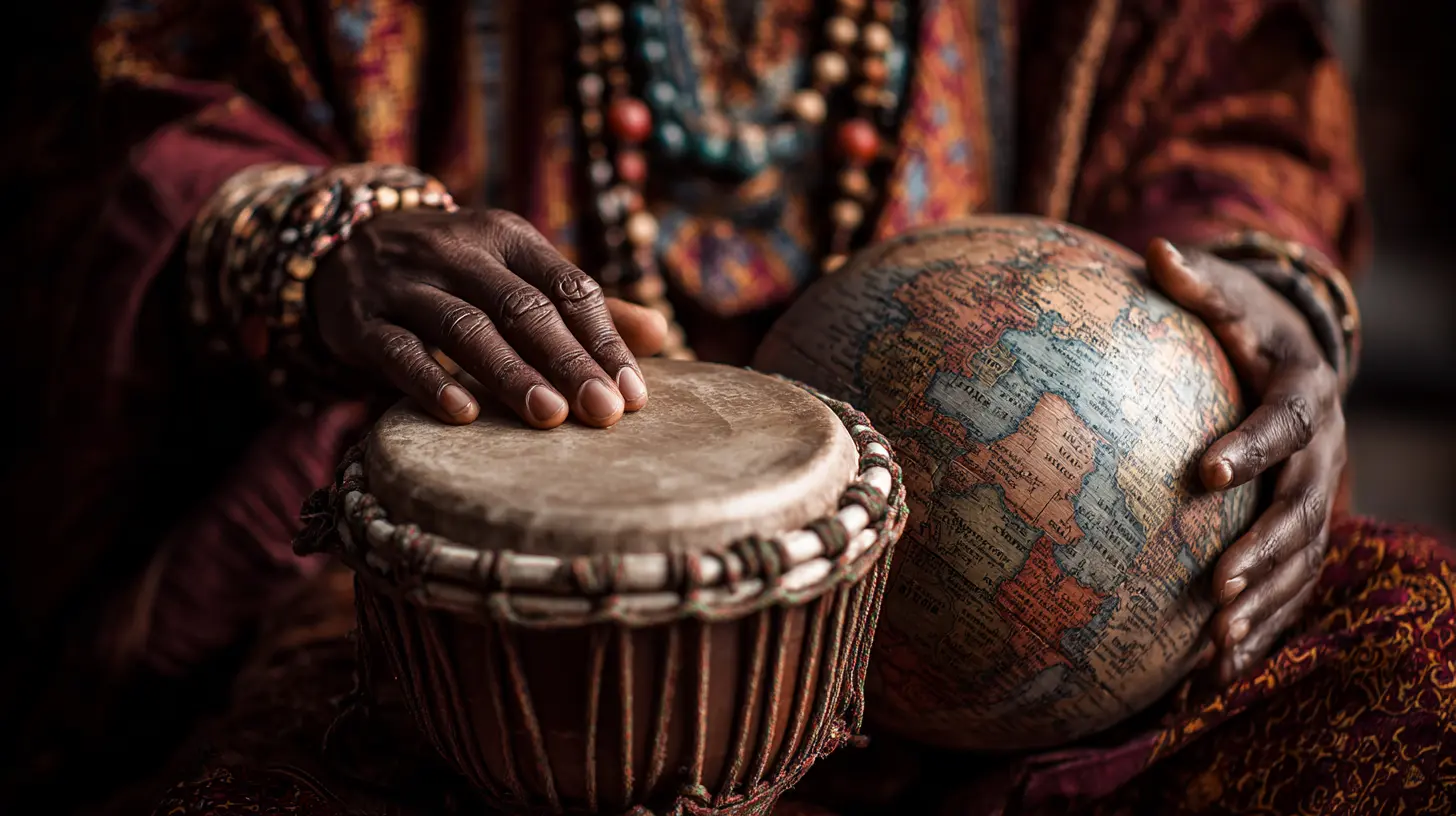
The Power of Language: More Than Just Words
Language is the backbone of any culture. It’s how we communicate, express emotions, and share ideas. But beyond daily conversations, language carries the history, values, and beliefs of a community.Oral Traditions: The Original Textbooks
Long before written records, people relied on storytelling to pass down knowledge. Myths, folktales, and legends were shared from one generation to another, preserving historical events and moral lessons. Think about Native American storytelling, African oral traditions, or the epic poems of ancient civilizations like the Iliad and the Mahabharata—these stories kept cultures alive long before books existed.Written Language: A Permanent Record of Civilization
Once humans developed writing systems, knowledge became even easier to preserve. Ancient texts carved into stone or written on papyrus allowed cultures to document everything from religious beliefs to scientific discoveries. Fast-forward to today, and we have literature, digital records, and archives that ensure our knowledge lasts indefinitely.Linguistic Identity: More Than Just a Means of Communication
Ever wondered why losing a language feels like losing a piece of history? That’s because language is deeply tied to cultural identity. When a language disappears, so do the unique ways of thinking, traditions, and perspectives embedded within it. This is why efforts to revive endangered languages—like the Irish Gaelic or the Hawaiian language—are crucial for preserving cultural heritage.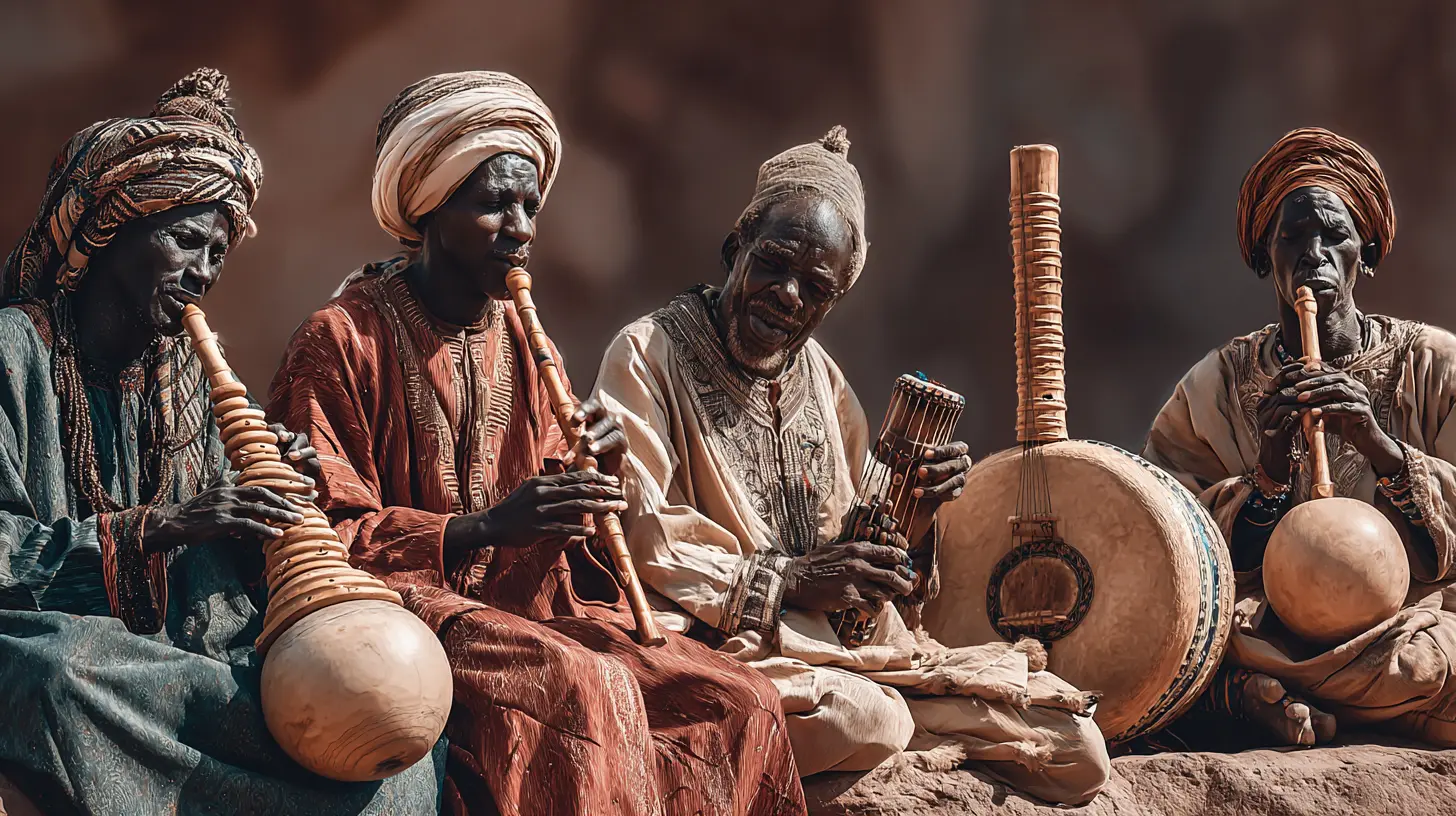
Art: A Visual Time Capsule
If language is the blueprint of culture, art is its mirror. It captures human experiences, emotions, and historical moments in ways that words often cannot.Cave Paintings to Modern Masterpieces: Art as a Historical Record
The oldest known art—cave paintings—date back thousands of years. These early works depicted hunting scenes, rituals, and daily life, giving us insight into ancient societies. Fast-forward to the Renaissance, where artists like Michelangelo and Leonardo da Vinci used their craft to reflect the values and ideas of their time.Even today, murals, graffiti, and digital art continue to tell stories and share cultural messages. Think of Banksy’s politically charged street art or Diego Rivera’s murals that depict Mexican history—art remains a powerful storyteller.
Symbols and Meanings: Visual Language Across Cultures
Art is more than just pretty pictures; it’s a visual language. Different cultures have unique symbols, colors, and designs that carry deep meanings. In Chinese culture, the color red symbolizes prosperity and luck. In Ancient Egypt, hieroglyphs served as a means of recording history. Every brushstroke, every sculpture, and every craft tells a story that words cannot always capture.Art as Resistance and Identity
Throughout history, marginalized communities have used art as a form of resistance. From the Harlem Renaissance to Indigenous artwork reclaiming lost traditions, art has been a way to assert identity and challenge oppression. Even today, artistic expression continues to be a voice for those who refuse to be silenced.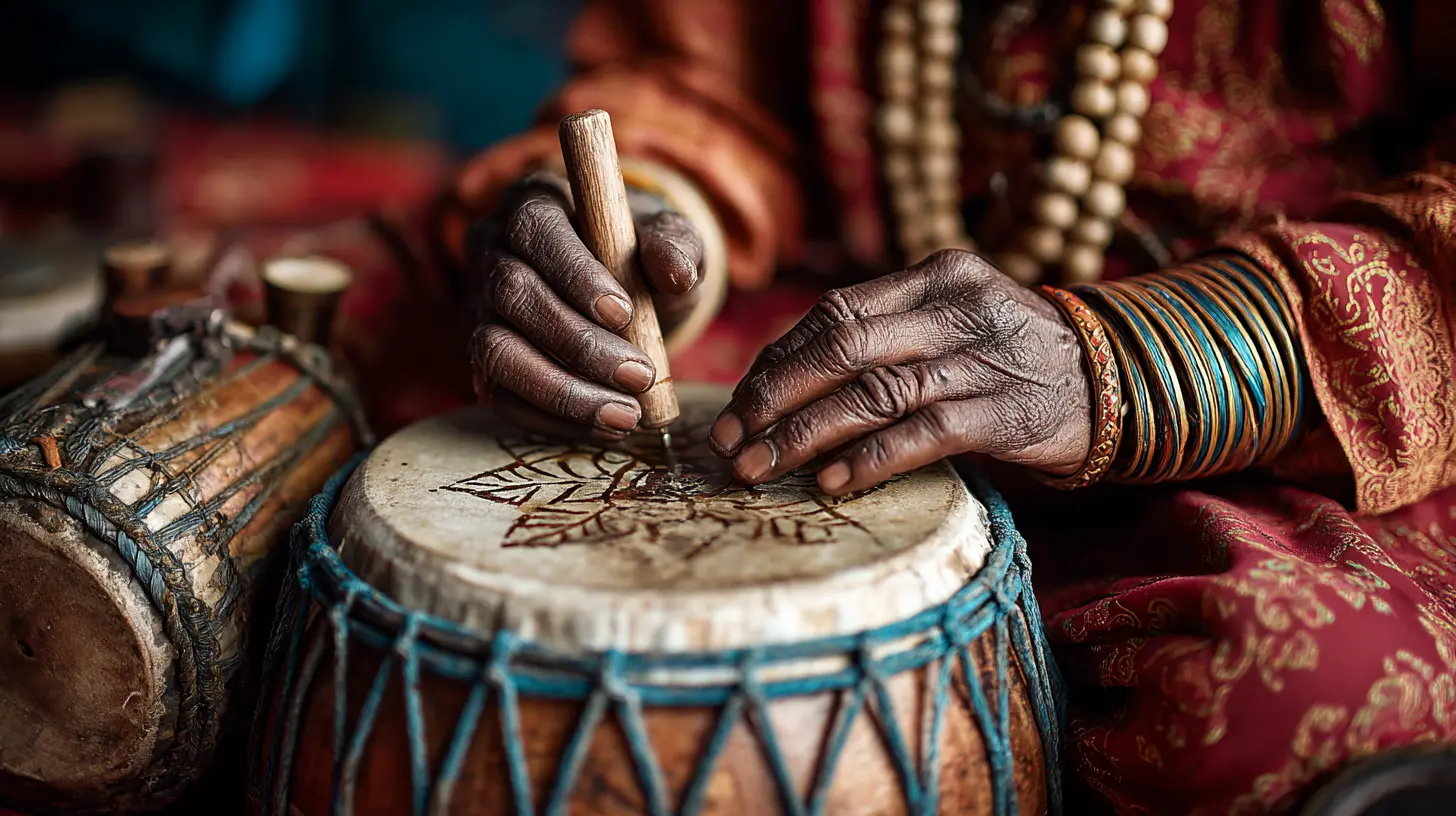
Music: The Universal Language
If art is a mirror and language is a map, then music is the heartbeat of culture. It transcends borders, speaks to the soul, and connects people like nothing else.Folk Songs and Traditional Melodies: Carriers of History
Music has long been a way to document events, emotions, and traditions. Folk songs tell tales of love, war, hardship, and celebration. Just think of the blues in the American South, which emerged from the struggles and resilience of African American communities. Or traditional Irish ballads that keep stories from centuries ago alive through song.Music and Rituals: Creating Meaningful Traditions
From birth to death, music plays a role in almost every cultural ritual. Think of lullabies sung to infants, wedding songs celebrating union, or funeral hymns mourning loss. Religious chants, tribal drumming, and even national anthems unify communities and strengthen cultural ties.Modern Music: Blending the Old with the New
In today’s world, music still plays a crucial role in cultural preservation. Traditional sounds are often fused with modern beats, creating genres like reggae, hip-hop, and K-pop, all of which have deep cultural roots. Even as cultures evolve, music keeps traditions alive in fresh and exciting ways.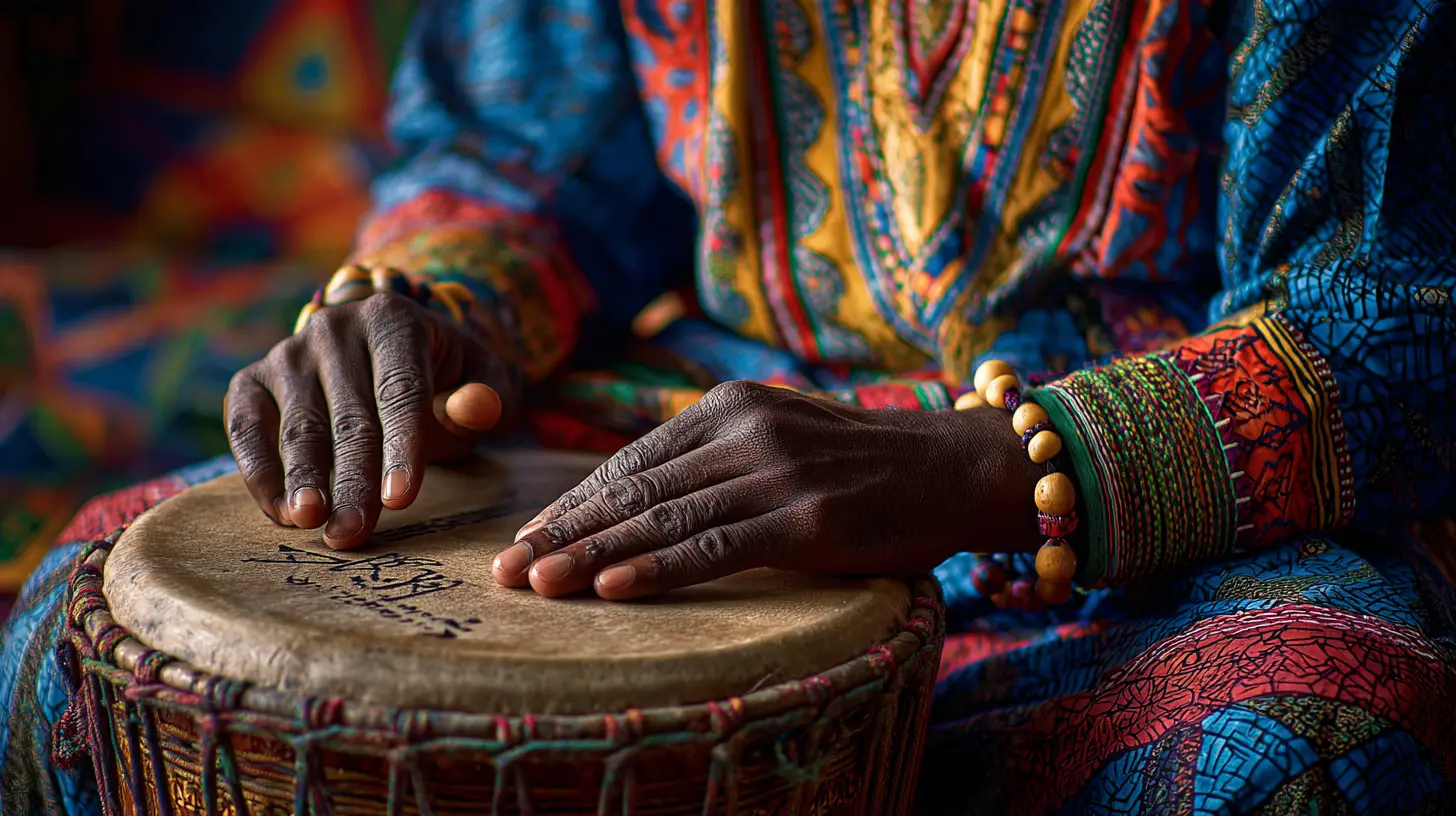
Why Cultural Knowledge Matters
So, why should we care about passing down knowledge through language, art, and music? Because without them, cultures fade. They serve as bridges between past and present, helping us understand where we come from and shaping how future generations will experience the world.Cultural Appreciation vs. Cultural Appropriation
While it’s great to admire and adopt elements from different cultures, there’s a fine line between appreciation and appropriation. Understanding the significance behind a tradition before engaging with it is key. When cultures share their knowledge through language, art, and music, it should come with respect and acknowledgment.The Role of Technology in Cultural Preservation
In today’s digital world, preserving culture has never been easier—or more challenging. On one hand, social media and online platforms allow us to share traditions globally. On the other hand, mainstream influences can sometimes overshadow smaller, indigenous cultures. Balancing modernity with tradition is a challenge, but one worth taking on to keep cultural knowledge alive.Final Thoughts: Keeping the Cultural Flame Alive
Language, art, and music aren’t just forms of expression—they are survival tools for culture. They hold the wisdom, values, and identity of generations past and ensure they are carried forward. Whether through a grandmother’s bedtime story, a mural on a city wall, or a song passed down through centuries, these elements remind us of who we are and where we come from.If we want future generations to inherit a world rich in diversity, it starts with keeping these traditions alive. So, next time you hear an old folk song, see a piece of indigenous art, or listen to a story in an ancient language, remember—you’re witnessing the past whispering to the future.
all images in this post were generated using AI tools
Category:
Cultural ExperiencesAuthor:

Winona Newman
Discussion
rate this article
1 comments
Jessamine Harris
What a delightful read! It's amazing how language, art, and music connect us all. Let's celebrate these treasures and keep sharing stories across cultures... adventure awaits!
June 5, 2026 at 2:43 PM