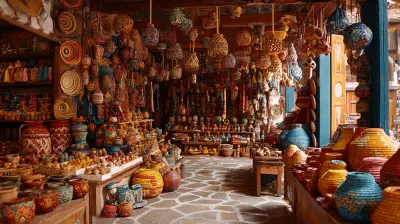
Ancient Traditions That Continue to Thrive in Modern Cities
16 May 2026
Have you ever walked down a bustling city street, only to stumble across a centuries-old tradition still thriving in the middle of all that modern chaos? It's like finding a hidden gem, a secret window into the past, reminding us that history isn't just something in books—it’s alive, breathing, and woven into the very fabric of our daily lives.
From grand festivals to ancient crafts, some traditions refuse to fade into obscurity. Instead, they adapt, evolve, and continue to be cherished, even in the most urbanized cities. So, let’s take a journey around the world and uncover some remarkable ancient traditions that have stood the test of time.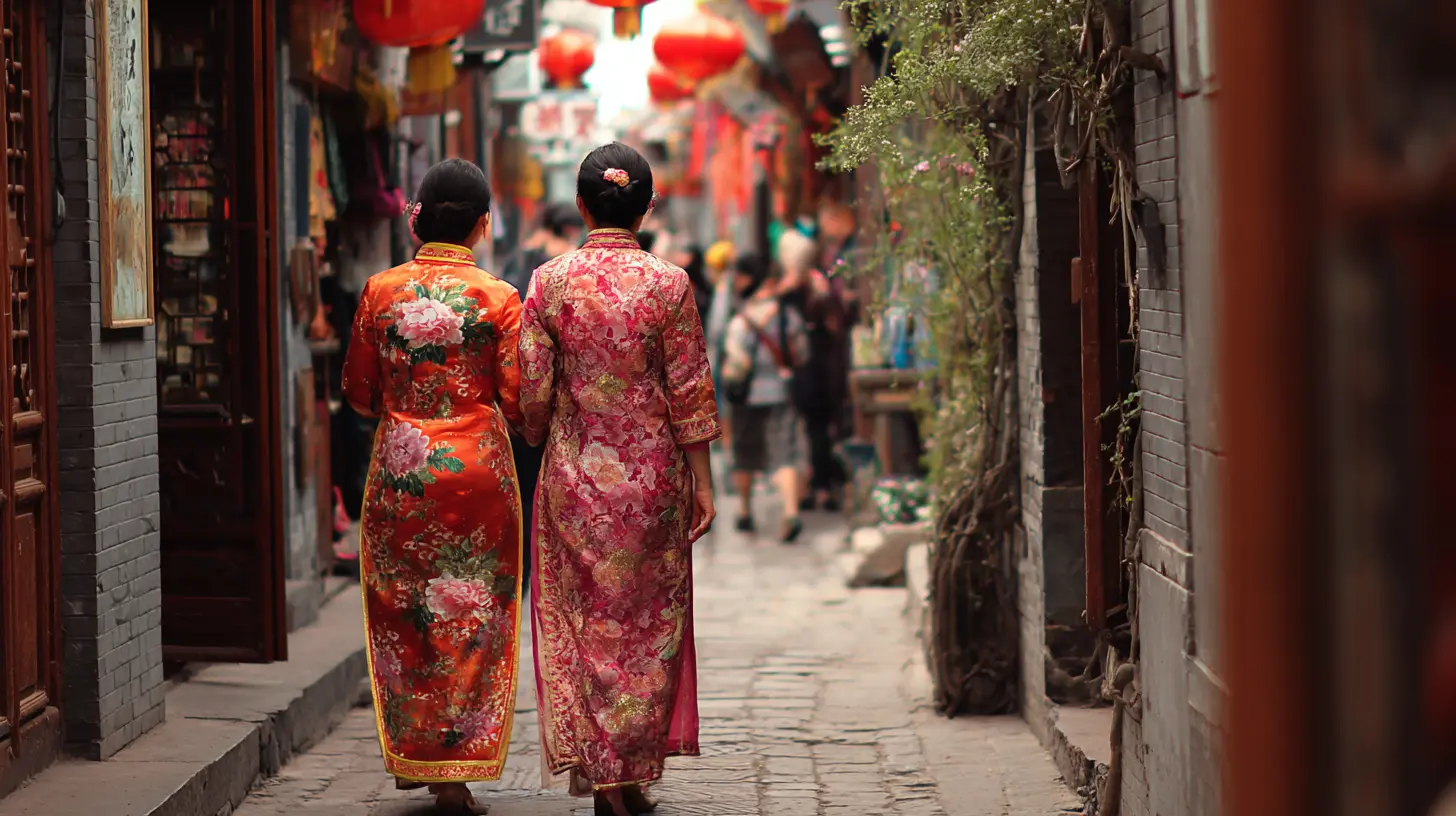
1. Tea Culture in Japan – The Art of the Tea Ceremony
If you've ever sipped on a cup of green tea in Japan, you’ve probably experienced a slice of history. The Japanese tea ceremony, also known as Chanoyu, is an art form dating back to the 9th century, and yet, you can still find it being practiced in the heart of Tokyo.Why Does It Persist?
Because it's more than just tea! It’s a meditative experience, a moment of peace in the midst of the city's never-ending hustle. The intricate rituals, the precise movements, and the philosophy behind each step turn a simple cup of tea into a spiritual journey.Many modern teahouses in Tokyo now offer tea ceremonies with a contemporary twist—some even incorporate matcha lattes! But at its core, the tradition remains unchanged: a ritual of mindfulness, hospitality, and appreciation for the present moment.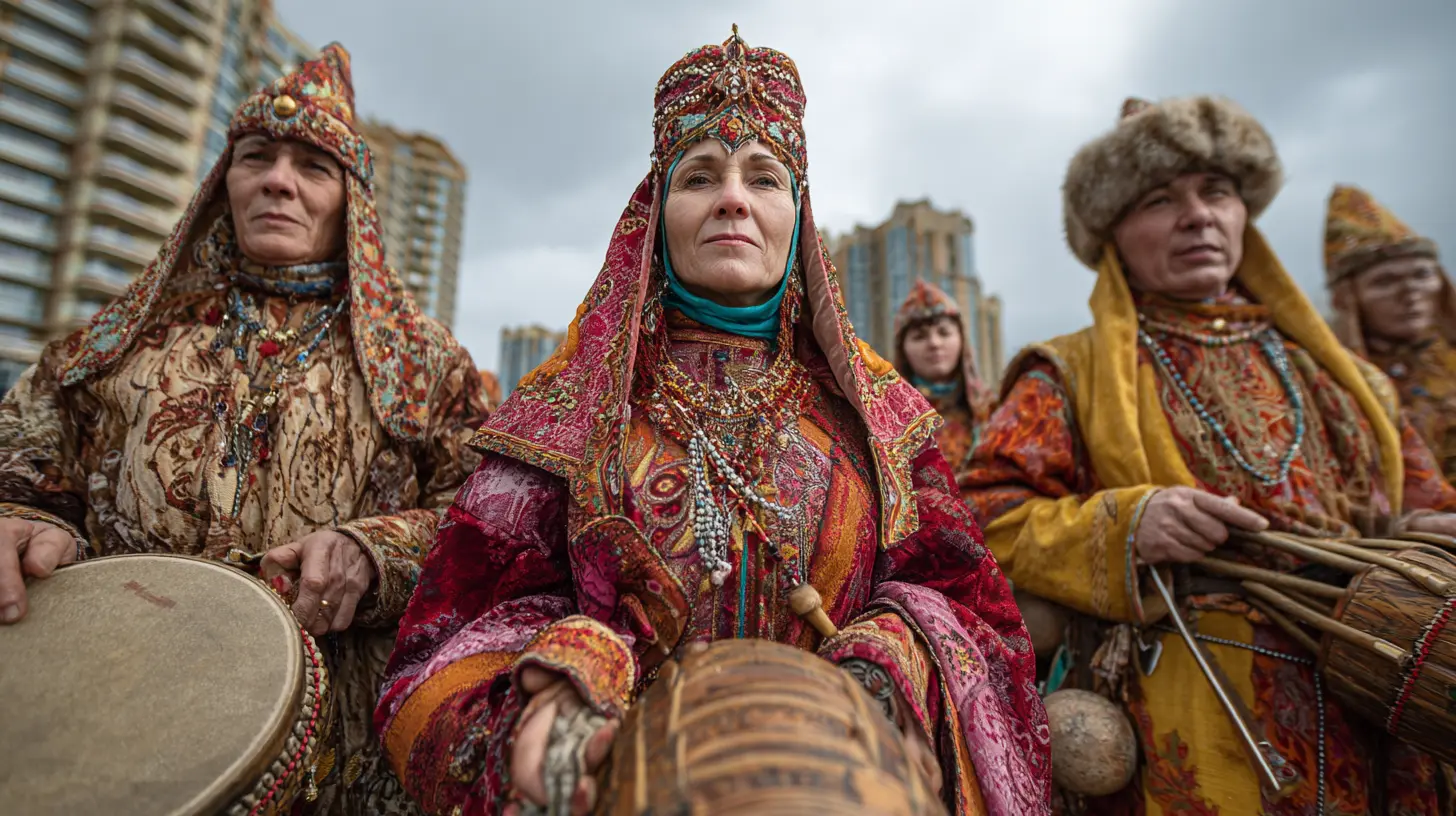
2. Flamenco in Spain – Passion That Never Fades
When you think of Spain, what comes to mind? Flamenco, of course! This fiery and passionate performance—full of rhythmic claps, intense guitar strumming, and soul-stirring dances—originated from the Andalusian Roma communities centuries ago. But even today, in cosmopolitan cities like Madrid and Seville, flamenco is as alive as ever.What Keeps Flamenco Alive?
It’s raw emotion, real storytelling, and deep-rooted pride. Even in the age of DJ playlists and TikTok trends, people still crave the soul-stirring, goosebump-inducing magic of a live flamenco performance.Walk into any tablao (flamenco venue) in Barcelona or Granada, and you'll see people from all walks of life—locals, tourists, even young Spaniards—completely mesmerized by the intensity of the dance. It's proof that some traditions don’t just survive; they thrive.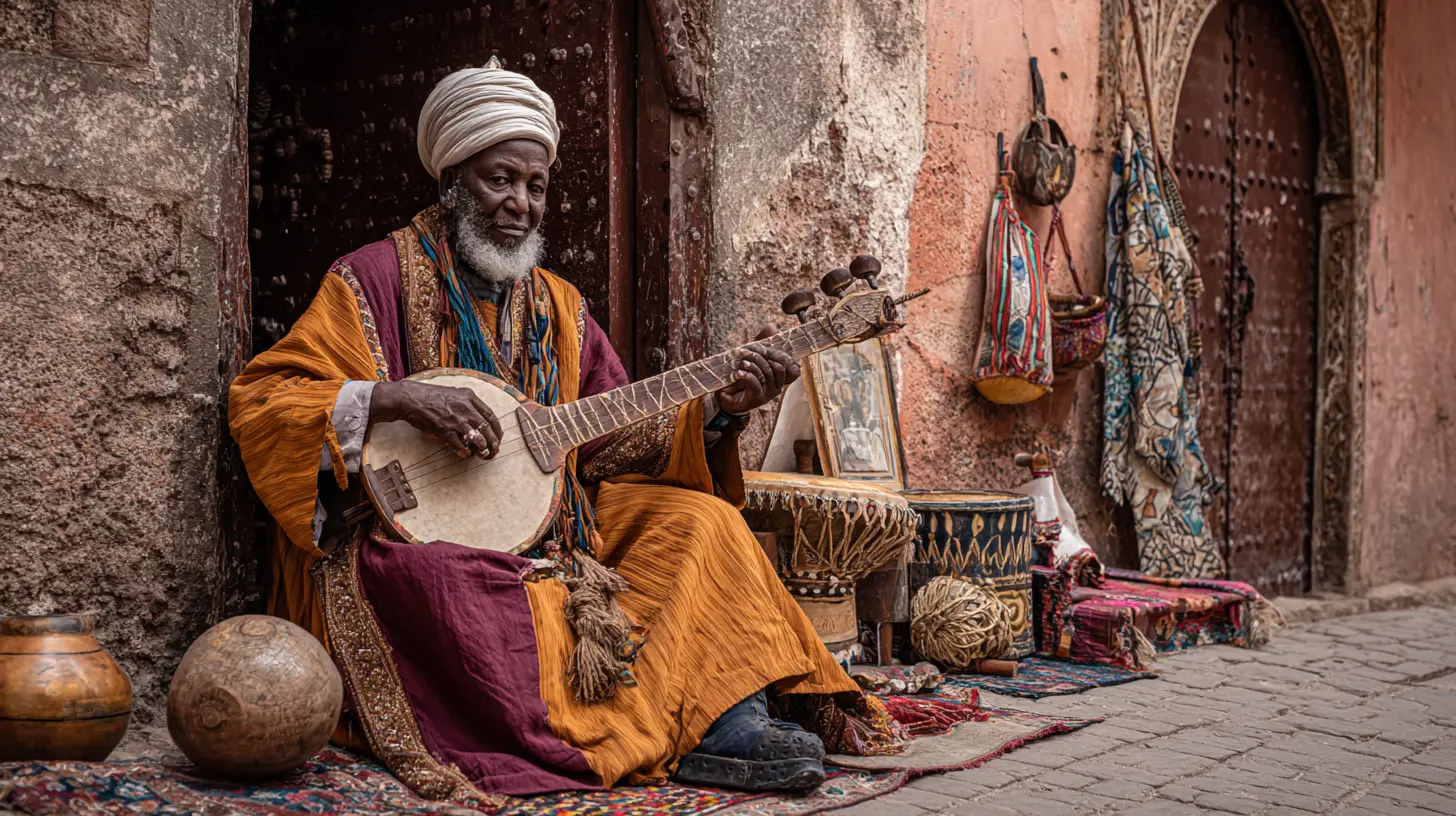
3. The Chinese New Year Festival – A Citywide Spectacle
No matter where you are—Shanghai, Singapore, or even San Francisco—if there's a Chinatown nearby, you’ll witness the incredible spectacle of Chinese New Year. This ancient celebration, rooted in over 3,500 years of history, still dominates even the most modern of cities every year.Why Does It Refuse to Fade?
Because it’s a cultural and family affair. The excitement of dragon dances, fireworks, red envelopes (hongbao), and delicious feasts brings people together like no other festival.Even in today’s world of digital communication, people still follow old traditions: visiting family, paying respects to ancestors, and following customs for good luck. It’s a reminder that no matter how fast cities move, some things remain timeless.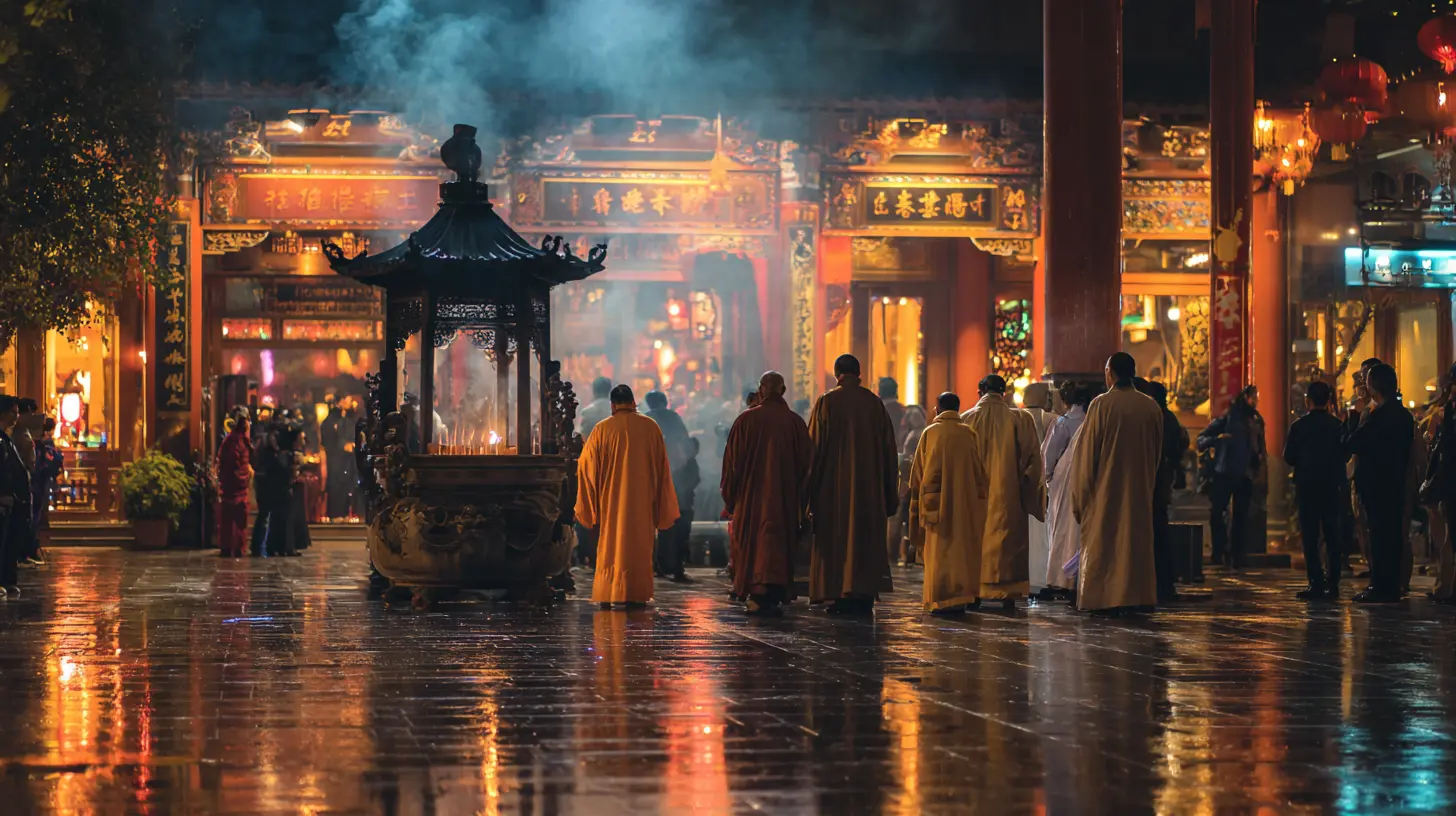
4. Mexico’s Day of the Dead – An Ancient Celebration in a Modern World
Despite living in a world where Halloween dominates pop culture, Mexico’s Día de los Muertos (Day of the Dead) remains one of the most beautiful and enduring traditions.Every November 1st and 2nd, families across Mexico—and even in cities like Los Angeles and New York—honor their departed loved ones with vibrant altars, sugar skulls, marigold flowers, and heartfelt celebrations.
How Does It Keep Thriving?
Because it’s not about mourning; it’s about celebration and remembrance. Families don’t forget their loved ones; they keep their memories alive, passing down stories and traditions from one generation to the next.And thanks to movies like Coco, the tradition has gained international recognition. It’s proof that old traditions can still touch new hearts.
5. Venice’s Gondolas – A Floating Legacy
Venice is a city of canals, and no matter how modern Italy becomes, the iconic gondolas continue to glide through the waters just as they did centuries ago.But here’s the thing: gondolas aren’t just tourist attractions—they are a symbol of Venetian heritage. The art of gondola-making and the skill of gondoliers have been passed down through generations.
Why Do They Still Exist?
Because they represent Venetian identity. The world may have speedboats and motorized vaporettos, but there is something magical about a slow-moving gondola ride, steered by a gondolier singing old Italian folk tunes.It’s nostalgic. It’s romantic. And it’s proof that sometimes, old-school is still the best.
6. Indian Street Markets – Where Old Meets New
India’s bustling markets have existed for centuries, and even though shopping malls and e-commerce have taken over, traditional bazaar culture is far from disappearing.What Keeps Them Going?
The experience! Walking through street markets like Delhi’s Chandni Chowk or Mumbai’s Colaba Causeway is like stepping back in time—the bargaining, the street food, the handwoven textiles.Despite Amazon and digital payments, people still flock to these markets for that human connection, the thrill of negotiation, and the authenticity that a mall can’t match.
7. The Changing of the Guard – A Royal Legacy in a Modern City
London is one of the most metropolitan cities in the world, yet it still holds on tightly to its royal traditions. One of the most famous? The Changing of the Guard at Buckingham Palace.Why Has It Stood the Test of Time?
Because tradition is part of national identity. Even with a modern government, AI, and autonomous cars, some rituals symbolize history, pride, and unity.Tourists and locals alike gather to watch the precision, discipline, and pomp of the ceremony, proving that some traditions are too grand to give up.
Final Thoughts
Ancient traditions aren’t just relics of the past—they’re living, breathing parts of our cities, shaping culture and identity even as skyscrapers rise around them.So, next time you’re in a big city, look a little closer. You might just find a centuries-old craft, a festival with deep historical roots, or a ritual that has been carried on for generations. Because traditions don’t just survive—they thrive.
all images in this post were generated using AI tools
Category:
Cultural ExperiencesAuthor:

Winona Newman
Discussion
rate this article
1 comments
Lila Riggs
This article beautifully highlights how rich traditions coexist with modern life, reminding us of our roots and connections.
June 5, 2026 at 4:41 AM