Spices, Textiles, and More: Delights of Traditional Local Markets
6 April 2026
There's something magical about stepping into a traditional local market. The moment you walk in, you're hit with a sensory explosion — the vibrant colors, the mingling aromas of spices, the sound of vendors bargaining, and the textures of handwoven fabrics brushing against your fingertips. It’s like walking into a living postcard.
But these markets aren’t just about buying things. They're an experience, a journey into the heart of a culture. Whether you're roaming a Moroccan souk, a bustling bazaar in India, or a floating market in Thailand, traditional markets are treasure troves of stories, heritage, and flavor.
Let’s dive into the spicy, colorful, and downright delicious world of traditional local markets — and why they should be on your travel bucket list.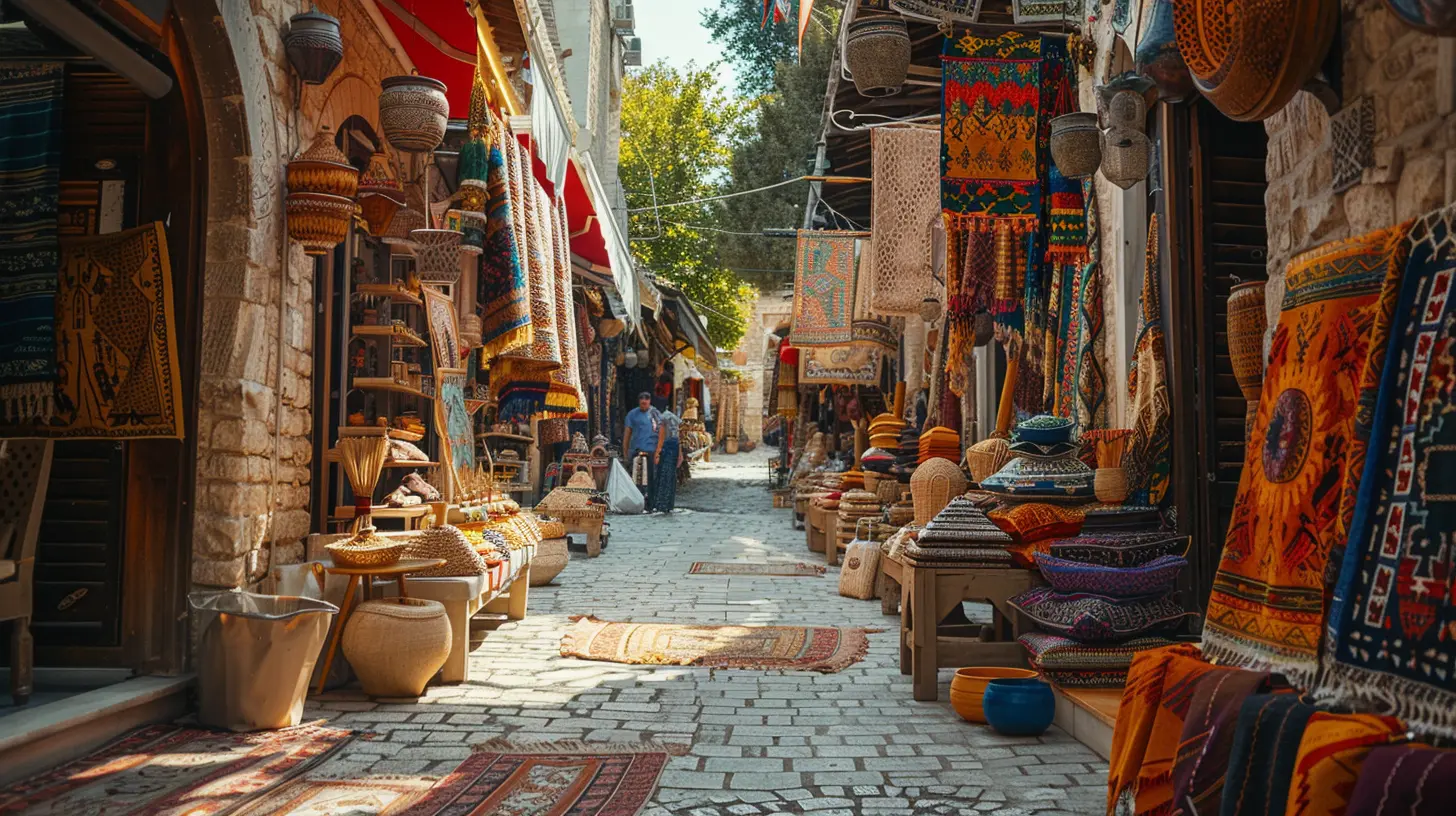
The Magnetic Pull of Traditional Markets
Why are we so drawn to local markets when we travel? It’s simple — they’re real. Markets give you a slice of daily life you wouldn’t find in a museum or on a tour bus. You get to meet the people, taste the food, and even pick up a few local words or gestures as you shop.Plus, every item you see — from a hand-dyed scarf to a jar of cumin — has a story. And you, lucky traveler, get to be part of it.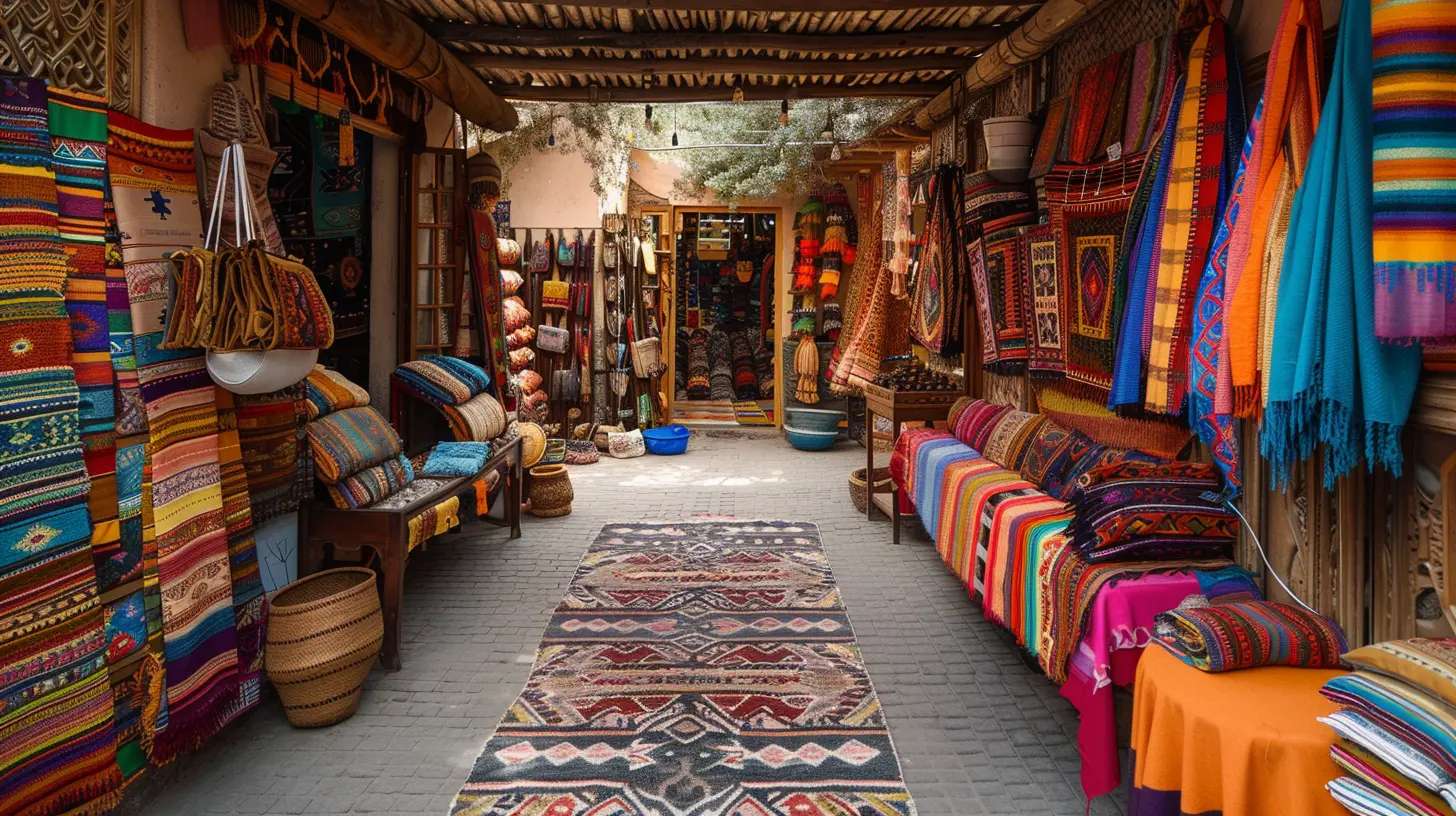
Section 1: A World of Spice
Aromatic Adventures
Ever walked past a stall and stopped in your tracks just because the smell was that good? Yup, that’s the power of spices. They don’t just flavor food — they tell stories of trade routes, ancient civilizations, and culinary secrets passed down for generations.Markets in countries like India, Morocco, Turkey, and Sri Lanka are spice heavens. You’ll find sacks overflowing with turmeric, cardamom, saffron, chili, star anise, and cinnamon. Some are ground; others are whole. All of them fill the air with an intoxicating perfume.
Spice Shopping Tips
Navigating a spice market can be overwhelming, so here are a few tips:- Smell before you buy. The fresher the spice, the stronger and purer the aroma.
- Don’t be afraid to ask. Vendors usually love explaining uses and even sharing recipes.
- Buy in moderation. You don’t need a kilo of curry powder — a small packet goes a long way!
Spices make easy, lightweight souvenirs that bring flavors of your trip back to your kitchen. Imagine whipping up an authentic Thai curry or Moroccan tagine long after you've returned home.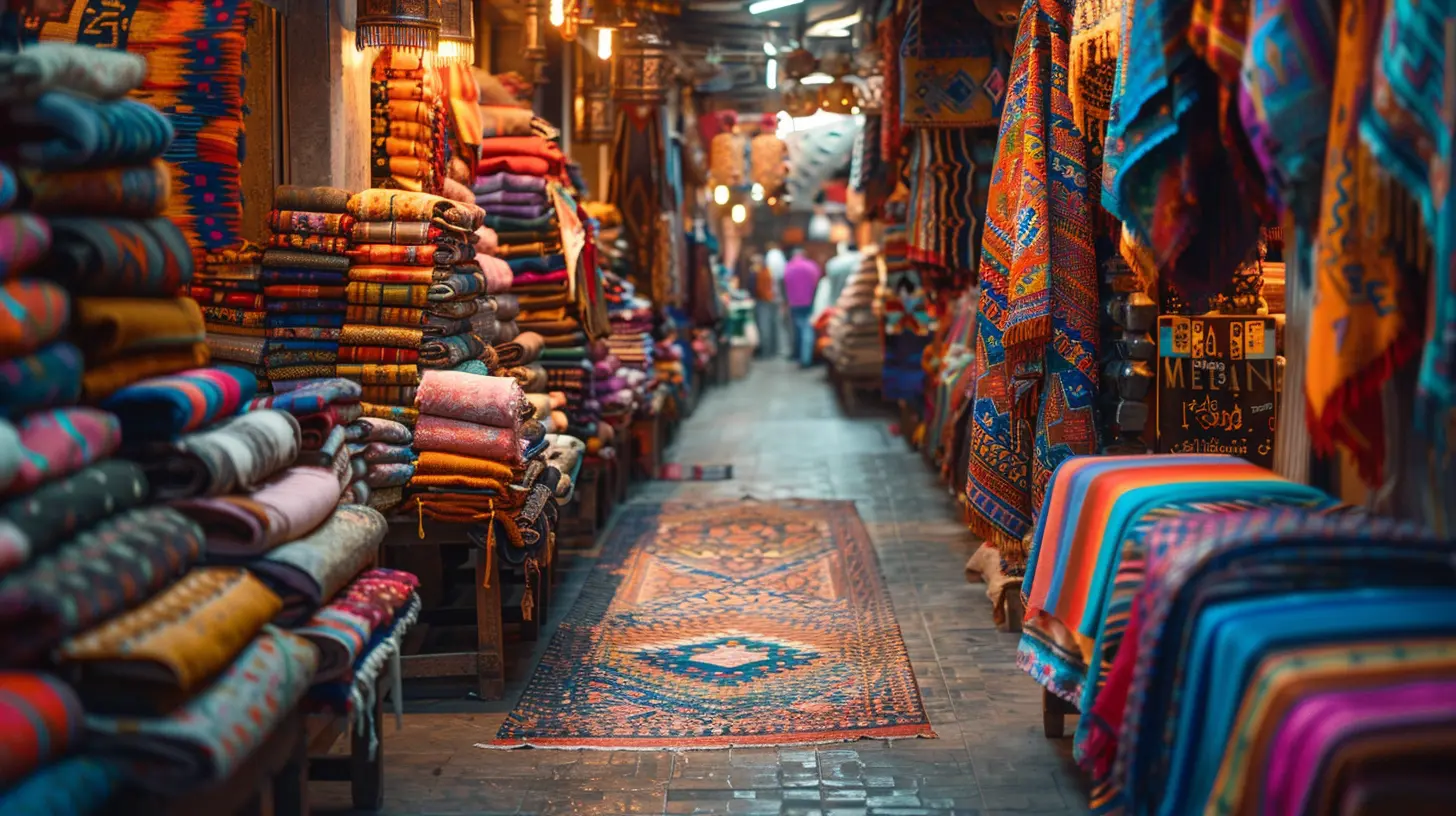
Section 2: Textiles That Tell Tales
The Fabric of Culture
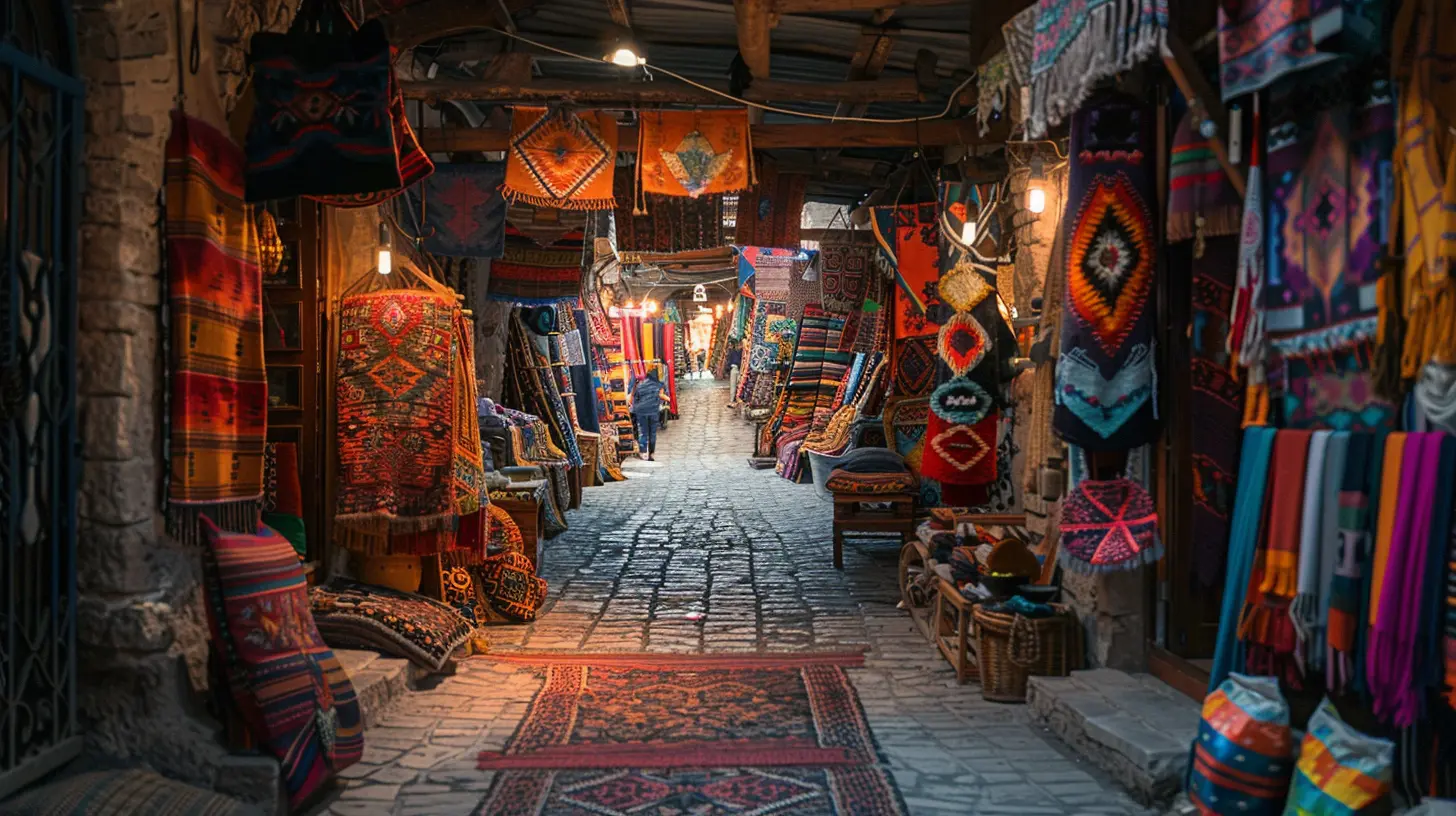
From the multicolored saris of India to the intricate batik of Indonesia, textiles are more than just cloth — they’re wearable art. And where do you find the best of these treasures? Local markets, of course.Every thread, print, and pattern holds meaning. Maybe it's a tribal weave that symbolizes fertility or a color that represents royalty. Buying textiles isn’t just shopping; it’s investing in stories, tradition, and craftsmanship.
Where to Go for Textile Heaven
- India: Varanasi and Jaipur are known for silk and block prints.- Peru: Cusco’s markets offer vibrant ponchos and alpaca scarves.
- Turkey: Grand Bazaar in Istanbul has carpets, kilims, and more.
- Indonesia: Look for hand-dyed batik in Yogyakarta and Bali.
These aren’t mass-produced pieces. Many are handmade by artisans using techniques passed down through centuries.
Textile Shopping Tips
- Feel the material. Natural fabrics like cotton or silk will feel different than synthetic ones.- Check the craftsmanship. Is it machine-made or handwoven? Ask questions.
- Bargain respectfully. Haggling is part of the culture, but always do it with a smile.
Section 3: Markets as Culinary Classrooms
Street Food Galore
Let’s be honest — one of the best parts of visiting a local market is the food. And I’m not just talking about what you buy to cook later. I’m talking about the ready-to-eat, mouth-watering street food that you inhale the moment you spot it.Think crispy samosas, juicy dumplings, spicy skewers, or sweet, sticky pastries. Every market has its own lineup of local snacks, and they’re usually cheap, fresh, and unforgettable.
Watch, Learn, Eat
Markets offer a front-row seat to culinary traditions. You can watch someone roll fresh spring rolls, grind spices, brew local tea, or fry up something you’ve never seen before — and then taste it within seconds.It’s like the Food Network in real life — but with smells, sounds, and the occasional rooster walking past.
Section 4: Handicrafts and Hidden Gems
More Than Just Souvenirs
Local markets are bursting with items you won’t find in glossy shopping centers — hand-carved wooden animals, hand-painted ceramics, jewelry made from local stones, and leather goods crafted right in front of you.These aren’t just objects. They’re memories trapped in material form. A woven basket from Ghana isn’t just a basket — it's a conversation waiting to happen.
Ethical Shopping Matters
Supporting local artisans is a big win — for you and for them. By buying directly from creators, you're supporting families, local economies, and cultural preservation.Quick tip: Look for fair trade signs or ask how the product was made. Your curiosity helps keep crafts authentic and rooted in tradition.
Section 5: Meeting the People
Conversations You’ll Never Forget
Some of the best travel moments happen over a simple chat with a market vendor. Maybe they’ll share a story about how they learned their craft or offer a free sample just because you asked kindly.Markets are full of characters — the spice seller with a cheeky smile, the grandma weaving scarves, the little kid helping out after school. Every one of them adds color to your travel tale.
Even if you don’t speak the language, a smile, a gesture, or a shared laugh can bridge the gap.
Section 6: Tips for Navigating Local Markets
Alright, before you go running off to the next market, here are some quick pointers to make your experience smoother:- Go early. The best stuff (and freshest food!) goes fast.
- Bring cash. Most stalls won’t take cards, and haggling gets harder if you flash big bills.
- Pack light. You’re gonna want your hands free — and extra space for all your goodies.
- Mind your belongings. Markets can get crowded, so keep your valuables close.
- Respect the culture. Ask before taking photos and dress modestly where appropriate.
Section 7: Must-Visit Traditional Markets Around the World
Feeling inspired? Add these iconic markets to your bucket list:- Chatuchak Market (Bangkok, Thailand): One of the world’s largest weekend markets.
- Grand Bazaar (Istanbul, Turkey): A labyrinth of spices, textiles, and gold.
- Souks of Marrakech (Morocco): Where colors, scents, and sounds create sensory overload.
- La Boqueria (Barcelona, Spain): A food lover’s paradise with tapas and fresh produce.
- Pike Place Market (Seattle, USA): A mix of fresh seafood, flowers, and quirky art.
Section 8: Why Markets Matter in a Digital World
In a time when you can buy anything with a click and get it delivered in hours, traditional markets feel like a breath of fresh air. They’re messy, noisy, and unpredictable — but in the best way.They bring people together, support local economies, and keep cultures alive. And let’s face it — no online store smells like saffron, sounds like a call to prayer echoing through a narrow alley, or hands you a banana leaf full of hot, spiced peanuts with a smile.
When you shop in a traditional market, you're not just buying stuff — you're collecting soul-stirring experiences.
Final Thoughts
So next time you find yourself in a new place, skip the shopping malls and head straight to the market. Wander the maze of stalls, ask questions, try things you’ve never tasted, and let the journey unfold. Whether it’s spices that tickle your taste buds, textiles that wrap you in culture, or baubles that tell untold stories — the market has something just for you.And trust me, it’ll be the part of your trip you’ll talk about the most when you get home.
all images in this post were generated using AI tools
Category:
Local MarketsAuthor:

Winona Newman
Discussion
rate this article
2 comments
Noemi McPhail
Visiting local markets is like stepping into a Pinterest board gone wild! Just remember: if you can’t pronounce it, you probably shouldn’t eat it—but definitely buy the spices; you’ll impress your friends back home!
April 10, 2026 at 3:50 PM
Winona Newman
I love that comparison! Local markets are such a feast for the senses. And those spices definitely add a unique touch to any dish.
Beau Carey
Immerse yourself in vibrant local markets! Discover the rich flavors and textures of culture—each stall tells a story waiting to be explored!
April 6, 2026 at 4:42 AM
Winona Newman
Absolutely! Local markets are a tapestry of culture, where every spice and textile has a story to share. Dive in and savor the experience!