Adventures in the Solomon Islands: A Journey into Untouched Nature
3 April 2026
Have you ever dreamed of leaving it all behind—forgetting about phone notifications, crowded tourist hotspots, and the noise of modern life? That’s exactly what I did when I packed my backpack and booked a flight to one of the Pacific's best-kept secrets: the Solomon Islands.
This isn’t your average island getaway with umbrella drinks and poolside lounging, though there’s nothing wrong with that. Adventures in the Solomon Islands offer something deeper—an experience that feels raw, real, and, in many ways, untouched. If you’re looking for off-the-grid magic, keep reading.
Where Are the Solomon Islands, Anyway?
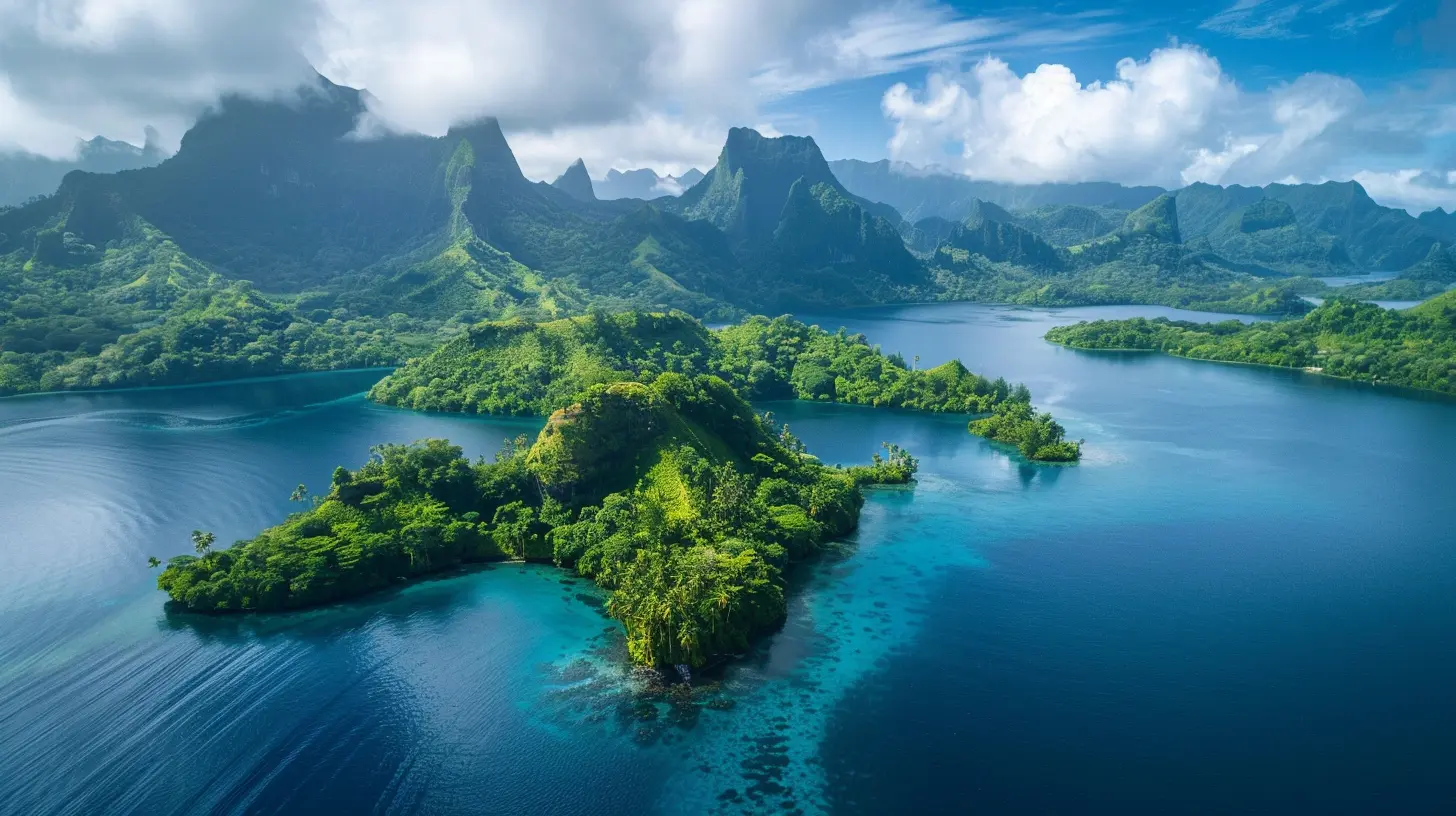
Let’s start with the basics. The Solomon Islands are an archipelago of around 900 islands scattered in the South Pacific Ocean, just northeast of Australia and east of Papua New Guinea. It’s the kind of place that doesn’t make it into glossy travel brochures—and that’s precisely the point.These islands are remote, but not unreachable. Honiara, the capital, lies on the island of Guadalcanal (yes, the same place from WWII history class). From there, you're just a boat ride or tiny plane hop away from jungles, reefs, and villages where time seems to have stood still.
Getting There and Getting Around
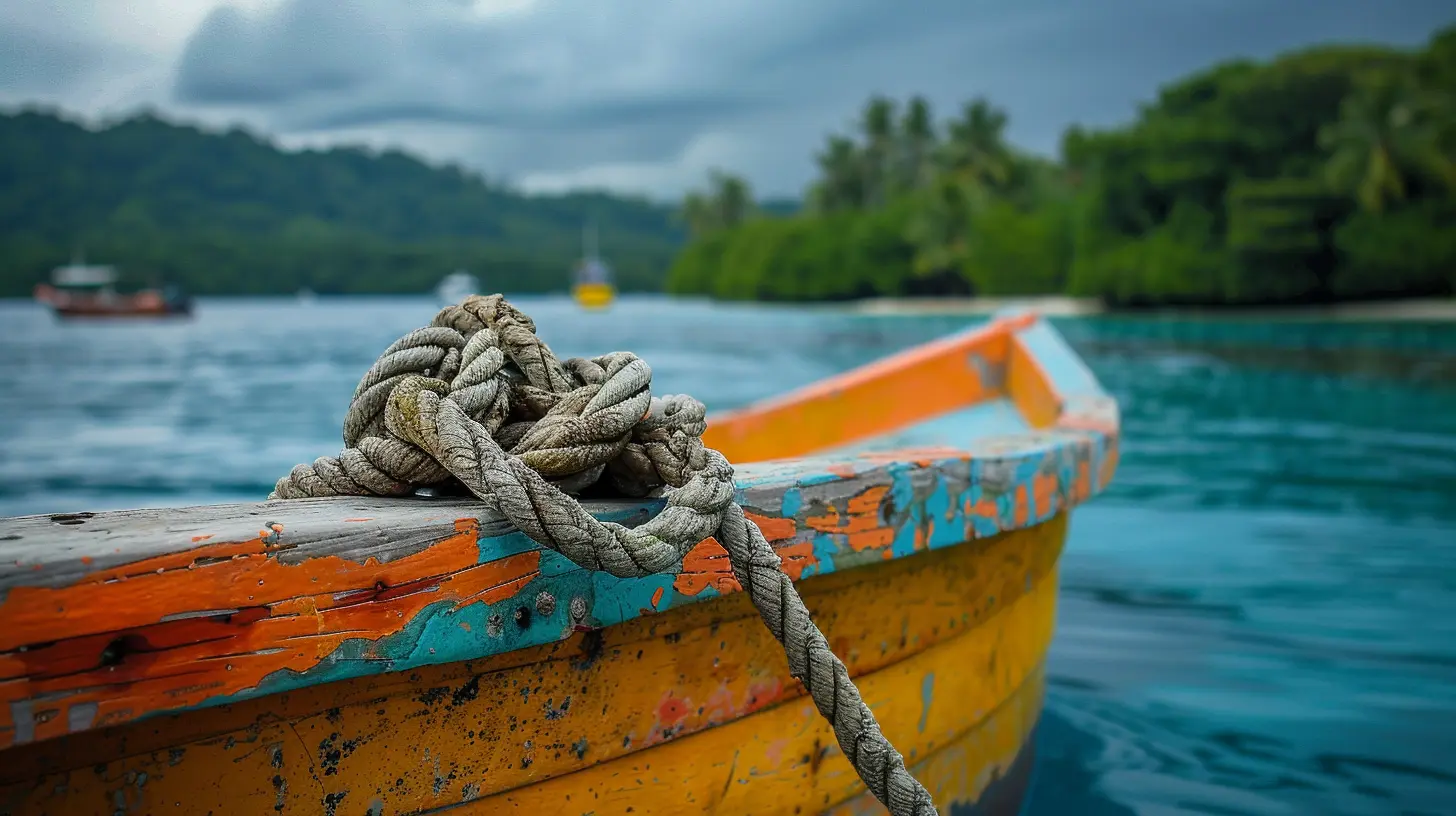
Let’s be honest—getting to the Solomon Islands isn’t exactly a breeze. There are no direct flights from North America or Europe. Most travelers transit through Brisbane, Fiji, or Papua New Guinea. But here’s the trade-off: once you get there, you’re rewarded with experiences that feel almost otherworldly.Traveling within the islands requires a spirit of adventure. Domestic flights? Tiny planes. Road trips? Think dirt tracks and river crossings. But every bump in the road leads to something unforgettable—be it a secret waterfall, a coconut plantation, or a beach with not a single footprint but yours.
A Playground for Nature Lovers
1. Rainforests That Whisper Secrets
If you’ve ever walked into a forest so thick and alive that it felt like it was breathing, you’ll understand the allure of the Solomons' rainforests. These ecosystems are ancient—millions of years older than you can wrap your head around.Hiking through the jungle trails of Kolombangara or Makira, you’ll be serenaded by calling birds and rustling leaves. It's not uncommon to stumble across a local guide who knows the names of every tree, every flower, and every legend tied to the land.
2. Underwater Worlds Beyond Imagination
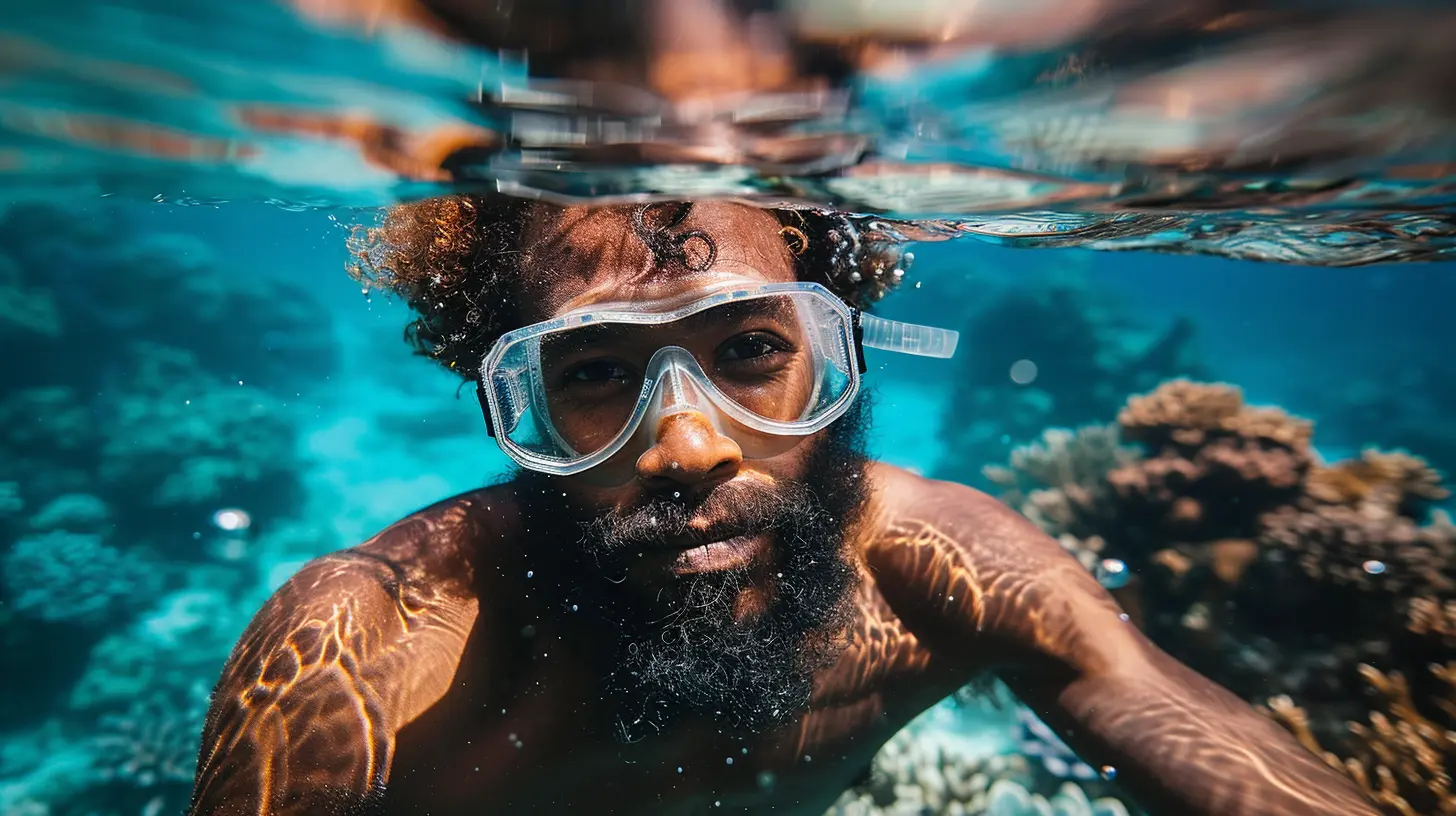
Forget the Great Barrier Reef. The Solomon Islands have some of the most pristine and diverse marine ecosystems on the planet—and without the crowds.Diving in places like Munda or Gizo is like flipping through a living encyclopedia of coral, fish, and sunken history. WWII wrecks rest peacefully on the sea floor, now home to colorful reef life. Whether you’re a seasoned diver or just learning to snorkel, the crystal-clear waters here are pure magic.
3. Volcanoes, Waterfalls, and Wild Rivers
For the thrill-seekers, the islands won’t disappoint. You can trek up active volcanoes like Tinakula (yes, a smoking mountain surrounded by ocean) or swim beneath cascading waterfalls tucked deep in the jungle.There’s something humbling about standing near a thundering waterfall or watching lava glow in the night sky. These aren’t just natural wonders—they’re reminders of just how alive the Earth really is.
Cultural Adventures With Heart
Meet the People, Not Just the Place
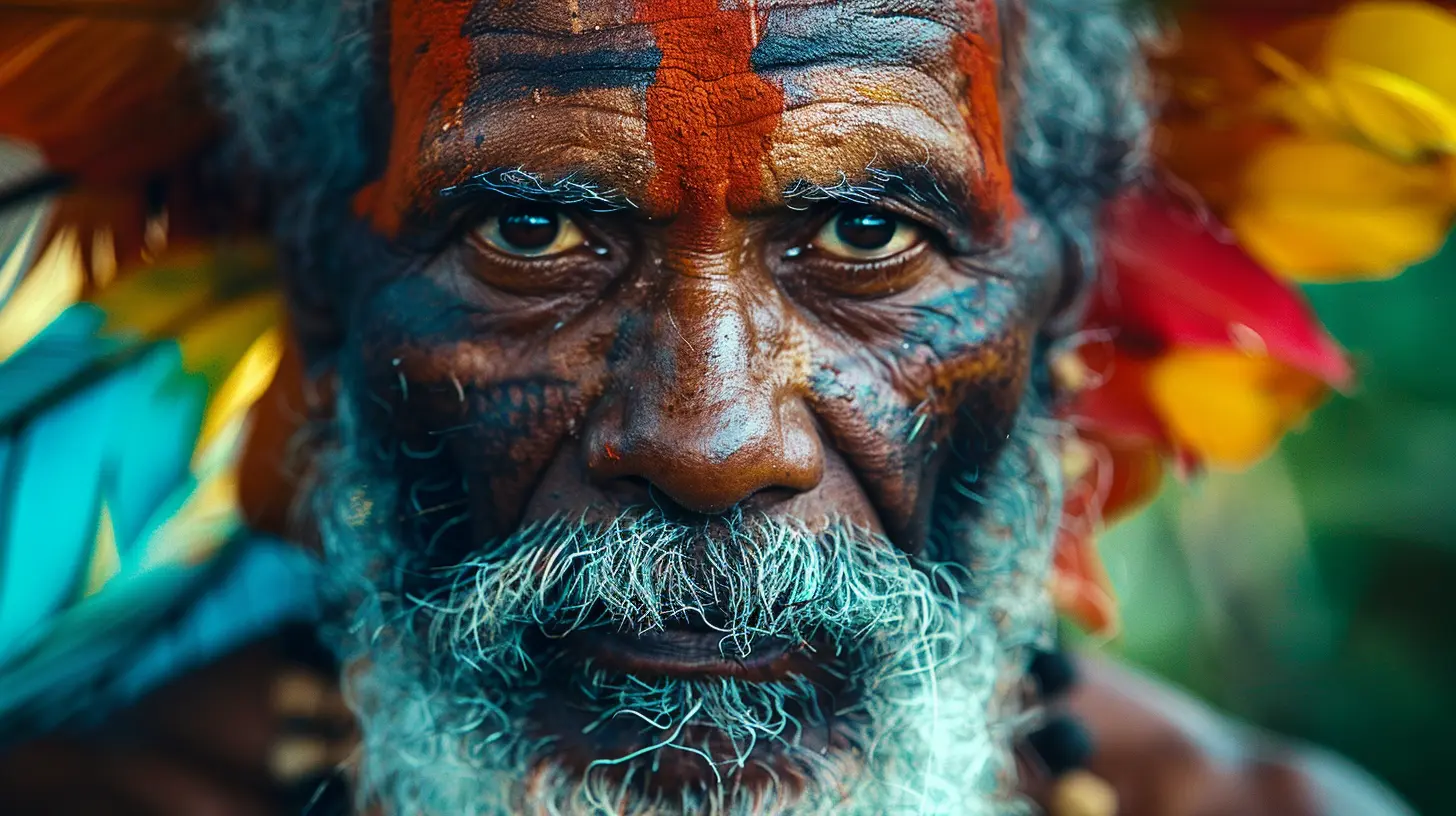
Here’s the truth: the most unforgettable part of my trip wasn’t the jungle hikes or the epic dives. It was the people.Solomon Islanders are warm, funny, and fiercely proud of their culture. Most still live in small villages, speaking over 70 different languages, and holding tight to traditions that have been passed down for generations.
You don’t come here to visit—you come here to connect. Sit down with a family, share some taro or fresh-caught fish, and listen. That’s when the magic happens.
Ancient Traditions That Still Breathe
Unlike many parts of the world where cultures have been swallowed by modern life, the Solomons still dance to their own rhythm. In villages, you'll still see traditional dances, hear bamboo panpipes, and witness ceremonies that date back centuries.It’s not a performance—it’s real life. And if you’re respectful, people are more than happy to invite you in.
Why The Solomon Islands Are Still A Hidden Gem
Let’s be real: not everyone will fall in love with the Solomons. If you’re looking for five-star resorts, fast WiFi, or air-conditioned tour buses, this probably isn’t your scene.But if you’re someone who craves authenticity—who’s okay with a cold shower if it means waking up to birdsong, or eating fried plantains with your hands by candlelight—then you’ll feel at home.
What makes the Solomon Islands unique is that they don’t try to be anything other than what they are. And that’s refreshing. In a world obsessed with curated Instagram posts and “top 10” lists, the Solomons are blissfully unbothered.
What to Pack (and What to Leave Behind)
If you’re serious about visiting, here’s some quick advice:- Pack light, breathable clothing (it’s humid!)
- Bring plenty of mosquito repellent
- Don’t forget water shoes or reef-safe sandals
- A solar charger for devices (power isn’t always reliable)
- Most importantly—bring an open mind
Leave behind rigid plans, entitlement, and expectations that everything will run on time. This is island time. Let go. You’ll enjoy it more.
Best Times to Visit
The Solomon Islands are warm year-round, but there are two main seasons: wet (November to April) and dry (May to October).The dry season is easier for travel and diving, but the wet season has its own charm—lush greenery, fewer travelers, and dramatic skies that make you feel like you’re in a movie.
Pick your own adventure based on what you want to see and do. Either way, you’ll come home with wild stories and a full heart.
Is It Safe?
This is a question I get a lot. The answer? Yes—with a few caveats.Like any off-the-grid destination, you should exercise common sense. Travel with a guide when venturing into remote areas, respect local customs, and stay aware of your surroundings. Island hospitality is genuine, but it’s always wise to have a local contact, especially when plans go sideways (and they will, trust me).
Pro Tip: Learn a Few Local Words
Even saying “hello” in Solomon Pijin—"Halo"—goes a long way. People appreciate the effort, and it opens doors you didn’t even know were there.A Few Final Reflections
If I had to sum up my time in the Solomon Islands in one word, it would be “humbling.”These islands reminded me that the world is still wild in places. That there are still communities not shaped by algorithms or likes. That nature, when left alone, thrives.
I didn’t leave the Solomons with a suitcase full of souvenirs. I left with sunburned shoulders, a scratched-up travel journal, a photo with a village chief, and a brand-new perspective on life.
So, would I recommend it? Only if you're ready for an actual, honest-to-goodness adventure. One that’s messy and beautiful and sometimes uncomfortable—but always unforgettable.
Truth is, the Solomon Islands don’t need tourism. They’ve gotten along just fine without it. But if you go with respect, curiosity, and an open heart? You’ll witness something rare: a place that still knows how to be itself.
all images in this post were generated using AI tools
Category:
Oceania TravelAuthor:
Winona Newman
Discussion
rate this article
2 comments
Ian Palmer
The Solomon Islands offer an unparalleled adventure for nature enthusiasts! With pristine beaches, vibrant coral reefs, and lush rainforests, this destination is a paradise for those seeking untouched beauty. Immerse yourself in the diverse wildlife and rich culture—truly a hidden gem for adventurous travelers!
April 9, 2026 at 4:37 PM
Winona Newman
Thank you for capturing the essence of the Solomon Islands! It truly is a breathtaking destination for those seeking adventure and natural beauty.
Pia Kim
Can't wait to explore the Solomon Islands' wonders!
April 3, 2026 at 5:02 PM
Winona Newman
You're in for an incredible experience! The beauty of the Solomon Islands is truly unmatched. Enjoy every moment!