Volunteering for Disaster Relief: Responding to Global Emergencies
21 January 2026
Disasters strike without warning—earthquakes shake cities, hurricanes batter coastlines, wildfires rage uncontrollably. When crisis hits, communities are left devastated, struggling to rebuild their lives. And guess what? This is where everyday heroes step in—volunteers ready to roll up their sleeves and make a difference.
But volunteering for disaster relief isn’t just about showing up. It’s about being prepared, knowing where your skills fit, and understanding the impact of your efforts. Ready to dive in? Let’s break down what it takes to respond when the world needs you most. 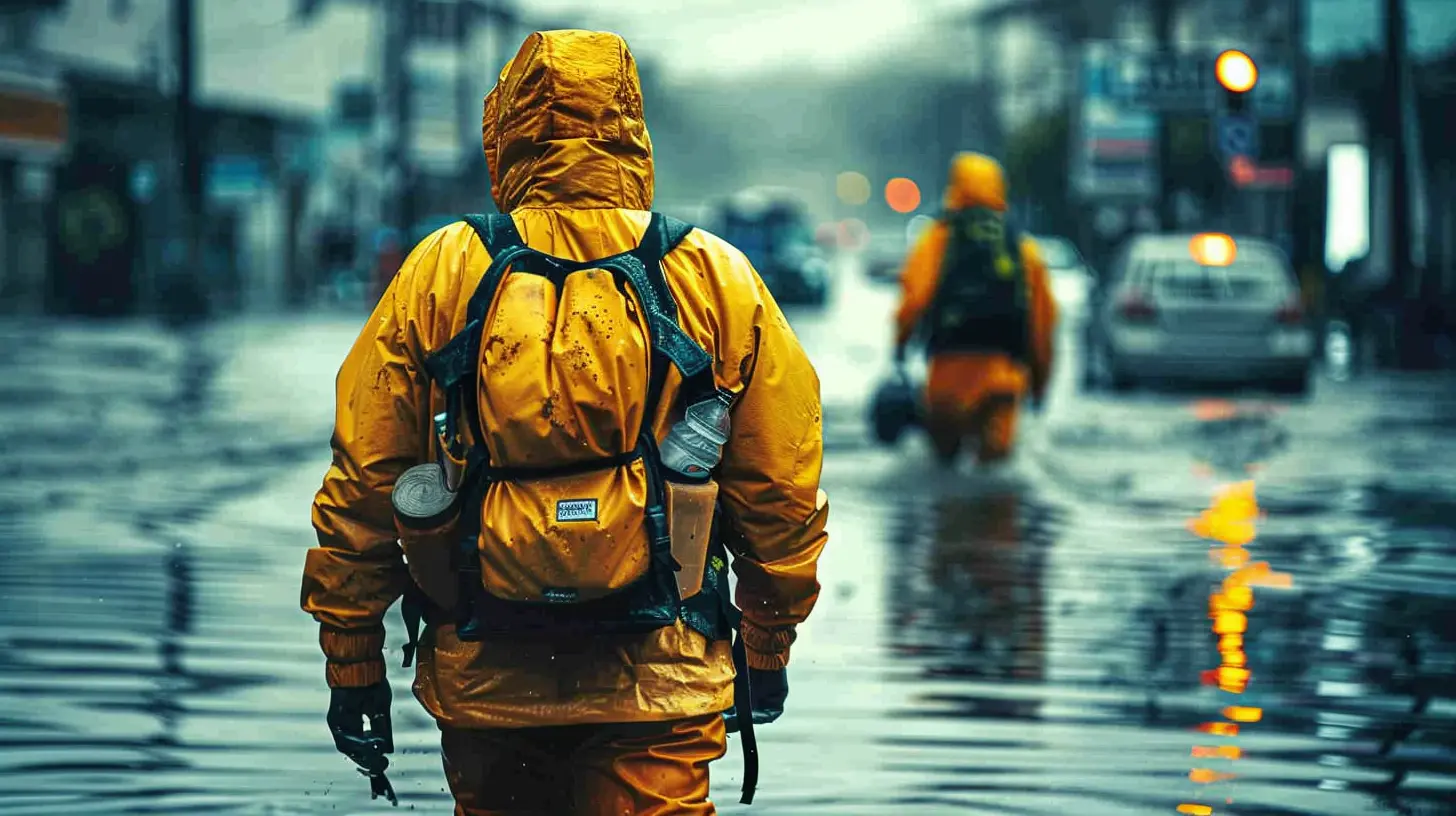
Why Disaster Relief Volunteers Matter
Imagine losing everything overnight—your home, your belongings, even access to clean water. Now, imagine someone showing up to help. Feels like a lifeline, right? That’s exactly what disaster relief volunteers provide.Governments and aid organizations work hard, but they can’t do it alone. Volunteers fill the gaps, offering manpower, expertise, and compassion. Whether it’s clearing debris, serving meals, or providing medical aid, every act of service counts.
And here’s the kicker: It’s not just about physical help. In times of crisis, emotional support is just as crucial. A kind word, a reassuring presence—sometimes, that’s all someone needs to keep pushing forward. 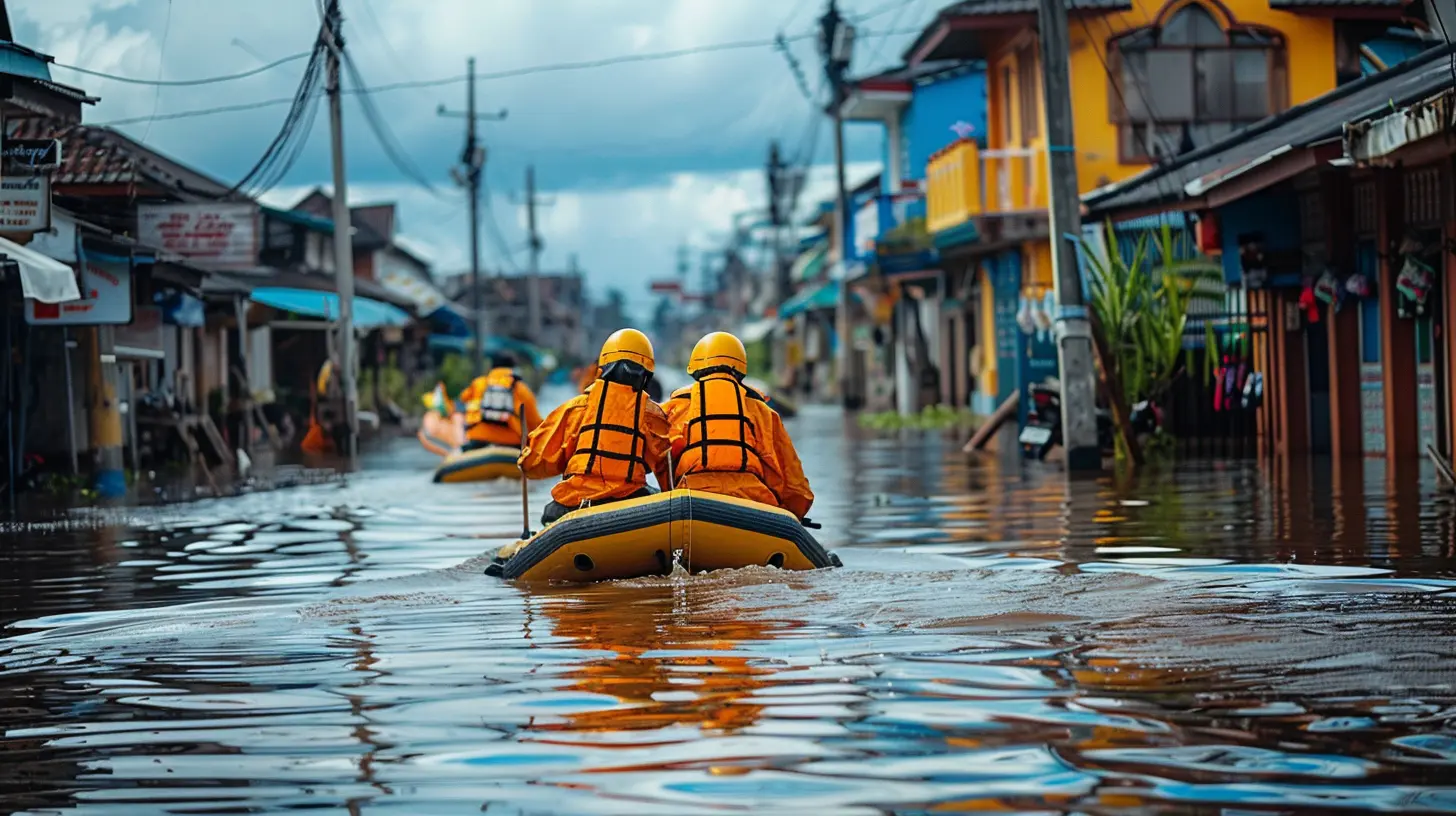
Types of Disaster Relief Volunteering
Not all heroes wear capes. Some wear hard hats, others carry medical kits, and some simply lend a listening ear. Disaster relief has many layers, and volunteers can help in different ways. Let’s break it down:1. Emergency Responders
These folks are the first boots on the ground. They rescue trapped victims, provide first aid, and distribute emergency supplies. Firefighters, paramedics, search-and-rescue teams—these are the frontline warriors.2. Medical Volunteers
Health crises explode after disasters—diseases spread, injuries pile up, and hospitals overflow. Medical volunteers step in to provide care, from stitching wounds to administering vaccines. If you’re a doctor, nurse, or even a medical student, your skills are invaluable.3. Logistics and Supply Chain Support
Ever wondered how aid reaches disaster zones? It's not magic—it’s logistics. Volunteers help transport food, water, and medical supplies, ensuring they get to the right people at the right time.4. Reconstruction and Cleanup Crews
Once the dust settles, the real work begins. Volunteers help rebuild homes, schools, and infrastructure. They clear debris, fix roofs, and restore a sense of normalcy. It’s hard work, but the reward? Seeing families move back into their homes.5. Psychological and Social Support
Natural disasters don’t just destroy buildings—they shatter lives. Many survivors struggle with trauma, anxiety, and grief. Volunteers trained in mental health support help people cope, offering comfort and counseling.6. Fundraising and Advocacy
Not everyone can travel to disaster zones, but that doesn’t mean they can’t help. Volunteers can organize fundraisers, spread awareness, and advocate for better disaster preparedness. Money and resources can be just as powerful as manpower.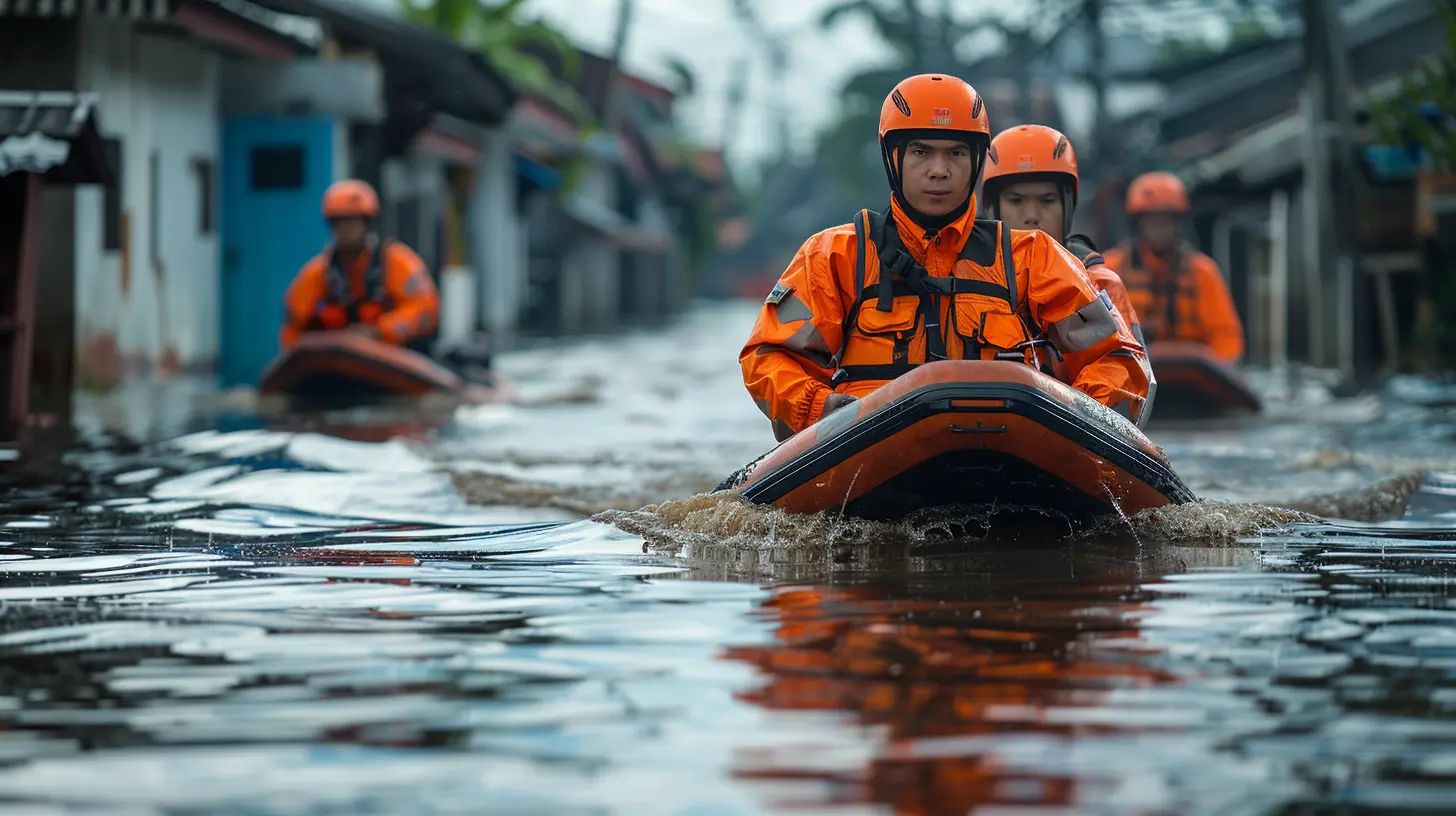
How to Get Started as a Disaster Relief Volunteer
So, you’re fired up and ready to help. But where do you start?1. Assess Your Skills and Interests
Are you good with your hands? Do you have medical training? Are you a strong communicator? Finding the right role is key. The best volunteers aren’t just willing—they’re effective.2. Get Proper Training
Disaster zones aren’t the place for trial and error. Many organizations offer training programs to teach crisis response, first aid, and logistics management. Groups like the Red Cross, Team Rubicon, and World Central Kitchen provide excellent training opportunities.3. Connect with a Reputable Organization
Not all aid groups are created equal. Do your research and partner with organizations that have solid reputations. Some of the most respected include:- Red Cross & Red Crescent
- Doctors Without Borders
- Habitat for Humanity
- Direct Relief
4. Prepare for Deployment
Disaster zones can be chaotic. Pack smart. Think sturdy boots, first aid kits, and essentials like flashlights and gloves. And mentally? Prepare for tough sights and emotional challenges.5. Stay Flexible and Resilient
No two disasters are alike. Plans change. Situations escalate. Being adaptable is crucial. The best volunteers roll with the punches and find solutions on the fly.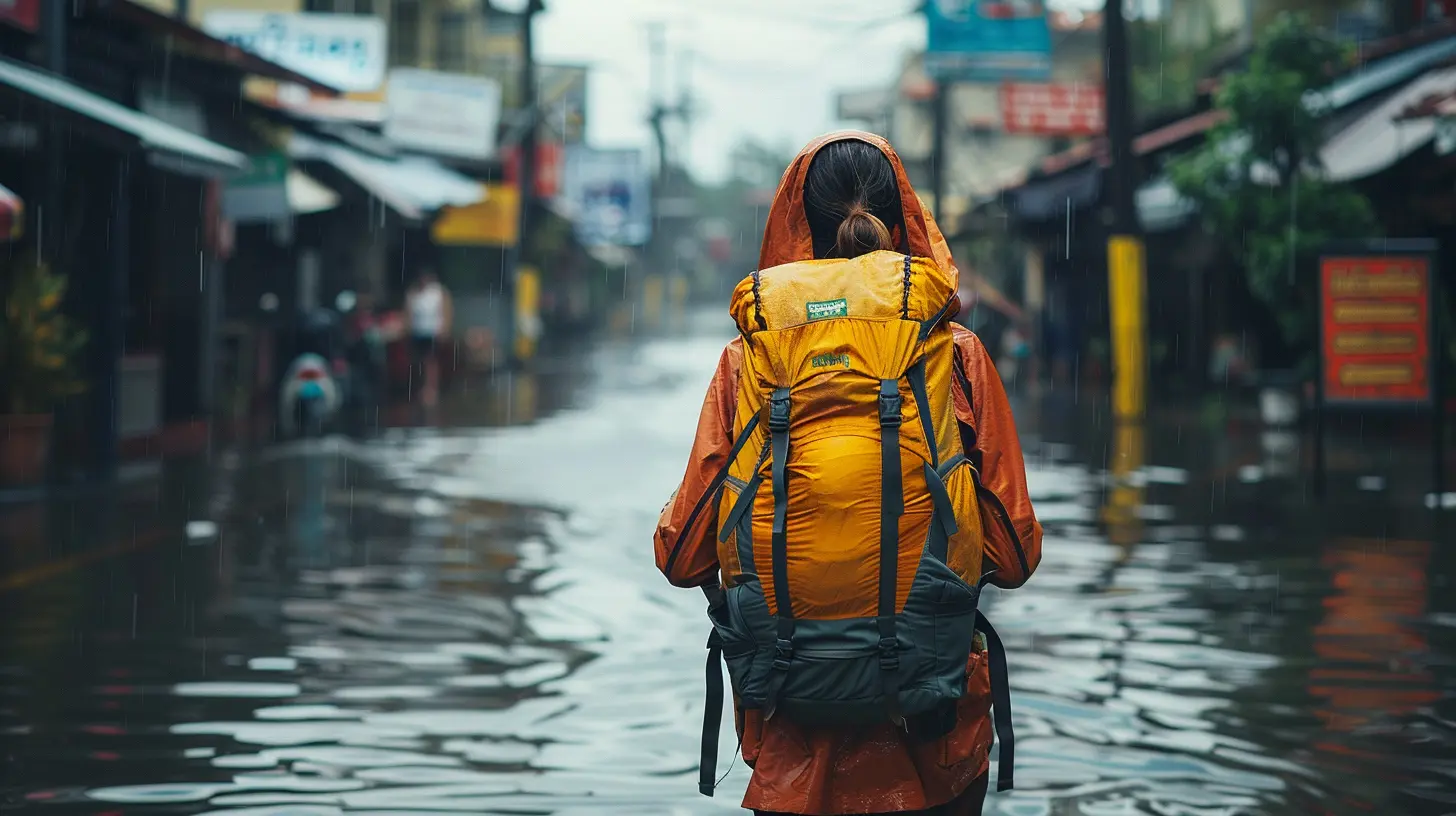
Challenges of Disaster Relief Volunteering
Alright, let’s be real—it’s not all sunshine and hero moments. Disaster relief work is tough.1. Emotional Toll
Seeing loss up close? It’s gut-wrenching. Volunteers often struggle with emotional exhaustion. That’s why self-care is just as important as caring for others.2. Physical Demands
Hot, cold, wet, exhausted—get ready for all of it. Relief work isn’t for the faint-hearted. Whether you're hauling supplies or wading through floodwaters, your body takes a beating.3. Safety Risks
Disaster zones are unpredictable. Unstable buildings, disease outbreaks, and aftershocks—volunteers face real risks. That’s why training and preparation are so critical.4. Logistics Nightmares
Ever tried coordinating aid in the middle of a crisis? It’s chaos. Flights get canceled, supplies run out, roads get blocked. Flexibility and patience are key.The Impact of Disaster Relief Volunteers
For every volunteer effort, there’s a life changed. A child fed. A family sheltered. A community rebuilt.Think about it—after Hurricane Katrina, volunteers helped rebuild thousands of homes. Following the Nepal earthquake, relief workers provided critical medical care. When COVID-19 hit, volunteers delivered food and PPE to those in need.
Change starts with action. And sometimes, the smallest acts—handing out a blanket, giving someone a meal—can mean the world to a person who has lost everything.
Is Disaster Relief Volunteering Right for You?
Now, here’s the million-dollar question: Is this work for you?If you’re compassionate, adaptable, and willing to work hard, the answer is probably yes. Disaster relief isn’t a volunteer vacation—it’s demanding, messy, and emotionally intense. But it's also one of the most rewarding ways to give back.
And the best part? You don’t have to wait for the next big catastrophe to start helping. Get trained, support local relief efforts, or advocate for better disaster preparedness now. When a crisis hits, you’ll be ready to jump in and make a real difference.
Final Thoughts
Volunteering for disaster relief is a calling—it’s about showing up when the world needs you most. Whether you're on the ground or supporting from afar, every effort matters.So, if you're ready to get involved, don’t wait. The next disaster could happen tomorrow, and when it does, communities will need people like you to step up.
Are you in?
all images in this post were generated using AI tools
Category:
Volunteer TravelAuthor:

Winona Newman
Discussion
rate this article
2 comments
Natalia Dillon
Volunteering for disaster relief not only changes lives but also transforms your own. Every effort counts, and your compassion can be the light in someone’s darkest hour. Join the mission and make a difference today!
February 14, 2026 at 3:26 PM
Winona Newman
Thank you for highlighting the profound impact of volunteering! Every small act of kindness truly makes a difference, both for those in need and for the volunteers themselves. Let's inspire more people to join this vital mission!
Candice McLain
This article brilliantly highlights the vital role of volunteers in disaster relief. It's inspiring to see how ordinary people can make a significant impact during global emergencies. Awareness and action are essential!
January 22, 2026 at 5:52 PM
Winona Newman
Thank you for your kind words! I’m glad you found the article inspiring and appreciate your recognition of the crucial role volunteers play in disaster relief.