From Sacred to Secular: The Blurring Boundaries of Festival Rituals
6 January 2026
Festivals are something we all look forward to, right? They're bursts of joy in a usually predictable calendar, giving us reasons to dress up, gather with loved ones, and soak in a little magic. But have you ever noticed how some ancient, deeply spiritual festivals have started to feel more like trendy cultural events? This isn't a new phenomenon—it’s been happening slowly, but surely.
Today, let’s talk about the fascinating journey of festivals traveling from the sacred spaces of temples and mosques to the buzzing streets of parades, commercial ads, and Instagram feeds. It's a tale of transformation, adaptation, and sometimes, even identity crisis.
What Exactly Are Festival Rituals?
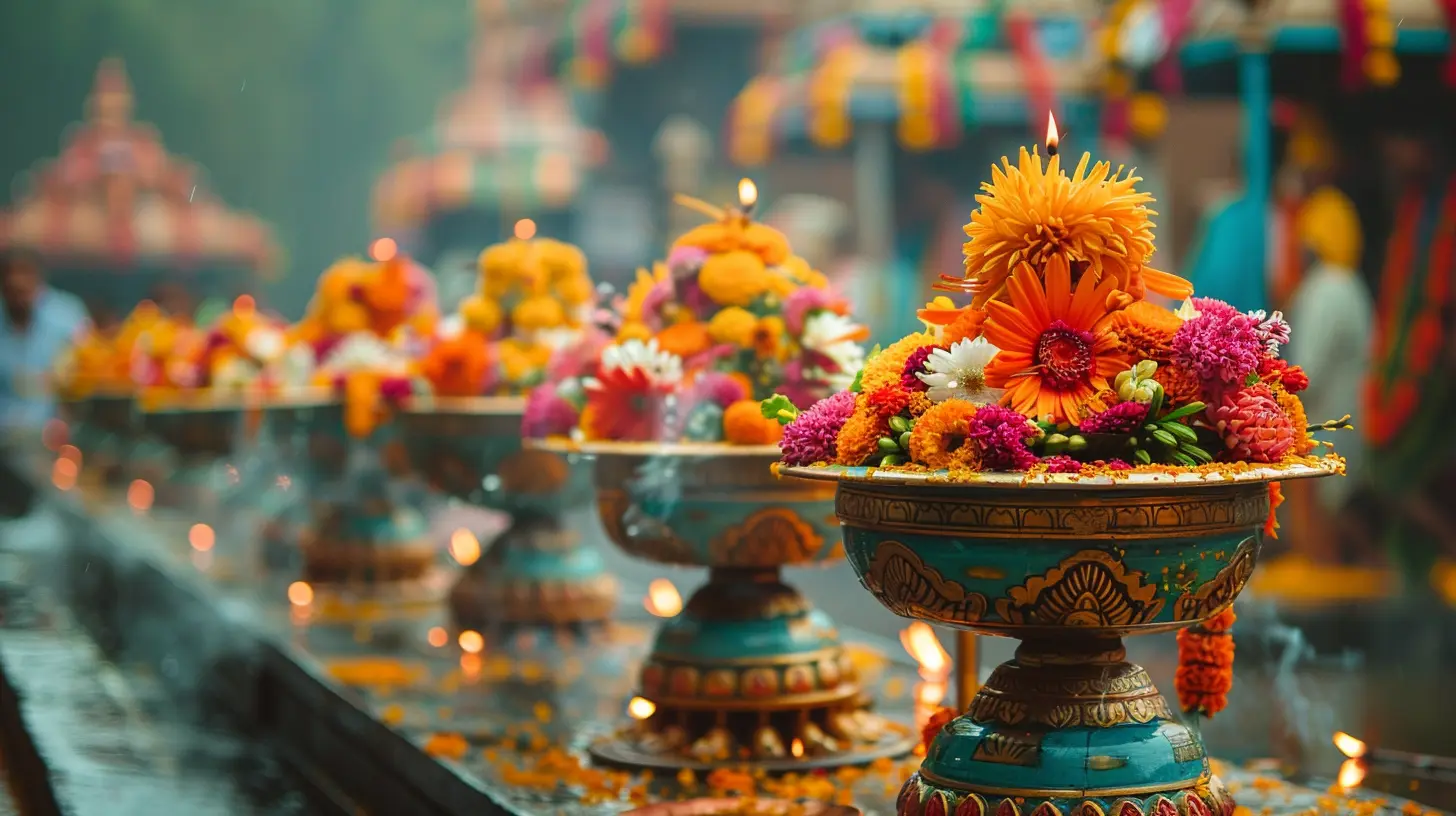
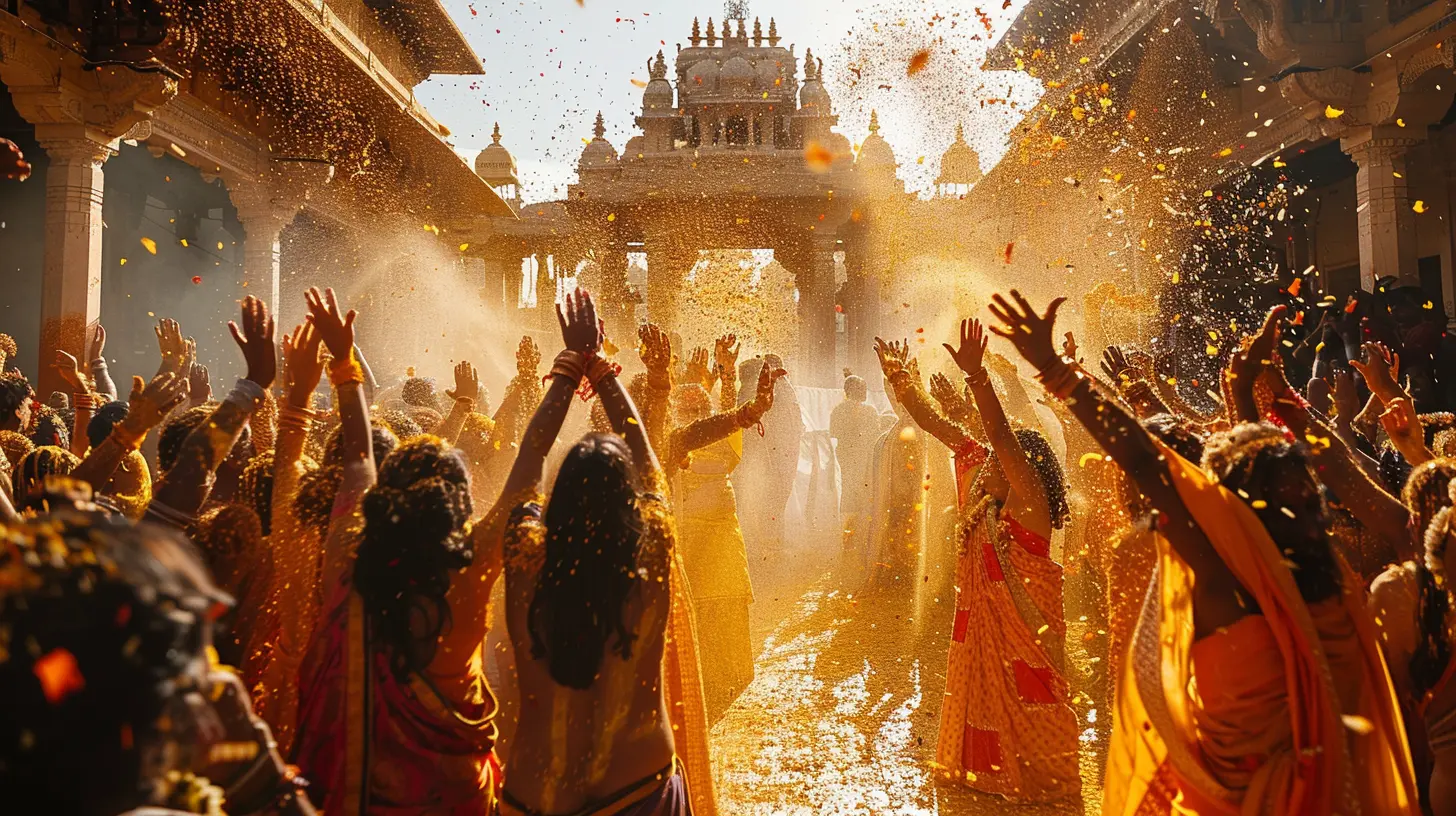
Let’s break it down a bit. A “ritual” in its purest form is a set of actions performed for their symbolic value, often rooted deeply in religion or tradition. Think of lighting a candle at Christmas, throwing colors during Holi, or fasting during Ramadan. These acts aren't just for fun—they have spiritual weight.But festivals aren't just about rituals; they're layered experiences. There's the sacred bit—connecting to gods, ancestors, or spiritual beliefs. Then there's the communal vibe—family gatherings, shared meals, and storytelling. And of course, there's the fun—dancing, food, fireworks, and all the glitter and glam that comes with celebrations.
The question is: what happens when the sacred gets blended with the secular?
From Ancient Altars to Modern Main Streets
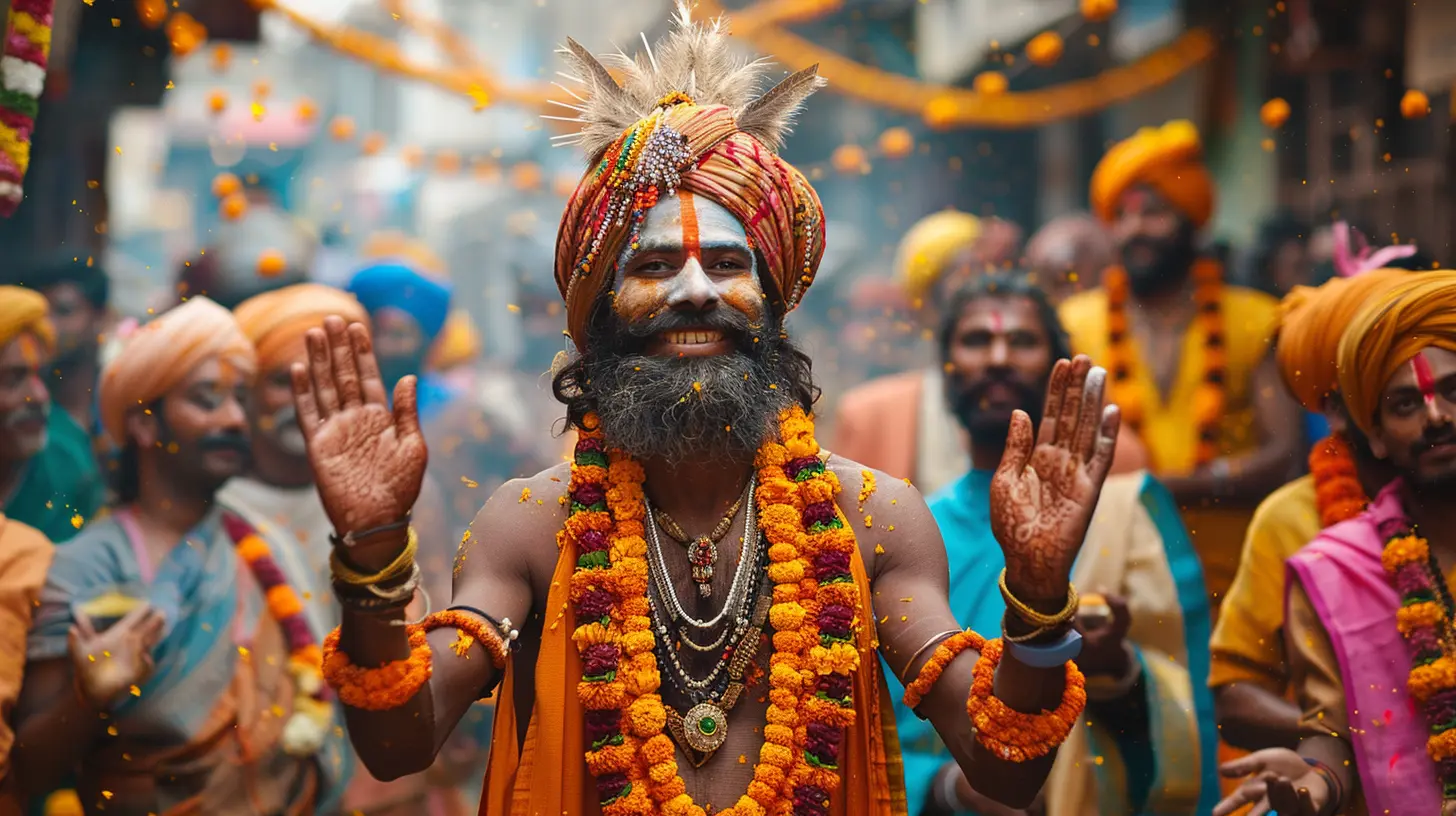
Originally, most festivals had a religious or spiritual core. They were meant for honoring deities, celebrating harvests, or marking seasonal changes. Fast forward to today, and while many festivals still hold onto their roots, others look like a cross between a music concert and a food fair.Take Christmas. Originally a celebration of the birth of Jesus Christ, it's now also about Santa, gifts, shopping deals, and family dinners—even for people who don’t identify as Christian.
Or look at Diwali. Once a spiritual celebration of Lord Rama’s return to Ayodhya, it now includes grand parties, poker nights, and luxury brand campaigns.
Have we lost the plot? Not really. But the plot has definitely thickened.
Why Are Sacred Festivals Becoming Secular?
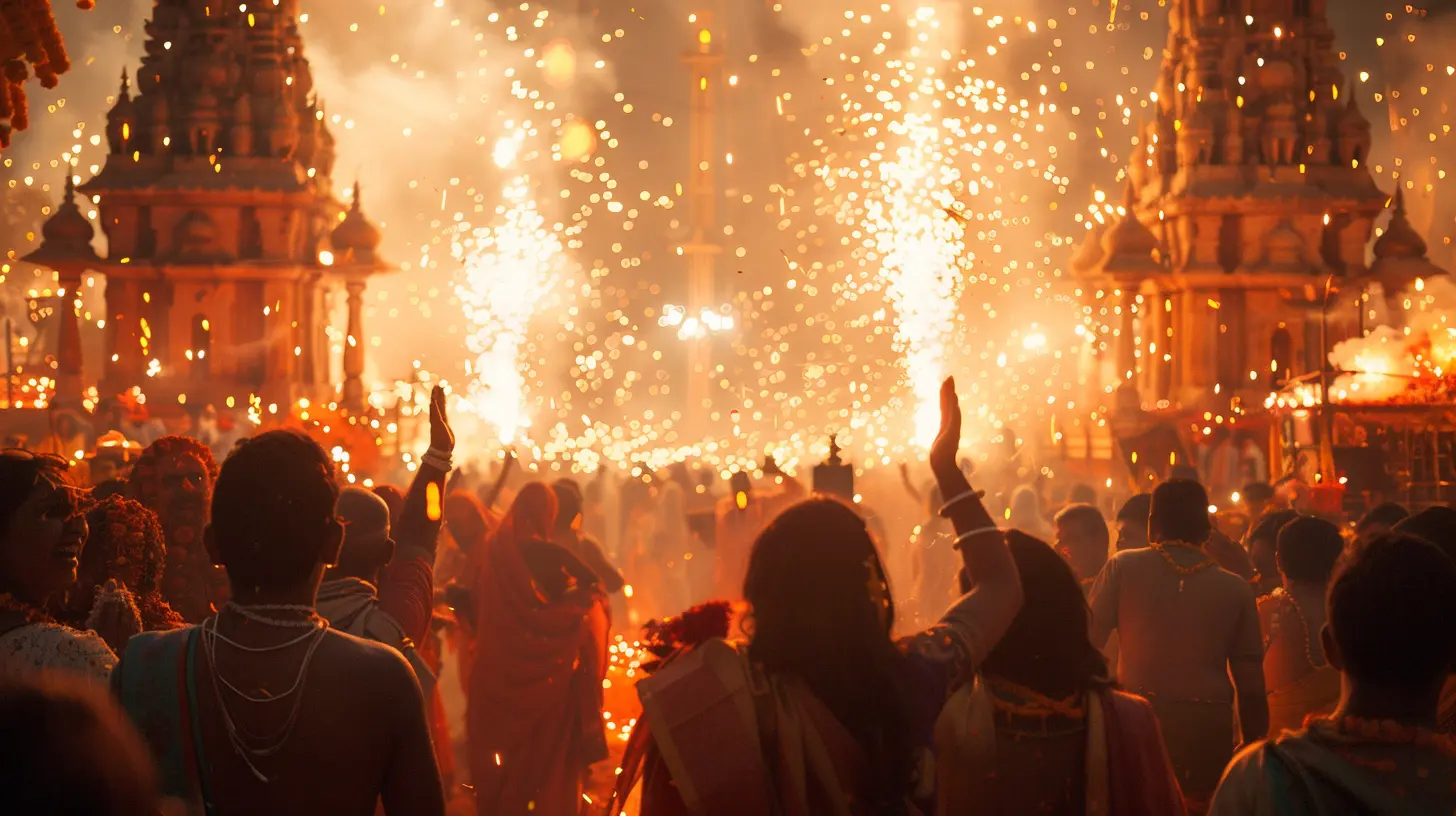
That's the million-dollar question. And the answer? It's a mix of reasons—some cultural, some economic, and some driven by good ol’ human nature.1. Globalization and Cultural Exchange
We live in a world where TikTok trends travel faster than the speed of light. Cultures are mingling, and so are their festivals. As people migrate, they bring their festivals with them. Over time, these festivals start blending in with local customs and lose some of their original sacredness.Ever seen a Holi party in New York or Oktoberfest in Tokyo? Chances are, the spiritual or traditional meanings are taking a backseat to the music, drinks, and colorful photos.
2. Commercialization
Let’s be honest—brands love festivals. It’s the perfect time to sell products, run promotions, and grab consumer attention. And in the process, the spiritual essence often gets overshadowed by commercial goals.Valentine’s Day, anyone? From a day honoring a saint to a full-blown retail bonanza centered around chocolates and roses, this is commercialization at its best—or worst, depending on how you see it.
3. Media and Technology
Social media is a festival amplifier. It gives traditions visibility but also flattens their depth. When rituals are recorded, filtered, captioned, and hashtagged, they sometimes lose their authenticity.Ever caught yourself taking a selfie while lighting a Diwali diya instead of actually focusing on the prayer? Yeah, same.
4. Generational Shifts
Younger generations often crave meaning but in different ways. They want to celebrate traditions, but without rigid rules. They’re open to cultural mashups and reinterpretations.It’s less about fasting because it's obligatory and more about choosing ritual practices that feel personally meaningful. The sacred becomes subjective.
The Double-Edged Sword of Secularization
Let’s not start pointing fingers just yet. This shift isn’t all bad. In fact, there are some pretty uplifting side effects.The Positives:
- Wider Participation: Secular festivals are more inclusive. You don’t have to be Hindu to enjoy Diwali or Irish to dress up for St. Patrick’s Day. That’s cultural appreciation at its best.- Creative Expression: When rituals evolve, they open the doors for newer forms of celebration—fusion foods, hybrid music, multicultural events. It’s like remixing your favorite song with a new vibe.
- Economic Boost: Tourism, local businesses, artists, and craftsmen benefit massively from festivals. A more secular festival often equals more foot traffic and engagement.
The Challenges:
- Loss of Original Meaning: When sacred symbols get repackaged into merchandise, the spiritual essence can get diluted.- Cultural Appropriation: Blurring lines can sometimes lead to misrepresentation or exploitation of sacred traditions.
- Shallow Celebrations: Without understanding the why behind a ritual, festivals risk becoming hollow spectacles.
Can Sacred Coexist With Secular?
Absolutely. It's not about choosing one over the other. It’s about balance—honoring the roots while embracing the branches that grow.Let’s look at Japan's Hanami (cherry blossom festival). While it has Shinto and Buddhist undertones, it’s also a national pastime that blends spirituality with meaningless picnics—and yet, it never loses its charm.
Or how about Thanksgiving in the US? Steeped in history, it’s evolved from a religious harvest celebration to a family-and-food-centric holiday. Still, the core value of gratitude remains.
What we’re seeing is evolution, not extinction.
How Can We Keep the Spirit Alive?
It’s really up to us. Every choice we make—how we participate, what we teach our kids, what we share online—shapes the future of festival culture.Here’s a few things you can try:
- Dig Deeper – Learn the story behind the rituals. You don’t have to be religious to appreciate the meaning.
- Celebrate Mindfully – Enjoy the colors, food, and music, but take a moment to reflect on the origins.
- Support Authenticity – Choose experiences, products, and content that honor tradition, especially if they come from local artisans and native voices.
- Be Inclusive, Not Appropriative – Invite others into your cultural celebrations, but also respect theirs.
The Role of Tourism in This Shift
Tourism is probably one of the biggest reasons why festivals have become more secular. When cities or governments promote festivals to attract visitors, they often highlight the spectacle over the sacred.Take Rio Carnival, for instance. What began as a Catholic feast has turned into the world’s biggest party. Tourists pour in for the music and dancing, and most hardly know the religious origins. But guess what? That doesn’t have to be a bad thing.
As long as local communities are respected and involved, tourism can actually help preserve rituals by giving them a platform and economic support.
Festivals like India’s Kumbh Mela or Bhutan’s Paro Tshechu are still deeply spiritual but also welcome tourists. The key here is cultural sensitivity.
One World, Many Celebrations
Here’s the thing: humanity has always celebrated—life, death, seasons, wins, gods, even just the joy of being alive. The form may change, but the desire to connect, reflect, and rejoice never fades.So whether you’re dancing in the streets of New Orleans for Mardi Gras or lighting a lantern in Chiang Mai, remember that you're part of something ancient and evolving. Something sacred that’s found a new rhythm in a secular world.
And maybe that’s the real beauty of it all.
Final Thoughts: A Festival for Everyone
The transformation of festival rituals from sacred to secular isn’t a tragedy—it’s a testament to how resilient and adaptable culture is. Yes, we should honor the roots. Yes, we must preserve meaning. But we should also make room for joy, creativity, and connection—no matter what form they take.So next time you're at a festival, ask yourself: Am I just here for the gram, or am I also here for the grace? Balance both, and you'll celebrate something truly meaningful.
all images in this post were generated using AI tools
Category:
Cultural FestivalsAuthor:

Winona Newman
Discussion
rate this article
2 comments
Vireo Kline
What a delightful read! Festivals are like a buffet of traditions—one moment you're savoring sacred rituals, and the next you're dancing like nobody's watching! It's fascinating how these vibrant celebrations evolve, blending the divine with the downright fun. Bring on the confetti! 🎉
February 1, 2026 at 5:11 AM
Winona Newman
Thank you for your lovely comment! I'm glad you enjoyed the exploration of how festivals beautifully meld sacred and fun traditions. 🎉
Tracie Fields
What an intriguing exploration of festival rituals! I'm fascinated by how sacred traditions evolve into secular celebrations. How do these shifts impact community identity and cultural heritage in different regions? I'd love to learn more!
January 13, 2026 at 4:28 AM
Winona Newman
Thank you for your interest! The evolution from sacred to secular rituals often reflects changing community values and identities, allowing for broader participation while preserving cultural heritage. These shifts can strengthen community bonds and foster inclusivity, though they may also lead to tensions over cultural authenticity. I appreciate your curiosity and would be happy to explore this further!