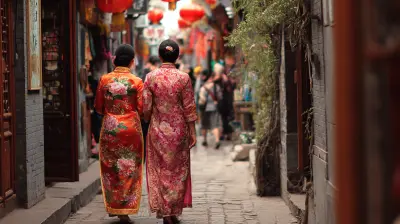
Understanding the Impact of Short-Term Volunteer Programs
3 August 2026
Volunteering has always been one of the most fulfilling ways to give back to society, but short-term volunteer programs take it to another level. Whether you're spending a week teaching English in Cambodia or helping with wildlife conservation in Costa Rica, these programs offer a chance to make an impact while experiencing new cultures.
But how significant is that impact? And are short-term volunteer programs truly beneficial, or do they sometimes do more harm than good? Let’s break it all down. 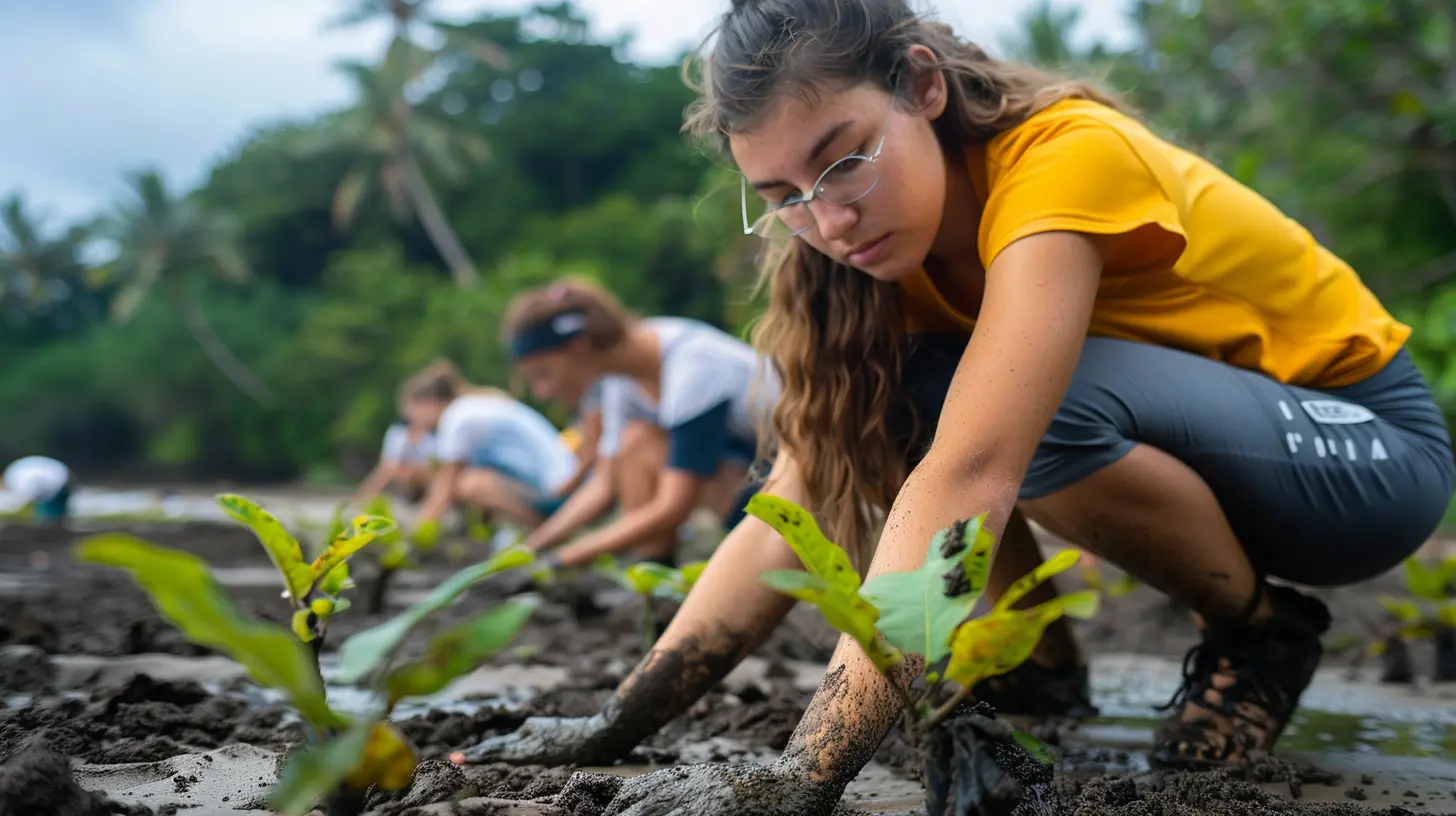
What Are Short-Term Volunteer Programs?
Short-term volunteer programs typically last anywhere from a few days to a few months. They’re designed for people who want to contribute their time and skills to a cause without committing long-term.These programs cover a wide range of activities, such as:
- Teaching and education initiatives
- Environmental conservation
- Community development projects
- Disaster relief efforts
- Animal welfare and rescue efforts
Many travelers combine volunteer work with tourism, calling it "voluntourism." But the question remains: are these programs truly impactful, or are they just feel-good experiences? 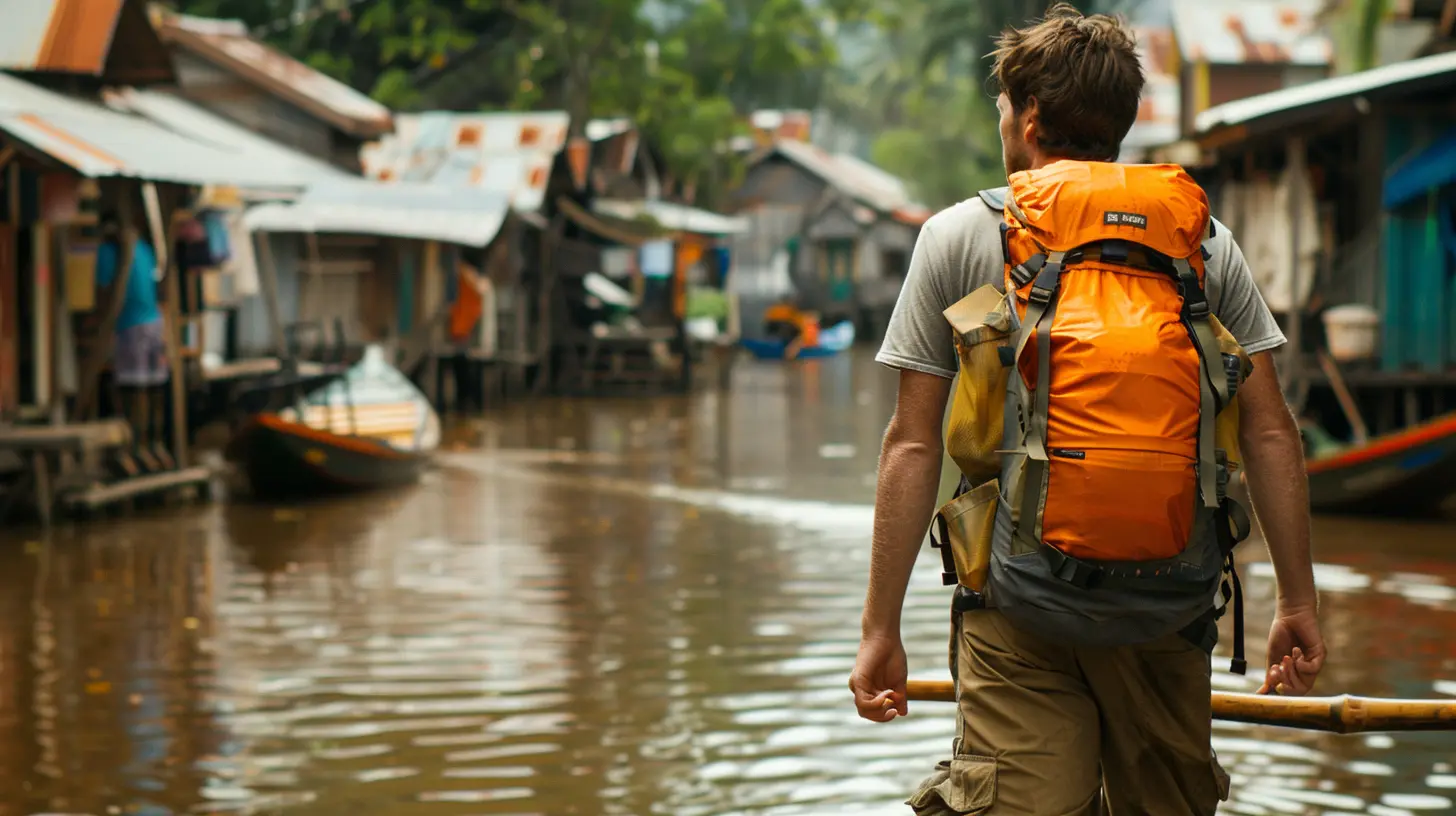
The Positive Impacts of Short-Term Volunteer Programs
1. Making an Immediate Difference
Even a short amount of time can contribute to something bigger. Imagine mentoring a child struggling with basic English or assisting in rebuilding homes after a natural disaster. While long-term efforts are vital, short-term initiatives often provide the extra hands needed for urgent projects.2. Encouraging More People To Get Involved
Not everyone has the luxury of dedicating months or years to volunteering. Short-term programs lower the barrier to entry, allowing more people to participate in meaningful initiatives. Sometimes, these short experiences spark a lifelong passion for volunteer work.3. Providing a Boost to Local Communities
Many short-term volunteer programs inject financial and human resources into local communities. Volunteers often pay program fees, which help fund local projects, support staff salaries, and improve infrastructure. This, in turn, contributes to the local economy.4. Cultural Exchange and Mutual Growth
Volunteering abroad is a two-way street. While volunteers help with specific projects, they also gain invaluable cultural insights and broaden their worldviews. Similarly, locals interact with people from different backgrounds, creating opportunities for cultural exchange and learning.
The Challenges and Criticism of Short-Term Volunteering
While short-term volunteer programs offer benefits, they also have their fair share of challenges. It’s important to acknowledge these so we can work towards better impact-driven solutions.1. Lack of Long-Term Sustainability
One of the biggest criticisms is that short-term efforts may not lead to long-term change. Imagine teaching a group of children for just two weeks—can that really make a lasting impact on their education? Without a structured, ongoing approach, short-term programs may not lead to sustainable progress.2. The Issue of "Voluntourism"
Some critics argue that voluntourism can sometimes do more harm than good, especially when it prioritizes the volunteer’s experience over the community’s actual needs. In some cases, organizations may create unnecessary projects just to attract paying volunteers rather than genuinely addressing local issues.3. Skills Mismatch
Not all volunteers have the expertise needed for the roles they take on. For example, a well-meaning traveler with no medical background may not be equipped to provide healthcare assistance. This can lead to ineffective solutions or, in worst cases, more harm than good.4. Dependency on Volunteers
Relying too much on short-term volunteers can sometimes disrupt local economies. If volunteers consistently take on roles that could be filled by local workers, it may inadvertently reduce job opportunities for locals.
How to Ensure Short-Term Volunteer Programs Create a Positive Impact
Short-term volunteer programs aren’t inherently good or bad—it all comes down to how they are structured and executed. Here are some ways to ensure they leave a meaningful impact:1. Choose Reputable Organizations
Before signing up, research organizations that prioritize sustainable, ethical practices. Look for those that work closely with local communities to identify actual needs rather than offering generic, feel-good opportunities.2. Prioritize Skill-Based Volunteering
If you have a specialized skill—whether it’s teaching, medical training, or construction—opt for programs that align with your expertise. This ensures that the time you spend actually benefits the cause in a meaningful way.3. Focus on Supporting Long-Term Projects
Even if you're only volunteering short-term, try to contribute to a project that has ongoing initiatives. This way, your efforts build upon an existing foundation rather than starting and stopping abruptly.4. Be Culturally Respectful and Open-Minded
Volunteering isn’t just about giving—it’s also about learning. Approach the experience with humility, an open heart, and a willingness to listen. Respect local customs, traditions, and ways of life.5. Continue Supporting the Cause After You Leave
Your impact doesn’t have to end the moment you leave.- Stay in touch with the organization
- Raise awareness about the cause
- Donate or fundraise for ongoing efforts
Consistent engagement helps ensure long-term sustainability even if your physical presence is temporary.
The Personal Growth Aspect of Volunteering
Let’s not forget that volunteering isn’t just about positive change for communities—it’s also about personal transformation.1. Building a Strong Sense of Purpose
There’s nothing quite like the feeling of knowing you’ve made a difference. It helps boost self-confidence, reduces stress, and fosters a deeper sense of purpose.2. Developing Global Awareness
Volunteering abroad opens your eyes to different ways of living. It challenges preconceived notions and deepens empathy, making you more aware of global issues.3. Strengthening Leadership and Problem-Solving Skills
Whether you're coordinating activities or finding creative solutions, volunteering pushes you outside your comfort zone. These experiences develop leadership, communication, and teamwork skills—valuable assets in all areas of life.Final Thoughts
Short-term volunteer programs can be powerful tools for change when done the right way. While they’re not a magic fix for the world’s problems, they can play a significant role in supporting communities, fostering cross-cultural understanding, and inspiring long-term change.If you’re thinking about joining a volunteer program, go for it—but do so mindfully. Choose ethical programs, use your skills wisely, and remember that real impact goes beyond just a few days of service. Sometimes, the best way to help is to listen, learn, and support initiatives that empower locals in the long run.
If you approach it with the right mindset, a short-term volunteer experience won’t just change the lives of others—it’ll change yours, too.
all images in this post were generated using AI tools
Category:
Volunteer TravelAuthor:

Winona Newman