Traveling for Good: Volunteering with Underprivileged Communities
11 June 2026
Travel isn’t just about ticking places off your bucket list or snapping Insta-worthy shots. Imagine if your journey could leave a lasting impact—not just on you, but on the people you meet along the way. Volunteering while traveling gives you that chance.
Instead of just being a tourist, why not be a changemaker? When you travel for good, you exchange selfies for deeper connections, sightseeing for meaningful work, and souvenirs for life-changing experiences. Let’s get into how you can make a difference by volunteering with underprivileged communities while still feeding your wanderlust. 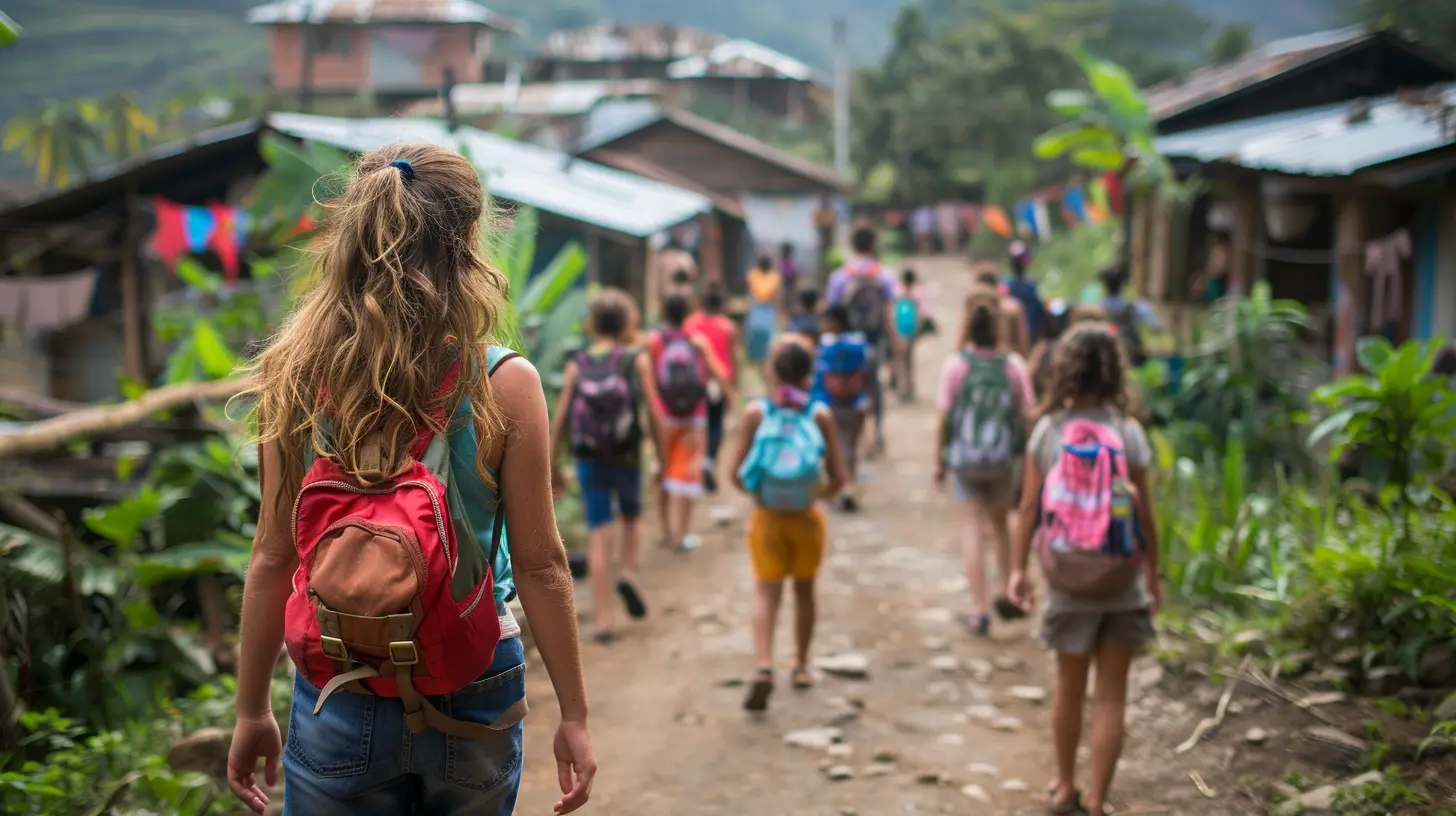
Why Volunteer While Traveling?
Most of us travel to escape, to experience something new, or to find ourselves. But what if travel could also be about giving back?Volunteering while traveling allows you to:
✔️ Make a real impact – Your skills, time, and energy can bring positive change to communities that need it most.
✔️ Gain a deeper cultural experience – You won’t just be passing through; you’ll be immersing yourself in the lives of locals.
✔️ Grow as a person – You’ll learn patience, resilience, and compassion in ways no textbook ever could.
✔️ Form genuine connections – You’ll meet people from all walks of life and create friendships that last beyond your trip.
✔️ Travel on a budget – Many volunteer programs provide food and lodging, making it a more affordable way to explore the world.
Sounds fulfilling, right? But where do you start? 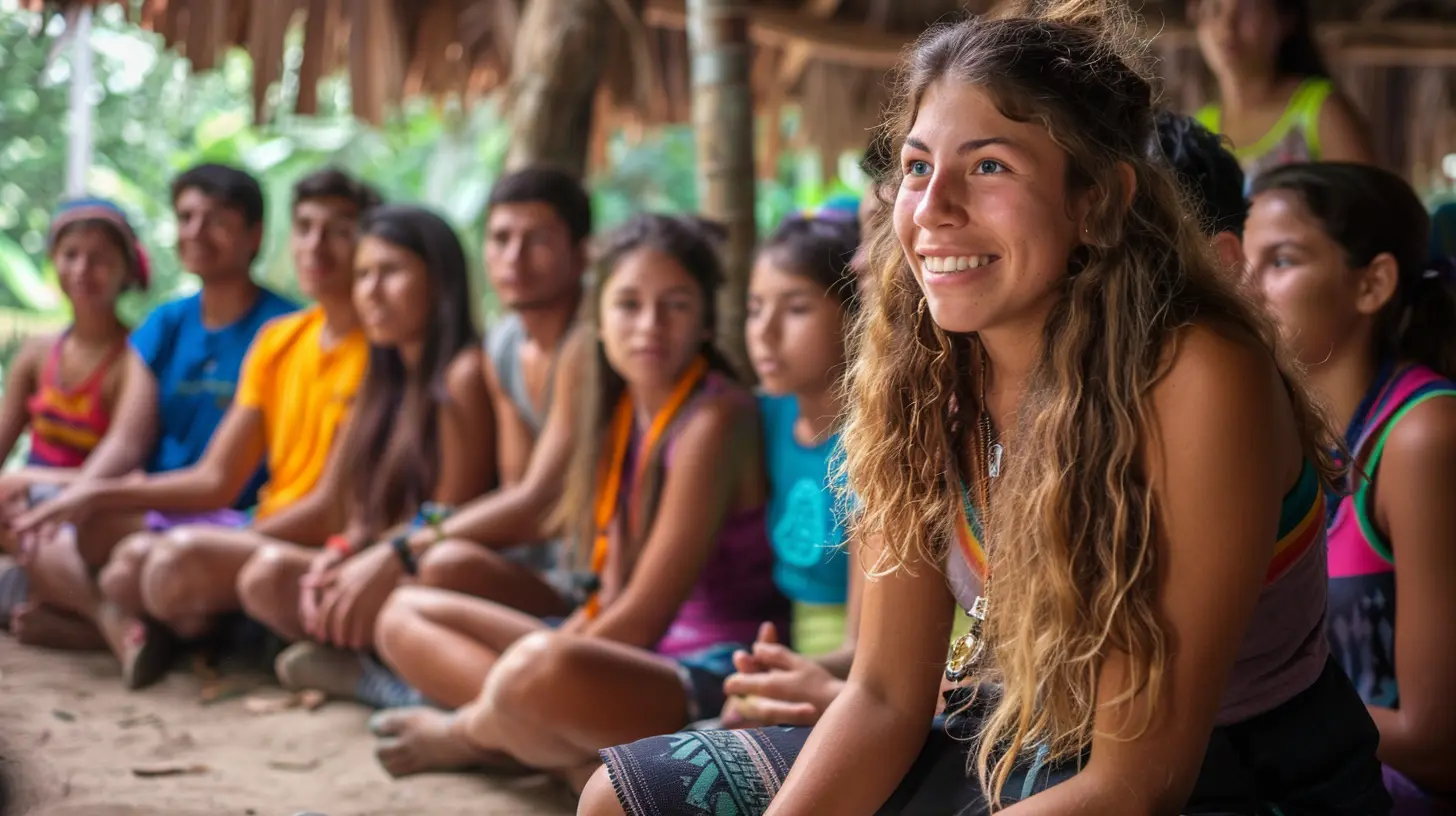
How to Choose the Right Volunteer Program
Not all volunteer programs are created equal. Some do more harm than good, so research is key. Here’s how to find a program that truly benefits communities:1. Identify Your Passion and Skills
Are you good at teaching? Love working with kids? Skilled in construction? Passionate about healthcare? Choose a cause that aligns with your strengths.2. Check the Organization’s Credibility
Look for programs that are transparent about their impact. Read reviews, ask for testimonials, and make sure they work with the communities rather than imposing solutions from the outside.3. Avoid Programs That Exploit Communities
Be wary of voluntourism traps. Avoid orphanage tourism (which often exploits children) and programs that seem more focused on making foreigners feel good rather than creating sustainable change.4. Understand the Costs
Some volunteer opportunities are free, while others charge fees for administration and operations. Check where the money goes—if most of it isn't benefiting the community, look elsewhere.5. Choose Long-Term Over Short-Term if Possible
A two-week trip won’t change the world, but long-term volunteers (or those who commit to coming back) often make a bigger impact.
Best Destinations for Volunteering with Underprivileged Communities
Where should you go if you want to make a difference? Almost anywhere! But some places have a strong need for volunteers.1. India – Education & Community Development
India’s vibrant culture is mesmerizing, but poverty is a harsh reality here. Opportunities abound in slum schools, rural healthcare clinics, and women empowerment programs.2. Kenya – Wildlife & Community Support
Want to mix volunteering with African safaris? In Kenya, you can teach in underfunded schools, assist with healthcare programs, or help with conservation projects.3. Peru – Rural Education & Healthcare
Peru’s breathtaking landscapes aside, many indigenous communities lack basic resources. Volunteers can assist in education, medical clinics, and social work in the Andes.4. Vietnam – Teaching & Agricultural Work
Vietnam offers opportunities to teach English, work on sustainable farming projects, and support disadvantaged communities in rural areas.5. Nepal – Disaster Relief & Women Empowerment
Many Nepalese communities are still recovering from past earthquakes. Volunteers help rebuild homes, support women-led businesses, and teach children in remote villages.Each destination offers a chance to do something meaningful while immersing yourself in a unique culture. 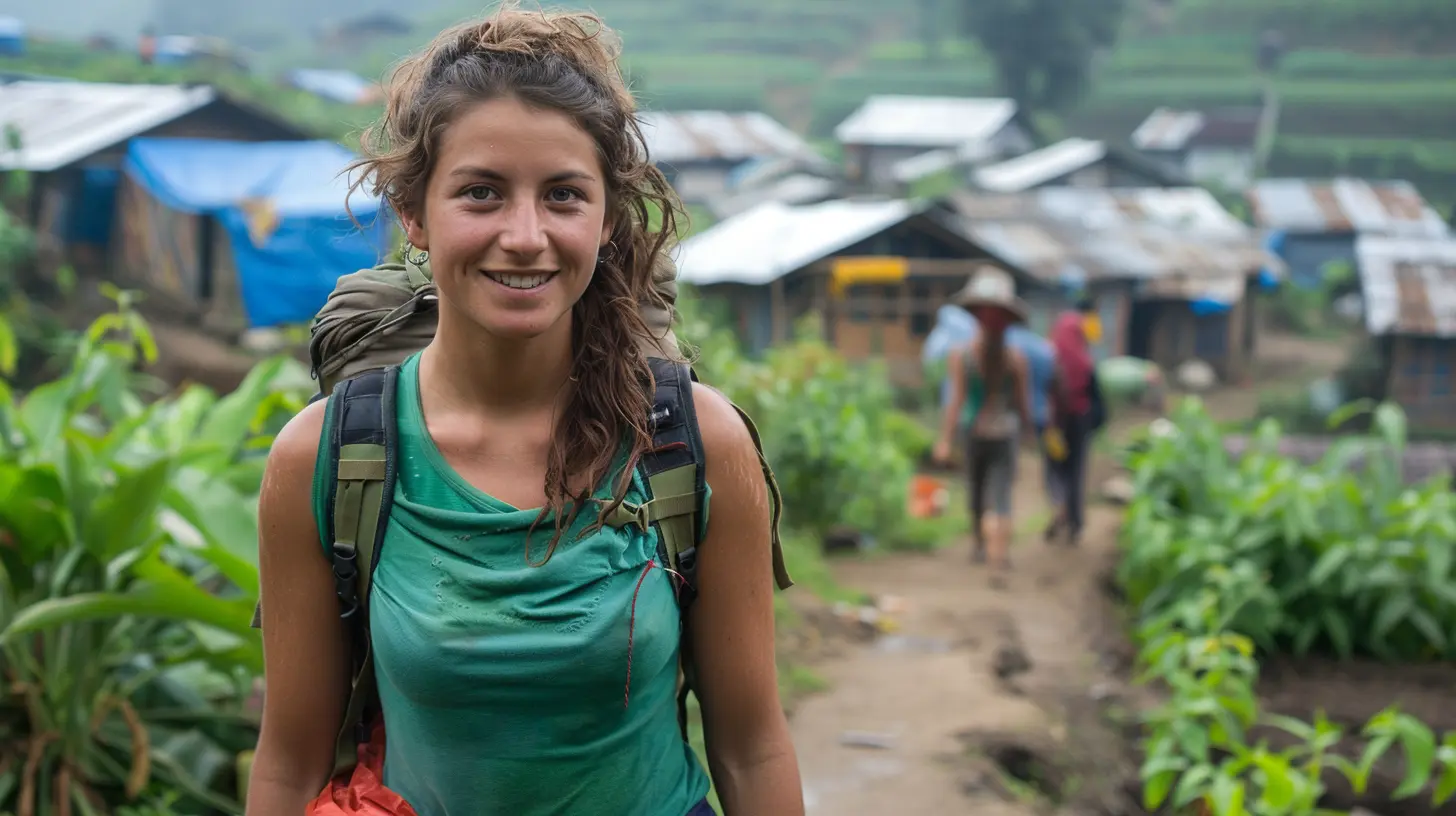
How to Prepare for a Volunteer Trip
1. Research Local Customs and Cultures
You’re stepping into someone else’s world. Understand their traditions to show respect and avoid unintentional harm.2. Learn Basic Language Skills
Being able to say "hello" or "thank you" in the local language goes a long way in bonding with the community.3. Pack with Purpose
Bring practical items like work gloves, sturdy shoes, and donations (if requested). But remember, some communities prefer economic support over material donations.4. Get the Right Vaccinations and Insurance
Stay safe! Check which vaccinations are required and get travel insurance that covers volunteering activities.5. Keep an Open Mind
Things won’t always go as planned. Be adaptable, embrace discomfort, and focus on learning from the experience rather than controlling it.Challenges of Volunteering Abroad (And How to Overcome Them)
Volunteering is not all sunshine and heartwarming moments. It can be tough. Here’s what to expect:1. Cultural Shock
You may find yourself in environments that are completely different from what you’re used to. Breathe, observe, and adjust without judgment.2. Language Barriers
Not speaking the local language can be frustrating, but body language, patience, and basic phrases can help bridge the gap.3. Emotional Burden
Seeing extreme poverty or suffering can be overwhelming. Remember, you’re there to help, not to save the world overnight. Small contributions matter.4. Physical Demands
Whether it's rebuilding homes, farming, or teaching for long hours, volunteering can be exhausting. Stay hydrated, get enough rest, and pace yourself.Despite these challenges, the rewards are far greater than the struggles.
Volunteering vs. Voluntourism: Understanding the Difference
Not all volunteering is equal. Let’s look at the fundamental differences:| Volunteering | Voluntourism |
|-----------------|-----------------|
| Focuses on long-term impact | Focuses on short-term gratification |
| Works with communities | Often disrupts local communities |
| Empowers locals with skills & resources | Can create dependency |
| Led by the needs of the community | Designed for the experience of the tourist |
The key is to ensure that your presence benefits locals more than it benefits your travel goals.
Final Thoughts: Make Travel Meaningful
Traveling for good isn't about being a hero. It’s about using your journey to empower others, support sustainable change, and leave a place better than you found it.If you're planning your next adventure, consider making it one that counts—not just for you, but for the people you'll meet along the way. Because the best souvenirs aren’t things; they’re the lives you touch and the lessons you take home.
So, are you ready to travel for good?
all images in this post were generated using AI tools
Category:
Volunteer TravelAuthor:

Winona Newman
Discussion
rate this article
1 comments
Natalie McClain
Volunteering while traveling transforms ordinary trips into extraordinary experiences. It's not just about seeing new places but also about connecting with people and making a real difference... what could be better?
June 18, 2026 at 4:21 PM