Birth, Marriage, and Death: The Universal Rituals that Bind Us
30 May 2026
Life is a story written in three distinct chapters—birth, marriage, and death. No matter where in the world you are, these rituals shape the human experience. But have you ever stopped to wonder why? Why do we mark these moments with ceremonies, traditions, and sometimes even elaborate celebrations?
There’s something almost mystical about these rites of passage, as if they serve as checkpoints in the journey of life. They transcend time, culture, and borders, binding us together in a way that is both profound and inevitable. Let’s dive into these universal rituals and uncover the hidden significance behind them.
Birth: The Beginning of Everything
Before anything else, there is birth—the very first event that sets the stage for every journey. Birth is more than just the arrival of a new life; it’s a moment of transformation, not just for the child but for the family and even the community.Why Do We Celebrate Birth?
From ancient times, the arrival of a newborn has been met with rituals, blessings, and even superstitions. But why is birth celebrated across all cultures?- It marks survival and continuation – Bringing a child into the world was once a dangerous endeavor. In ancient societies, childbirth was fraught with risks, and both mother and baby had to fight to survive.
- It strengthens family bonds – A new life means new responsibilities, and family members come together to welcome and support the child.
- It carries cultural identity – Naming ceremonies, astrology readings, and even specific birth customs help embed the newborn into the cultural fabric of their people.
Ancient Birth Rituals That Still Exist Today
Many birth traditions continue to thrive in modern society, some with roots going back thousands of years:- Baptism & Christening (Christianity) – A sacred water-based ritual symbolizing purity and a new spiritual beginning.
- Naamkaran (Hinduism) – A naming ceremony where a child’s name is chosen based on astrological significance.
- Placenta Burials (Various Cultures) – In many societies, the placenta is considered sacred and is buried with rituals to honor the life it sustained.
No matter how different these customs appear, they all serve the same purpose—welcoming a new soul into the world with love and protection. 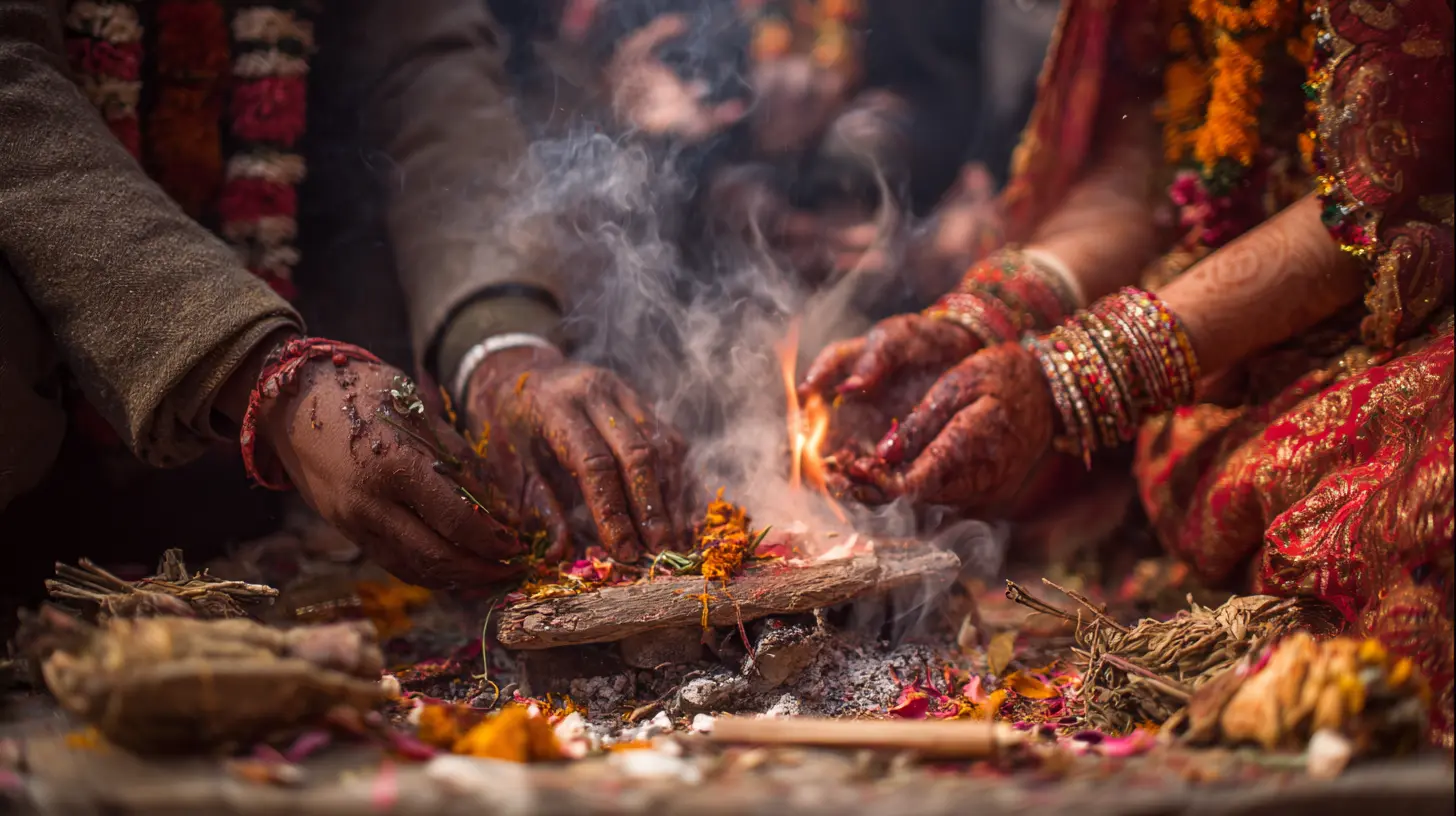
Marriage: The Bond That Transcends
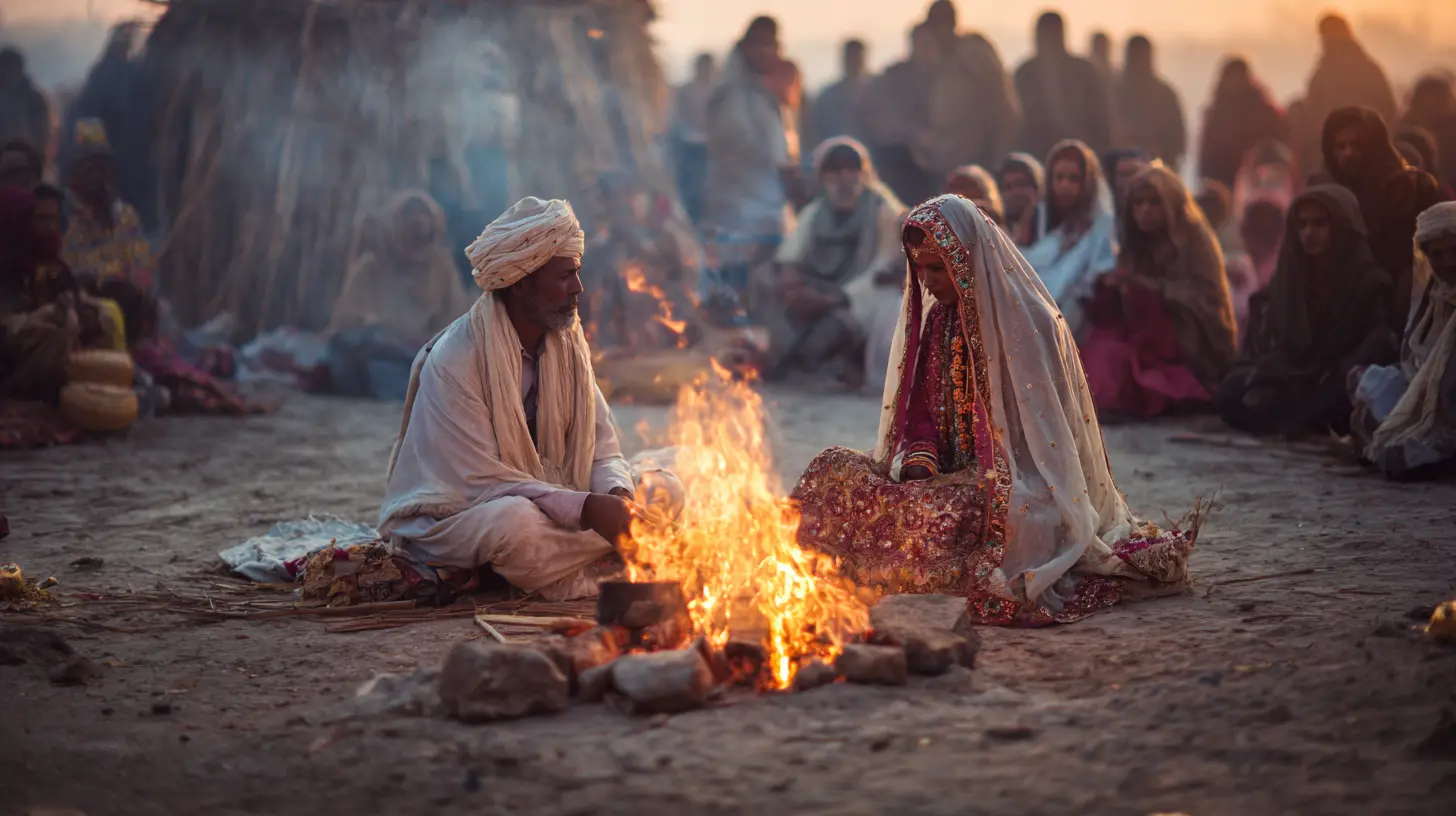
Love and companionship have been celebrated in nearly every culture since time immemorial. But marriage is more than just a public declaration of love; it’s a social contract, a union of two lives, and in many cases, two families.Why Do Humans Marry?
At its core, marriage is about connection and alliance. Even in ancient civilizations, marriage wasn’t just about love—it was a tool for survival, political power, and social stability.- Strengthens societal structures – Marriage has historically been used to establish peace, build alliances, and strengthen family ties.
- Provides emotional and financial stability – A lifelong partner offers companionship, guidance, and shared resources.
- Ensures continuity – Many cultures see marriage as essential for continuing lineage and passing down traditions.
Unusual Wedding Traditions Across the World
While love is a universal language, wedding traditions come in fascinating forms:- Blackening the Bride (Scotland) – In Scottish tradition, brides are covered in soot, feathers, or flour before marriage to ward off evil spirits.
- Jumping the Broom (African and African-American Traditions) – A symbolic action representing the sweeping away of the past and the start of a new life together.
- Kidnapping the Bride (Romania & Parts of Central Asia) – A playful tradition where the groom must "rescue" his bride from friends and family before the wedding.
Marriage ceremonies are not just personal commitments but echoes of ancestors, a reflection of cultural beliefs, and a glimpse into the values a society holds dear. 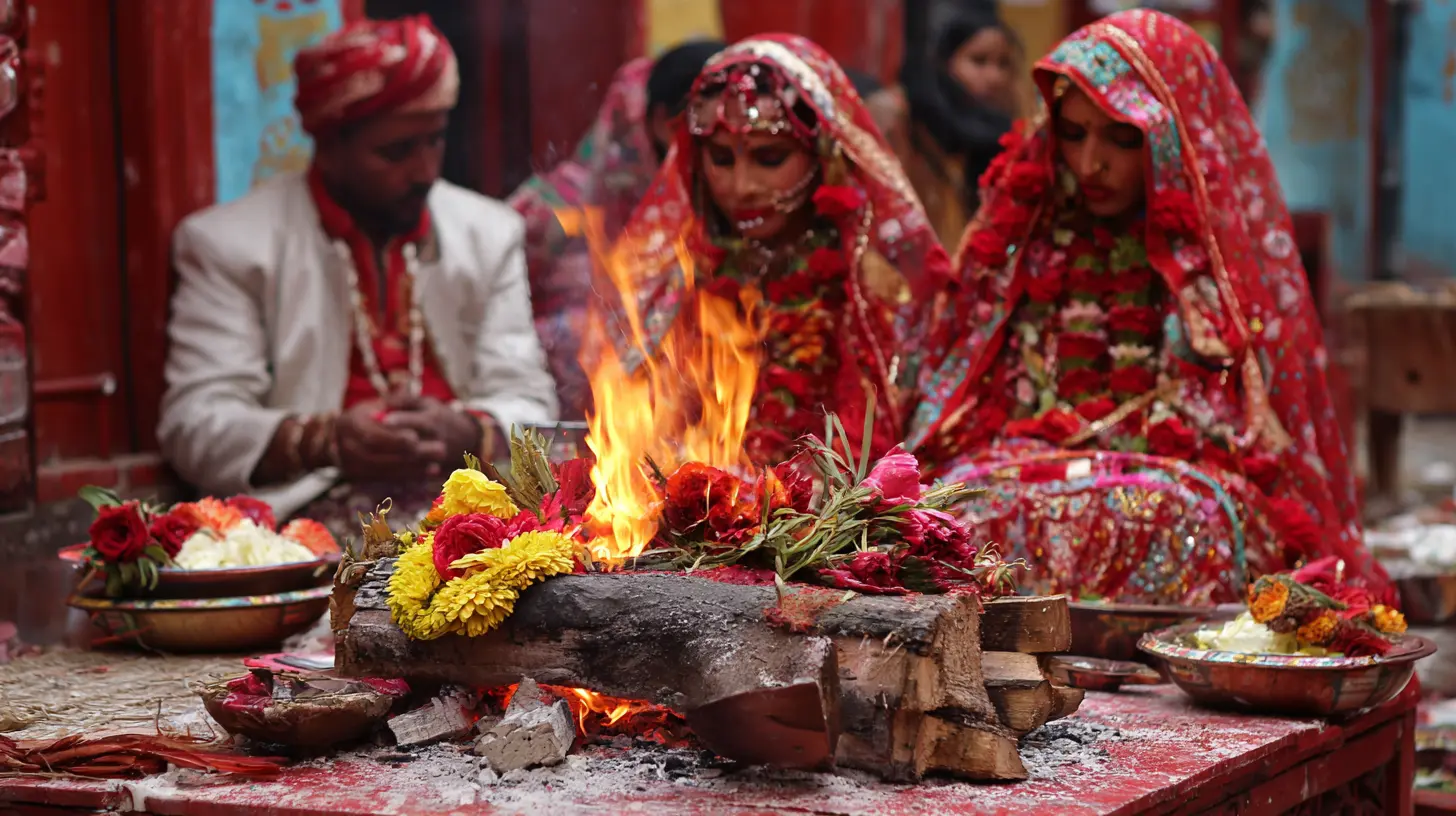
Death: The Final Goodbye
If birth is the beginning, then death is the inevitable end. Yet, unlike birth and marriage, death comes with a mix of fear, reverence, and philosophical reflection.Why Do We Ritualize Death?
Death is terrifying to many because it represents the unknown. But rituals help soften the transition, offering comfort both to the departing soul and those left behind.- Provides closure – Death rituals give loved ones a way to say goodbye, process grief, and honor the departed.
- Affirms cultural and religious beliefs – From reincarnation to an afterlife, different cultures have specific death rites based on their spiritual traditions.
- Keeps memory alive – Funerals, memorials, and even annual death anniversaries ensure that those who leave are never truly forgotten.
Fascinating Death Rites Around the World
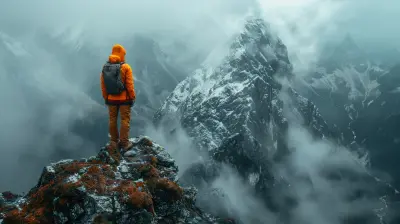
Death traditions vary widely, often revealing a culture’s perspective on the afterlife:- Sky Burials (Tibet & Mongolia) – The deceased’s body is left exposed on mountaintops to be consumed by vultures, symbolizing the return to nature.
- Jazz Funerals (New Orleans, USA) – A mix of sorrow and celebration, these funerals involve lively jazz music, reminding people to embrace life even in mourning.
- Dia de los Muertos (Mexico) – The "Day of the Dead" is not about sorrow but remembrance, where families celebrate deceased loved ones with food, music, and offerings.
No matter how different these customs may seem, they all serve a universal purpose: to honor the dead and give meaning to life’s final moment. 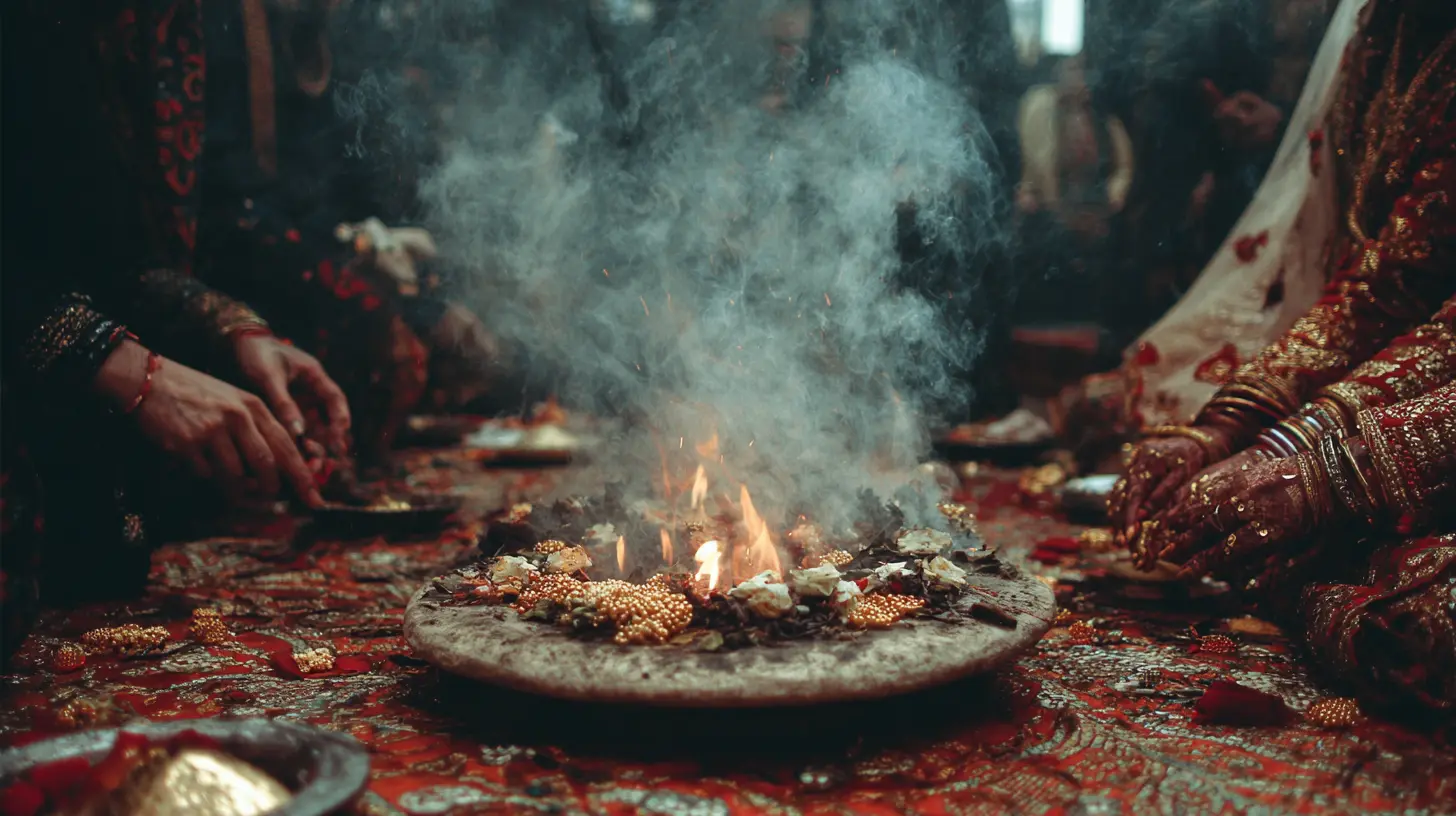
The Invisible Thread Binding Us All
Birth, marriage, and death—three moments that define the human experience. Despite differences in language, beliefs, and geography, all societies recognize these points in life as sacred.Isn’t it fascinating how these rituals, though unique in practice, share a common goal? They remind us that life is fleeting yet meaningful, that solitude is eased by companionship, and that even in death, there is continuity.
The next time you attend a naming ceremony, witness wedding vows, or pay respects at a funeral, take a moment to reflect. These aren’t mere traditions; they are the echoes of ancestors, the whispers of humanity’s shared journey.
At the heart of it all, we are bound by the same rites, the same emotions, and the same inevitable truth: Life moves in cycles, and every ending is just another beginning.
all images in this post were generated using AI tools
Category:
Cultural ExperiencesAuthor:
Winona Newman
Discussion
rate this article
1 comments
Callista Bishop
From baby giggles to wedding bells and final farewells, life's a wild ride. Grab your passport for this unforgettable journey!
June 12, 2026 at 3:07 PM