The Organic Movement: A Look at Local Farmers’ Markets
7 August 2026
Fresh, flavorful, and farm-to-table—there’s something magical about local farmers’ markets. Whether you're a health-conscious foodie, an eco-warrior, or just love the vibe of fresh produce and homegrown goodies, these markets offer an experience that grocery stores simply can’t match.
But what’s behind the growing popularity of the organic movement? Why are more people ditching the supermarket and opting for locally-sourced, organic foods? Let’s take a deep dive into the world of farmers’ markets and uncover why they’ve become a staple in communities around the world. 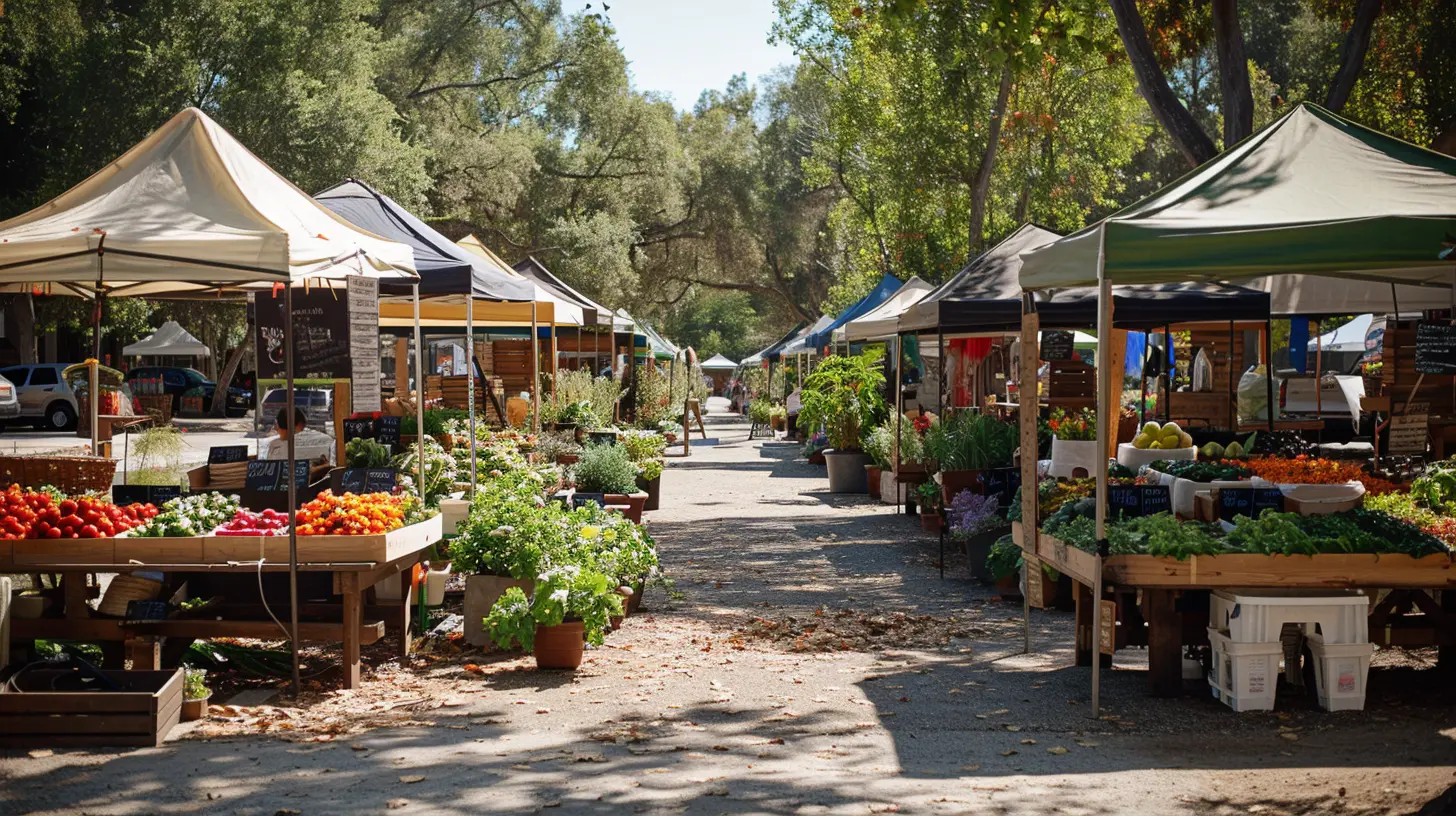
The Rise of the Organic Movement
Over the last few decades, people have become more conscious of what they put on their plates. Processed foods, pesticides, and artificial ingredients have raised red flags, pushing consumers toward healthier alternatives. Enter organic farming—a practice that prioritizes sustainability, ethical farming, and chemical-free produce.The organic movement isn't just a trend; it’s a lifestyle shift. With concerns about climate change and food security on the rise, many consumers are choosing local, organic foods as a way to support ethical farming and protect the planet for future generations. 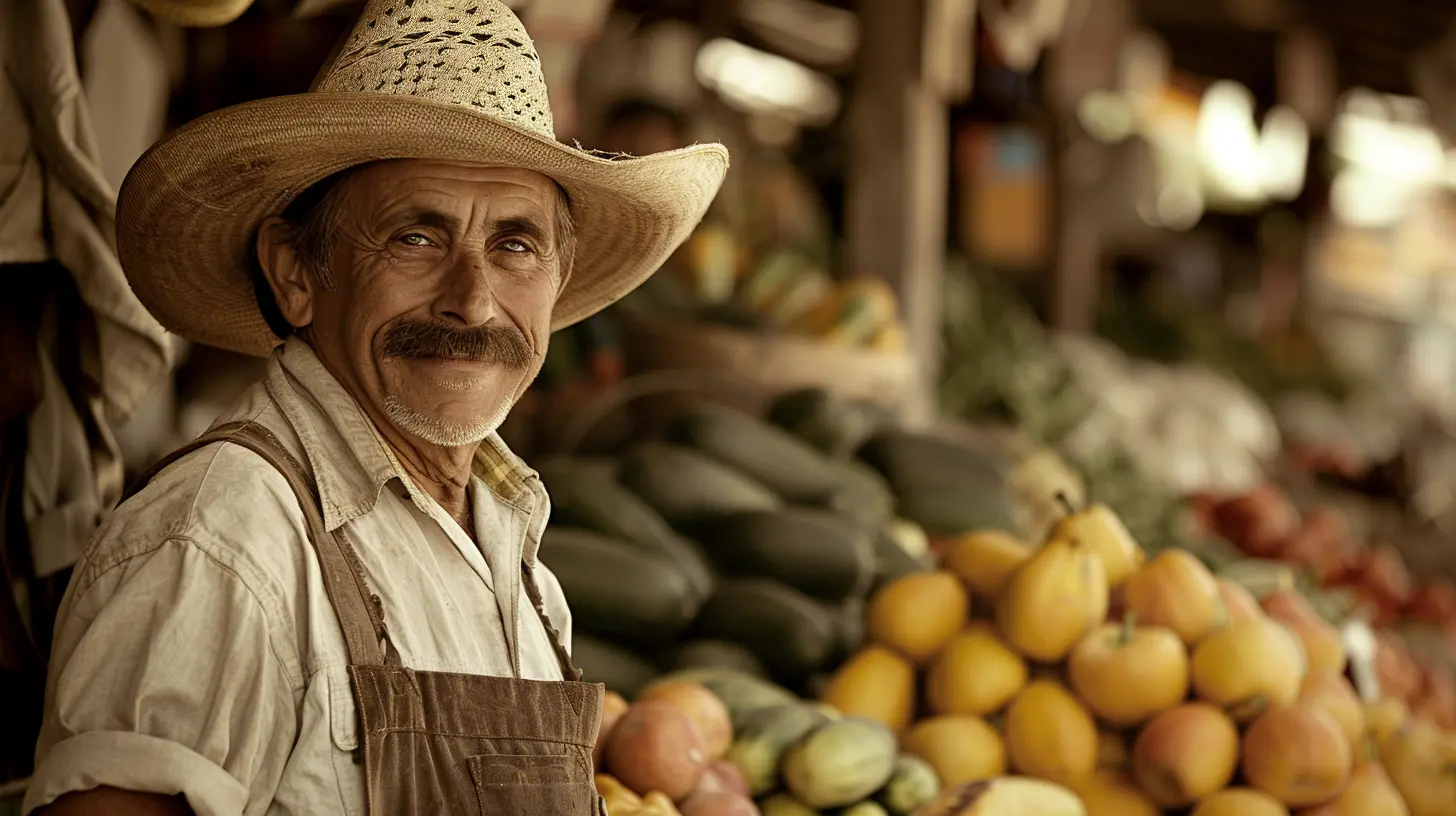
Why Farmers’ Markets Are Thriving
So, what’s the big deal with farmers’ markets? Why are they sprouting up in urban and rural areas alike? It comes down to a few key reasons:1. Freshness You Can Taste
Ever bitten into a strawberry so sweet and juicy that it feels like nature’s candy? That’s the magic of farm-fresh produce. Unlike grocery store fruits that have traveled hundreds (or even thousands) of miles, farmers’ market produce is often picked within 24 hours of being sold. The result? Unmatched flavor and superior nutrition.2. Supporting Local Farmers
Buying from a local farmers’ market means you’re directly supporting small-scale farmers in your community. Instead of putting money into the pockets of massive food corporations, your dollars go straight to the hardworking individuals who grow your food with care and dedication.3. Organic and Chemical-Free Goodness
Many farmers at these markets use sustainable and organic farming practices to grow their crops. That means fewer pesticides, no genetically modified organisms (GMOs), and more nutrients in every bite. Plus, organic farming is better for the environment—less soil degradation, water pollution, and harmful chemical runoff.4. A Sense of Community
There’s something special about strolling through a farmers’ market, chatting with vendors, and connecting with fellow shoppers. It’s a community-driven experience that brings people together, fostering relationships between farmers and consumers. It’s not just shopping; it’s an experience.5. Seasonal Eating at Its Best
When you shop at a farmers’ market, you're eating with the seasons. That means juicy tomatoes in the summer, crisp apples in the fall, and vibrant greens in the spring. Seasonal eating ensures you’re getting the freshest, most flavorful produce while also supporting the natural farming cycle.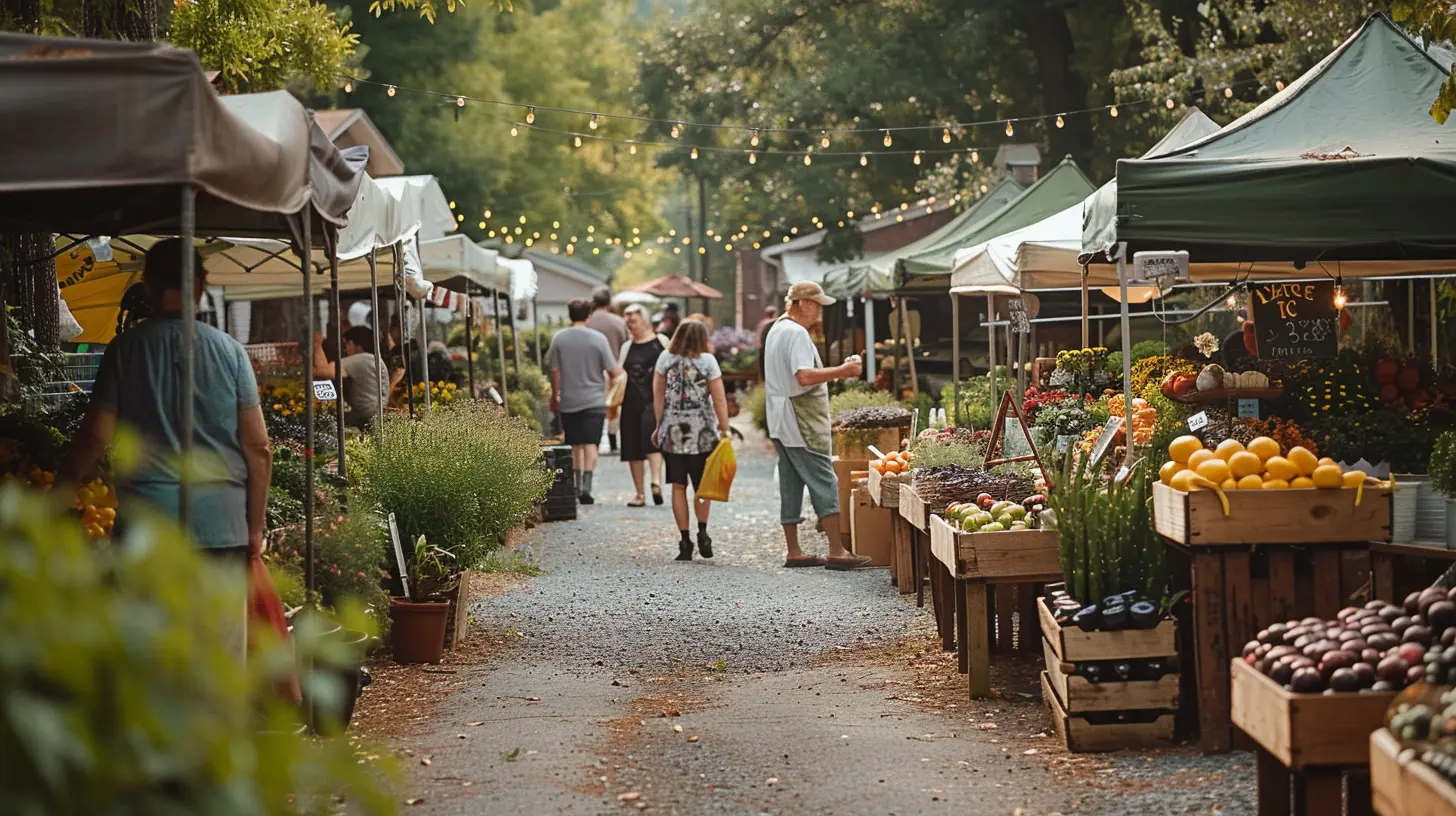
The Environmental Impact of Farmers’ Markets
One of the biggest perks of farmers’ markets is their positive impact on the environment. Industrial farming and mass food production contribute heavily to pollution, deforestation, and carbon emissions. But farmers’ markets? They operate on a much smaller, eco-friendlier scale.- Reduced Carbon Footprint
Think about the journey your typical grocery store banana takes—shipped from another country, processed, packaged, and transported across states. Local farmers? They harvest their crops nearby, cutting down on transportation emissions.
- Less Packaging Waste
Ever noticed how grocery store produce is wrapped in layers of plastic? Farmers’ markets encourage reusable bags, baskets, and eco-friendly packaging, reducing plastic waste significantly.
- Healthier Soil and Biodiversity
Many small-scale farmers practice crop rotation and organic farming methods, which help maintain soil health and promote biodiversity. This means healthier crops, less soil erosion, and a more sustainable future for agriculture. 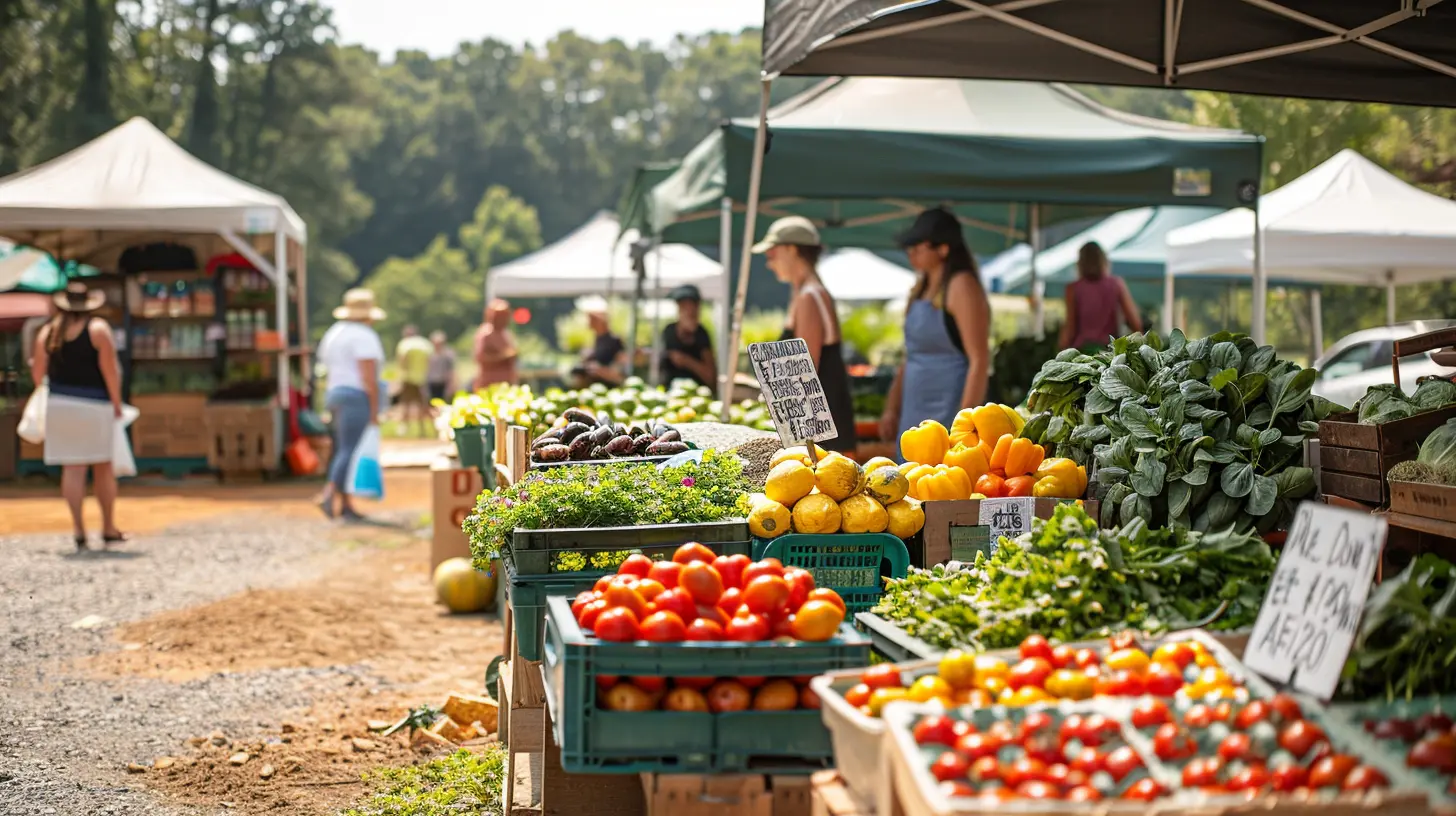
What You Can Find at a Farmers’ Market
If you think farmers’ markets are just about fresh veggies, think again! These markets are a treasure trove of delicious, locally-made products. Here’s what you might stumble upon:1. Organic Fruits & Vegetables
Expect seasonal, farm-fresh produce that actually tastes like real food. No waxy, bland-tasting fruits here—just vibrant, nutrient-packed goodness.2. Artisanal Breads & Baked Goods
Love the smell of freshly baked bread? Many farmers’ markets feature local bakeries selling sourdough, whole grain loaves, and handcrafted pastries made with organic ingredients.3. Homemade Jams, Honey, and Preserves
From local honey to small-batch fruit jams, these goodies bring a burst of flavor to your breakfast table—without the artificial additives found in store-bought versions.4. Free-Range Meats & Dairy
Many farmers sell grass-fed beef, pasture-raised eggs, and organic dairy products, ensuring you get high-quality protein without the antibiotics and hormones found in conventional meat.5. Handmade Soaps, Candles, and Wellness Products
Many markets also showcase artisanal, eco-friendly products like organic skincare, soy-based candles, and essential oils—all made by local vendors.Tips for Shopping at a Farmers’ Market
If you’re new to the farmers’ market scene, here are some tips to make the most of your visit:- Bring Cash & Reusable Bags: Some vendors may not accept cards, and reusable bags help cut down on plastic waste.
- Go Early for the Best Picks: The freshest produce and most popular items sell out fast. Arriving early gives you the best selection.
- Chat with the Farmers: Ask questions! Farmers love sharing knowledge about their growing methods, best storage practices, and even recipe ideas.
- Try Something New: Step out of your comfort zone and try unfamiliar fruits, vegetables, or artisanal products—you might discover a new favorite!
- Buy in Bulk & Preserve: Stock up on seasonal produce and freeze, can, or dehydrate for later use.
Why Farmers’ Markets Are the Future of Food
With more people prioritizing health, sustainability, and community support, farmers’ markets are becoming more than just weekend outings—they’re shaping the future of food. Consumers are realizing that convenience shouldn’t come at the cost of quality, and buying locally is one of the simplest ways to eat better while making a positive impact.So next time you see a farmers’ market pop up in your area, stop by, grab a basket, and experience the magic of farm-fresh goodness. Not only will your taste buds thank you, but so will your local farmers and the planet.
all images in this post were generated using AI tools
Category:
Local MarketsAuthor:

Winona Newman