The Hidden Mysteries of Cambodia's Bayon Temple
3 February 2026
Let’s face it—when you think of Cambodia, your mind probably jumps straight to Angkor Wat. Sure, it's the superstar of Southeast Asia. But wait... there's a lesser-known, equally jaw-dropping wonder tucked away in the jungle—the Bayon Temple. Yep, that crazy-looking masterpiece with all the stone faces staring down at you like you owe them money. It’s mysterious, intense, and straight-up mind-blowing.
So buckle up, my fellow wanderlusters. We're going on a deep dive into the shadows and secrets of this iconic monument—one chipped stone at a time.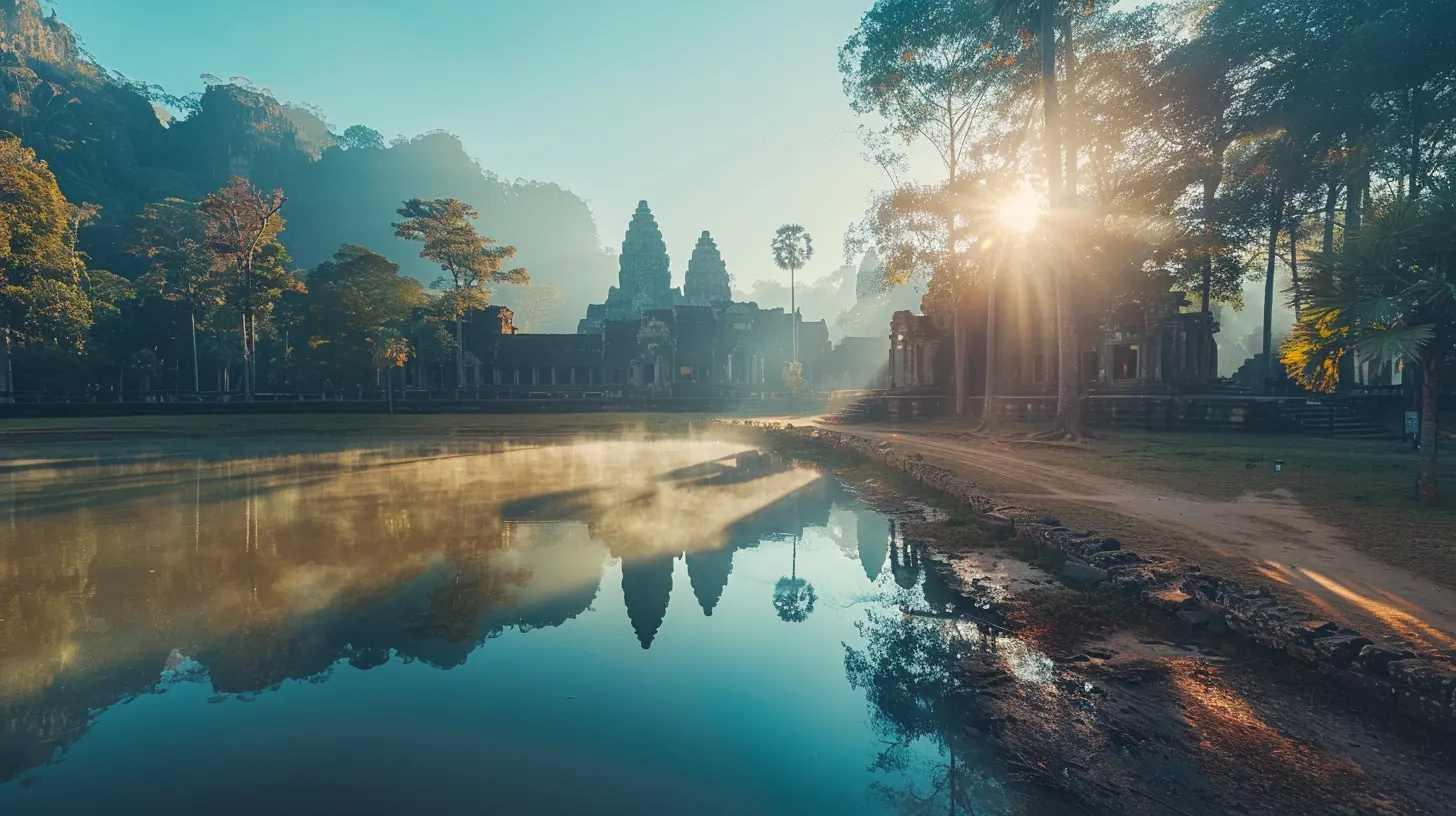
A Quick Reality Check: What Is the Bayon Temple?
Right at the heart of Angkor Thom—the ancient walled city of the Khmer Empire—stands the Bayon Temple, a 12th-century marvel built by King Jayavarman VII. This temple wasn’t just another religious site. It was a statement. A flex. Jayavarman’s mic drop.Unlike the sprawling, symmetrical beauty of Angkor Wat, Bayon is chaotic. It's like stepping into a dream—or a nightmare—depending on your vibe. Towers rise unevenly. Faces glare down at odd angles. Passageways twist like a maze. It's messy, raw, and freaking fascinating.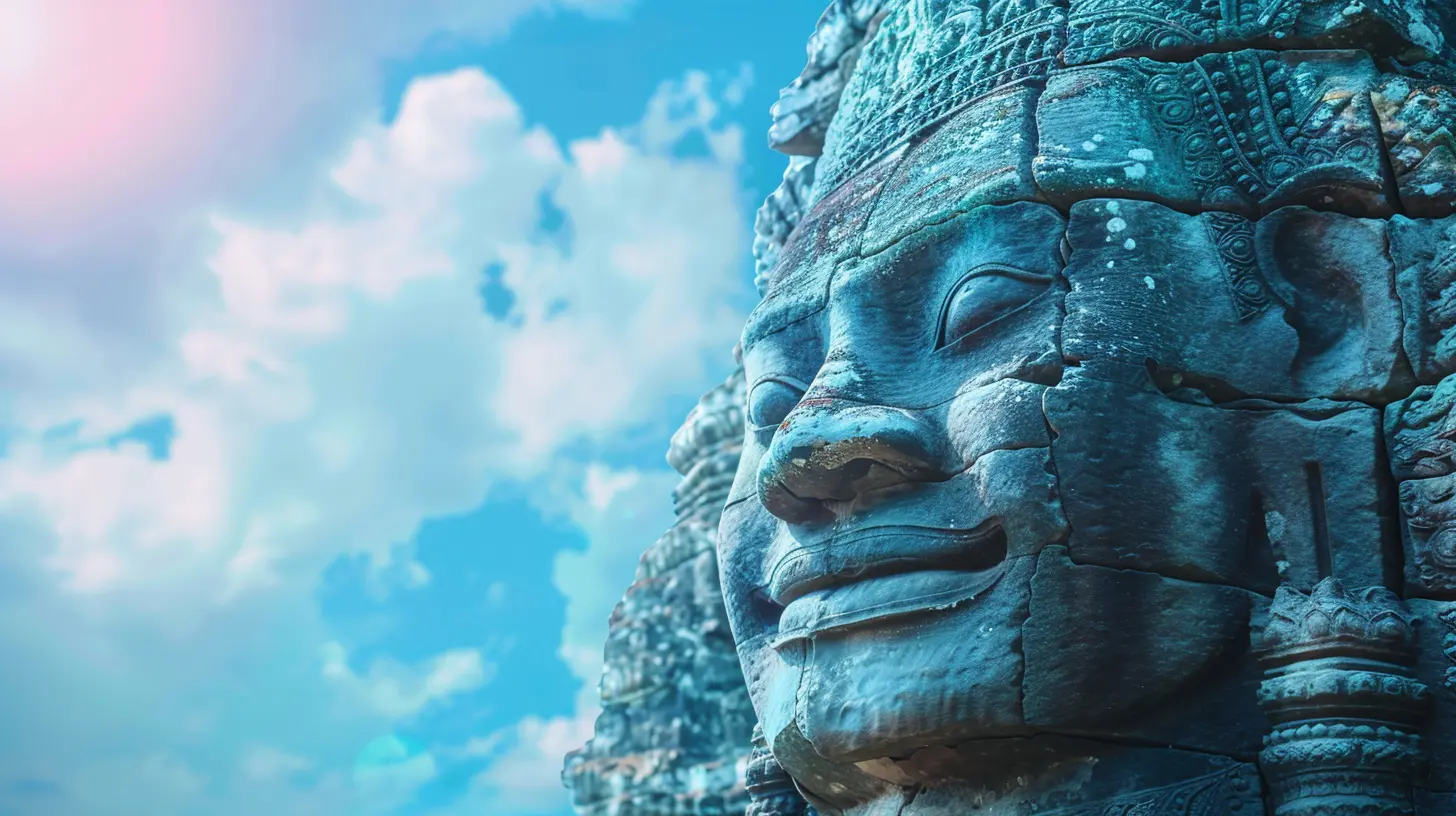
All Eyes on You: The 200+ Stone Faces
Ever felt like you're being watched? That’s not paranoia. At Bayon, it’s real.This temple boasts over 200 giant stone faces carved across 54 towers. Each one roughly 13 feet tall—and they all look like they know your secrets. Creepy? Maybe. But also insanely cool.
Who Are These Faces?
Theories swirl around like Cambodian tuk-tuks. Some say the faces depict King Jayavarman himself, showcasing his divine authority. Others argue they're avatars of Avalokiteshvara, the bodhisattva of compassion in Mahayana Buddhism.Spoiler alert: It could be both. The king was obsessed with merging political power and religion. And what better way than to literally plant your godlike face all over your empire?
Pretty genius, right?
Symbols Hidden in Stone: What’s Really Going On?
Bayon isn’t the kind of place you glance at and move on. Nah, this temple begs you to pause, squint, and ask, “Wait, did I just see that right?”The Bas-Reliefs: Ancient Snapshots of Khmer Life
The outer gallery of Bayon is covered in bas-reliefs—detailed carvings that tell stories of war, daily life, rituals, and even… cockfighting? Yep. Real-life scenes mixed with mythology, like a graphic novel carved in stone.You’ll see soldiers in battle, fishermen at work, dancers mid-performance, and elephants doing their thing. This isn’t just decoration—it’s a historical record. Think of it as the Khmer Empire’s version of Instagram, only way more permanent.
Layers of Religion
Bayon isn’t married to one religion. She’s been around the block. Originally a Buddhist temple, Bayon later got some Hindu makeovers when the next kings took over. That’s why you’ll find Buddhist iconography rubbing elbows with Hindu gods like Vishnu and Shiva.It’s spiritual chaos—but in a beautiful, culture-rich way.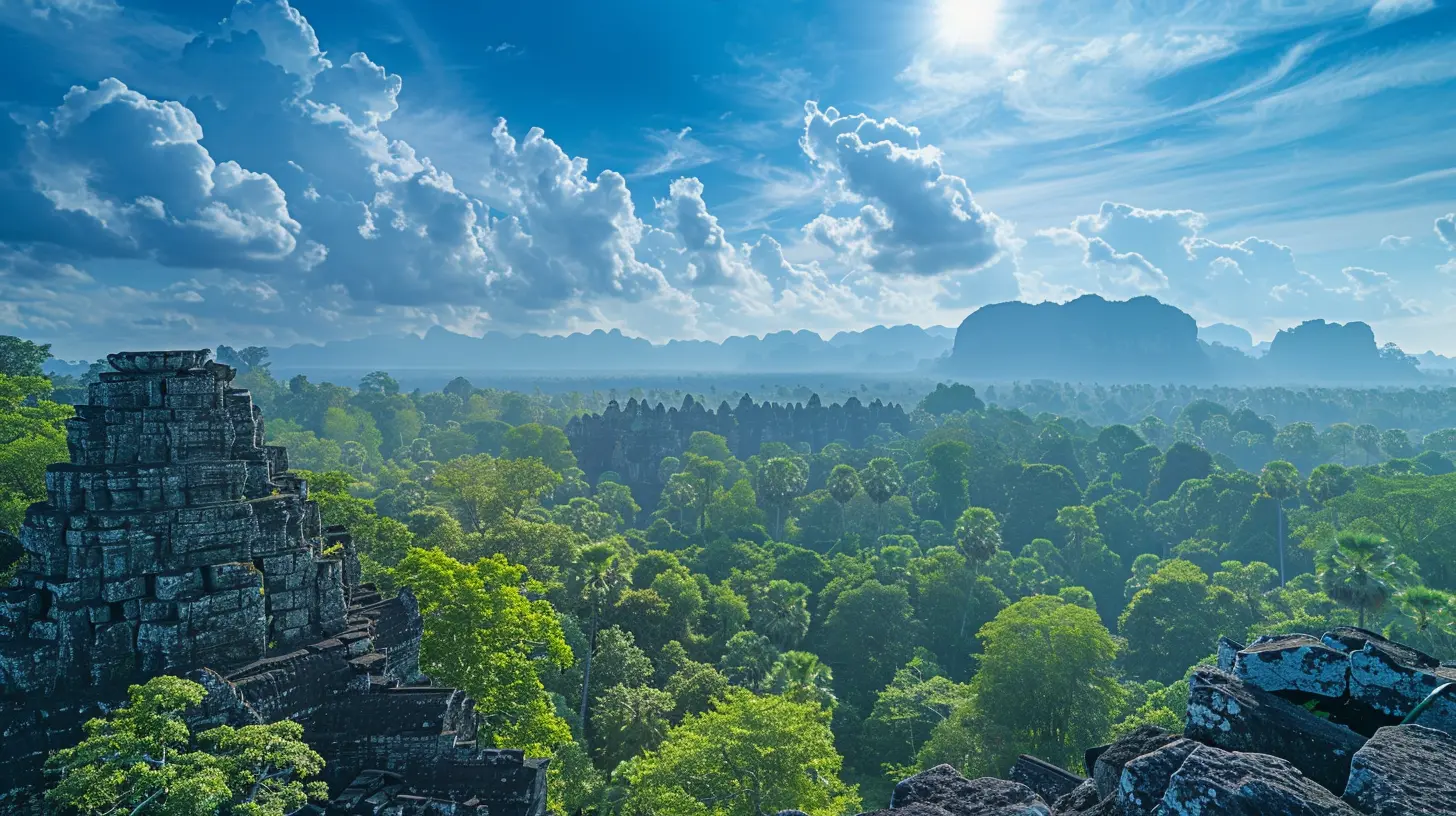
Jayavarman VII: The King Who Built a Legacy in Stone
Let’s talk about the man behind the madness—King Jayavarman VII. If kings were rockstars, he’d be the Mick Jagger of the Khmer dynasty. He was the first devout Buddhist king of Angkor and reigned during the empire's golden age.But the guy didn’t just sit on a throne polishing his crown. He built more monuments than any other Khmer king, promoted education, and invested in public health by constructing hospitals. The Bayon Temple was his crown jewel—a cosmic center of the universe, in his mind.
Hell of a way to leave your mark, right?
The Unsolved Puzzle: Why Is Bayon So... Weird?
Architecturally speaking, Bayon is like a jigsaw puzzle missing its corner pieces. Scholars still fight over what it was really supposed to look like. Some think the layout represents Mount Meru, the spiritual center of the universe in Hindu and Buddhist cosmology. Others believe it's just artistic chaos on purpose.But that’s kinda the charm, isn’t it? Bayon doesn’t spoon-feed you answers. It whispers them. You’ve got to earn the magic by looking, feeling, and letting your imagination run wild.
Surreal Moments: Visiting Bayon in Person
If you ever find yourself sweating in Siem Reap and wondering if Bayon is worth the trek—hell yes, it is.Early Morning Magic
Get there at sunrise. Trust me. The light hits those stone faces just right. Shadows dance. The air is heavy with dew and mystery. It's like being in an Indiana Jones movie—only you’re the hero.Watch the Light Shift
Bayon changes moods through the day. What looks ominous at dawn can feel welcoming by lunchtime, and ghostly as the sun sets. The stone faces seem to shift expressions. Some smile. Others frown. Or maybe it’s just your mind playing tricks.Either way, it’s immersive AF.
Pro Tips for Your Bayon Adventure
Alright, let’s talk logistics. Here’s how you conquer Bayon like a boss:1. Dress Smart for Temples
Respect the culture—shoulders and knees covered, always. Also, unless you enjoy becoming a mosquito buffet, go light and breathable.2. Bring a Guide
This place is layered. A knowledgeable guide can point out hidden carvings and spill the legends behind them. Without one, you’ll just be staring at rocks going, “Huh. Cool.”3. Stay Hydrated
Cambodia is hot, y’all. Don’t underestimate the heat. Water is your temple-hopping BFF.4. Pair with Angkor Thom
Bayon is inside the ancient city of Angkor Thom, so make a day of it. Check out the Terrace of the Elephants and the Baphuon temple while you're at it. It’s all part of the same ancient jigsaw.The Vibe: Why Bayon Sticks With You
There’s something about Bayon that gets under your skin—in a good way. It’s not just the grandeur or the history. It’s the feeling that the temple is alive. Watching. Waiting. Whispering ancient secrets.Bayon doesn't just show you the past. It makes you feel it. The stones echo with stories of divine kings, spiritual quests, and the pulse of a long-lost empire.
And isn’t that what travel is really about? Not just snapping perfect pictures, but stumbling through the mystery and feeling absolutely, wonderfully lost?
Fun Bayon Fact Bombs (For Your Next Trivia Night)
- 📍 Location: Center of Angkor Thom, near Siem Reap- 🧱 Built: Late 12th to early 13th century
- 👑 Builder: King Jayavarman VII
- 😶 Number of Faces: Over 200 giant smiling (or smirking?) stone faces
- 🥵 Best Time to Visit: November to February (cooler and drier)
- 📸 Pro Tip: Use a zoom lens to capture the facial expressions—yes, they vary!
Final Thoughts: You Haven’t Seen Cambodia Until You’ve Met Bayon
Here’s the truth: Bayon Temple isn’t just a destination. It’s an experience. One that lingers. One that stays in your bones long after you’ve moved on to your next bucket-list spot. While Angkor Wat might steal the spotlight, Bayon is the soul lurking in the shadows—complex, haunting, and unforgettable.So next time you're in Cambodia, don’t just tick boxes. Get lost in the mystery. Stand beneath those watchful stone faces. Let history stare deep into your soul.
Trust me. You won’t walk away the same.
all images in this post were generated using AI tools
Category:
Must See LandmarksAuthor:

Winona Newman
Discussion
rate this article
2 comments
Briar McGuire
This article beautifully highlights the enchanting allure of Bayon Temple. Its intricate carvings and historical significance make it a must-visit destination. However, exploring the surrounding context and local community could further enrich the understanding of this remarkable site.
February 13, 2026 at 3:46 PM
Winona Newman
Thank you for your insightful comment! Exploring the local context certainly adds depth to the experience of visiting Bayon Temple.
Freya Johnson
Bayon Temple is a treasure! Its smiling faces and intricate carvings tell stories that leave you breathless. A must-visit!
February 9, 2026 at 5:50 AM
Winona Newman
Thank you! The Bayon Temple truly captivates with its unique artistry and rich history. I'm glad you appreciate its beauty!