The Evolution of Markets: From Ancient Trading Posts to Modern Bazaars
17 July 2026
Markets have been the backbone of civilization for thousands of years. From bustling ancient trade hubs to sleek, high-tech shopping centers, the way we buy and sell has transformed dramatically. But how did these marketplaces evolve? What shaped them into what they are today? Let’s dive into the fascinating journey of markets, tracing their evolution from the earliest trading posts to the vibrant bazaars we know today.
The Birth of Markets: Bartering and Early Trading Posts
Before money existed, people relied on bartering. Imagine a farmer with an abundance of grain but no livestock. He'd trade his surplus grain for a neighbor's sheep. This system worked well—until it didn’t. The problem? It wasn't always easy to find someone who had exactly what you needed and was willing to trade for what you had.The Rise of Early Trading Posts
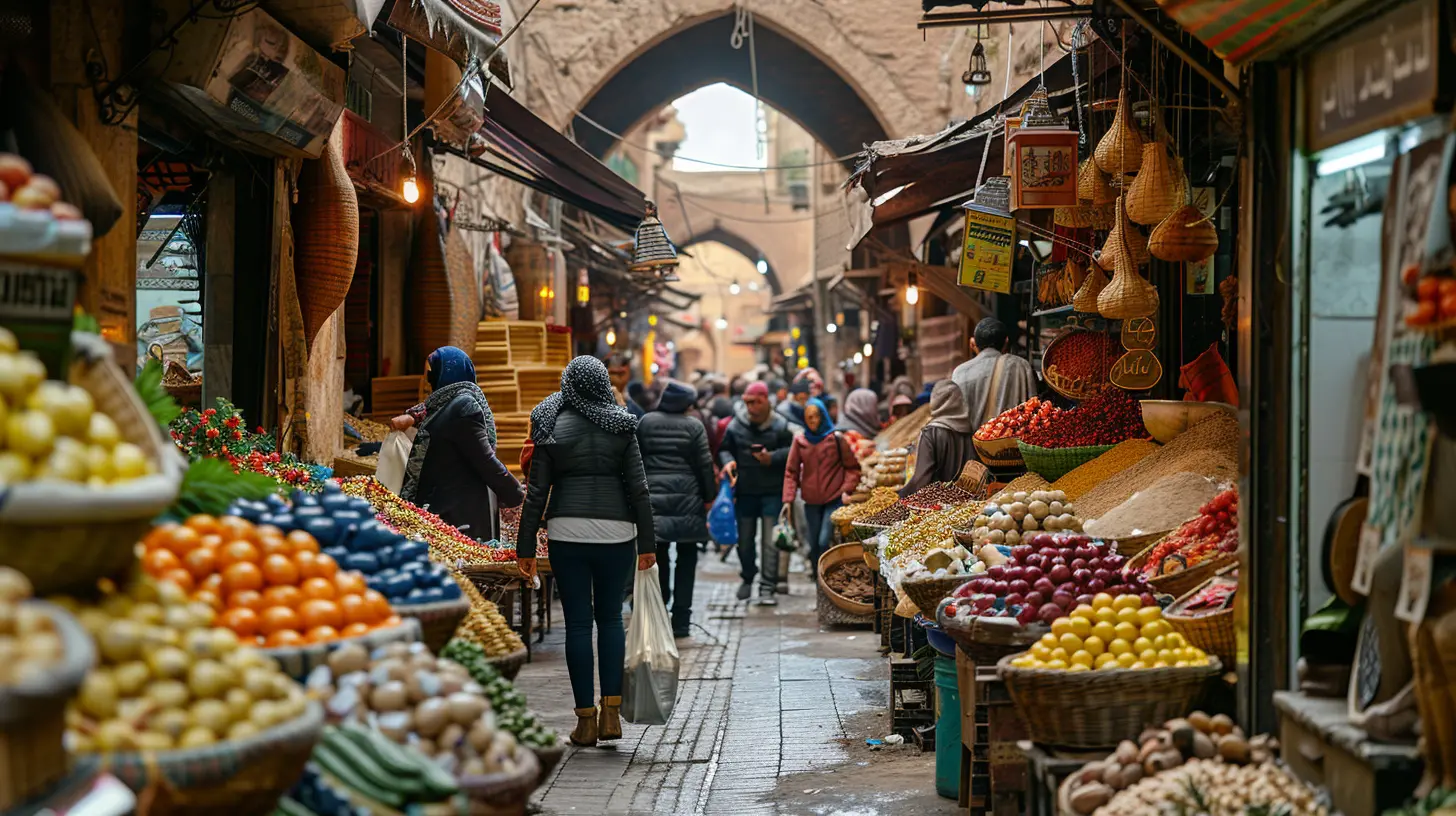
As civilizations grew, people started establishing designated places to trade. These early markets, often located near rivers or crossroads, became the first trading hubs. Ancient Mesopotamia, Egypt, and the Indus Valley had some of the earliest known marketplaces. Goods like spices, textiles, and pottery changed hands in these centers of commerce.The Role of Currency in Market Development
Bartering was effective but had its limits. Enter currency—the game changer. The first coins appeared around 600 BCE in Lydia (modern-day Turkey). Coins provided a standardized method of exchange, making trade faster and easier. Soon, markets flourished as trading became more efficient.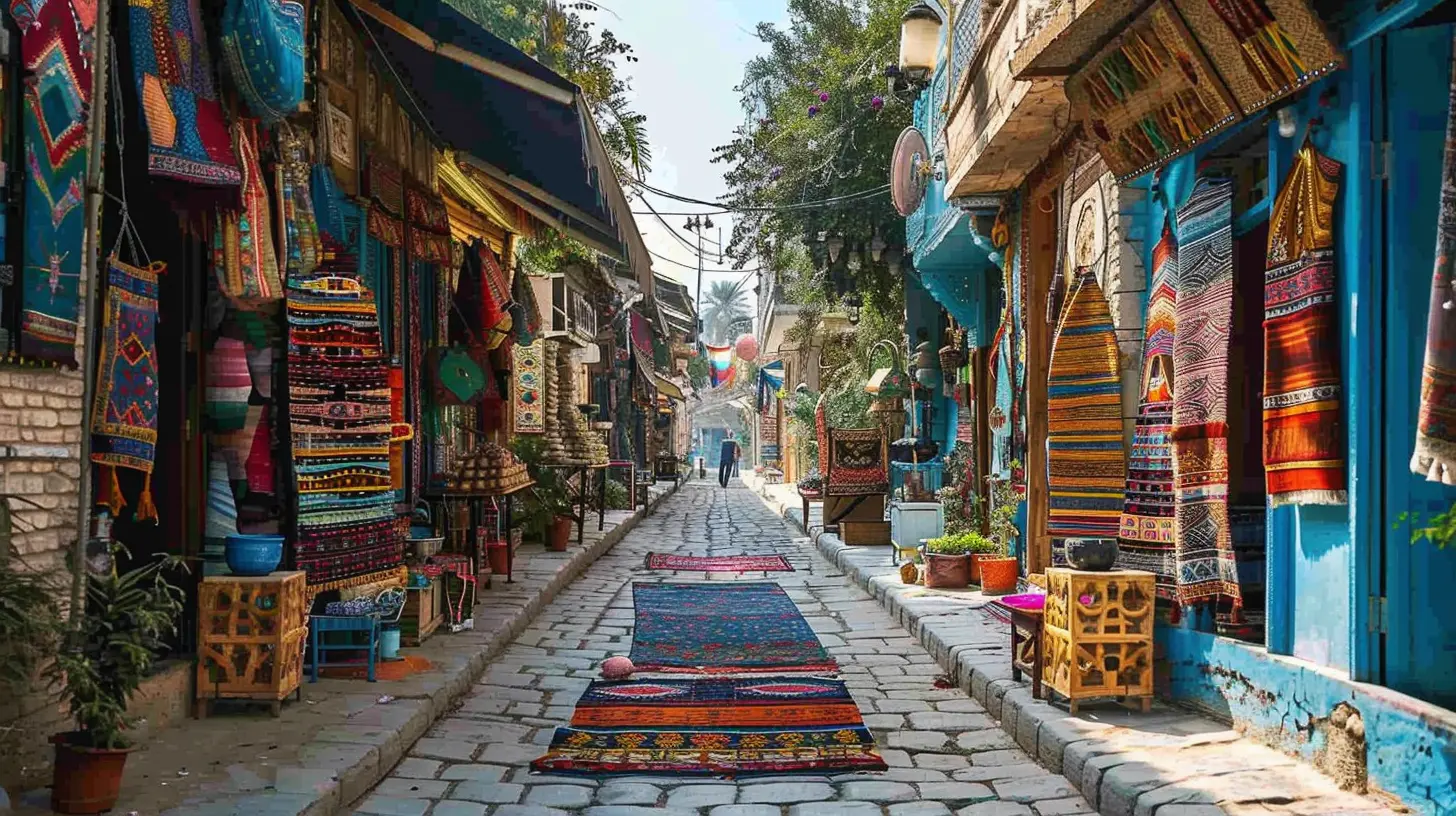
Medieval Markets: Expanding Trade Networks
Fast forward to medieval times, and markets had grown into essential parts of daily life. They weren’t just places to buy and sell goods—they were social and cultural hubs.Think of medieval Europe; towns hosted weekly markets where merchants and farmers gathered to trade goods. Over time, some markets expanded into large fairs, attracting traders from far and wide.
The Silk Road: A Global Marketplace
One of the most famous trade routes in history, the Silk Road, connected the East and West. Stretching from China to Europe, this vast network facilitated the exchange of silk, spices, and even ideas. Markets along the Silk Road, such as those in Samarkand and Kashgar, became melting pots of different cultures.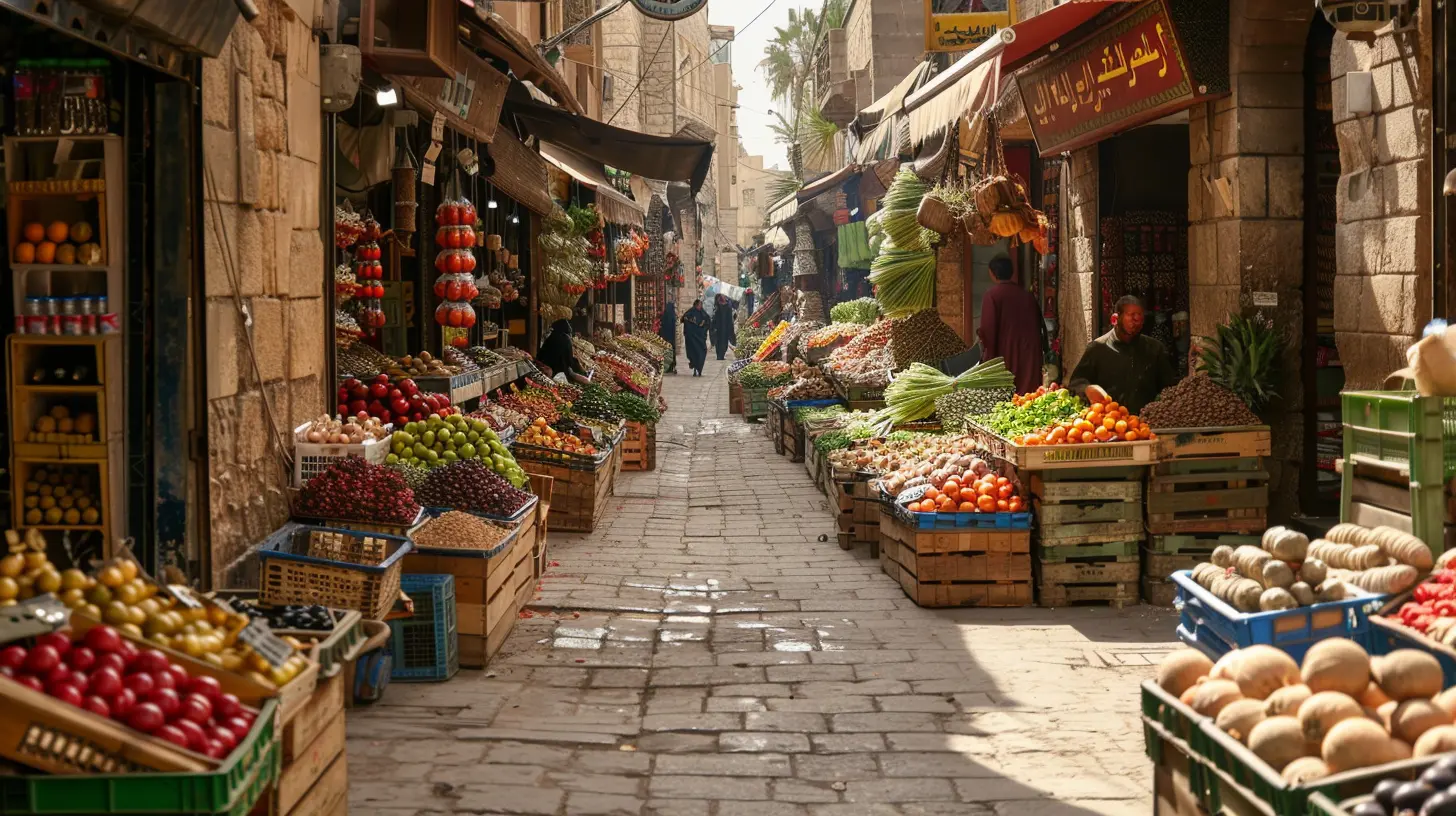
The Bazaar Era: A Shopping Experience Like No Other
By the time we reach the Middle Ages and early modern period, markets had transformed into something more sophisticated—bazaars. These weren’t just places to buy goods; they were experiences in themselves.The Grand Bazaars of the Middle East
If you've ever been to Istanbul’s Grand Bazaar, you know how mesmerizing it is. Established in the 15th century, it's one of the world’s oldest covered markets. With thousands of shops sprawled across a maze-like structure, it’s a sensory overload of colors, scents, and sounds. Bazaars like this weren’t just for shopping—they were centers of social life, gossip, and even politics.The Spice Markets of Asia
Markets in India, China, and Southeast Asia became known for their exotic spices. The Spice Bazaar in Istanbul and the markets of Goa and Guangzhou thrived on the global demand for flavors like pepper, cinnamon, and saffron. These markets shaped world history, fueling European exploration in search of more direct trade routes.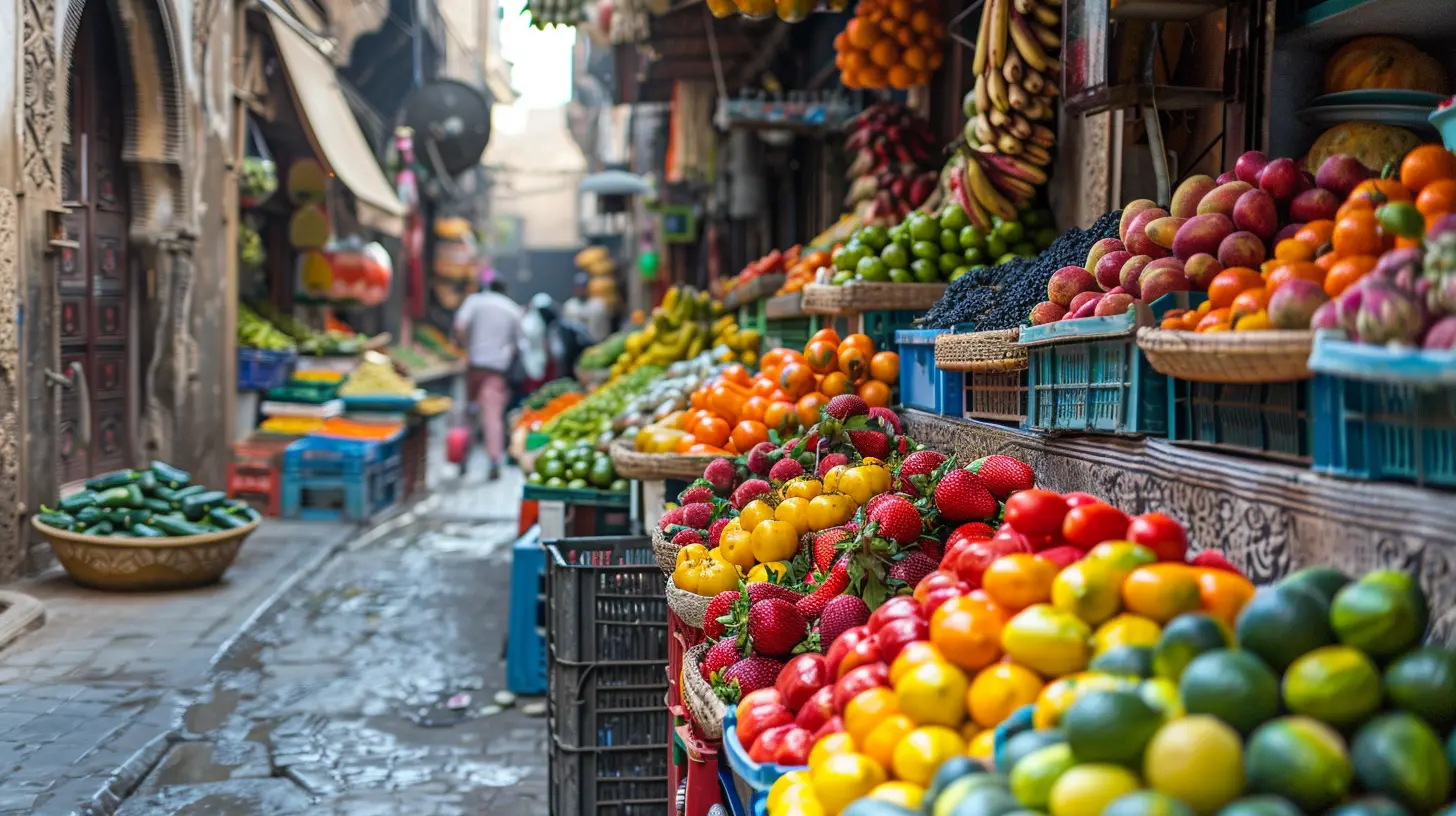
The Industrial Revolution: Markets Meet Modernization
With the Industrial Revolution came mass production, and markets evolved yet again. Instead of handcrafted goods, people could now buy factory-made products at lower prices. This shift led to the rise of modern stores and shopping districts.The Birth of Department Stores
By the late 19th century, department stores emerged, changing the shopping experience altogether. Stores like Harrods in London and Macy’s in New York introduced the concept of browsing under one roof, forever altering how people shopped.Urban Markets and Grocery Stores
City markets turned into permanent fixtures. Fresh food markets like Borough Market in London and Pike Place Market in Seattle became staples for city dwellers, offering everything from seafood to artisanal bread. Meanwhile, the rise of supermarkets in the 20th century brought convenience to grocery shopping, reducing the need for daily market visits.Modern Bazaars: Blending Tradition with Innovation
Today’s markets blend tradition with technology. Whether you're strolling through a traditional souk in Marrakech or shopping online, markets continue to be essential to human life.Street Markets and Farmers' Markets
Despite supermarkets, open-air markets remain popular. Cities worldwide boast vibrant street markets where artisans, farmers, and traders sell directly to customers. Farmers' markets, in particular, have seen a resurgence, fueled by the demand for fresh, locally-sourced produce.The Rise of E-Commerce: A Digital Marketplace
E-commerce has revolutionized how we shop. From Amazon to Etsy, today's digital marketplaces connect buyers and sellers globally, eliminating geographical barriers. Online shopping has become the new norm, providing endless convenience at the click of a button.
The Future of Markets: Where Do We Go from Here?
So, what’s next? With technology advancing rapidly, markets are poised for even more transformation.Smart Markets and AI-Powered Shopping
Imagine walking into a market where AI suggests products based on your preferences. With smart markets integrating data and automation, shopping could become more personalized than ever.Sustainable and Ethical Marketplaces
Consumers today are more conscious about sustainability. Future markets will likely focus on ethical sourcing, eco-friendly products, and transparent supply chains. Farmers’ markets and fair-trade bazaars will continue to thrive as people prioritize quality over quantity.The Metaverse: A Virtual Shopping Revolution?
With the rise of the metaverse, virtual shopping experiences could become mainstream. Picture yourself walking through a digital bazaar, inspecting products in 3D before making a purchase—all from the comfort of your home.Conclusion
Markets have come a long way from simple bartering spots to sprawling digital platforms. Whether in a historic bazaar or a high-tech online store, the essence of markets remains unchanged—they bring people together to exchange goods, ideas, and cultures. As we move forward, markets will continue to evolve, shaping how we buy and sell in ways we’ve yet to imagine.all images in this post were generated using AI tools
Category:
Local MarketsAuthor:

Winona Newman