The Cultural Treasures of Fiji: More Than Just Paradise Beaches
28 February 2026
When most people think of Fiji, their minds usually jump straight to postcard-worthy beaches, crystal-clear waters, and luxury resorts. Sure, the islands boast some of the most stunning beaches on the planet, but there's so much more to Fiji than just its sandy shores. Beneath the surface of this tropical haven lies a rich and diverse culture that's as vibrant as the coral reefs that surround it.
Curious to dive deeper into the cultural treasures of Fiji? Well, grab a piña colada (or maybe some traditional kava) and let's explore what makes this South Pacific paradise truly unique.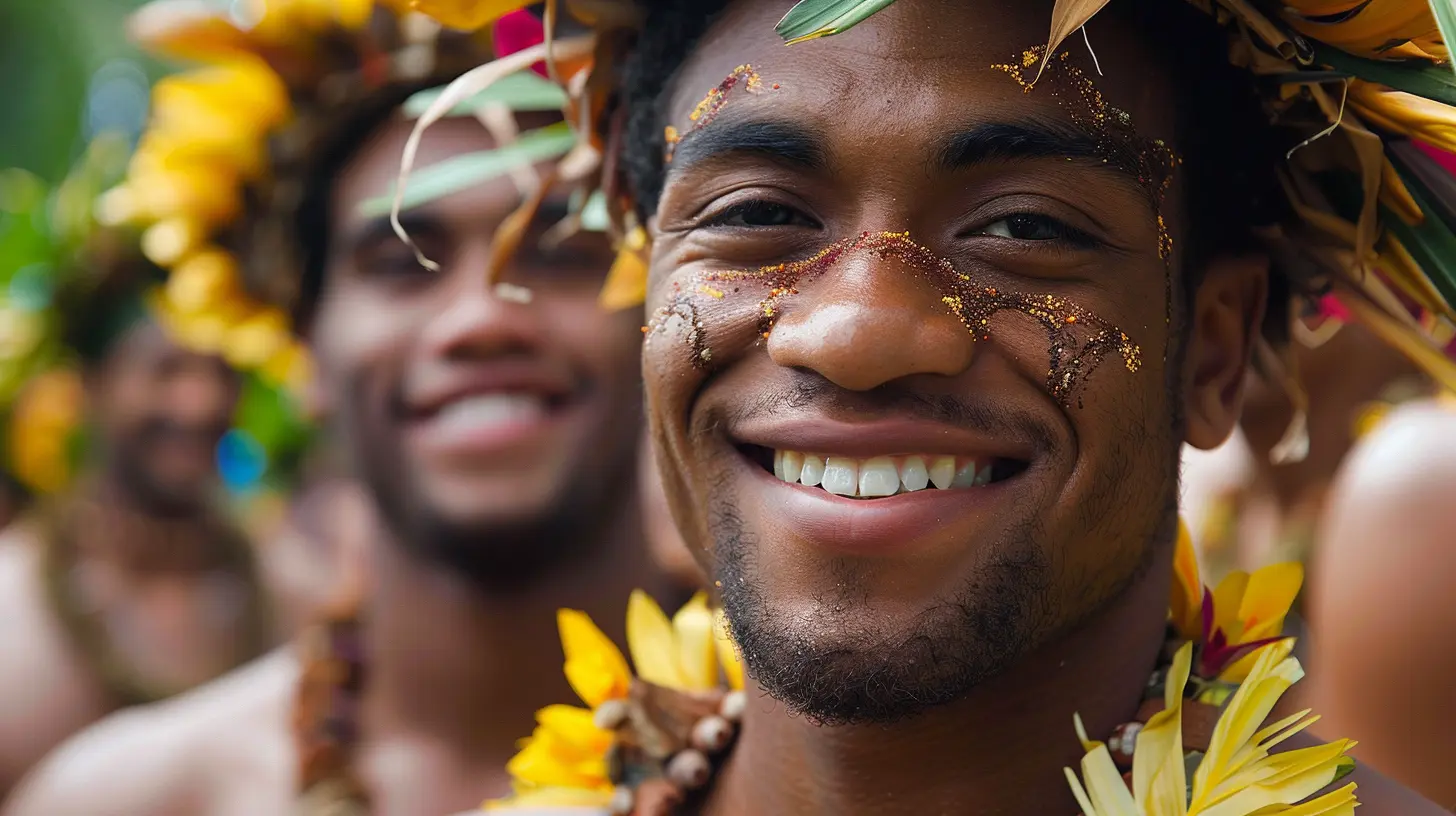
A Melting Pot of Traditions
Fiji's culture is a fascinating blend of indigenous Fijian, Indian, Chinese, and European influences. While indigenous Fijians make up the majority of the population, the islands have become a melting pot of ethnicities and traditions over the years.You see, during the British colonial era, Indian indentured laborers were brought to Fiji to work on sugar plantations. Fast forward to today, and Indo-Fijians now make up a significant portion of the population. This blending of cultures results in an incredible diversity of languages, religions, customs, and, of course, food.
You won’t just find one culture on display in Fiji – it’s a colorful tapestry woven from various threads over centuries. Far from being overshadowed by the beaches, Fiji’s cultural richness demands to be explored, honored, and appreciated.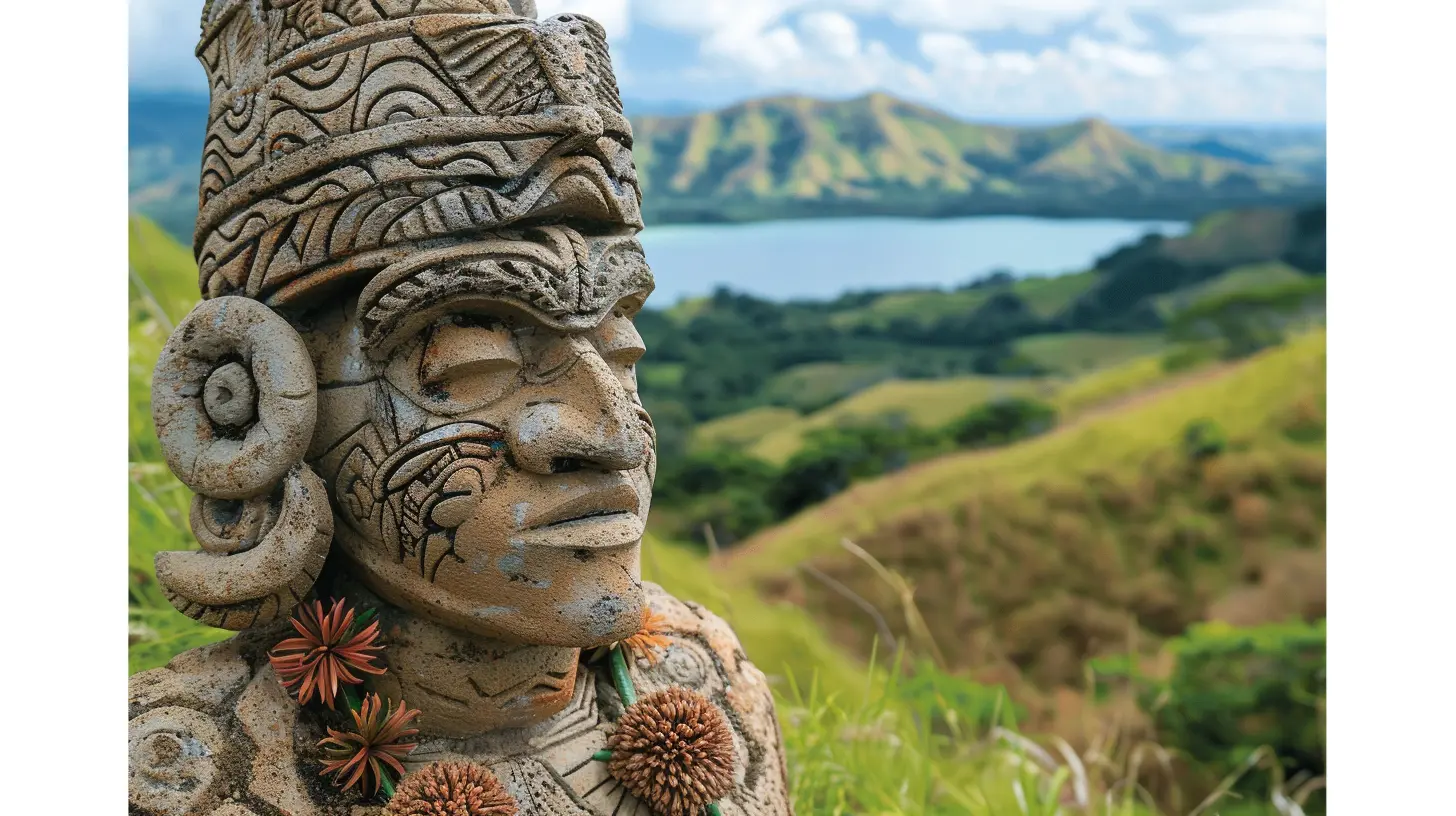
The Fijian Way of Life – “Bula!”
If you’ve ever been to Fiji or even spoken with someone who's had the pleasure, you’ve probably heard the word “Bula!” before. It’s more than just a friendly "hello." Bula is an expression of life, health, and happiness. It encapsulates the Fijian spirit—welcoming, joyful, and community-oriented.The Importance of Community (Vanua)
Speaking of community, Fijian culture places a huge emphasis on it. The word "vanua" in Fijian doesn’t just mean land; it also refers to the people and their identity. It’s about collective responsibility, essentially meaning that the land and the community are one and the same. When you’re in Fiji, you’re not just a visitor... you become part of the family, or “extended tribe,” so to speak.Traditional Villages and Sevusevu
Want to get a real sense of Fijian culture? Visit a traditional Fijian village. No trip to Fiji is complete without experiencing the "Sevusevu" – a time-honored ceremony where visitors present kava (a drink made from the root of a pepper plant) as a gift of respect to the village chief. It's their way of saying, “Thank you for welcoming me into your community.” And yes, you’ll probably have to drink some too. Fair warning: it's an acquired taste!Kava is more than just a beverage; it's a symbol of unity and respect. Sharing a bowl of this earthy-tasting concoction aligns with deep-rooted customs of togetherness and goodwill. From weddings to settling disputes, kava ceremonies are central to social life in Fiji.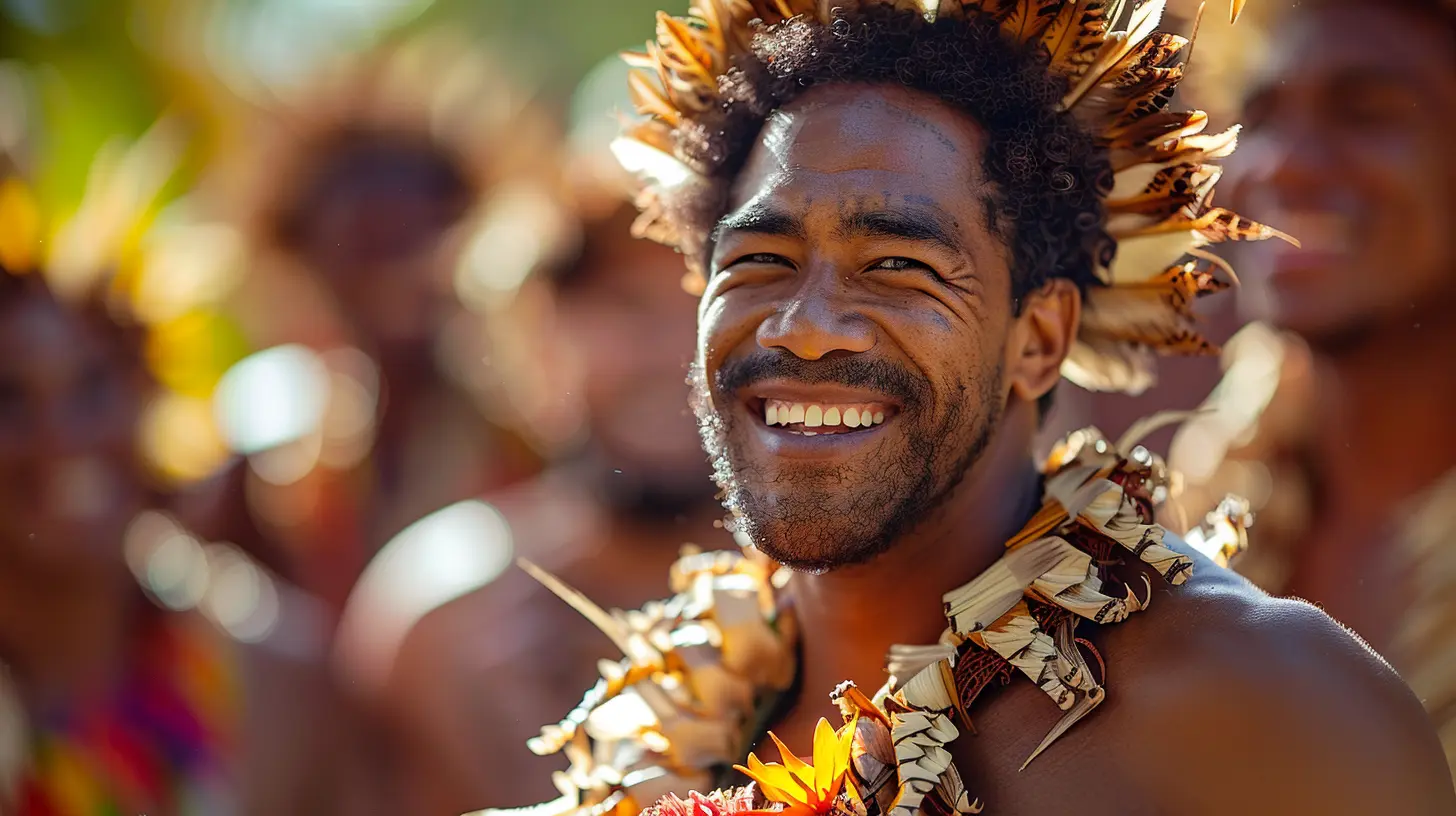
Festival Fever – When Fiji Comes Alive
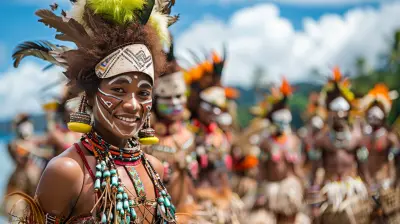
If there’s ever a time to see Fiji’s culture in full swing, it’s during one of their many festivals. These celebrations are where you’ll see the island’s vibrant traditions come to life through music, dance, food, and colorful attire. Picture a massive celebration where everyone’s included – that’s Fiji for you.Hibiscus Festival
Arguably the biggest festival in Fiji is the annual Hibiscus Festival. Held in the capital city, Suva, it's a week-long extravaganza celebrating everything Fijian. Parades, concerts, beauty pageants, and endless food stalls fill the streets, making it a perfect chance for visitors to dive headfirst into local culture. It’s like Carnival, but with a Fijian twist!Diwali
Because of the large Indo-Fijian population, Hindu festivals like Diwali hold special significance in Fiji. Homes are decorated with oil lamps, streets are lit up with fireworks, and families feast on a variety of sweets. It’s a time to celebrate the victory of light over darkness, and the sense of joy and unity this festival brings is palpable.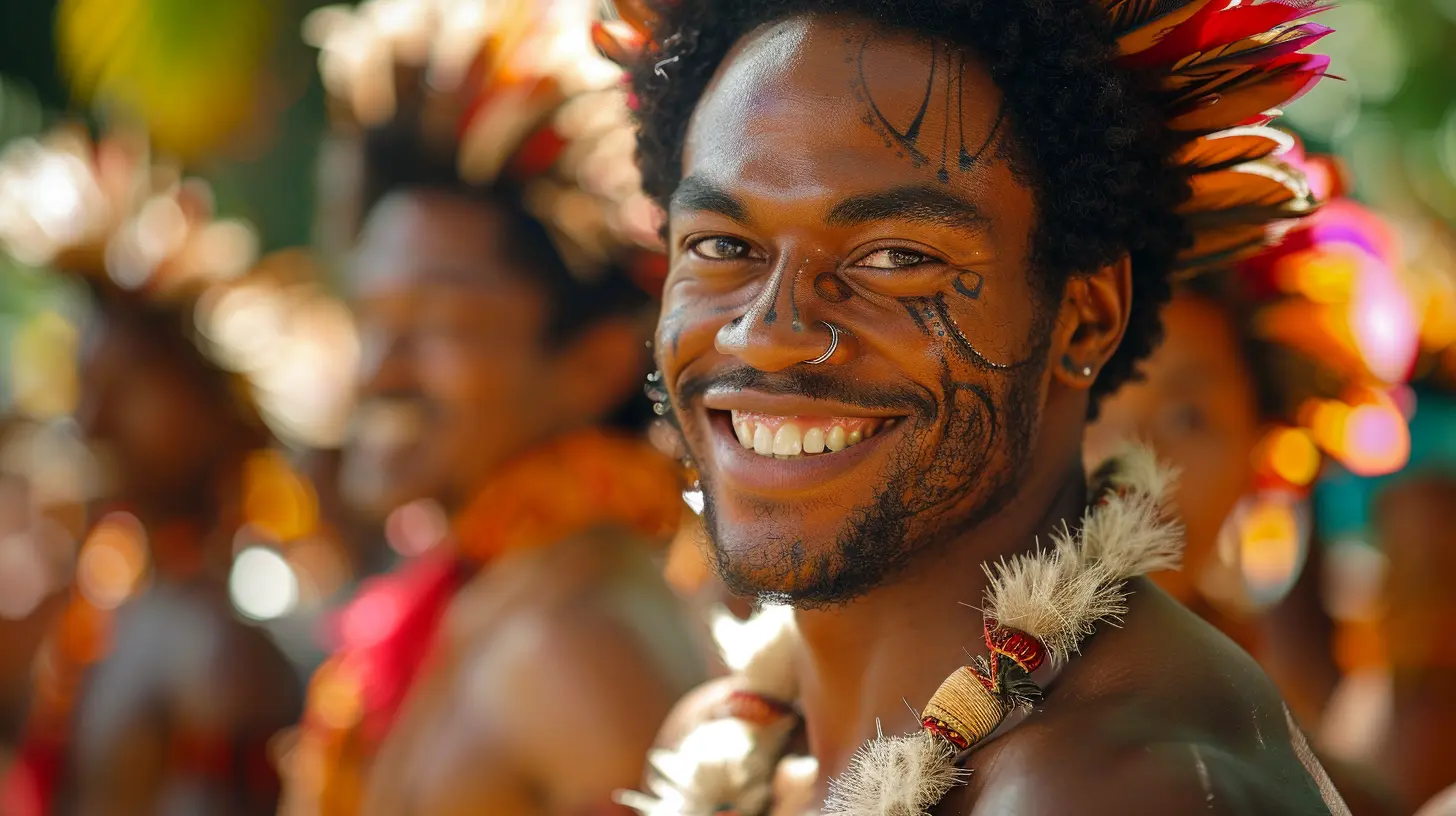
Fijian Art & Crafts: More Than Just Souvenirs
When you're roaming the local markets in Fiji, it’s easy to see that art and craftsmanship hold a special place in the hearts of Fijians. From intricately woven baskets to beautiful tapa cloth, the craftsmanship in Fiji reflects an age-old tradition passed down through generations.Tapa Cloth
Made from the bark of the mulberry tree, Tapa cloth is a standout in Fijian art. But it's more than just a decorative piece. Tapa is deeply tied to Fijian identity and is used in various ceremonies like weddings, funerals, and other significant social activities. The geometric patterns and earthy colors of Tapa tell stories about the culture, history, and beliefs of the Fijian people.Carved Wooden Artifacts
Another traditional art form in Fiji is wood carving. You’ll often come across beautifully carved tatau bowls or war clubs made from strong woods like vesi or mangrove. While these pieces once served practical purposes in everyday life or warfare, today they stand as souvenirs that capture the essence of Fijian history and traditions.Music, Dance, and Fijian Storytelling
Fijian culture thrives on oral traditions, and storytelling is often woven into the music and dances that visitors are lucky enough to witness. If you listen closely to Fijian folk songs, or join in a traditional dance, you're not just hearing music—you're experiencing generations of stories, beliefs, and shared histories.Meke – The Traditional Dance
Looking for something truly authentic? Then you need to witness, or better yet, participate in a Meke performance. This traditional Fijian dance combines music, dance, and chants to tell stories of love, war, and daily life. Men might perform vigorous spear dances, while women offer graceful fan dances. Every movement has meaning, and the combination of voices, drums, and emotional energy makes Meke an experience not to be missed.Gospel and Choir Music
Gospel music also has a strong presence in Fiji, thanks to the influence of Christian missionaries in the 19th century. Many Fijians still sing in church choirs today, and if you’re fortunate enough to catch one, don’t be surprised if their harmonies give you goosebumps.Fijian Cuisine: A Taste of the Islands
No blog on Fijian culture would be complete without talking about the food. Fijian cuisine might not be as world-renowned as French or Italian, but trust me, it's going to surprise you with its unique flavors and influences.Lovo – Fijian Earth Oven
One of the most traditional dishes you’ll come across is Lovo, which is basically an underground barbecue. The food (usually fish, chicken, or pork, along with root crops like taro and cassava) is wrapped in banana leaves and slow-cooked in an earth oven. The result? Smoky, tender, and oh-so-flavorful dishes that taste like a hug from the islands themselves.Indo-Fijian Flavors
Because of the Indo-Fijian influence, you’ll also find plenty of spicy curries, rice dishes, and roti. Whether it’s a dhal soup or a savory fish curry, the fusion of Indian and Fijian flavors is pure culinary magic. If you’re a foodie at heart, Fiji offers flavors you’ll find nowhere else in the world.Cultural Preservation in a Changing World
Like many places around the globe, Fiji faces the challenge of preserving its culture in a rapidly modernizing world. Tourism has brought about economic growth, but it can sometimes put pressure on traditional ways of life. Thankfully, Fijians have managed to strike a balance between welcoming progress and holding onto their roots.Many villages, especially in the more rural parts of Fiji, still follow the customs that have existed for centuries. Elders are key decision-makers, traditional ceremonies are held regularly, and children learn their cultural practices from an early age.
It’s a delicate balance, but the Fijian commitment to cultural preservation is clear. Whether through village life, festivals, or rituals, Fijians remain fiercely proud of their heritage.
Conclusion: Unlocking Fiji’s Real Treasure
While Fiji’s beaches may initially draw you in, it’s the rich, dynamic culture that will truly capture your heart. From the warmth of the Fijian people and the depth of their traditional rituals to the exciting fusion of Indo-Fijian influences and the timeless stories told through song and dance – Fiji is a cultural treasure trove waiting to be uncovered.So, the next time you're planning a trip to this Pacific paradise, take a detour off the beach and immerse yourself in the heart of Fijian life. Trust me, you won’t regret it.
all images in this post were generated using AI tools
Category:
Oceania TravelAuthor:

Winona Newman
Discussion
rate this article
2 comments
Viva McCool
Fiji’s rich tapestry of culture, from vibrant festivals to traditional crafts, offers travelers a profound connection that goes beyond its stunning beaches.
March 3, 2026 at 4:23 AM
Winona Newman
Absolutely! Fiji's culture truly enriches the experience, making it so much more than just a beautiful destination.
Astoria McTavish
This article beautifully highlights Fiji's rich cultural heritage. It's a wonderful reminder that there's so much more to explore beyond its stunning beaches. Thank you for sharing!
March 2, 2026 at 4:16 AM
Winona Newman
Thank you for your kind words! I'm glad you enjoyed the exploration of Fiji's cultural treasures beyond its beautiful beaches.