Elevate Your Travel Photos with Aerial and Drone Photography
16 December 2025
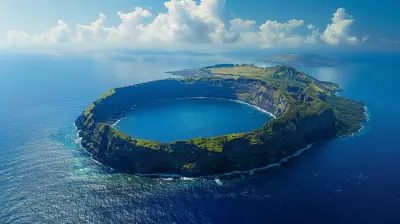
Let’s be honest—those postcard-perfect travel photos you scroll past on Instagram? They’re simply on another level. And there’s a reason for that: aerial and drone photography. If you’ve ever gasped at a surreal bird’s eye shot of a stunning coastline or a winding mountain road, you already know the magic these perspectives bring.
Now imagine adding that same jaw-dropping "wow" factor to your own travel album. Sounds like a dream, right? Good news—it’s totally within your reach. Whether you’re a curious beginner or a seasoned globe-trotter wanting to crank your photography up a notch, drones can unlock perspectives traditional cameras just can’t touch.
In this guide, we’re diving deep into how to elevate your travel photos with aerial and drone photography—without getting lost in technical jargon or losing sight of what really matters: capturing unforgettable moments in epic ways.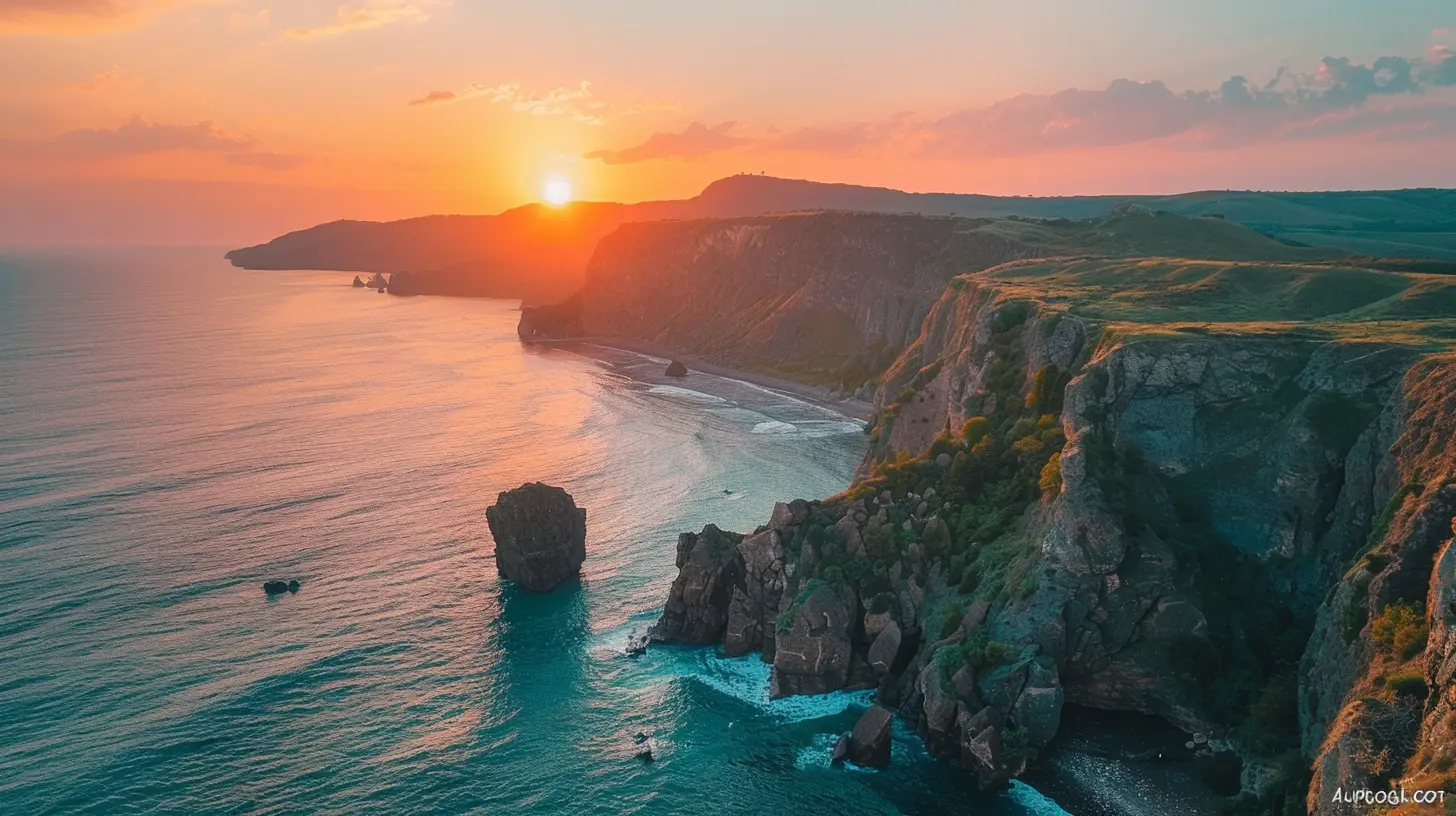
Why Add Aerial and Drone Photography to Your Travels?
Your Perspective Literally Changes
Let’s start with the most obvious perk: altitude. Traditional cameras keep us grounded. But drones? They lift us up—literally. That totally altered perspective lets you reimagine even the most photographed destinations.Ever seen Machu Picchu from above? Or the serpentine bends of Amalfi Coast roads from the sky? These views can turn even the most cliché travel shots into absolute masterpieces.
Tell a Bigger Story
A wide, sweeping shot from above can capture context that a regular camera just can’t. Instead of a single monument, imagine including the entire landscape around it—rivers, mountains, the nearby village. It’s like going from a sentence to an entire chapter in your travel diary.You're No Longer in the Crowd
Raise your hand if you’ve ever tried to get the perfect shot but got photo-bombed by hordes of tourists. Drones help you escape the crowd—sometimes literally flying above them. You don’t have to push through people to capture a quiet moment. You just fly up and find it.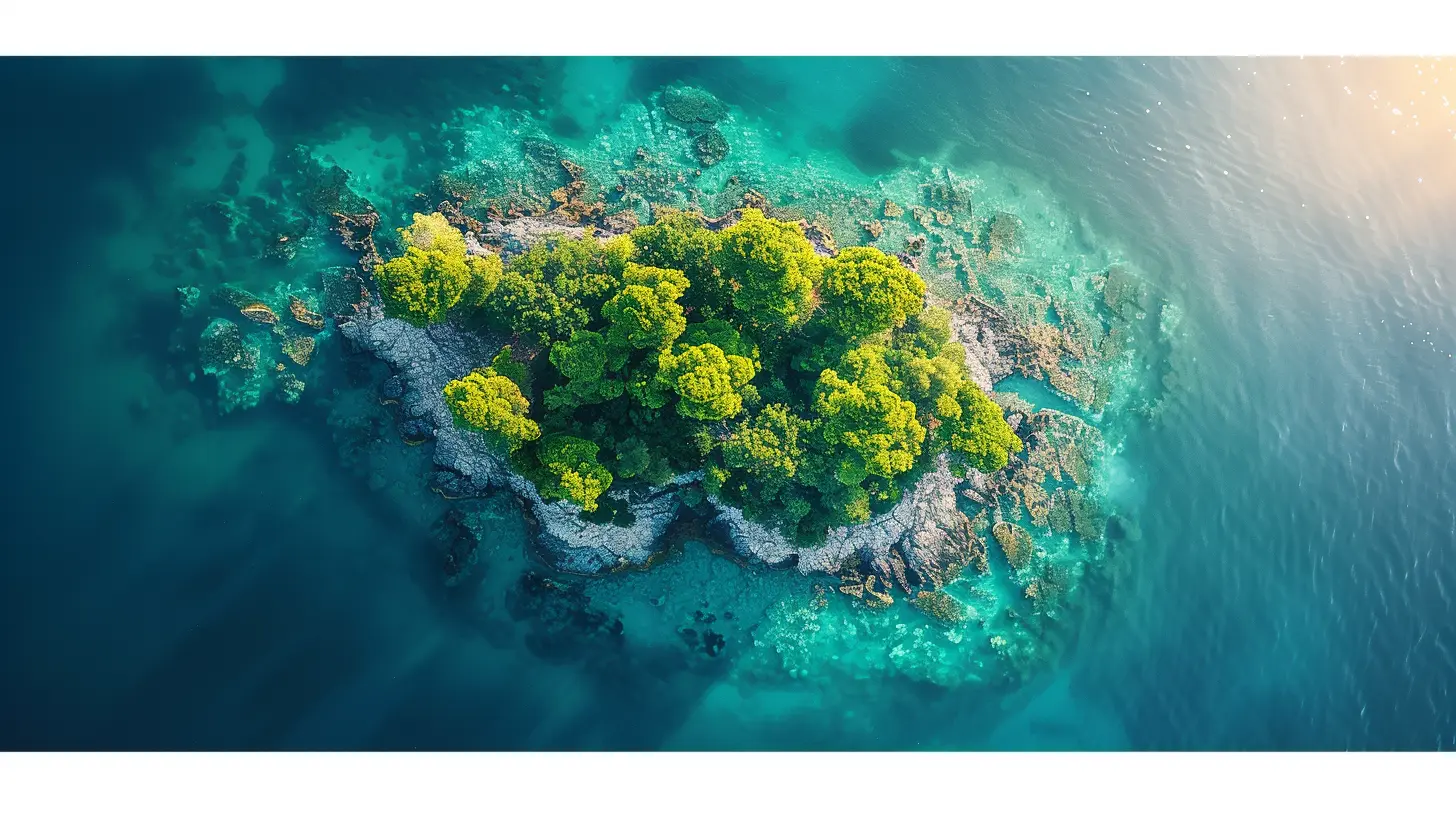
Choosing the Right Drone for Travel Photography
Size Matters (But Not Always)
You want something lightweight and portable, especially if you're backpacking or hopping between flights. Look for drones that fold up and easily slip into daypacks. DJI Mini 3 Pro or Autel Nano+ are fan favorites among travelers for this very reason.Camera Quality
What’s the point of going aerial if your drone captures potato-quality images? Aim for at least a 4K camera with a 3-axis gimbal to ensure crisp footage and smooth video. Larger sensors also help you keep clarity in low-light conditions like sunrise or sunset.Flight Time & Battery Life
More airtime means more shots and less battery anxiety. Most travel-grade drones offer 20–30 minutes per battery. Pro tip? Always carry 2–3 backup batteries—nothing kills the vibe like a dead drone mid-adventure.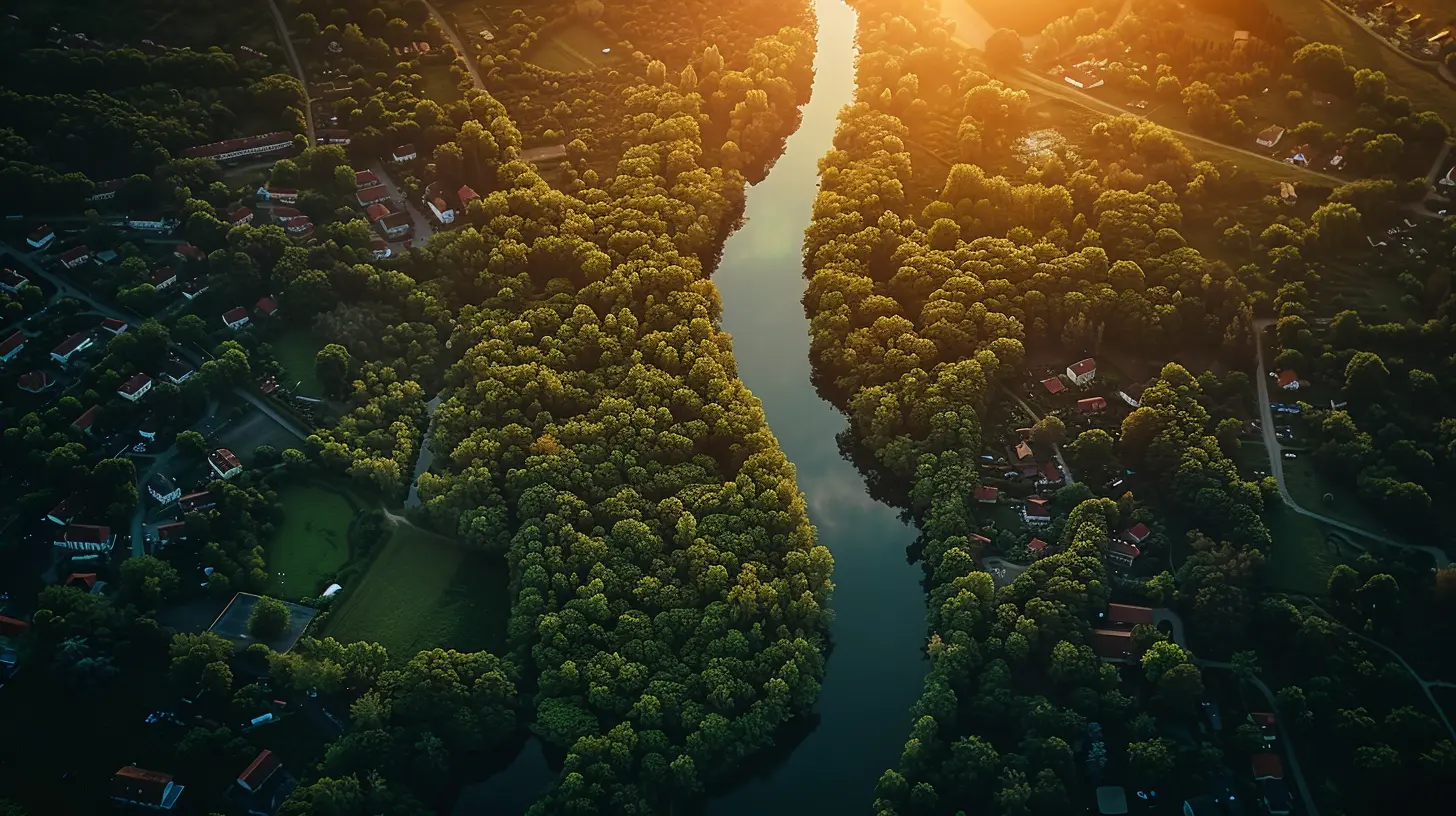
Mastering the Basics Before You Fly
Even though drones are more user-friendly now, there’s still a learning curve. You wouldn’t try driving stick shift on a mountain road without practice, right?Practice at Home First
Before launching it above cliffs or villages, test it out in your backyard or a nearby park. Get the hang of basic controls, auto-hovering, and return-to-home features. Trust me, it’ll save you heartache (and potential crashes) later.Know the Rules (Seriously)
Different countries have different drone regulations. Some require permits; others ban drones in national parks or urban areas. Apps like AirMap, DroneMate, and B4UFLY help you check local restrictions in real time.Flying legally also means respecting privacy. Nobody wants a drone buzzing past their balcony at breakfast.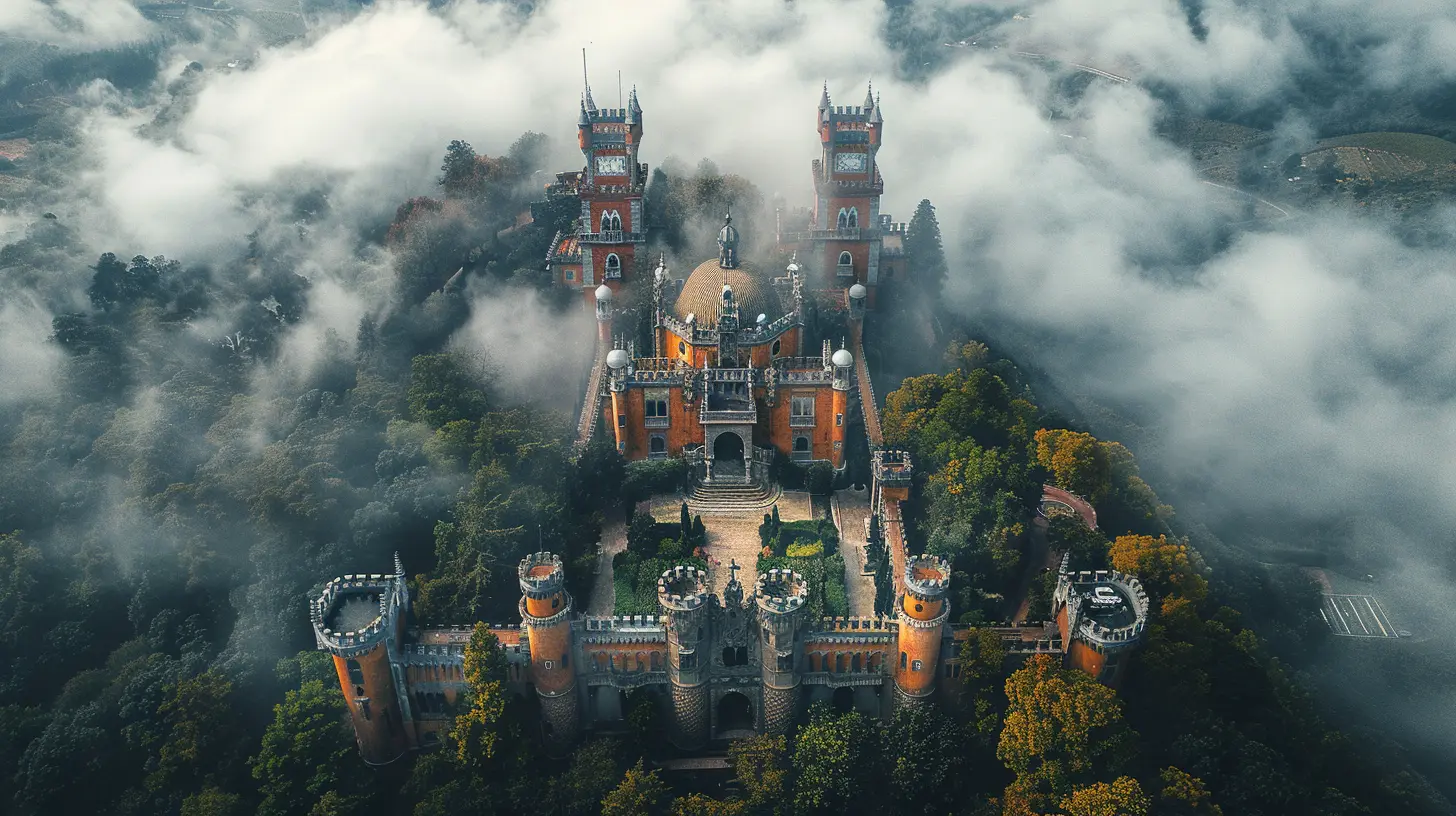
Tips to Snap Killer Travel Shots from the Sky
You’ve got your drone, your location, and your batteries… now what? It’s not just about flying—it’s about flying smart. Here's how to make your shots stand out.1. Chase Golden Hour
Just like with regular photography, the best times to shoot are sunrise and sunset. Golden hour light is softer, warmer, and more dramatic—plus you'll avoid harsh shadows and overexposed highlights.2. Composition is Still King
Drone or not, the rule of thirds still applies. Use your drone’s gridlines to align your shot. Place the horizon on the top or bottom third—not smack in the middle. Look for patterns, symmetry, or leading lines (like roads or rivers) to guide the eye.3. Don’t Always Go Higher
It’s tempting to fly as high as legally possible, but your best shot might be mid-level. Experiment with angles: tilt the camera for a cinematic view or fly low and close for a sweeping pan along the terrain.4. Mix Videos with Stills
Use the drone to capture time-lapses, slow-mo shots, or a dramatic fly-through of a landscape. A 10-second panoramic flight over a cliffside town? Totally Insta-worthy.5. Pack a Polarizing Filter
Want those tropical blues to absolutely pop and reduce glare from water or snow? A polarizing filter is your new best friend. It attaches to your drone camera lens and works like sunglasses for your shots.Drone Photography in Different Travel Settings
Whether you're chilling by the coast or hiking in the highlands, drones adapt beautifully. Here’s how to bring out the best in each setting.Coastal Destinations
Think turquoise waters, white sand, and endless ripples. From above, beaches become canvases of color and contrast. Capture boats casting shadows in clear waters or waves curling onto the shore in slow motion. Try an overhead shot of you lying on a sandbar—yep, you’ll look like a tiny, happy dot in paradise.Mountains and Canyons
Mountains offer contrast, depth, and epic drama. Fly your drone along ridges and let the terrain scroll beneath like a scene from a fantasy film. Use elevation changes to your advantage—launch from below and rise dramatically with the peaks.Cities and Architecture
Urban skylines pop with symmetry and geometry. Capture winding alleys, rooftop mosaics, and buzzing traffic from above. But be mindful—many cities have strict drone laws, so research before launching in populated areas.Rural Scenic Routes
Farms, rice terraces, vineyards... Rural landscapes are all about patterns. Flying over rows of crops or patchwork fields can offer stunning symmetry. Bonus: these areas often have fewer regulations, so you’ll enjoy more freedom.Editing Your Drone Photos Like a Pro
Snapping the shot is just half the game. Post-processing can elevate your image from “nice” to “No way, you took that?!”Use Presets (But Don’t Overdo It)
Presets in apps like Lightroom Mobile or VSCO help you maintain a consistent look. Just don’t crank the saturation to 300%. Keep skin tones natural and skies believable. A good preset should complement the image, not overpower it.Embrace Cropping
Sometimes the magic is in the details. Cropping helps you zoom into a unique pattern or symmetry you didn’t notice initially. You might find a shot within the shot.Correct Distortion
Wide-angle drone lenses can warp images, especially on the edges. Most editing apps let you correct for lens distortion—use it to keep lines straight and perspectives clean.Ethical Drone Photography: Do’s and Don’ts
Let’s fly responsibly, yeah? It’s cool to capture stunning images, but not at the expense of nature or people.Do:
- Respect wildlife. Don’t fly near animals—they can get spooked.
- Keep noise down. Flying over people? Give them space.
- Follow no-fly zones religiously. Airports, government buildings, and many UNESCO sites are off-limits.
Don’t:
- Use your drone to invade private spaces.
- Chase animals or vehicles (this isn’t a Fast & Furious movie).
- Fly in high winds or bad weather.
Being a responsible drone pilot builds respect and keeps the privilege in the air.
Final Thoughts: Sky’s Not the Limit, It’s the Beginning
Drone photography adds a whole new layer to your travel storytelling. It helps you stand out in a sea of selfies and food shots, offering views only birds used to enjoy. You don’t need to be a tech wizard or a professional photographer to start—just a bit of curiosity, a fair amount of practice, and the willingness to see the world from new heights.So next time you’re packing for your big adventure, make a little room for your drone. Trust me, the photos you’ll capture will be absolutely next level.
Go on. Get high on adventure—literally.
all images in this post were generated using AI tools
Category:
Travel PhotographyAuthor:
Winona Newman
Discussion
rate this article
2 comments
Charlie McHugh
Take your travel snaps to new heights! 🌍✨ Aerial photography transforms ordinary views into extraordinary memories. Get ready to elevate your Instagram game! 🚁📸
January 20, 2026 at 5:58 PM
Winona Newman
Absolutely! Aerial photography truly elevates travel photos, capturing stunning perspectives that make your adventures unforgettable. Let's soar to new heights! 🚁✨
Zareth Stevens
Absolutely love this topic! Aerial and drone photography can truly transform travel photography into breathtaking art. Your tips are inspiring and make me want to explore new perspectives on my next adventure. Keep sharing these fantastic insights—excited to see everyone’s stunning shots!
December 27, 2025 at 6:04 PM
Winona Newman
Thank you so much for your kind words! I'm thrilled to hear that you're inspired to explore new perspectives. Happy shooting, and I can't wait to see your stunning shots!