The Best Coast-to-Coast Journeys Across Continents in 2026
5 May 2026
You know that itch. The one that starts in your boots and works its way up until you're staring at a map, tracing a line from one edge of a continent to the other. It's not about the destination, really. It's about the dirt under your fingernails, the weird roadside diners, the sun hitting your face from a different angle every afternoon. In 2026, coast-to-coast trips are getting a serious upgrade. Roads are smoother, trains are faster, and the world feels smaller in a way that makes these big slogs feel more doable than ever.
Let me walk you through the best cross-continental hauls you can actually do next year. No fluff, no "hidden gems" nonsense. Just honest routes that'll give you a story to tell.
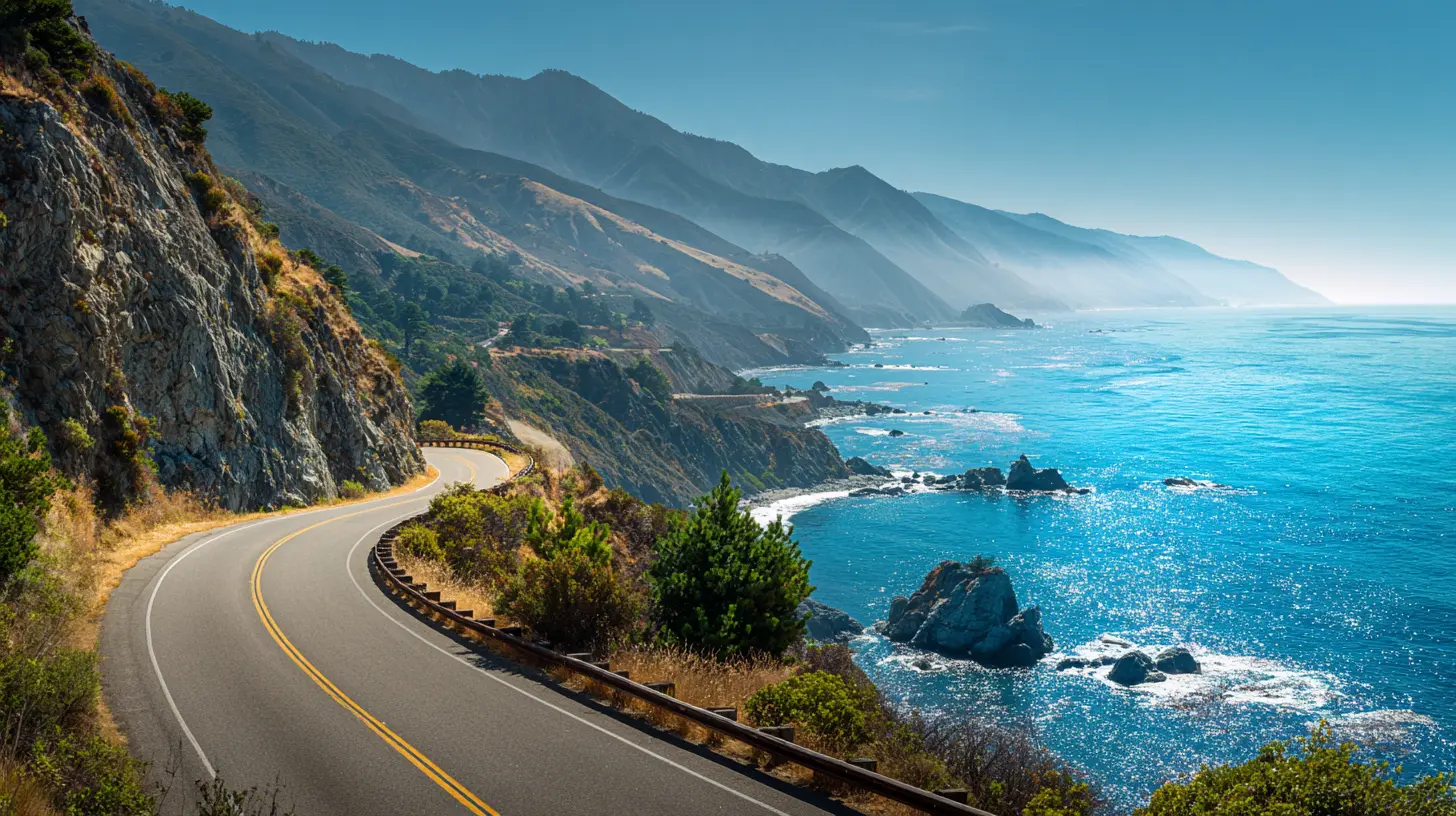
North America: The Classic American Road Trip, But Smarter
Everyone talks about Route 66, but let's be real. That stretch from Chicago to Santa Monica is a nostalgic ghost town in places. In 2026, the smarter play is the Northern Tier or the Southern Pacific route. But if you want the real deal, go coast-to-coast from New York to San Francisco.Why This Works in 2026
The infrastructure for long-distance driving in the US has never been better. Electric vehicle charging stations are finally not a joke. You can do this whole trip in a rented EV if you plan your stops around the big charging hubs. Plus, the national parks are getting less crowded because of the timed entry systems. You can actually breathe at Yosemite without elbowing someone for a photo.Start in New York. Not Times Square. Start in Brooklyn, grab a bagel, and head west. You'll hit the Pennsylvania farmlands, then the flat nothing of Ohio and Indiana. That's where the real America lives. The diners where the coffee is burnt and the pie is fresh. Then you get to the Mississippi River, and suddenly the landscape shifts. The plains of Nebraska feel endless. You'll think, "Did I make a mistake?" No, you didn't. That emptiness is the point.
By the time you hit the Rockies in Colorado, your car will smell like gas station coffee and fast food wrappers. You'll pull over at a random overlook, and the mountains will hit you like a wall. Then it's through Utah's red rocks, Nevada's desert, and finally, the California coast. The Pacific Ocean at the end feels like a reward you actually earned.
Pro tip: Skip the interstates where you can. Take US-50 through Nevada. It's called "The Loneliest Road in America" for a reason. You'll see maybe five cars in three hours. That's the kind of solitude you can't buy.
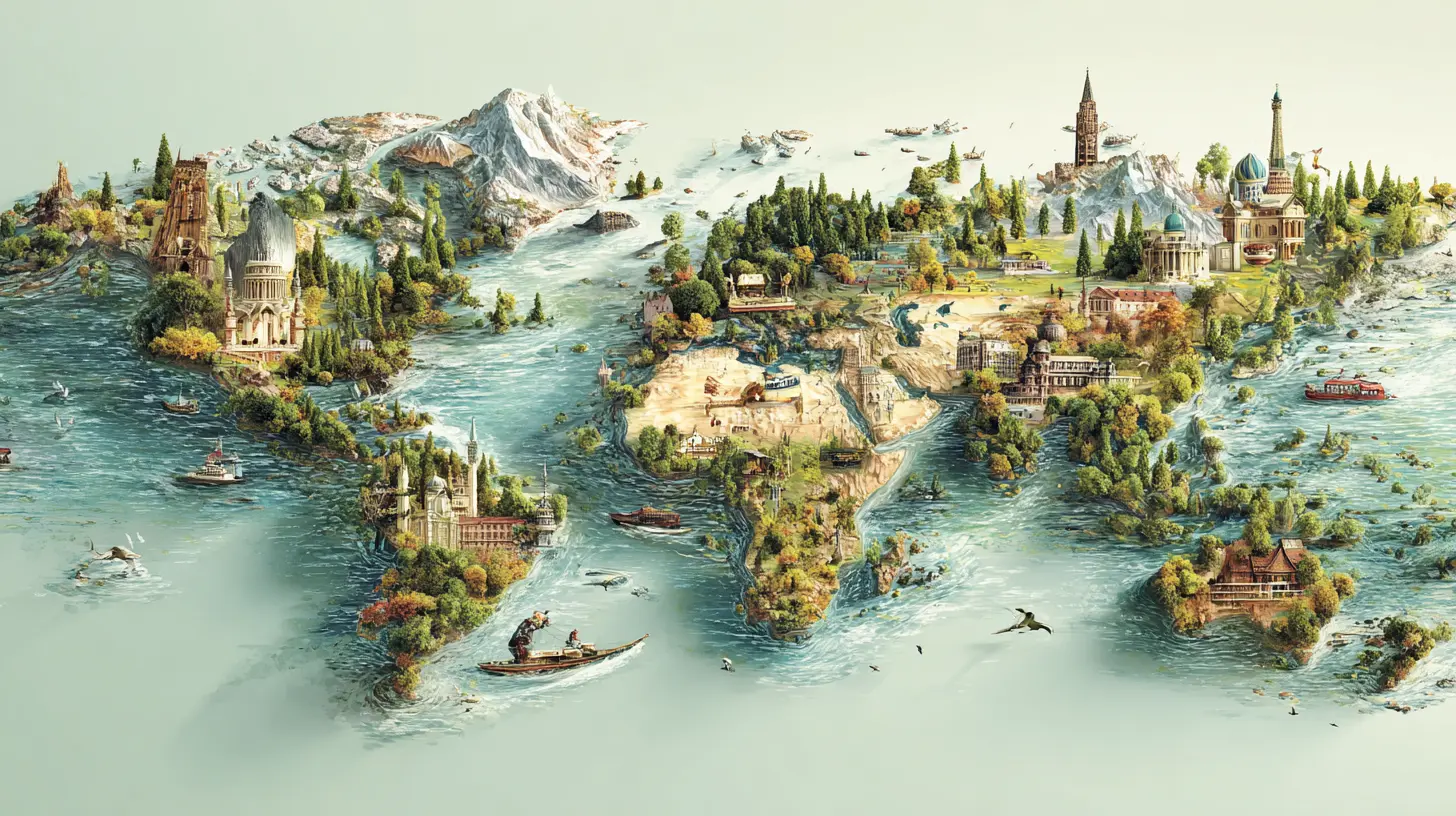
South America: The Ruta 40 vs. The Pan-American Highway
South America is a different beast. You're not just crossing a continent; you're crossing climates, cultures, and altitudes. In 2026, two routes stand out: Argentina's Ruta 40 and the Pan-American Highway through Central America into South America.Ruta 40: The Spine of Argentina
This is the wild child of coast-to-coast journeys. Ruta 40 runs along the Andes from the southern tip of Patagonia all the way up to the Bolivian border. But for a true coast-to-coast feel, start in Buenos Aires on the Atlantic, drive west to the Andes, then head south to Ushuaia. That's a proper cross-continent slog.The road is unpaved in places, even in 2026. You'll need a rugged 4x4, not a sedan. You'll pass through tiny towns where the only place to sleep is a hostel run by a guy named Carlos who speaks no English but makes the best empanadas you've ever had. The landscapes change from pampas grasslands to glacial lakes to the barren steppe of Patagonia. The wind will howl at you. The road will try to shake your teeth loose. But when you see the Fitz Roy mountain at sunrise, you'll forget every bump.
The Pan-American Highway: A Different Kind of Challenge
This one is more famous but trickier. The Darien Gap between Panama and Colombia is still a no-go for vehicles. You have to ship your car or take a ferry. In 2026, that ferry service is more reliable, but it's still a hassle. If you're up for it, start in Alaska, drive through Canada, the US, Mexico, Central America, then ship across the gap and continue through South America to Tierra del Fuego. That's a coast-to-coast (and then some) journey that takes months. It's not for beginners. It's for people who want to say they drove from the Arctic to Antarctica without flying.Honest take: If you only have two weeks, skip the Pan-American. Do Ruta 40. It's more concentrated, less bureaucratic, and the scenery is jaw-dropping.
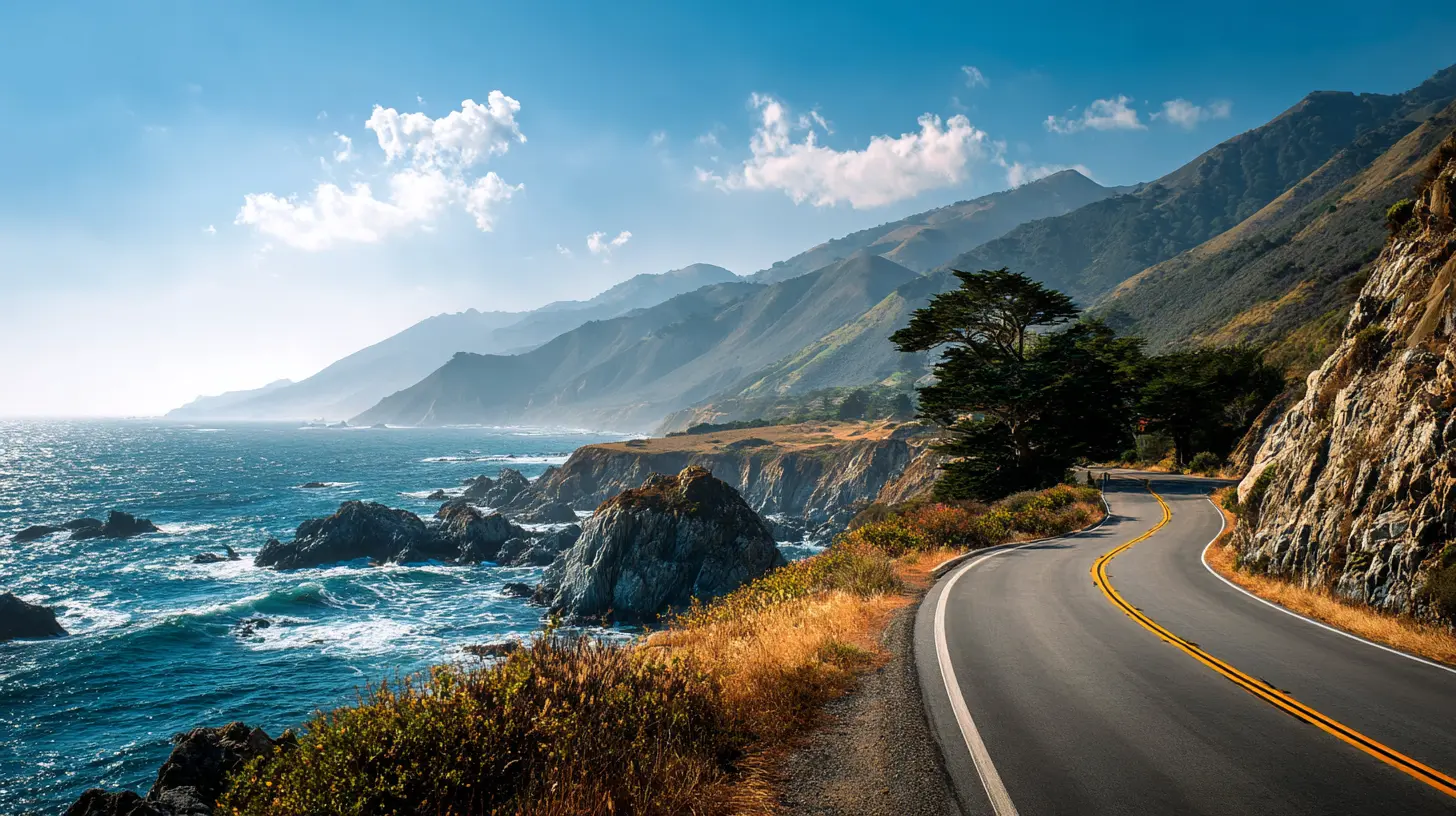
Europe: The Train Is the Answer
Europe is small. You can drive from Portugal to Poland in a long weekend. But in 2026, the real coast-to-coast journey is by rail. The European Union has been pumping money into high-speed rail connections, and it's paying off. You can now go from Lisbon, Portugal, all the way to Istanbul, Turkey, without touching a plane.The Lisbon-to-Istanbul Rail Route
This isn't one train. It's a puzzle. You take the Alfa Pendular from Lisbon to Madrid. Then the AVE to Barcelona. Then a sleeper train to Paris. From Paris, the TGV to Munich. Then the OBB Nightjet to Vienna. Then a connection to Budapest. Finally, the Balkan Express to Istanbul. It's a three-day trip if you do it nonstop, but you'd be an idiot to do that.Break it up. Spend a night in Barcelona eating tapas at 2 a.m. Walk the Ringstrasse in Vienna. Eat a kebab in Budapest at a ruin bar. By the time you roll into Istanbul, you'll have seen the soul of Europe from the Atlantic to the Bosphorus. The best part? You don't need a car. You can drink wine on the train, watch the countryside blur by, and let someone else do the driving.
The catch: Sleeper trains are still expensive in 2026. Book months in advance. Also, the Balkan leg can be delayed. Bring a book and patience.
Driving the Atlantic Road to the Black Sea
If you prefer four wheels, drive from the cliffs of Ireland's Wild Atlantic Way to the Romanian Black Sea coast. That's a 4,000-mile monster. You'll cross Ireland, UK, France, Belgium, Germany, Czech Republic, Slovakia, Hungary, Romania. It's a crash course in European history. You'll see medieval castles, Soviet-era apartment blocks, and pristine forests. The roads in Eastern Europe are better than they were ten years ago, but potholes still exist. Watch your suspension.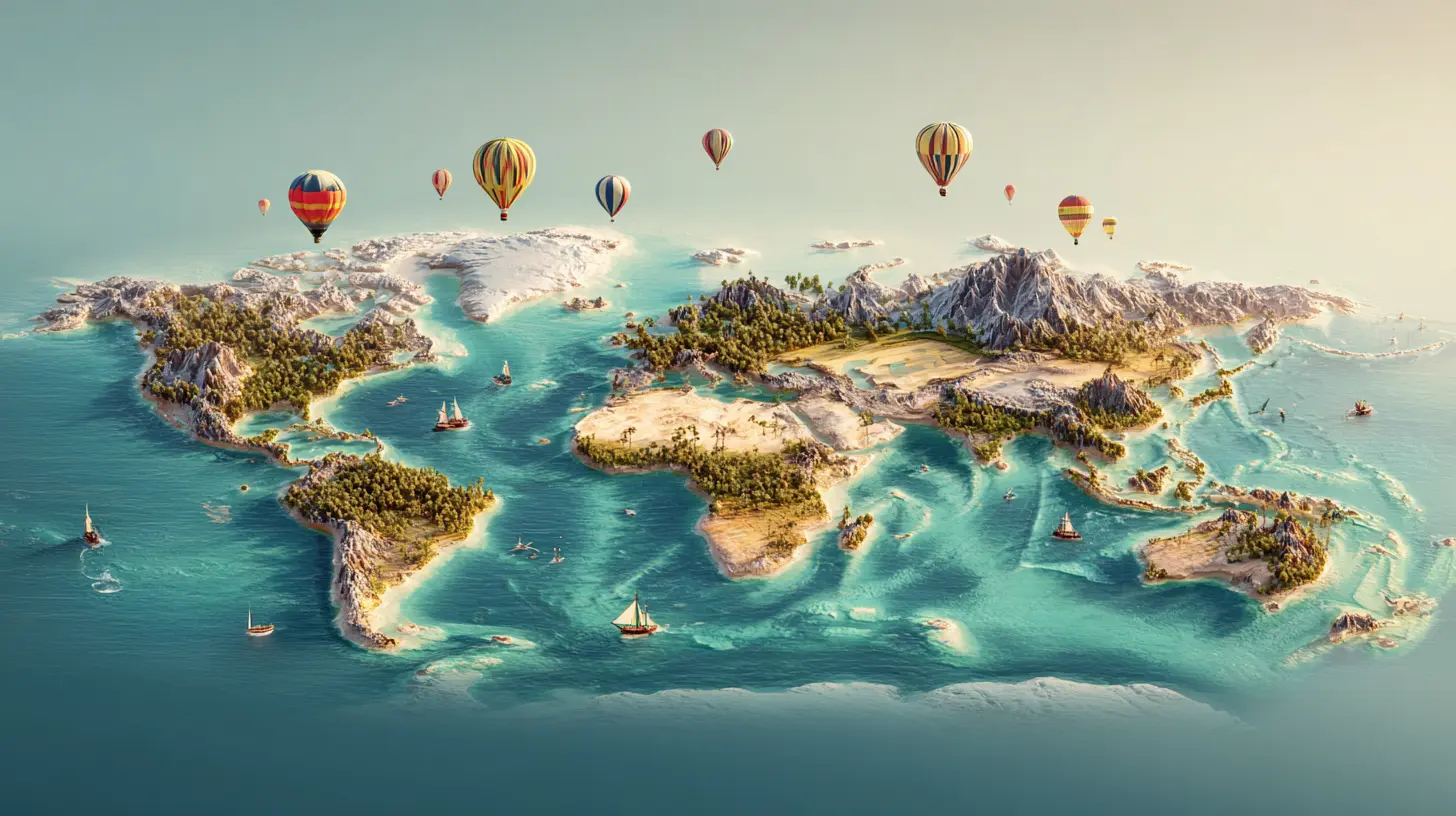
Africa: The Ultimate Test
Africa is the hardest continent for a coast-to-coast journey. In 2026, it's still not for the faint of heart. But if you want to do it, the best route is from Namibia's Skeleton Coast to Mozambique's Indian Ocean beaches.Namibia to Mozambique: The Desert-to-Jungle Run
Start in Swakopmund, Namibia. It's a German colonial town on the Atlantic, surrounded by the Namib Desert. The sand dunes meet the ocean here, and it's surreal. Drive east through the desert, then into Botswana's Okavango Delta. This is where things get real. You'll need a proper overland vehicle, not a rental SUV. The roads are sand, mud, and sometimes nothing at all. You'll cross the Caprivi Strip, then into Zimbabwe, then Mozambique.The final stretch to the coast near Tofo Beach is a dirt road that turns into a red slurry when it rains. But when you see the Indian Ocean, turquoise and warm, you'll feel like you've crossed a world. The whole thing takes three weeks minimum. You need visas for every country. You need a satellite phone. You need backup fuel cans. This is not a vacation. This is an expedition.
Why do it in 2026? Because the infrastructure is slowly improving. More campsites, better GPS coverage. But it's still raw. That's the point.
Australia: The Nullarbor and Beyond
Australia is a continent that loves to test you. The classic coast-to-coast is from Sydney to Perth, across the Nullarbor Plain. In 2026, it's more accessible than ever, but it's still a long, hot, boring stretch of road.Sydney to Perth: The Longest Straight Road
You start on the east coast, all green and lush. Then you hit the Hay Plains. Then the desert. The Nullarbor is famous for the longest straight road in the world. Ninety miles of dead straight asphalt. No curves. No trees. Just red dirt and blue sky. It messes with your head. You'll see mirages. You'll listen to podcasts until your ears bleed.Stop at the roadhouses. They're not glamorous. They're gas stations with a bed and a burger. But the people there are legends. They've been running those outposts for decades. They'll tell you stories about the time a camel walked through the front door.
The payoff is Perth. It's isolated, expensive, and beautiful. The Swan River, the beaches, the wine regions. You'll appreciate it more after four days of nothing.
The catch: Fuel is expensive in the outback. Carry extra. And watch for kangaroos at dawn and dusk. They will total your car.
Asia: The Trans-Siberian Railway
The Trans-Siberian Railway is the granddaddy of coast-to-coast journeys. Moscow to Vladivostok. 5,700 miles. Seven time zones. In 2026, the trains are modernized, but the experience is still Soviet-era charm mixed with raw Russian hospitality.Moscow to Vladivostok: The Longest Train Ride
You buy a ticket for the Rossiya train. You get a compartment with a bunk, a tiny table, and a samovar at the end of the car for hot water. You'll spend a week on that train. You'll watch the birch forests turn to taiga, then to steppe, then to the Pacific coast. You'll meet Russians who offer you pickles and vodka. You'll learn to love instant noodles.Stop at Lake Baikal. Get off the train for a day or two. The lake is the deepest in the world, and in winter it's frozen so clear you can see the bottom. In summer, you can swim in water so cold it takes your breath away.
The train terminates in Vladivostok, a port city that feels more Asian than Russian. The Pacific Ocean there is gray and moody. But you made it. Coast to coast.
Honest advice: Do this in summer. Winter is brutal, and the train is warm but the stops are freezing. Also, book a first-class compartment if you can afford it. The extra space is worth it.
What You Need to Know Before You Go
Budget
Coast-to-coast journeys are not cheap. In 2026, expect to spend $3,000 to $10,000 depending on the route and your style. The US road trip is the most budget-friendly if you camp. The Trans-Siberian is surprisingly affordable for the distance. Africa will drain your savings.Time
You need at least two weeks for any of these. Three is better. A month is ideal. Don't rush. The whole point of a coast-to-coast journey is to feel the distance. If you're in a hurry, fly.Mindset
You will get tired. You will get bored. You will have moments where you question your life choices. That's normal. Push through. The best memories come from the hard parts. The flat tire in the desert. The missed train in Budapest. The weird hostel in Ushuaia where the owner cooks you dinner because you're the only guest.Gear
- A good playlist. Download it offline.- A physical map. Phones die. Signal drops.
- A reusable water bottle. Hydration is not optional.
- A sense of humor. Things will go wrong. Laugh at it.
Final Thoughts
In 2026, the world is open again. The pandemic years are in the rearview. Borders are relaxed. Flights are cheaper than they've been in years. There's no excuse to stay home. Pick a coast-to-coast route. Pack a bag. Go.The best journey is the one you actually take. Not the one you plan on Pinterest. Not the one you talk about at parties. The one where your hands are on the wheel or your face is pressed to a train window. That's the one that changes you.
So which one will it be? The American road trip? The Argentine dirt road? The European rail crawl? The African expedition? The Australian desert? The Russian railway?
Pick one. Start planning. And don't look back until you see the other coast.
all images in this post were generated using AI tools
Category:
Continental TravelAuthor:

Winona Newman
Discussion
rate this article
1 comments
Brandon McVey
Exciting journeys await! Can't wait to explore these coast-to-coast adventures.
May 9, 2026 at 4:27 PM
Winona Newman
Thanks! I'm thrilled for you to experience these adventures. It's going to be amazing!