Stories Behind Every Stall: Meeting Market Vendors
7 January 2026
Have you ever strolled through a bustling market and wondered about the people behind the stalls? Not just what they're selling, but who they are, why they’re there, and how they ended up sharing their goods with the world? Well, you’re not alone. Markets are more than just places to shop. They're living storybooks with colorful chapters, each stall telling its own tale.
From the perfume-laced souks of Marrakech to the chatter-filled streets of Bangkok’s floating markets, the characters you meet are what make these places unforgettable. They’re not just selling spices, fruits, or handmade crafts—they're sharing a piece of their life with every transaction.
So let’s dive into the stories behind those stalls, get to know the people who breathe life into these spaces, and understand why markets are the soul of every city.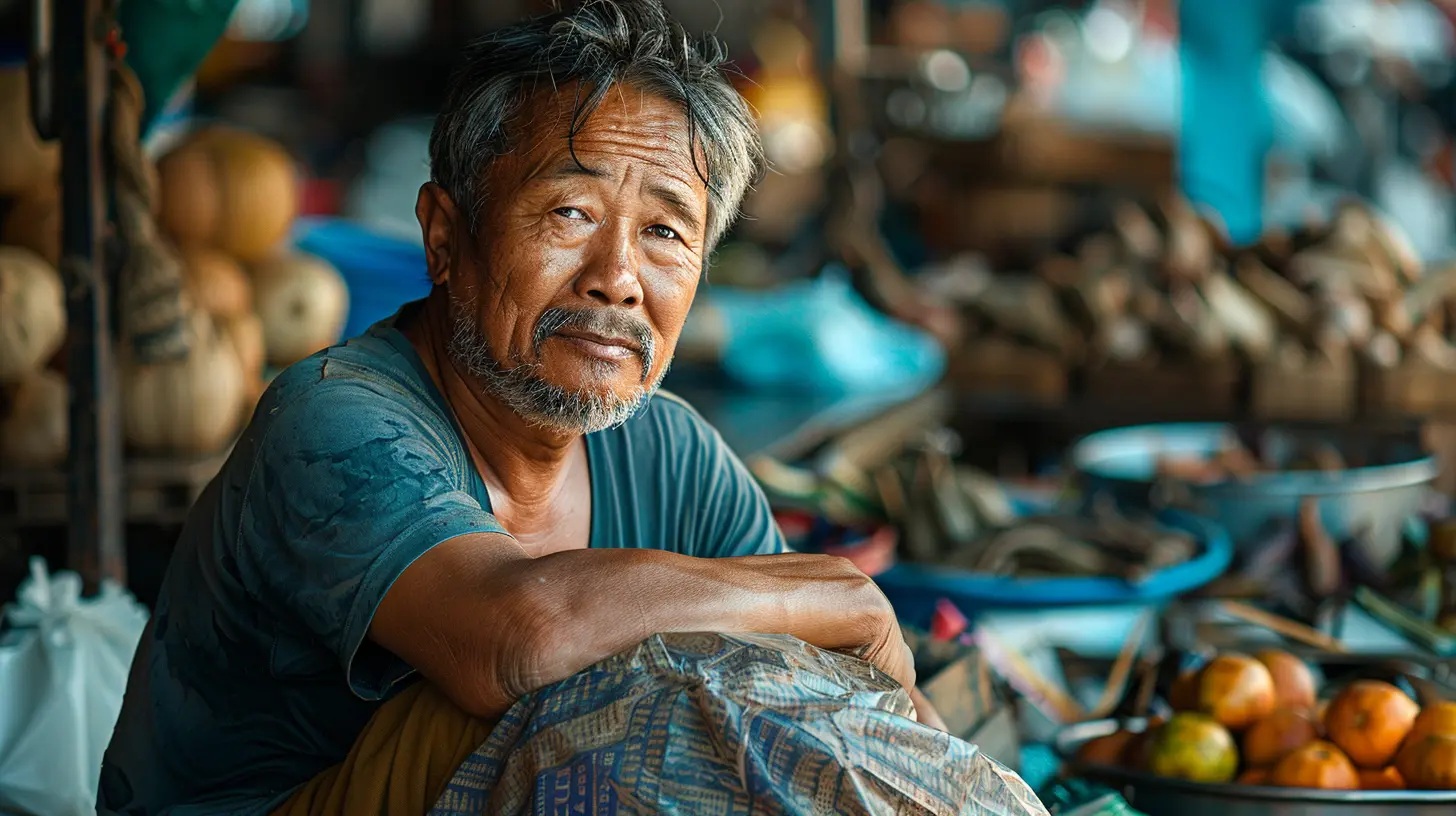
Why Market Vendors Matter
Markets are often the first place travelers go when they want to get the “feel” of a new city. But here’s the thing—markets don’t just represent culture, they preserve and perpetuate it. And at the heart of it all? The vendors.These folks wake up before dawn, set up shop, and spend the day meeting strangers, bartering prices, and sharing laughs. Their presence adds flavor—sometimes literally—to every community.
Meeting market vendors isn’t just about getting a good deal on fresh produce or unique crafts. It’s about connection. You’re getting a mini history lesson and a dose of local wisdom packed into every interaction.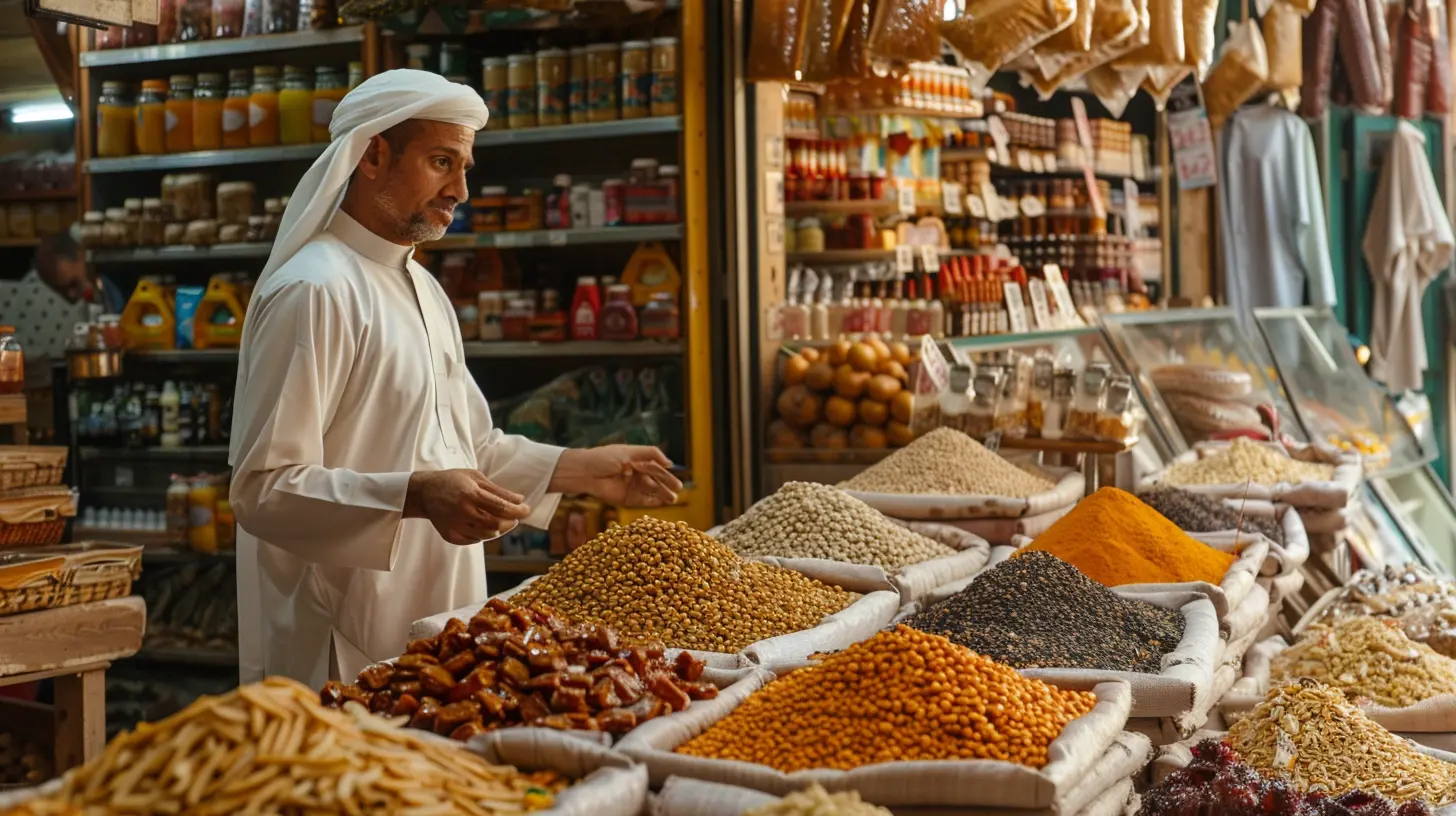
Early Mornings and Lifelong Traditions
Ever wondered what time your local market vendor wakes up? Spoiler: it’s probably before your alarm even thinks about ringing.Take Rosa from a farmers’ market in Tuscany. She’s been selling homemade sun-dried tomatoes and olive tapenade for over 40 years. Her family has passed down their recipes for generations. “I still make it like Nonna used to,” she says, hands stained with herbs. That's the magic—centuries of culinary tradition, wrapped in a jar, sitting right there on her little wooden table.
Or there's Kumar in India, a turmeric seller in a spice market that’s been run by his family since colonial times. He says, “This stall is older than me. It’s my grandfather’s legacy.” Every bag of spice he sells is backed by decades of trade secrets.
It’s humbling, right? You think you’re just buying tapenade or turmeric, but you’re actually stepping into someone’s personal history.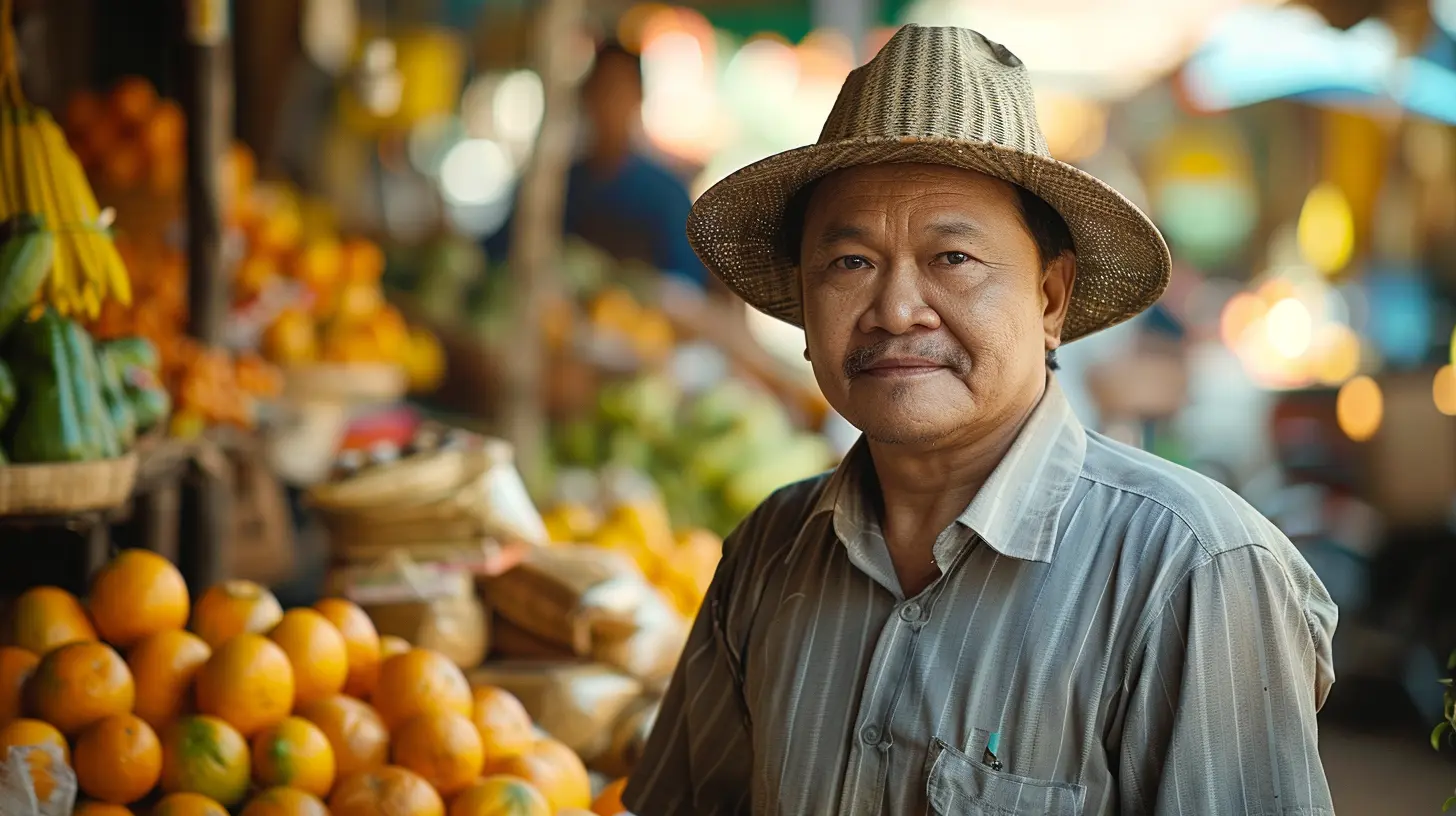
The Art of the Sale: Vendors as Performers
Let’s be honest—market vendors are some of the best salespeople in the world. They're not just selling goods, they’re putting on a show. With theatrical hand gestures, endless charm, and a well-timed joke, they turn shopping into entertainment.Walk into Istanbul's Grand Bazaar and you’ll see what I mean. Every aisle sounds like a comedy show and smells like saffron. Shopkeepers call out in multiple languages, offering free tea and compliments as part of the experience.
They know how to draw you in—"You have the eyes of a poet!"—and before you know it, you're buying a silk scarf you didn’t know you needed.
But don’t get it twisted. This isn’t trickery. It’s pure passion. These folks have mastered the art of persuasion, sure, but they also love what they do. They love people. They love stories. And they love seeing travelers light up when they find something special.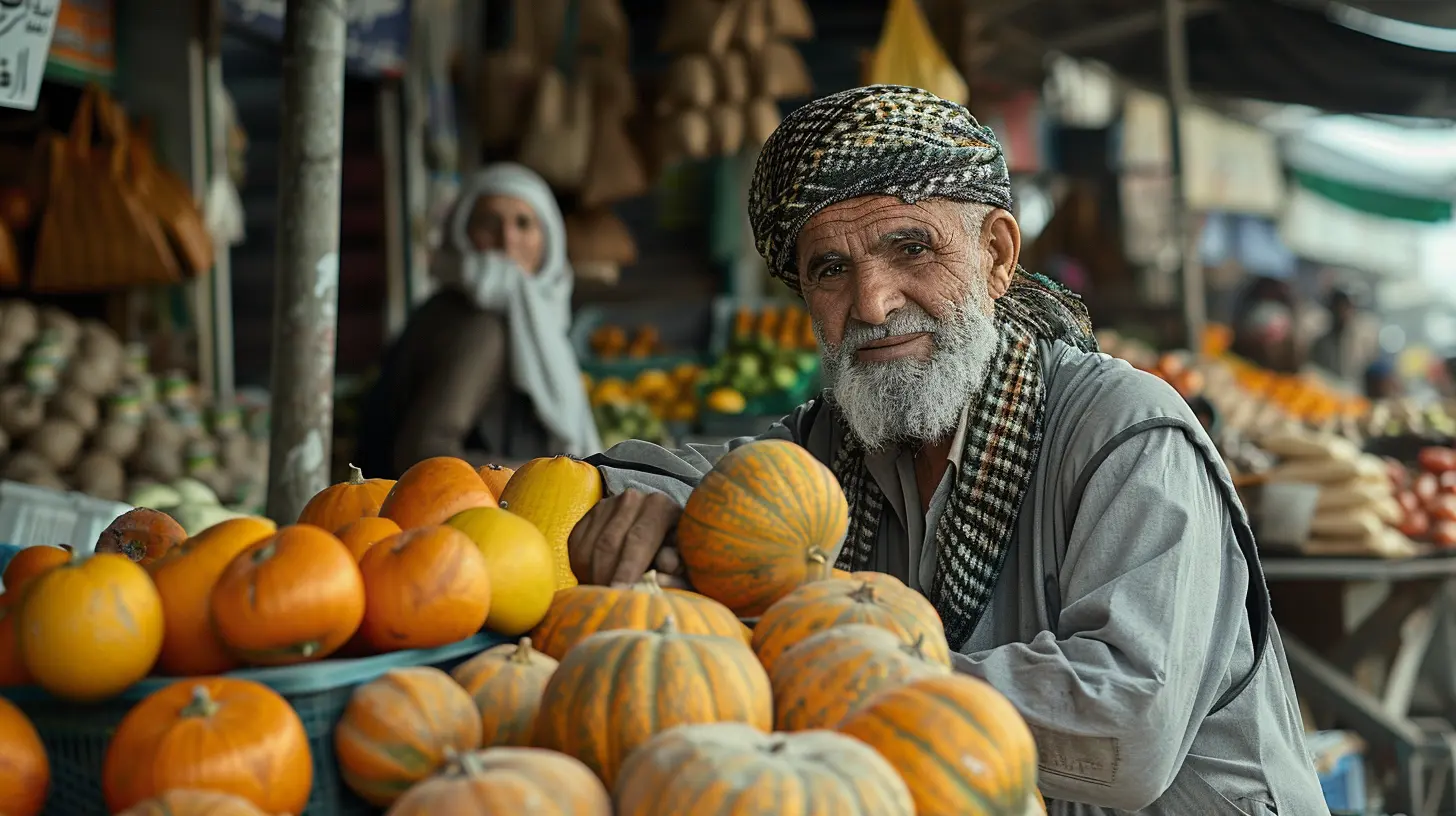
From Handcrafted to Heartfelt: The Connection to Craft
Ever notice how so many market items feel... special? Like they’ve got soul? That’s because they usually do. Most market vendors aren’t resellers—they’re creators.Think of Javier in Oaxaca, Mexico. He carves alebrijes—colorful wooden creatures—from copal wood. Every animal takes days to finish. Each brushstroke is done by hand. “They come from my dreams,” he tells curious tourists. “Every one has its own spirit.”
Buying from someone like Javier isn’t just about owning something pretty. It's about supporting a story you can carry home with you. It’s the same with the woman knitting alpaca scarves in Peru or the man weaving straw hats in Vietnam. There’s pride in their work. It’s personal. And that makes it powerful.
The Magic of Listening
Want to unlock the best market stories? Just listen.So often, travelers rush through markets looking for picture-perfect souvenirs. But slow down, start a conversation, and you’ll find something more valuable than any trinket. You’ll find humanity.
Ask questions. “How long have you been here?” “What’s your favorite thing to sell?” “Where do these crafts come from?” You’ll be amazed at the stories that spill out.
Like the Cambodian woman who makes silk worms into thread by hand, even though she could use machines. “I like the feel of it,” she says. You feel the emotion coming through, even with a language barrier. That’s real connection.
Markets have a language all their own, made of gestures, smiles, and warm exchanges. You don’t need to speak the same dialect to understand someone’s pride in their work.
Food Stalls: Where Culture Hits Your Taste Buds
Let’s talk food. Market food isn’t just fast—it’s storytelling you can eat.In Thailand, food vendors often study recipes passed down for centuries. I met Noi, a pad thai master in Chiang Mai's night bazaar. She’s been cooking the same recipe for 25 years, adding just a pinch of family-secret sauce that her grandmother taught her.
“What’s in the sauce?” I asked. She laughed, eyes twinkling. “You eat, you guess.”
That’s the beauty of it. It’s not just cooking—it’s keeping culture alive one sizzling wok at a time. These smells tell stories. These flavors travel through time. You’re not just having lunch—you’re tasting someone's heritage.
Markets as Community Hubs
Markets aren’t just for tourists. For locals, they’re the heartbeat of the neighborhood.In Kenya’s Maasai markets, vendors pass down stalls from mother to daughter. In Barcelona’s La Boqueria, old friends meet over morning coffee while stocking up for the day. These places are woven into the community fabric.
When you spend time at a market, you’re stepping into a slice of real, everyday life. Kids run between stalls. Grandmas share gossip over fresh fish. The rhythm of life pulses through every corner.
And that’s really the secret: markets are people-powered. It’s not about what’s on the shelf—it’s about who put it there.
Traveler’s Tips: How to Connect with Market Vendors
Want a deeper connection with the vendors you meet? Here are a few easy ways to make your market experience more meaningful:1. Start a conversation – Don’t be shy! Ask about their goods, their history, or even their daily routine.
2. Be respectful – Remember, this is their livelihood. Bargaining is fine, but do it with kindness.
3. Buy local – Choose handmade, homegrown, or crafted items over mass-produced souvenirs.
4. Say thank you – A smile and a “thank you” go a long way, especially in someone’s native language.
5. Come back – Markets change throughout the day. Morning freshness versus evening hustle—it’s a new story every time.
Don’t Just Shop—Connect
At the end of the day, markets aren’t just places to spend your money—they're places to open your heart.When we take the time to meet the people behind the stalls, we gain more than souvenirs. We gain stories. We build connections. We get a better understanding of the places we visit.
So next time you're wandering through a local market on your travels, pause and take it all in. Look beyond the goods and find the soul.
Because behind every stall, there’s a story waiting to be told.
Final Thoughts
Markets are like human encyclopedias—you just have to know where to look. Every vendor has a reason, a past, a dream. And when you meet them, you start to understand that travel isn't just about places. It’s about people.So go ahead. Lose yourself in a market. Get a little lost, laugh with a stranger, share your curiosity. And when you finally come back home, you’ll have souvenirs that aren't just things—but memories infused with meaning.
Now that’s what I call shopping with purpose.
all images in this post were generated using AI tools
Category:
Local MarketsAuthor:

Winona Newman
Discussion
rate this article
2 comments
Bryson McGuffey
What fascinating stories await at each stall? I can't wait to learn about the lives behind these vibrant market vendors!
January 30, 2026 at 5:26 PM
Winona Newman
Each stall holds a unique tale, revealing the passion and journey of the vendors who bring their cultures to life. Join us in exploring these vibrant stories!
Davina Jenkins
Inspiring stories, vibrant connections!
January 15, 2026 at 3:28 PM
Winona Newman
Thank you! I'm glad you found the stories and connections inspiring!