Journey to Easter Island: The Secrets of the Moai
4 December 2025
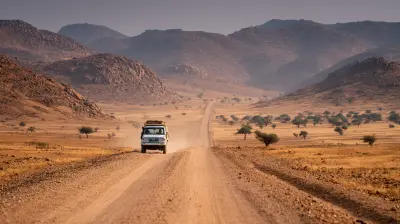
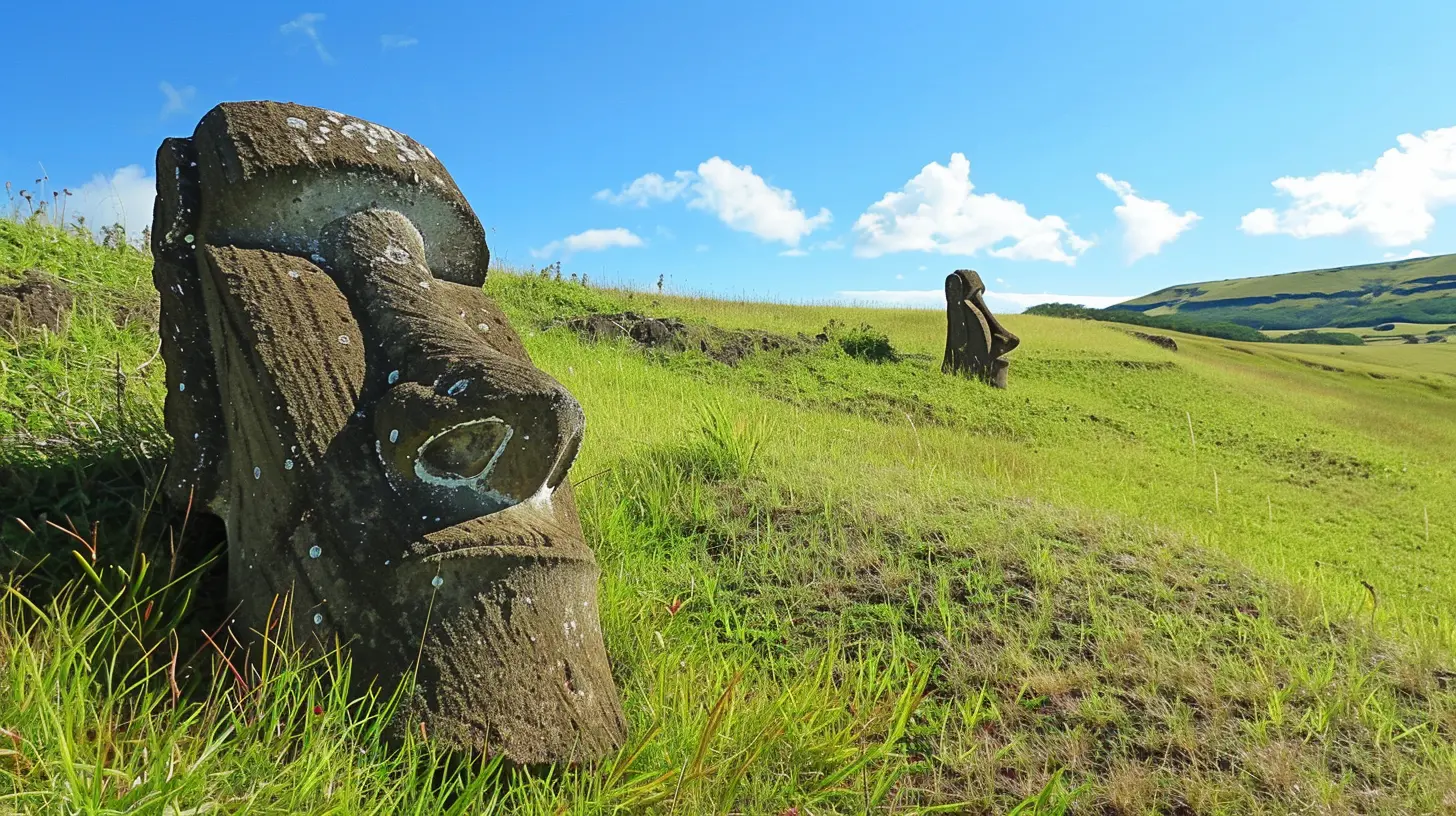
Easter Island, or Rapa Nui as it's called by the locals, is one of the most mysterious and remote places on Earth. Tucked away in the vast Pacific Ocean, this tiny island is home to the world-famous Moai statues, giant stone figures that have puzzled travelers and historians for centuries.
Who built them? Why were they created? And how did an ancient civilization move these colossal statues without modern technology? Buckle up because we’re taking a deep dive into the secrets of the Moai and the enchanting history of Easter Island.
The Mystique of Easter Island
Where Is Easter Island?
Easter Island is a small, triangular-shaped island located about 2,300 miles from Chile and 2,600 miles from Tahiti. This isolation makes it one of the most remote inhabited places on Earth.You can’t just stumble upon Easter Island—getting there requires determination! The only commercial flights to the island depart from Santiago, Chile. But once you arrive, trust me, it feels like you've stepped into another world.
The Rapa Nui People: The Creators of the Moai
The indigenous Rapa Nui people were the masterminds behind the Moai. It's believed that they arrived on the island around 1000 AD, possibly navigating vast oceans using only the stars and ocean currents.Over time, they developed a unique culture that revolved around ancestor worship. The Moai statues were built as a tribute to their forefathers, believed to hold spiritual power to protect their people. But how did they manage to carve and transport these massive statues without modern tools or animals?
The Moai: Easter Island's Greatest Mystery
What Are the Moai?
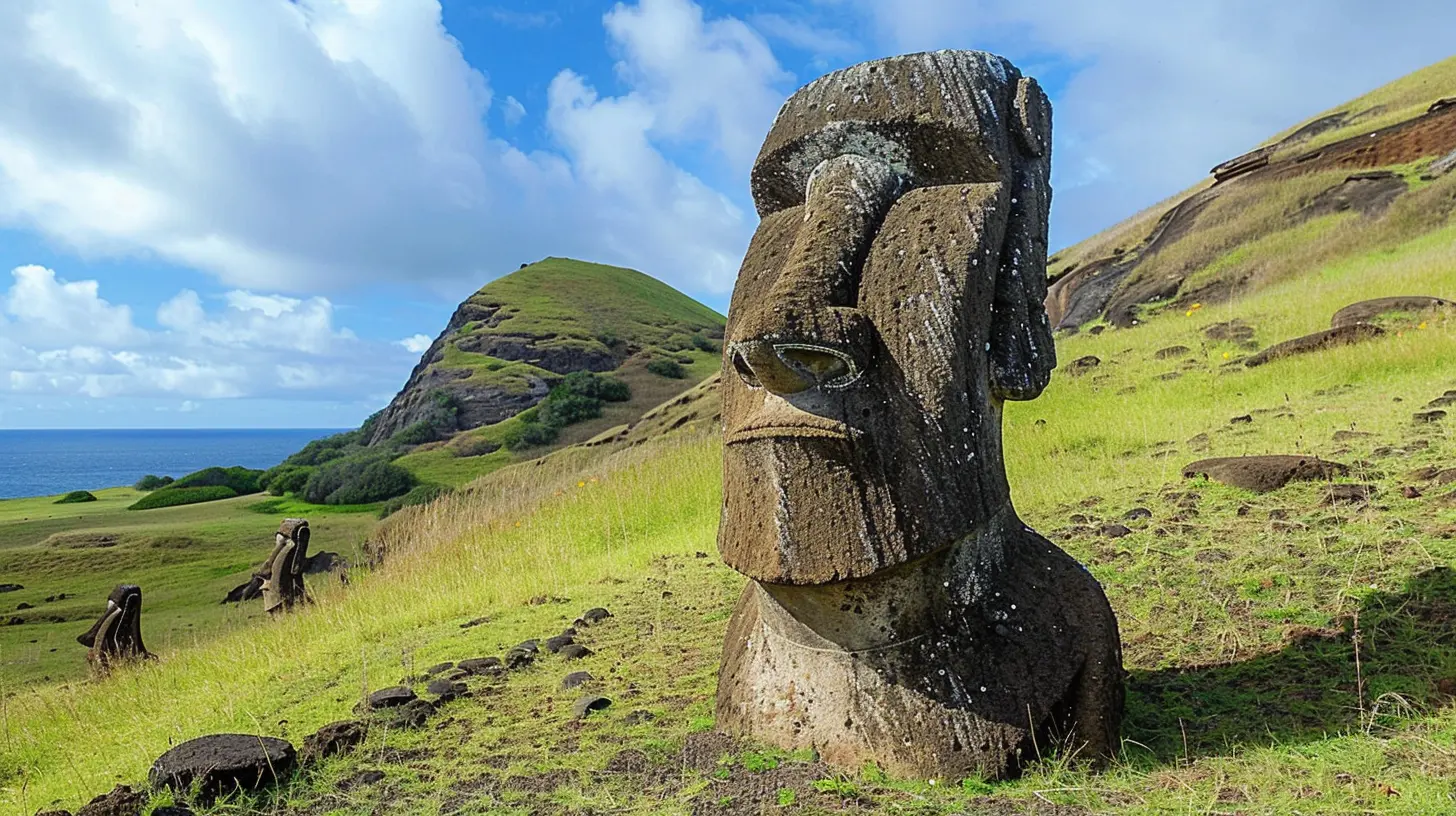
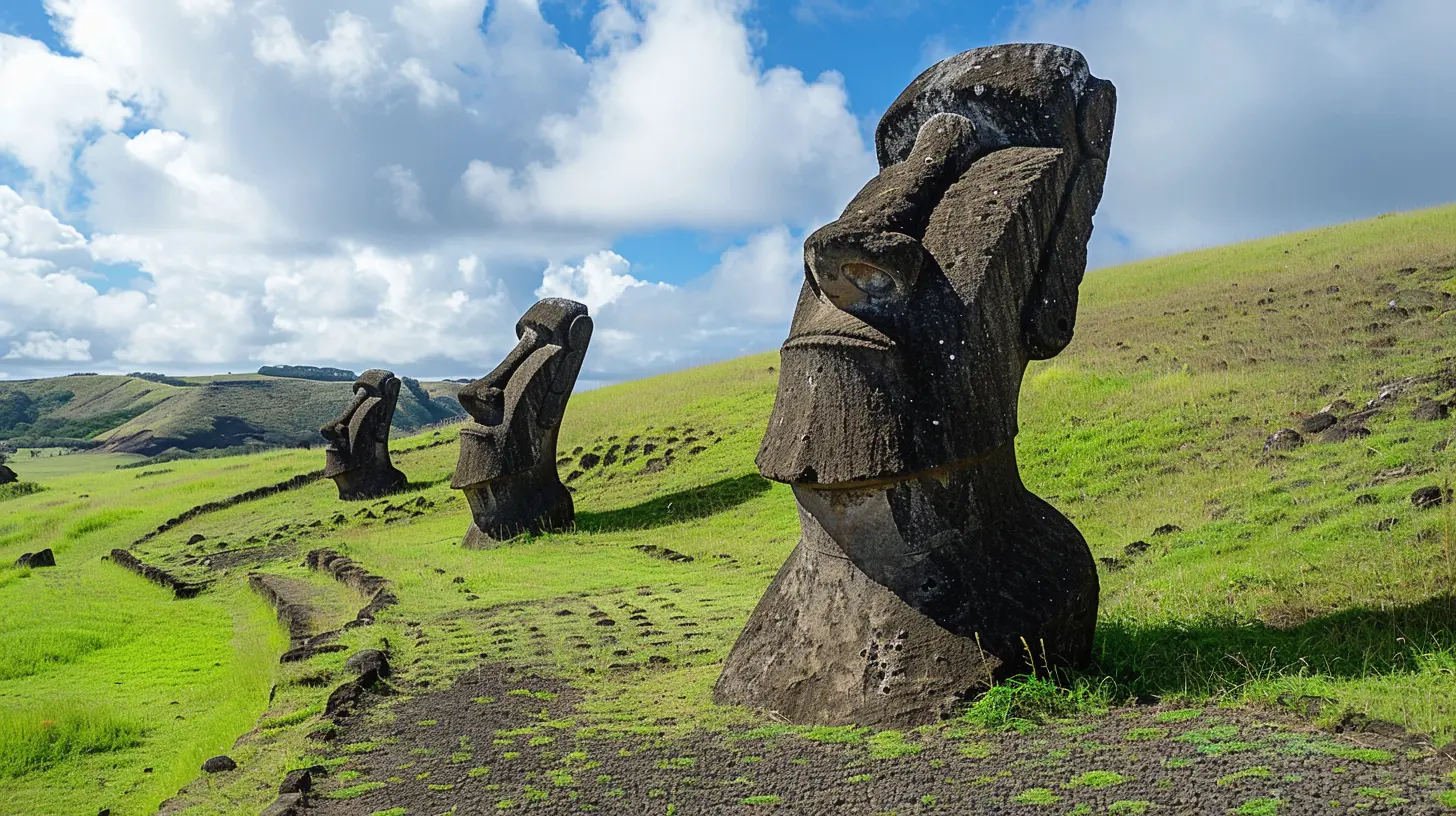
The Moai are enormous stone statues carved from volcanic rock, depicting the faces of important ancestors. There are nearly 1,000 Moai scattered across Easter Island, with some towering over 33 feet and weighing up to 80 tons!Most of them have elongated heads, distinct facial features, and broad shoulders, often standing on stone platforms called ahu. Some Moai even have pukao, stone "topknots" that resemble hats, carved from red scoria rock.
How Were the Moai Moved?
This is one of history’s greatest puzzles. These statues were carved at Rano Raraku, a volcanic quarry, and somehow transported miles across the island without wheels or large animals for assistance.Some theories suggest they were rolled on logs, while others believe the Rapa Nui used a rocking motion, making them “walk” to their final locations. In fact, a modern experiment successfully demonstrated that a small team of people using ropes could rock a Moai forward, step by step.
Why Did They Stop Making Moai?
By the late 1600s, Moai construction mysteriously stopped. Some historians believe that climate change, deforestation, and overpopulation led to the downfall of the civilization.As resources became scarce, conflicts erupted between different tribes. The once proud Moai were toppled over, possibly as a result of warfare or changing beliefs. Today, many of the fallen statues have been restored by archaeologists to stand tall once again.
Must-Visit Moai Sites on Easter Island
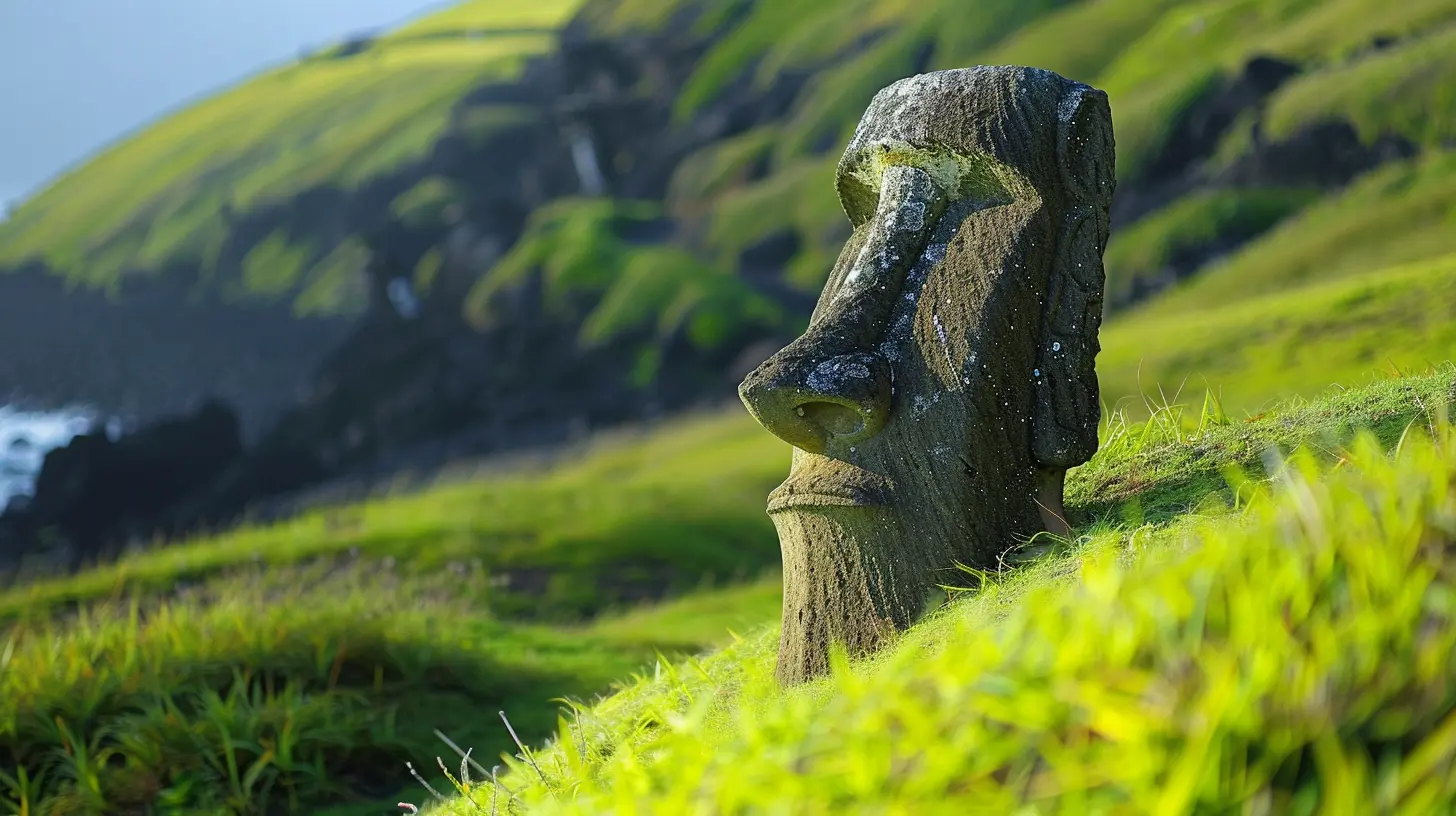
If you're lucky enough to visit Easter Island, here are some unmissable spots to witness the Moai in all their glory.1. Rano Raraku – The Moai Factory
Rano Raraku is where it all began. This volcanic quarry served as the main Moai production site, and visitors can still see hundreds of unfinished statues in various stages of completion. Some statues appear as if they were left in a rush, frozen in time.It's an eerie yet fascinating place to wander around—you can almost feel the presence of the ancient sculptors.
2. Ahu Tongariki – The Famous 15 Moai
Ahu Tongariki is the most iconic site on Easter Island, featuring 15 towering Moai lined up on a massive stone platform. These statues were knocked down by a tsunami in the 1960s but later restored to their former glory.If you want a truly magical experience, catch the sunrise here—the silhouettes of the statues against the rising sun create an unforgettable sight.
3. Anakena Beach – Moai Meets Paradise
Who would’ve thought Easter Island has a tropical beach? Anakena Beach is not only stunning with its white sand and turquoise waters, but it also houses Ahu Nau Nau, a set of Moai that were buried in the sand for centuries, preserving their detailed carvings.Take a dip in the warm Pacific, relax under palm trees, and admire these statues standing just a few feet from the shore.
4. Ahu Akivi – The Moai That Face the Ocean
Unlike most Moai, which face inland, the seven statues at Ahu Akivi uniquely face the ocean. Some believe these statues represent the seven explorers sent by a Polynesian king to find Easter Island before full settlement began.Aligned with the stars, Ahu Akivi plays a role in Rapa Nui’s ancient astronomy, adding another layer of mystery.
The Lessons of Easter Island
Beyond its breathtaking landscapes and massive stone figures, Easter Island serves as a warning from history. The Rapa Nui people overused natural resources, leading to an ecological collapse that nearly wiped them out.This story hits close to home in today’s world, where deforestation, climate change, and dwindling resources pose real threats. Easter Island reminds us that a civilization’s survival depends on how well it manages its environment.
Planning Your Trip to Easter Island
Visiting Easter Island isn’t just about seeing the Moai—it’s an unforgettable adventure. Here’s what you need to know before you go.How to Get There
- Flights: LATAM Airlines operates flights from Santiago, Chile (~5 hours).- Entry Fees: There’s an entrance fee for Rapa Nui National Park (~$80 USD).
Where to Stay
- Luxury: Nayara Hangaroa (stunning oceanfront resort)- Mid-Range: Taha Tai Hotel (cozy and close to town)
- Budget: Camping Mihinoa (a great low-cost option)
Best Time to Visit
- High Season: January – March (warm weather, lively festivals)- Low Season: April – November (cooler, fewer tourists)
What to Pack
- Comfortable walking shoes (you’ll be trekking a lot!)- Sunscreen & hat (the sun is intense)
- Rain jacket (weather can be unpredictable)
Final Thoughts
Easter Island is more than just a bucket-list destination—it's a place that awakens curiosity. The Moai stand as a testament to human ingenuity, cultural devotion, and the fragility of civilization.Whether you're a history buff, an adventurer, or simply a traveler in search of the extraordinary, Easter Island will leave you awed, inspired, and forever changed.
all images in this post were generated using AI tools
Category:
Must See LandmarksAuthor:

Winona Newman
Discussion
rate this article
2 comments
Elara Forbes
Easter Island is a must-visit for any traveler fascinated by history and culture. The moai are mesmerizing, each one telling a story of an ancient civilization. Exploring the island's rugged beauty and rich heritage makes for an unforgettable adventure. Highly recommended!
December 8, 2025 at 6:03 PM
Winona Newman
Thank you for your enthusiastic comment! I'm glad you found the beauty and history of Easter Island so captivating. The moai truly are a remarkable testament to the island's rich heritage.
Harper Martinez
Exploring Easter Island is a journey to the heart of mystery and wonder! The majestic Moai stand as timeless guardians of history, inviting us to embrace adventure and connect with the stories that shape our world. Discover the magic!
December 7, 2025 at 5:45 PM
Winona Newman
Thank you for capturing the essence of Easter Island! The Moai truly inspire awe and curiosity, inviting us to explore their rich history.