Inspiring Change: Volunteering for Environmental Conservation
19 January 2026
Have you ever felt the urge to make a real difference in the world? To do something that truly matters—not just for yourself, but for the planet? Volunteering for environmental conservation is one of the most powerful ways to create lasting change. It’s about rolling up your sleeves, getting your hands dirty, and taking action to protect the world we call home.
From planting trees and cleaning up beaches to rescuing wildlife and restoring ecosystems, your contribution as a volunteer can leave an incredible impact. So, if you're passionate about nature and sustainability, stick around. Let’s dive into why and how you can get involved in volunteering for environmental conservation.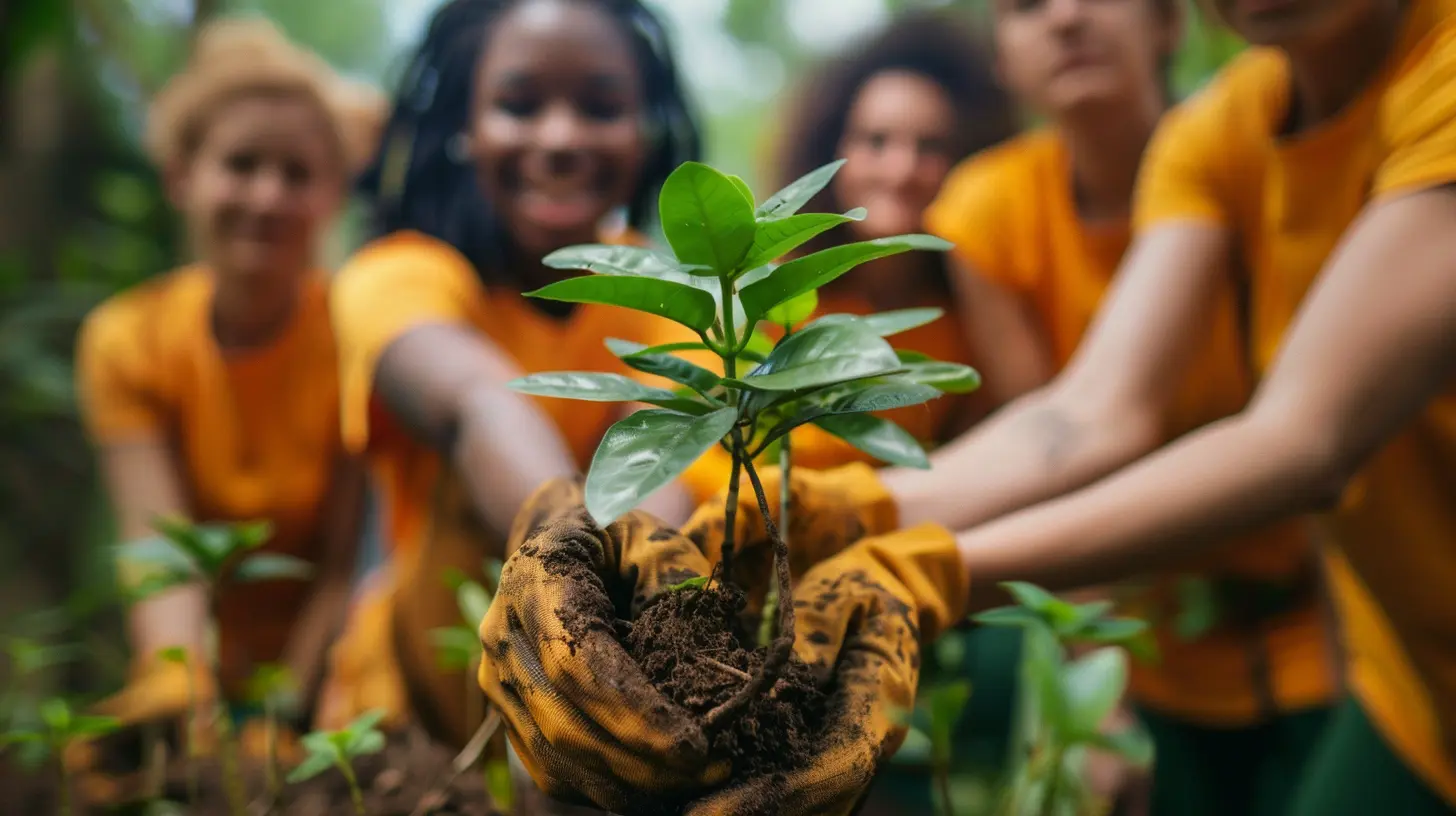
Why Volunteering for Environmental Conservation Matters
Picture this: crystal-clear waters, lush green forests, and thriving wildlife. Now imagine losing all of that to pollution, deforestation, and climate change. Scary, right?The environment is in crisis, and while governments and organizations play a role, the reality is that they can’t do it alone. That’s where volunteers come in. When individuals step up, it creates a ripple effect. Small actions add up, and when enough people take part, the results can be monumental.
The Urgency of Environmental Protection
Every year, we lose millions of acres of forest, oceans get clogged with plastic, and countless species face extinction. The damage isn’t just an abstract problem—it directly affects our air, water, and food supply.Volunteering for conservation efforts means you're actively helping to reverse some of this destruction. Whether it's through awareness campaigns, hands-on restoration projects, or supporting sustainable initiatives, your time and effort can help heal our planet.
A Win-Win for You & The Planet
Not only does volunteering help the environment, but it also benefits you. You gain new skills, meet like-minded people, and experience the incredible satisfaction of knowing you’re making a difference. Plus, it’s a fantastic way to boost mental well-being—spending time in nature has been proven to reduce stress and improve overall happiness!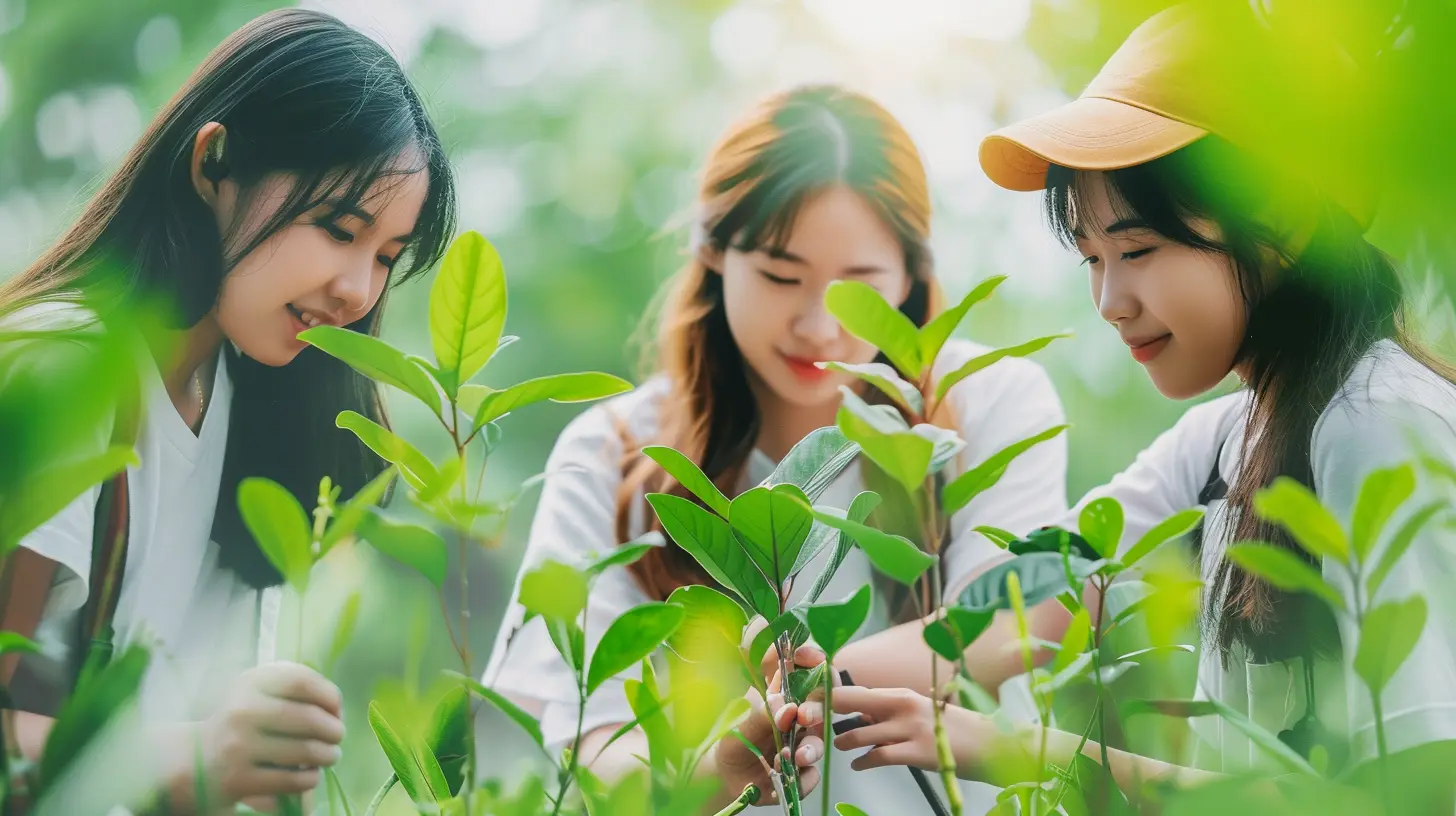
Ways to Volunteer for Environmental Conservation
Thinking of getting involved? There are endless opportunities to lend a helping hand in conservation efforts. Whether you prefer working outdoors, educating others, or supporting initiatives remotely, there’s something for everyone.1. Tree Planting & Reforestation
One of the simplest yet most effective ways to combat climate change is by planting trees. Trees act as natural air purifiers, absorbing harmful carbon dioxide and producing oxygen. Reforestation projects worldwide rely on volunteers to plant and nurture these natural wonders.Organizations like Eden Reforestation Projects and One Tree Planted are always looking for helping hands. You could spend a day in the fresh air, getting your hands dirty while actively fighting deforestation!
2. Beach & Ocean Cleanups
Plastic pollution is choking our oceans and harming marine life. Participating in a beach cleanup is an immediate way to reduce plastic waste and prevent it from entering the water.Groups like The Ocean Conservancy and Surfrider Foundation organize events where volunteers can collect harmful debris from coastlines. Every bottle, straw, and fishing net removed from the sea could save a marine creature’s life.
3. Wildlife Conservation & Rescue
If you love animals, consider joining a wildlife conservation program. Many organizations protect endangered species by monitoring habitats, rescuing injured animals, and rehabilitating them.For instance, the Jane Goodall Institute focuses on chimpanzee conservation, while Sea Turtle Conservancy helps protect sea turtles from threats like habitat loss and poaching. Imagine the joy of helping an injured animal recover and return to the wild!
4. Sustainable Farming & Permaculture
Sustainable farming practices help combat soil degradation and promote food security. Many farms and eco-villages worldwide welcome volunteers to assist with organic farming, composting, and sustainable agriculture initiatives.Projects such as WWOOF (World Wide Opportunities on Organic Farms) connect volunteers with organic farms, allowing them to learn hands-on techniques while supporting sustainable food production.
5. Environmental Education & Advocacy
Not all conservation efforts require physical labor. If you’re passionate about spreading awareness, consider joining environmental education programs. Schools, community centers, and nonprofits often seek volunteers to teach sustainable practices.You can also raise awareness through social media, writing articles, or advocating for policy changes. The more people understand the impact of environmental destruction, the more likely they are to take action. 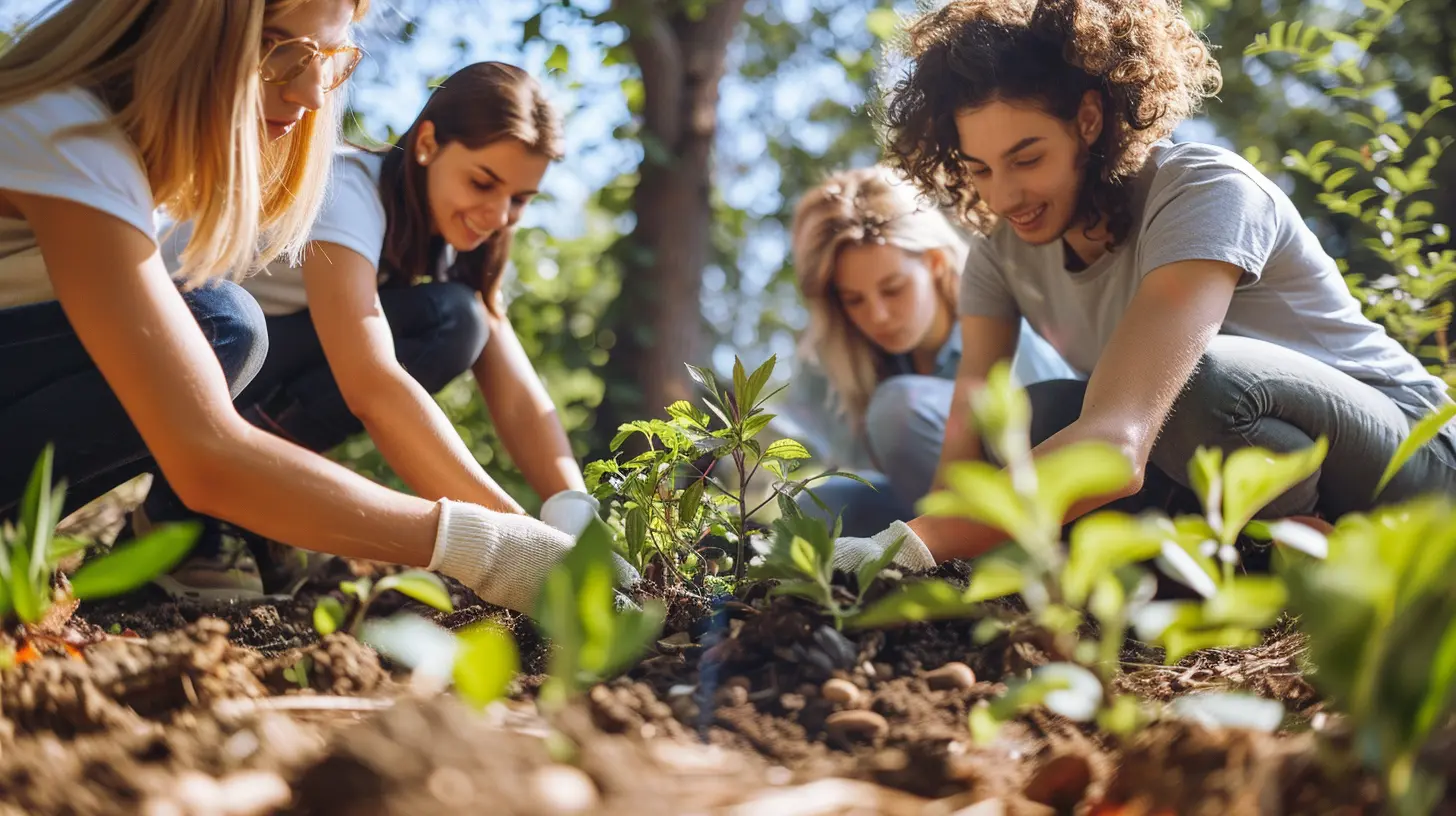
How to Get Started as an Environmental Volunteer
Feeling inspired? Great! Here’s how you can start your journey as an environmental conservation volunteer.1. Identify Your Passion & Skills
Ask yourself: What excites you the most? Do you love animals, forests, or marine life? Are you comfortable working outdoors, or would you prefer advocacy and education? Finding your niche ensures you’ll enjoy the experience and stay committed.2. Research and Choose a Program
There are countless conservation programs, each with different missions. Some organizations operate locally, while others offer volunteering abroad. Consider factors like location, duration, and the type of work involved before signing up.A few great places to look for opportunities include:
- Volunteer World
- GoEco
- Earthwatch Institute
- WWF (World Wildlife Fund)
3. Get Prepared
Once you’ve chosen a project, prepare for the experience. Some programs require specific skills or vaccinations (especially for international projects). Be sure to check the requirements beforehand. Also, pack appropriately—whether it’s sturdy boots for reforestation or eco-friendly sunscreen for beach cleanups!4. Gather a Team (Optional, But More Fun!)
While volunteering solo is rewarding, bringing a friend or family member doubles the impact—and the fun! Working together makes the experience even more enjoyable and strengthens your commitment.5. Take Action & Make an Impact
With everything set, it’s time to take action. Fully immerse yourself in the experience, learn from experts, and enjoy making a tangible difference.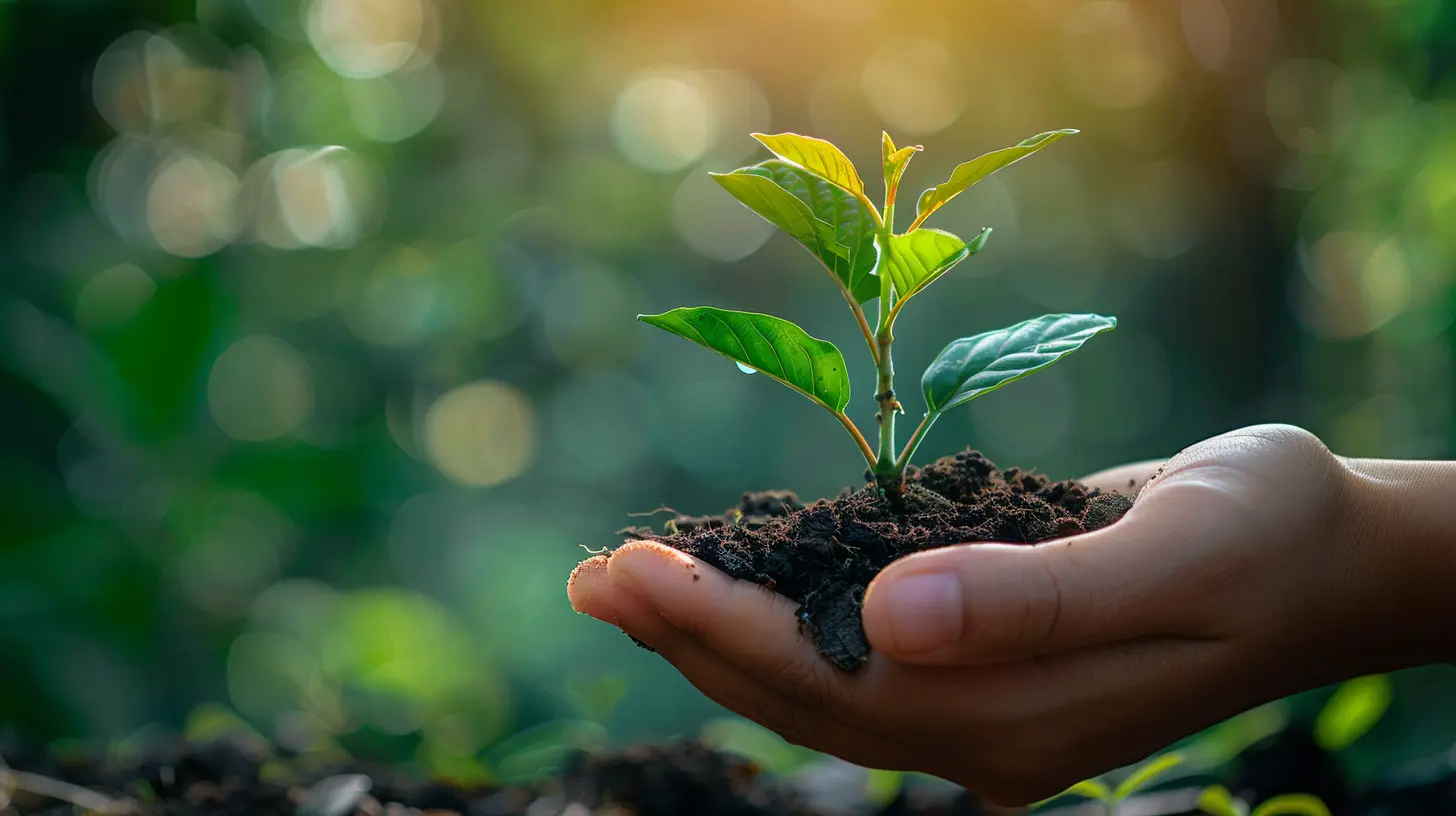
Tips for Maximizing Your Impact
Volunteering isn’t just about showing up—it’s about making a meaningful difference. Here are some ways to ensure your contribution has a lasting impact:✅ Stay Committed – Many conservation efforts take time. If possible, volunteer regularly instead of just once.
✅ Educate Yourself – Understanding environmental issues helps you make informed decisions and inspire others.
✅ Spread Awareness – Share your experiences on social media, blog about them, or encourage others to join the cause.
✅ Live Sustainably – Incorporate eco-friendly habits into your daily life—reduce waste, conserve water, and support sustainable brands.
✅ Donate If You Can – If time is an issue, financial support can help many conservation programs thrive.
Final Thoughts: Be the Change the Planet Needs
It’s easy to feel overwhelmed by the environmental crisis, but remember—every single effort counts. By volunteering for environmental conservation, you’re not just helping preserve nature; you’re inspiring others to take action.Imagine a world where more people step up, where communities unite to protect forests, oceans, and wildlife. That world is possible, and it starts with individuals like you.
So, why wait? Find a cause that speaks to your heart, get involved, and become part of the solution. Our planet’s future is in our hands—let’s make it a greener, healthier place together!
all images in this post were generated using AI tools
Category:
Volunteer TravelAuthor:
Winona Newman
Discussion
rate this article
2 comments
Zarev McLanahan
Unlock hidden wonders while transforming landscapes. Join the unseen forces of nature and humanity, where every moment spent volunteering whispers secrets of profound change.
February 6, 2026 at 5:44 PM
Winona Newman
Thank you for capturing the essence of volunteering! Together, we can reveal nature's beauty and create lasting impact.
Henrietta McLanahan
What a beautiful way to make a difference! Volunteering for environmental conservation not only enriches our planet but also fills our hearts with joy and purpose. Every small effort counts, and together we can inspire change while enjoying the beauty of nature. Let’s roll up our sleeves and make a positive impact! 🌍💚
January 19, 2026 at 5:12 PM
Winona Newman
Thank you! Together, our efforts can truly transform the planet and uplift our spirits. Let's keep inspiring each other to make a positive impact! 🌱✨