How to Plan a Continental Road Trip Through Africa in 2026
1 May 2026
You know that feeling when you look at a map of Africa and your finger just starts tracing a line from the top all the way down to the bottom? That's not just a daydream. It's a challenge. It's a promise you make to yourself. And in 2026, I think it's time we actually do it. Not fly over it. Not skim the highlights. Drive it. A continental road trip through Africa is the kind of thing that sounds crazy until you start planning, and then it sounds like the only thing that makes sense.
But let's be real here. Africa is not a small place. It's not a weekend getaway. It's a massive, wild, beautiful, and sometimes unpredictable continent. You can't just throw a bag in the car and go. Well, you could, but you'd end up stuck in a sand dune somewhere in Mauritania without a spare tire, and that's not the kind of story you want to tell. So let's talk about how to actually plan this thing for 2026. The right way.
Why 2026 Is Your Year for This Trip
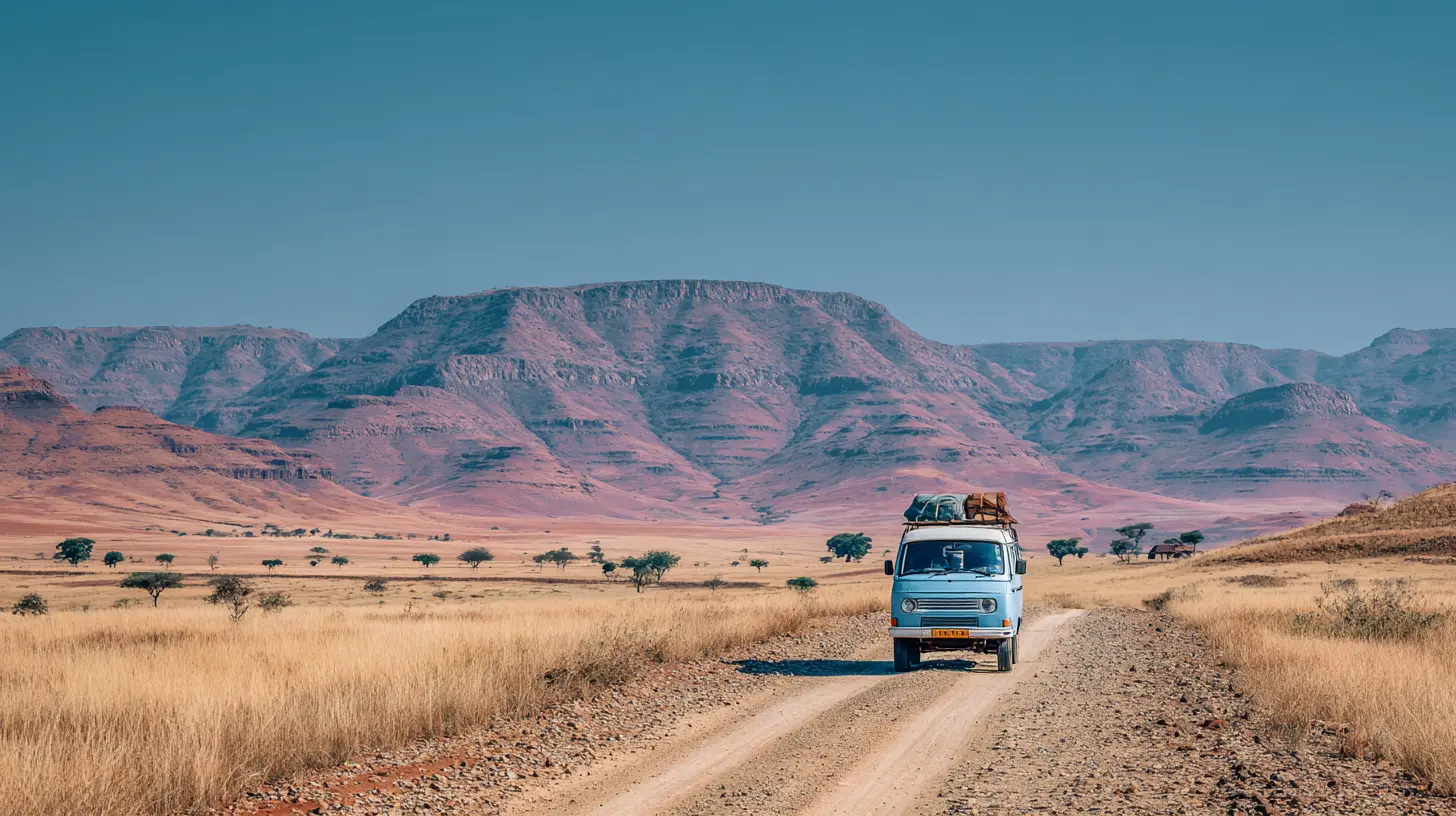
I'll tell you why. Because right now, a lot of borders are opening up again after years of complications. More countries in Africa are relaxing visa rules for overland travel. The Trans-African Highway network is getting better, bit by bit. And there is a growing community of overlanders who have gone before you, leaving behind GPS tracks, advice, and warnings. In 2026, you're not the first. You're just the next. And that's a good thing.Also, think about the timing. The world is shifting. People are looking for real experiences again. Not curated Instagram shots from a resort pool. Real dust in your teeth, real sun on your neck, real conversations with strangers who become friends. A road trip across Africa gives you that. It's the ultimate reset button.
Start With the Big Picture: What Does "Continental" Mean?
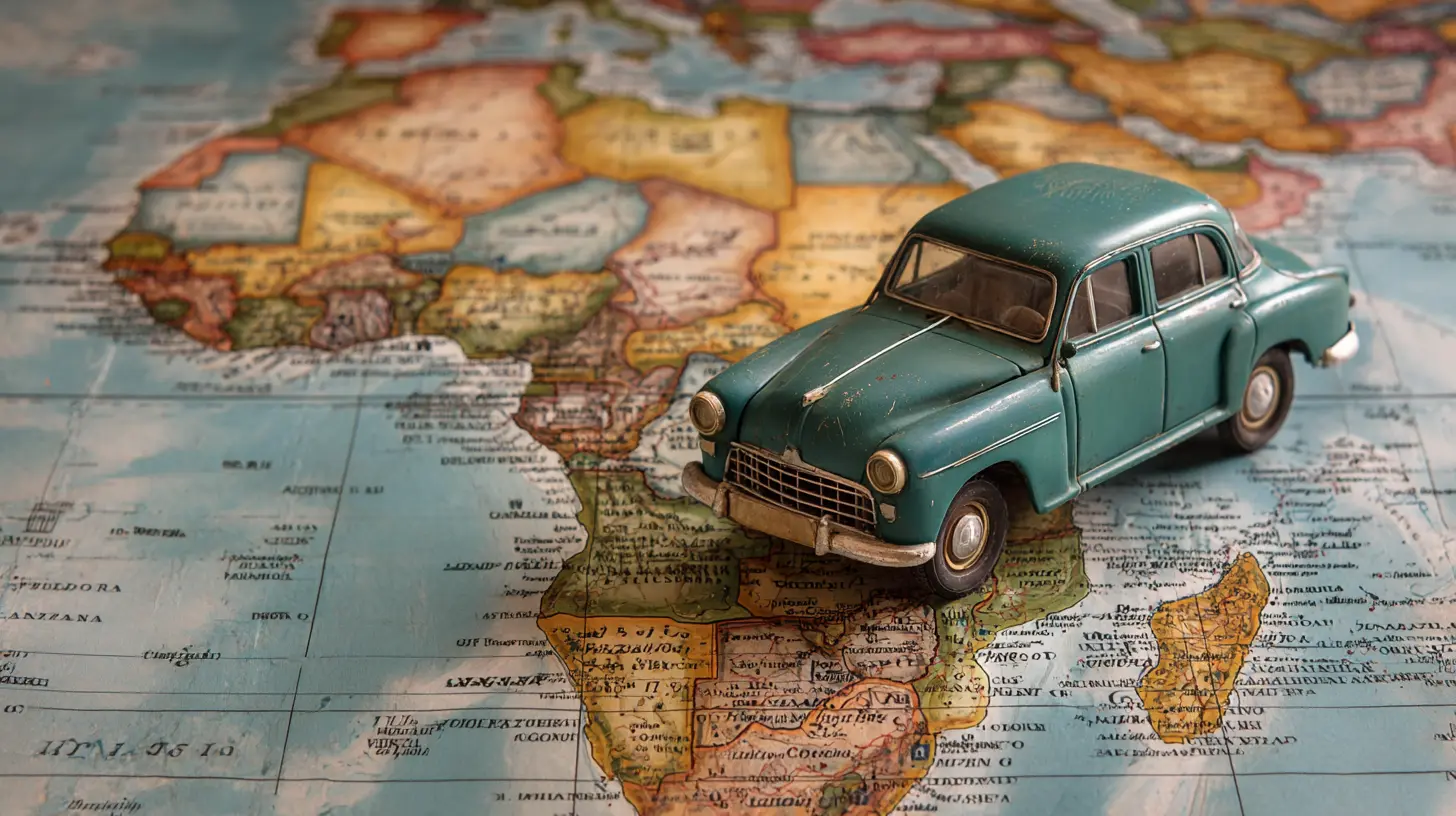
Let's get one thing straight. Driving every single inch of Africa from Cape to Cairo, or from Tangier to the Cape of Good Hope, is not a two-week vacation. It's a lifestyle for a few months. Most people who do it take anywhere from three to six months. Some take a year. You need to decide what kind of "continental" you mean.Do you want to do the classic east-west route? North-south? Maybe a loop that hits West Africa, the Sahel, and the Great Lakes? Each route has its own flavor. The northern route through Morocco, Algeria, and into the Sahara is dramatic and empty. The eastern route through Kenya, Tanzania, and into Southern Africa is full of wildlife and good roads. The west coast through Senegal, Ghana, and Angola is raw and full of culture. You have to pick your flavor.
For a first-timer, I always suggest the east coast route. It's more developed for tourism, the roads are better, and there are more people doing the same thing. That means help is never too far away. But if you're the type who wants to get lost, go west. Just go prepared.
The Vehicle: Your Home on Wheels
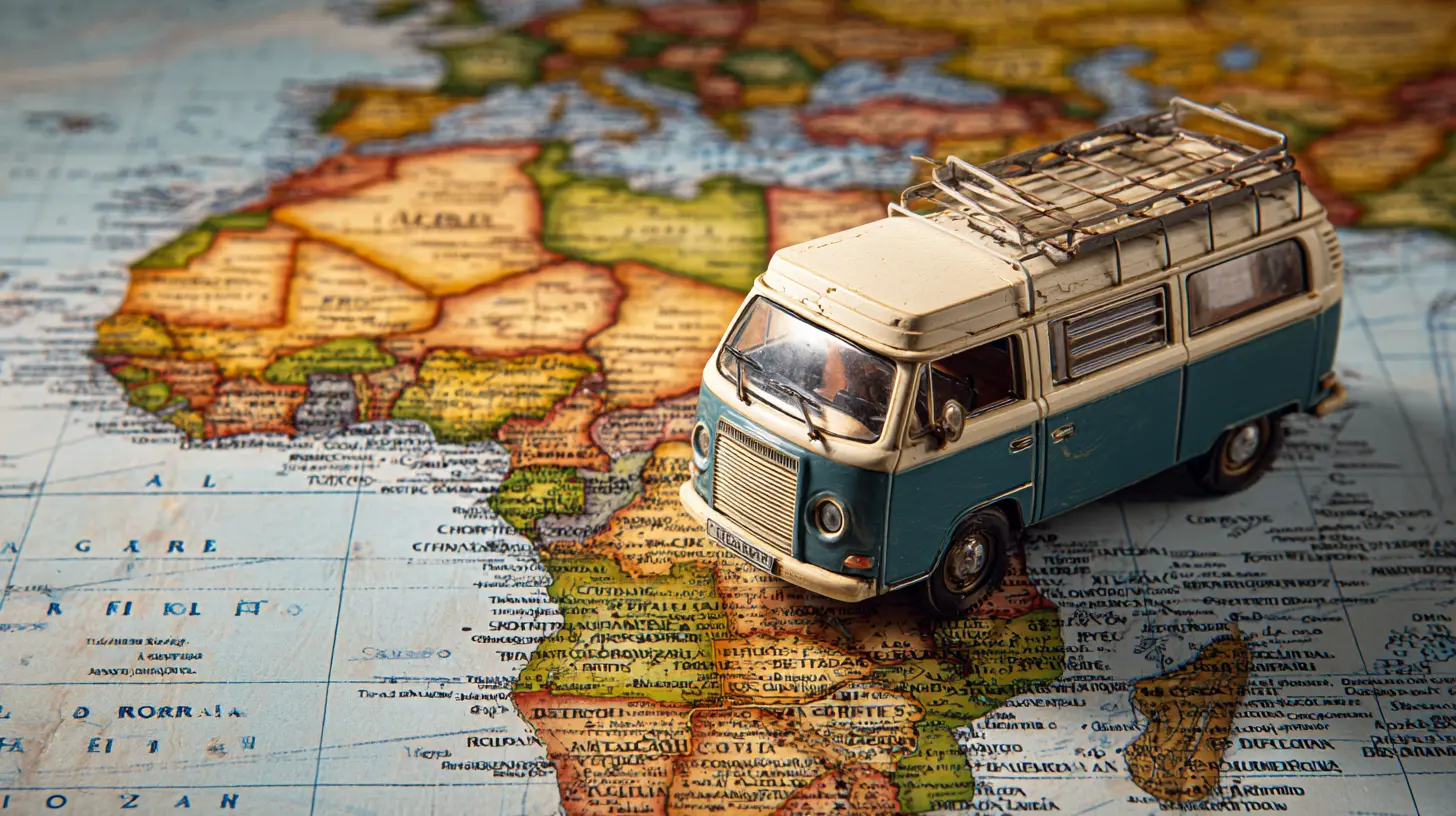
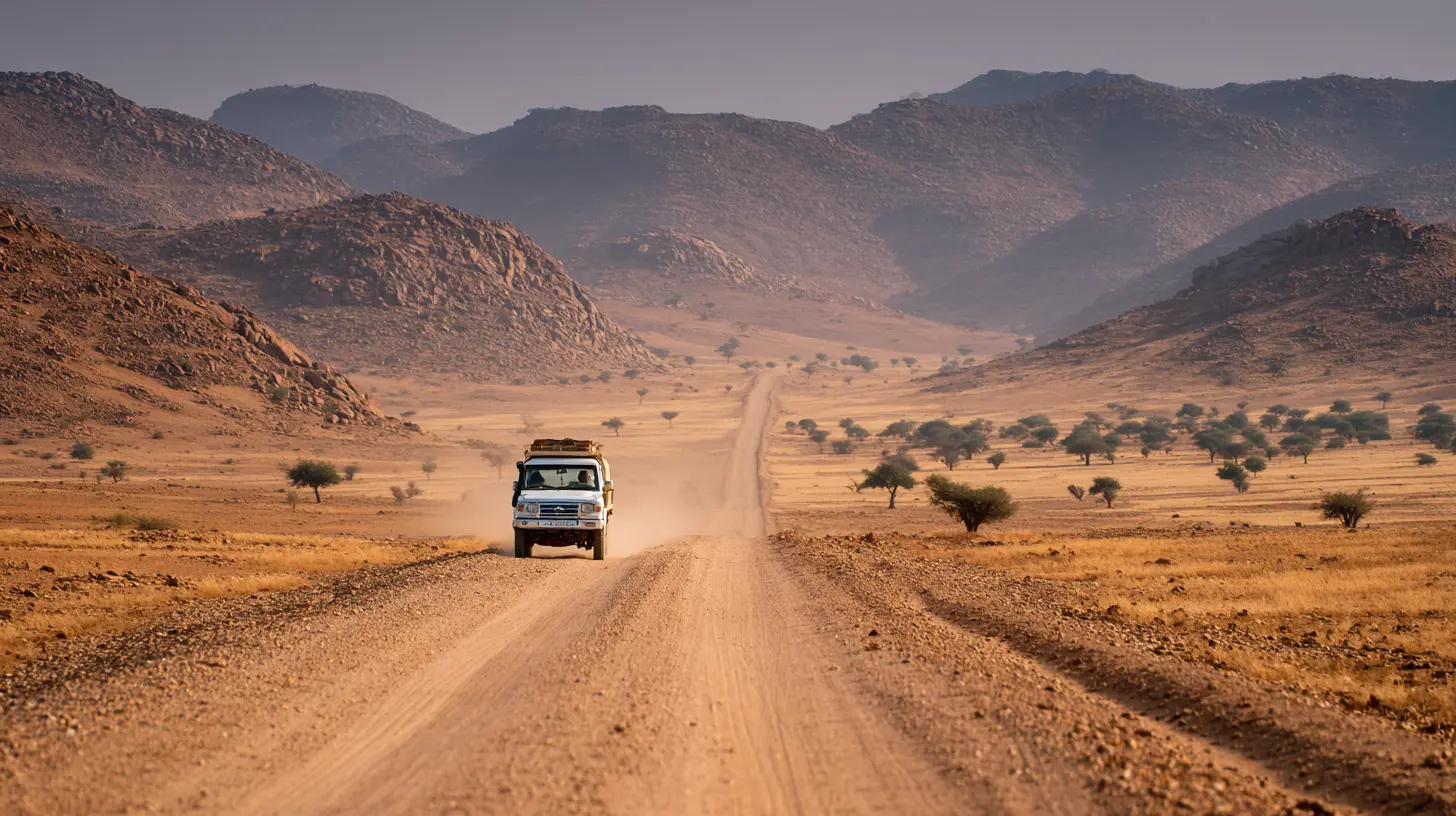
This is not the time to be cute with a tiny hatchback. You need a vehicle that can handle dirt roads, river crossings, and long stretches of nothing. A 4x4 is not a luxury. It's a necessity. Something like a Toyota Land Cruiser, a Nissan Patrol, or a well-maintained Mitsubishi Pajero. If you can get a diesel, get a diesel. Diesel is easier to find in remote parts of Africa than petrol. Trust me on this.You also need to think about sleeping. A rooftop tent is popular for a reason. It gets you off the ground away from snakes and bugs, and it's quick to set up. But a ground tent works too if you're on a budget. Some people convert vans or use truck campers. Whatever you choose, make sure you can live in it for days at a time. You'll be cooking, sleeping, and sometimes hiding from rain in that vehicle. Make it comfortable.
Don't forget storage. You need room for water, food, tools, spare parts, and personal stuff. Overpacking is a mistake, but underpacking is dangerous. Find the balance.
Paperwork and Borders: The Real Headache
I'm not going to lie to you. Crossing borders in Africa can be a pain. It's not like driving from state to state in the US. Every country has its own rules, its own fees, and its own pace. Some border posts are efficient. Others will test your patience. You need a plan.First, get a Carnet de Passage. This is like a passport for your car. It guarantees that you won't sell the vehicle in another country. Without it, some countries won't let you in. You can get one from your local automobile association. It costs money and requires a deposit, but it's worth it.
Second, visas. Some countries offer visas on arrival. Others require you to apply weeks in advance. Do your research for every single country on your route. Keep photocopies of everything. Keep digital copies in your phone and on a cloud server. You will lose a document at some point. It happens.
Third, insurance. Your regular car insurance won't cover you in most African countries. You need third-party insurance that is recognized across borders. You can usually buy it at the border, but it's better to arrange it beforehand. Yellow fever vaccination card? Yes, you need that too. Some border officials will ask for it. Others won't. But if they do and you don't have it, you're turning around.
Route Planning: The Art of the Flexible Itinerary
Here is where most people mess up. They plan every single day. "Day 1: drive 400 km. Day 2: visit this museum. Day 3: cross this border." And then a road is washed out, or a border is closed, or you meet someone who tells you about a village you have to see, and your whole plan falls apart.Instead, plan in chunks. Know your major waypoints. For example: start in Casablanca, Morocco. Then head to Marrakech. Then into the Sahara. Then down to Mauritania. Then Senegal. Then Mali (if it's safe). Then Burkina Faso. Then Ghana. Then Nigeria. Then Cameroon. Then Gabon. Then Congo. Then Angola. Then Namibia. Then South Africa. That's one route. But you won't stick to it exactly. Leave room for detours.
Use apps like iOverlander and Maps.Me. These are offline maps that show camping spots, water points, and tips from other travelers. They are your best friends. Also, talk to locals. They know the shortcuts and the dangers. A guy at a petrol station might tell you about a road that locals don't use because of bandits. Listen to him.
Safety: Not Scary, Just Smart
Let me be honest. Africa gets a bad rap in the news. Yes, there are places with conflict. Yes, there is crime. But most of the continent is safe if you use common sense. Don't drive at night. Lock your doors. Don't flash expensive gear. Keep your phone hidden. Trust your gut.Some areas are genuinely dangerous. Northern Nigeria, parts of the Sahel, and some border regions in the Horn of Africa. Check travel advisories from your government, but don't rely on them entirely. They are often too cautious. Instead, talk to other overlanders who have been there recently. They will tell you the real situation.
Also, have a backup plan for emergencies. A satellite phone or a personal locator beacon is a good investment. Cell service is spotty in many areas. You don't want to be stuck with a broken axle and no way to call for help.
Budget: What Will This Really Cost?
I hate to be the bearer of bad news, but a continental road trip is not cheap. You can do it on a budget, but you'll still spend a few thousand dollars a month. Fuel is expensive in some countries. Food is cheap if you cook yourself. Camping is cheaper than hotels. But visas, insurance, and vehicle maintenance add up.A rough estimate: for a three-month trip from Morocco to South Africa, you might spend between $8,000 and $15,000 per person, not including the cost of the vehicle. If you buy a car and sell it at the end, you can reduce that. Some people do it for less. But don't plan on being one of them. Plan for the worst, hope for the best.
The People You'll Meet
This is the best part of the trip. You will meet people who have nothing and give you everything. You will be invited into homes for tea. You will be shown the best fishing spots. You will be given directions that are wrong but lead to amazing places. The hospitality in Africa is unmatched.But also, you'll meet other overlanders. There is a whole community of people doing this. You'll run into them at campsites, at border crossings, at ferry ports. Swap stories, share tips, maybe travel together for a few days. It's like a floating family.
The Real Challenges Nobody Talks About
Let's talk about the hard stuff. You will get tired. Driving on bad roads for hours is exhausting. You will get sick. Stomach bugs are common. You will get frustrated when a mechanic tells you he needs a part that will take three days to arrive. You will miss hot showers and cold beer.You will also have moments of doubt. What am I doing out here? Why did I think this was a good idea? That's normal. Push through it. The next day you'll see a herd of elephants crossing the road, or you'll swim in a waterfall, and you'll remember why you came.
The Best Time to Go
Timing matters. The rainy season in West Africa is from May to October. That means flooded roads and mud. The dry season in Southern Africa is from May to October. So if you want to do a north-south route, start in the north in October or November, and head south as the weather improves. If you start in South Africa and go north, start in May or June.The Sahara is best in winter. The tropics are best in the dry season. Plan your route around the weather, not the other way around.
Packing List: The Essentials
You need a tool kit, a first aid kit, a water filter, a solar charger, a good knife, a headlamp, and a sense of humor. Don't forget spare tires. At least two. And a jack that actually works on soft ground. Bring a jerry can for extra fuel. Bring a mosquito net. Bring a good book for the long nights.Clothing? Lightweight, quick-dry stuff. A warm jacket for the highlands. A hat. Good walking shoes. And a scarf. A scarf is the most versatile thing you can pack. It keeps the sun off, the dust out, and can be used as a towel in a pinch.
The Mindset Shift
Here's the thing. A road trip through Africa is not a vacation. It's an expedition. You will not be pampered. You will not have a schedule that works perfectly. You will get lost, you will get dirty, and you will get tired. But you will also feel more alive than you have in years.You have to let go of the idea that everything needs to be comfortable. Embrace the chaos. When your car breaks down in the middle of nowhere, that's not a disaster. That's an adventure. When you can't find a hotel and sleep in the car, that's a story. When you eat something weird and it tastes amazing, that's a memory.
Final Thoughts Before You Go
Planning a continental road trip through Africa in 2026 is not just about logistics. It's about making a decision to see the world differently. To slow down. To connect. To prove to yourself that you can do hard things.Start today. Not next year. Not when you have more money. Not when the kids are older. Start with a map. Start with a conversation. Start with a single decision: I'm going to do this.
And when you're out there, driving through the savannah with the windows down, music playing, dust trailing behind you, you'll look in the rearview mirror and see the person you were before you left. And you'll smile. Because that person is gone. And the new one is exactly where they belong.
all images in this post were generated using AI tools
Category:
Continental TravelAuthor:

Winona Newman
Discussion
rate this article
1 comments
Bellamy Wright
Get ready for the adventure of a lifetime! Exploring Africa by road in 2026 promises unforgettable experiences and breathtaking landscapes.
May 4, 2026 at 4:59 PM