How to Avoid Cliché Shots While Photographing Famous Destinations
31 March 2026
Ever found yourself standing in front of an iconic landmark, camera in hand, feeling like you’ve seen the same shot a thousand times? You’re not alone. Famous destinations are, well... famous, which means they’ve been photographed from every possible angle—right? Not quite.
If you want your travel photography to stand out from the endless sea of postcard-perfect images, you’ll need to shake things up. Let’s talk about how you can ditch the cliché shots and capture images that feel fresh, authentic, and uniquely yours. 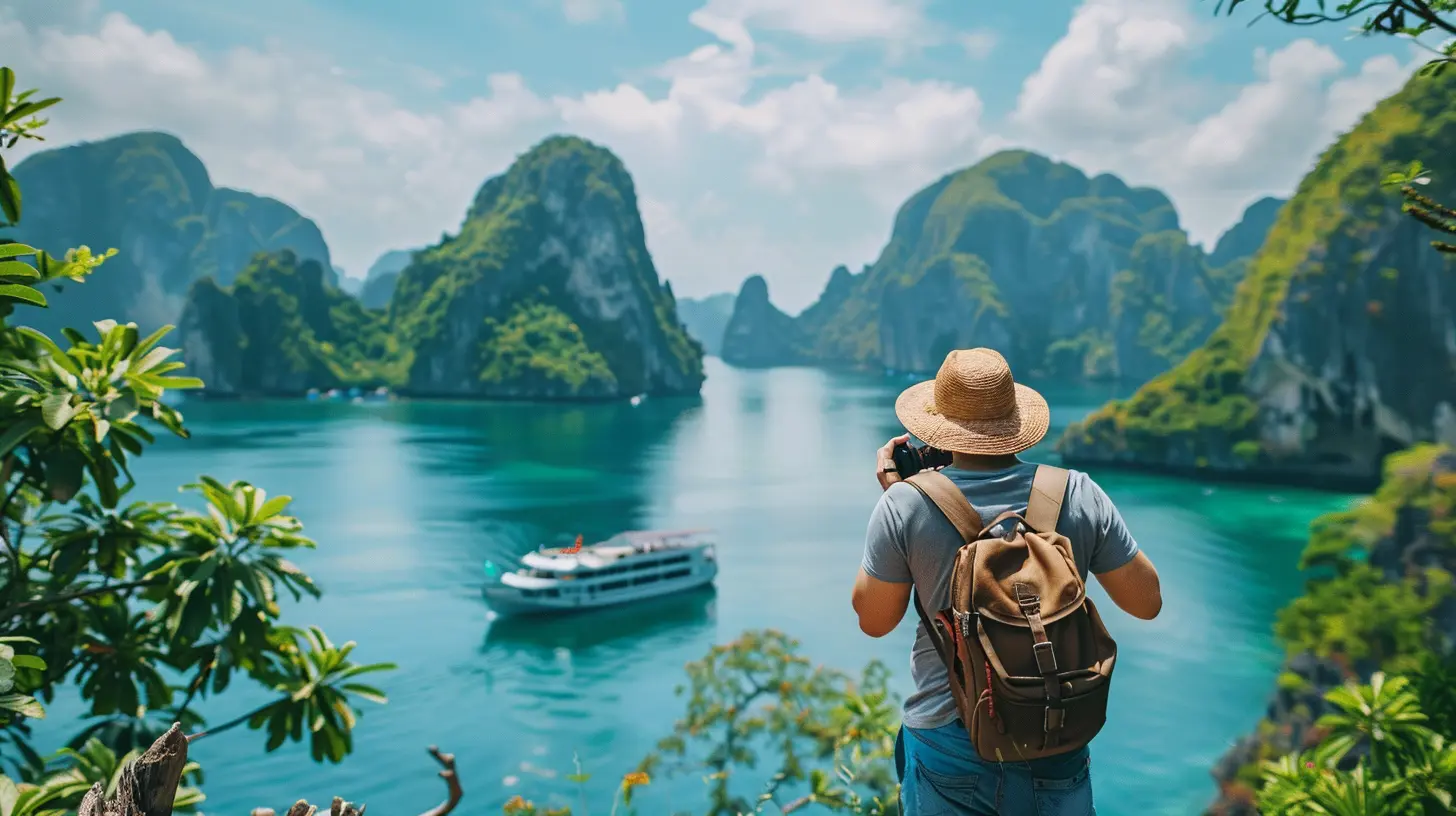
1. Avoid the Front-and-Center Tourist Perspective
We’ve all seen it: a traveler standing right in front of the Eiffel Tower, dead-center, clicking the same old shot that’s been plastered on a million Instagram feeds. It’s safe, predictable... and boring.What to do instead?
- Walk around the landmark and look for unusual angles.- Frame your shot through an archway, a window, or even between trees.
- Try unconventional perspectives—shoot from below for a towering effect or above for a bird’s-eye view.
A slight shift in perspective can turn a tired shot into something refreshingly new. 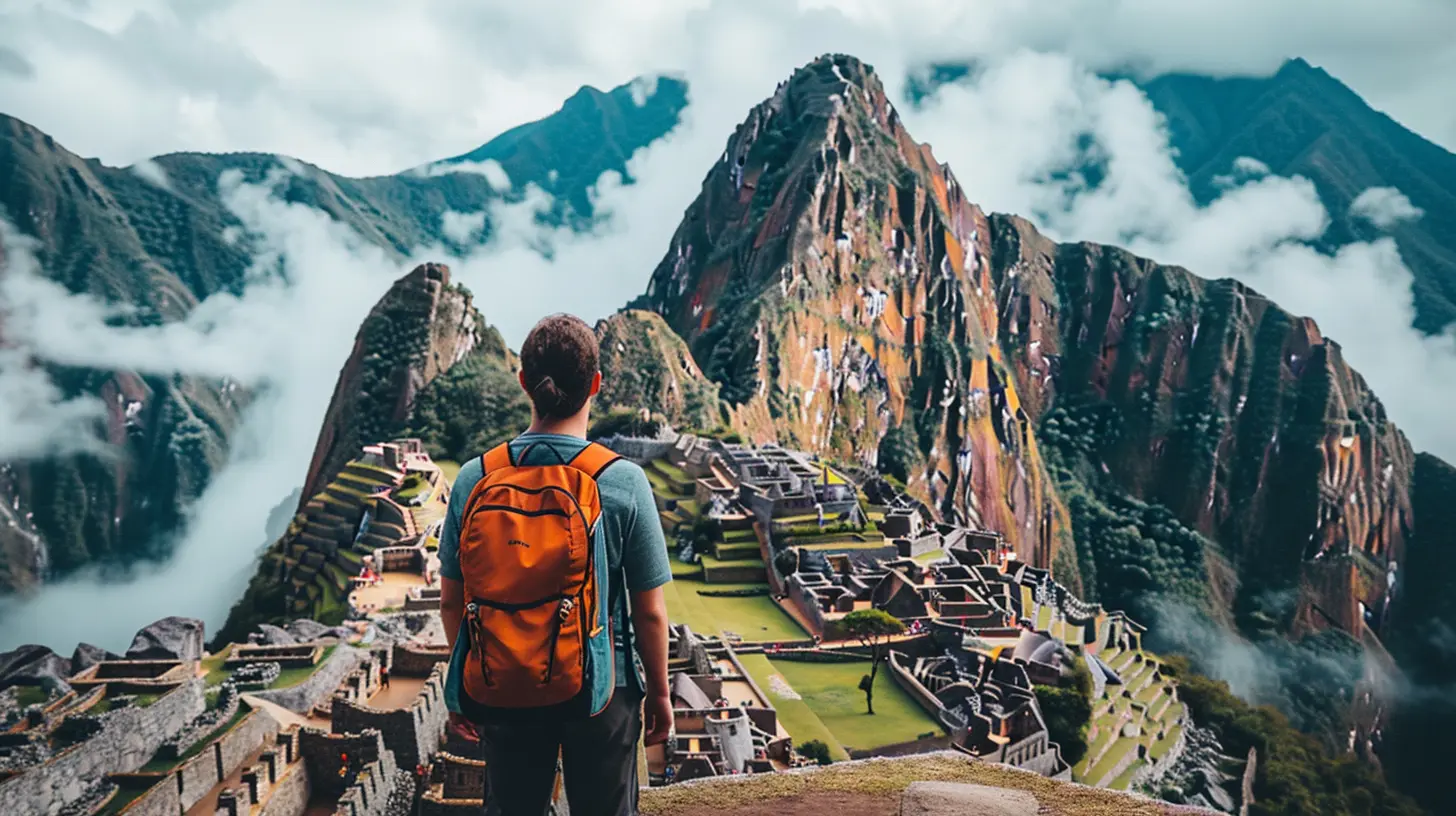
2. Step Away from the Crowds
Let’s be honest: crowds are the ultimate photobombers. If you’re visiting a popular tourist attraction, you’re likely surrounded by dozens (or hundreds) of people taking the same shots. Instead of fighting for space, find a quieter location nearby.How?
- Wake up early (I know, I know... but golden hour lighting makes it worth it).- Visit during the off-season when fewer tourists are clogging the view.
- Walk a little further—sometimes the best angles are just a block away.
If you want your image to tell a story beyond “Look, I was here!”, stepping away from the usual crowd is a game-changer.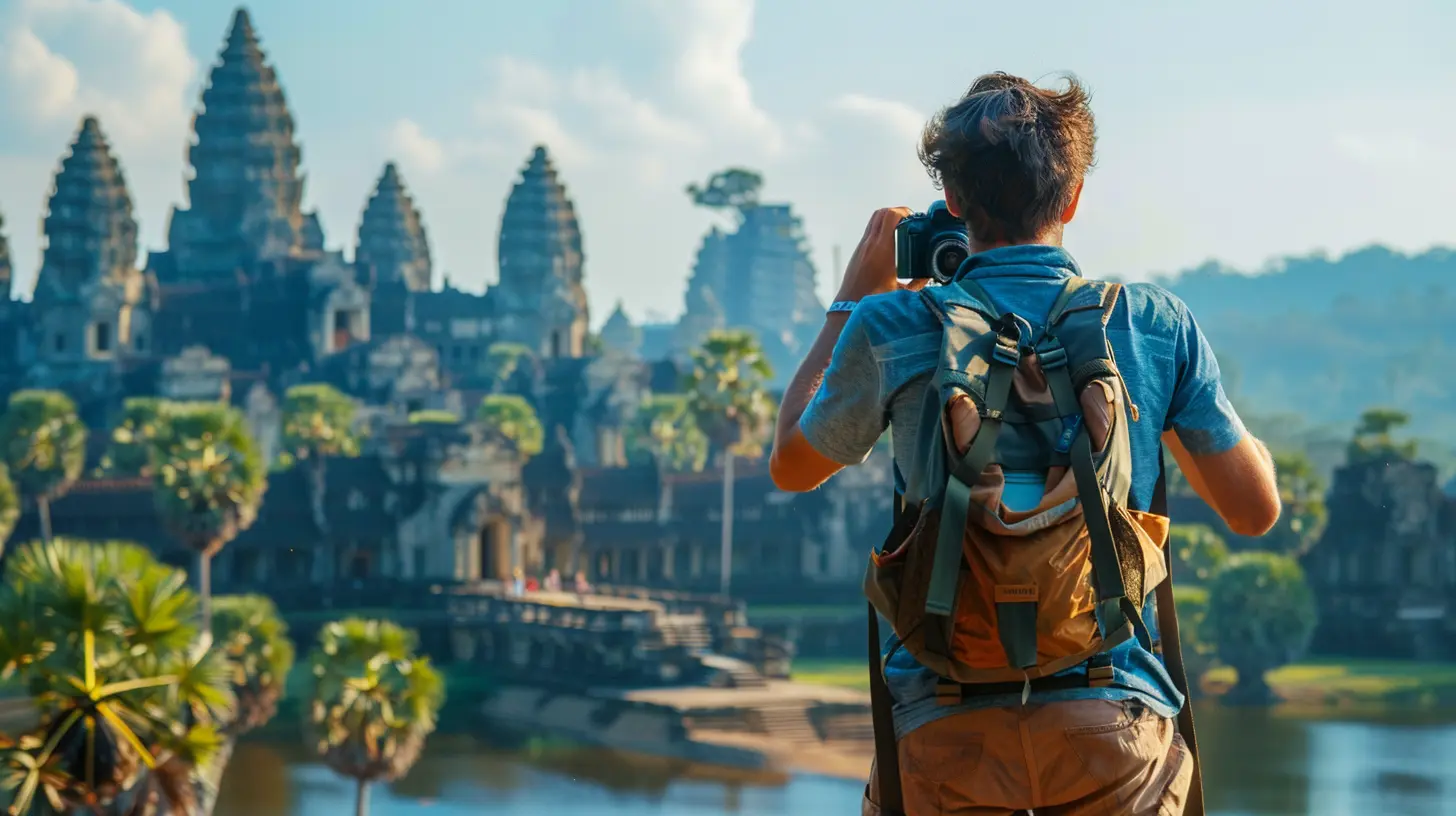
3. Look for Unexpected Details
Sometimes, it’s the little things that make a photo stand out. Instead of capturing the entire scene in one go, zoom in on the details that others might overlook.Try this:
- Focus on a unique texture, like the intricate carvings on a temple door.- Capture the reflections of a landmark in puddles after rain.
- Highlight local traditions, street signs, or everyday life happening around the landmark.
By shifting your focus to the details, you tell a much richer and more authentic story.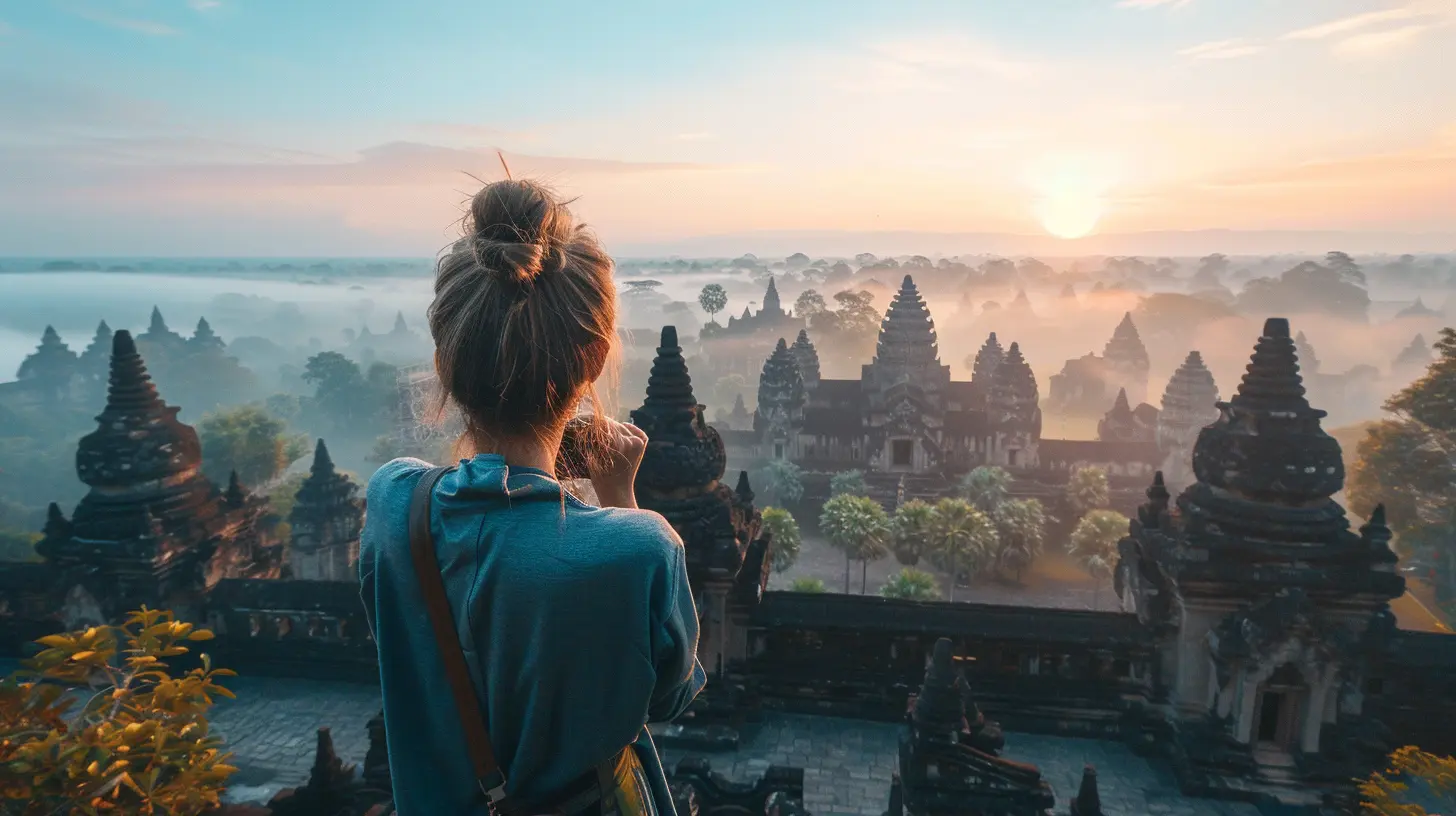
4. Play with Light and Shadows
Great photography isn’t just about what you shoot—it’s about how you use light. If you’re taking a midday shot in harsh sunlight, it’s going to look like every other overexposed tourist photo.What’s the better plan?
- Use the soft, golden light of sunrise or sunset for warmth and depth.- Capture dramatic shadows stretching across ancient ruins or cobblestone streets.
- Try a silhouette shot by positioning your subject against a glowing sky.
Light can transform an ordinary image into a stunning visual masterpiece—if you use it wisely.
5. Let Life Happen in Your Frame
A famous landmark is just a backdrop—the real magic comes when you capture life happening around it. Instead of aiming for a perfect, empty shot, embrace the movement, colors, and emotions of the place.How to do it?
- Photograph locals going about their day in front of the landmark.- Capture a street performer, a merchant, or a couple sharing a moment.
- Don’t shy away from motion blur—people walking or bicycles passing can add a dynamic feel.
The most captivating shots tell a story. Let your images feel alive, not just staged.
6. Use Reflections and Unusual Surfaces
Water, glass, metal—these surfaces can turn an ordinary shot into something surreal and mesmerizing.Creative reflection ideas:
- Capture a landmark in a puddle after the rain.- Snap a shot through a window or a glass surface for a layered perspective.
- Use a mirror or polished surface to create interesting distortions.
Reflections double the magic of a scene while making your shot pop with creativity.
7. Change Your Photography Style
If you always shoot wide and bright, challenge yourself to try something different:- Shoot in black and white for a timeless, moody effect.
- Try a shallow depth of field where only part of the scene is in focus.
- Capture a panoramic image to show more of the surroundings.
Switching up your usual style forces you to see things differently, leading to unexpected and unique shots.
8. Avoid Over-Edited Filters
Let’s talk about editing. While it’s tempting to slap on an intense Instagram filter, over-editing can make your shot look less original and more artificial.What’s the move?
- Adjust brightness, contrast, and saturation subtly to enhance, not distort.- Use natural tones instead of extreme color overlays.
- Keep an eye on the sky—overdoing the blues can make it look unnaturally neon.
A photo that feels real is more powerful than one that’s drowning in filters.
9. Use Framing for a Unique Perspective
Framing is a powerful composition technique that adds depth and originality to your shots. Instead of taking a straightforward image of a landmark, find natural or architectural frames to make it stand out.Examples:
- Frame the Sydney Opera House between two sailboats.- Capture the Colosseum through a narrow alleyway.
- Take a shot of Machu Picchu using tree branches as a frame.
Framing guides the viewer’s eye exactly where you want, making your shot feel more intentional and artistic.
10. Tell a Visual Story
Finally, the best travel photos aren’t just pretty—they tell a story.Instead of snapping a one-off shot, think in sequences:
- Capture the anticipation of arriving at the landmark.
- Show reactions—your friends in awe, a child’s excitement, a vendor preparing food nearby.
- Include small moments that set the scene—like a bird resting on a statue or an artist sketching the view.
A single great photo is fantastic, but a series of shots woven into a story? That’s where the real magic happens.
Final Thoughts
Famous destinations will always be, well... famous. But that doesn’t mean your photos have to look like everyone else's. By shifting your perspective, embracing storytelling, and thinking creatively, you can take images that stand out in a world full of clichés.So next time you’re out there, camera in hand, ask yourself: What can I do differently? The answer might just lead you to your best shot yet.
all images in this post were generated using AI tools
Category:
Travel PhotographyAuthor:

Winona Newman
Discussion
rate this article
2 comments
Astra McAndrews
What's your secret angle?
April 11, 2026 at 4:17 AM
Winona Newman
Look for unique perspectives and focus on the details that tell a different story.
Rhett Mercado
This article effectively highlights creative strategies to transcend clichéd photography. By emphasizing unique angles, local perspectives, and personal storytelling, it encourages photographers to capture authentic experiences and evoke genuine emotions.
April 3, 2026 at 5:02 PM
Winona Newman
Thank you for your thoughtful comment! I'm glad you found the strategies useful for capturing authentic moments. Your insights on unique angles and personal storytelling resonate well with the article's aim.