From Farm to Market: Discovering Organic Produce at Local Hubs
14 December 2025
So, here’s the deal—organic produce isn't just for yoga-loving, smoothie-blending, kale-crunching foodies anymore. Nope. It’s for all of us who’ve ever looked at a tomato and thought, “Why does this taste like cardboard?” Or sniffed a strawberry and asked, “Where’s the smell?”
Welcome to the glorious, mud-spattered, veggie-packed world of local organic markets. It's where carrots wear their dirt like a badge of honor and eggs come from chickens that probably have better vacation plans than we do.
Buckle up, fam. We’re going on a deliciously green ride—From Farm to Market.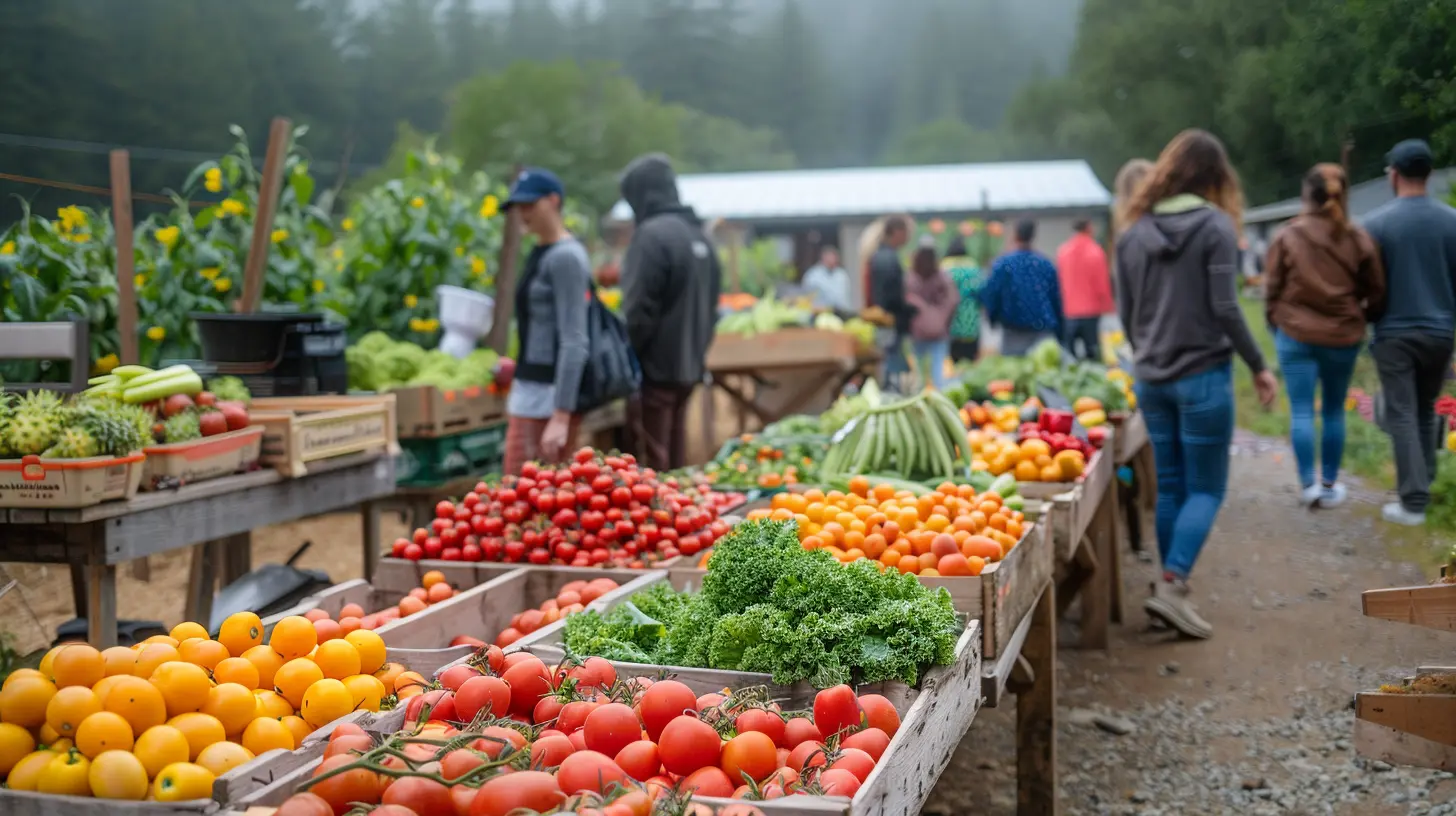
What Even Is Organic Produce, and Why Should You Care?
Let’s set the record straight. Organic produce isn’t sprinkled with unicorn dust—it’s grown without synthetic pesticides, genetically modified organisms (GMOs), or creepy, science-fiction-level chemicals.It’s basically food that remembers what food used to taste like.
You care because:
- Your body likes real, clean stuff.
- Your tastebuds do a little happy dance when food’s grown properly.
- Mother Earth sends you good karma points.
Oh, and you support local farmers who work way harder than that one guy in your office who keeps taking credit for your ideas.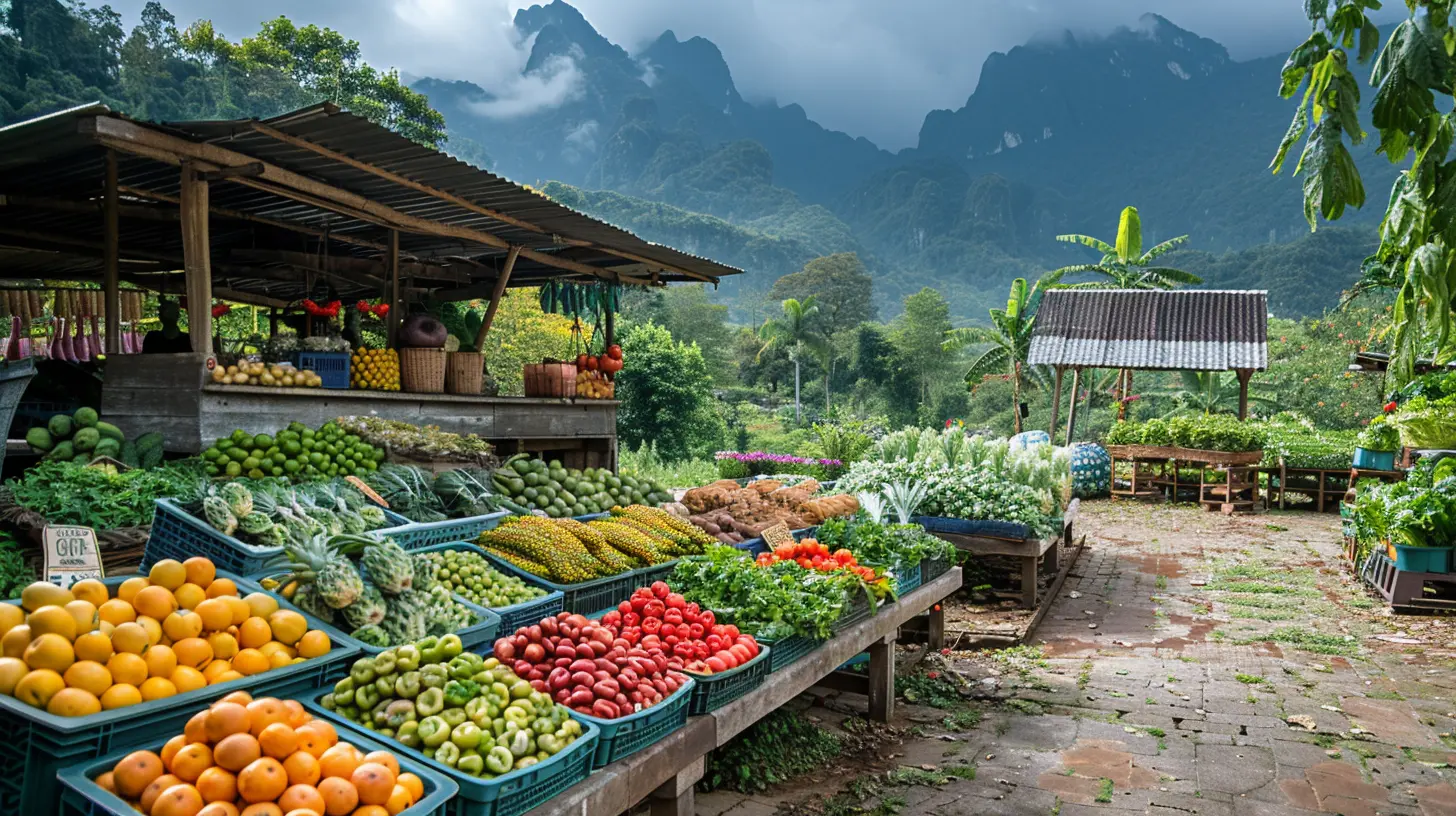
Where the Magic Happens: Local Hubs and Farmers’ Markets
You know those tiny tents you see popped up in random parking lots on Saturday mornings? That’s not a pop-up rave for vegans. That’s your local farmers’ market—a treasure trove of organic produce, homemade jam, fresh-baked bread, and enough free samples to make lunch irrelevant.Local hubs are the real MVPs. They connect farmers straight to your reusable tote bag. No middlemen. No warehouses. Just straight-up, honest-to-goodness food from the dirt to your dinner plate.
And yes, you will meet a bearded man who sells heirloom carrots and quotes Rumi. Just go with it.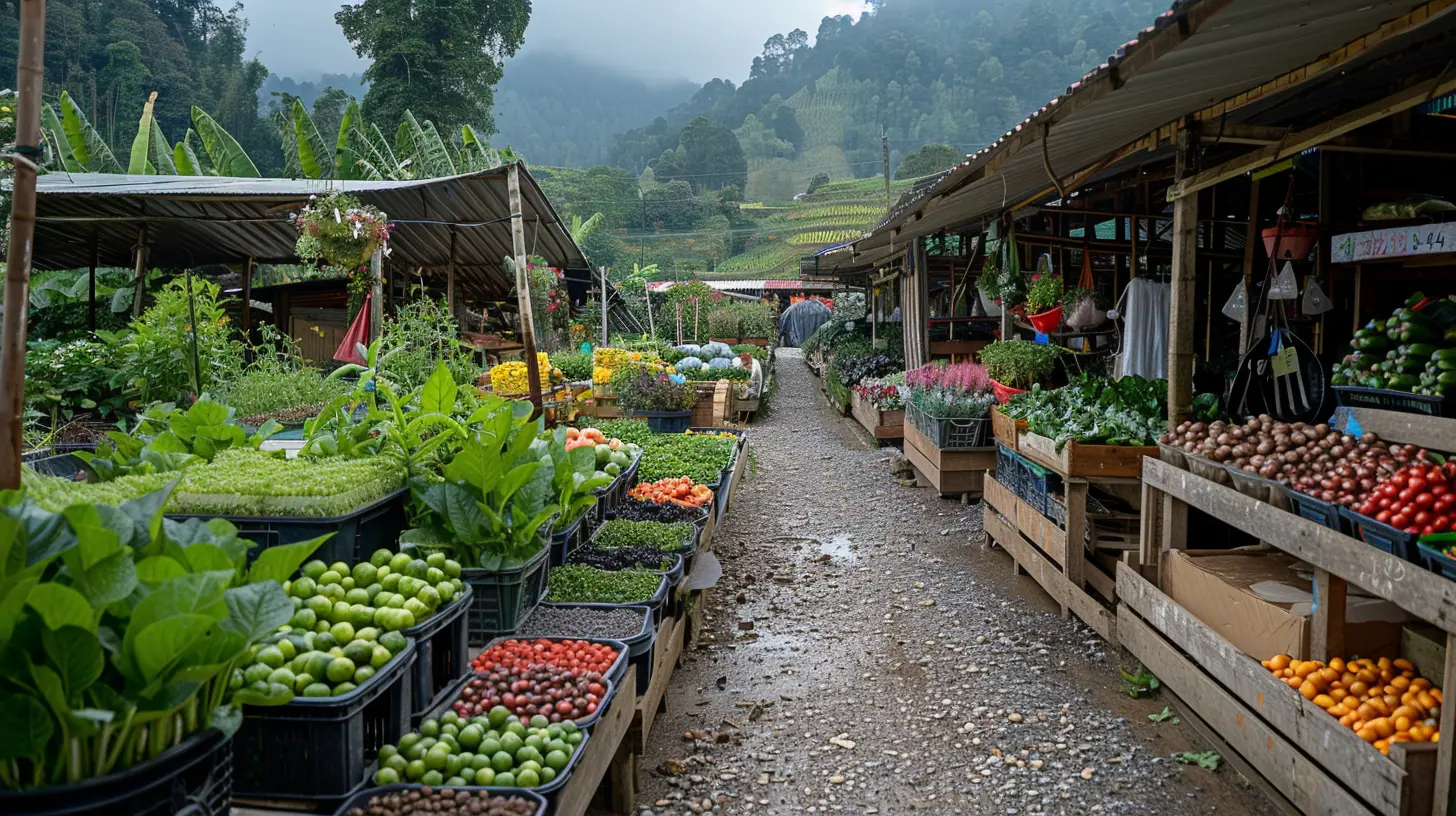
Why Local Organic > Store-Bought "Organic"
Let’s talk apples to apples—literally.You walk into a big-box store, and there it is: a shiny apple labeled “organic.” But here’s the tea—it might’ve been shipped from 2,000 miles away, chilled for weeks, and handled more times than airport luggage. Still organic? Technically, yes. Fresh and full of flavor? Not so much.
Now contrast that with apples from your local farm stand. Picked this morning. No cross-country Uber ride. Grown by someone whose hands probably still smell like the orchard.
Boom. Game-changer.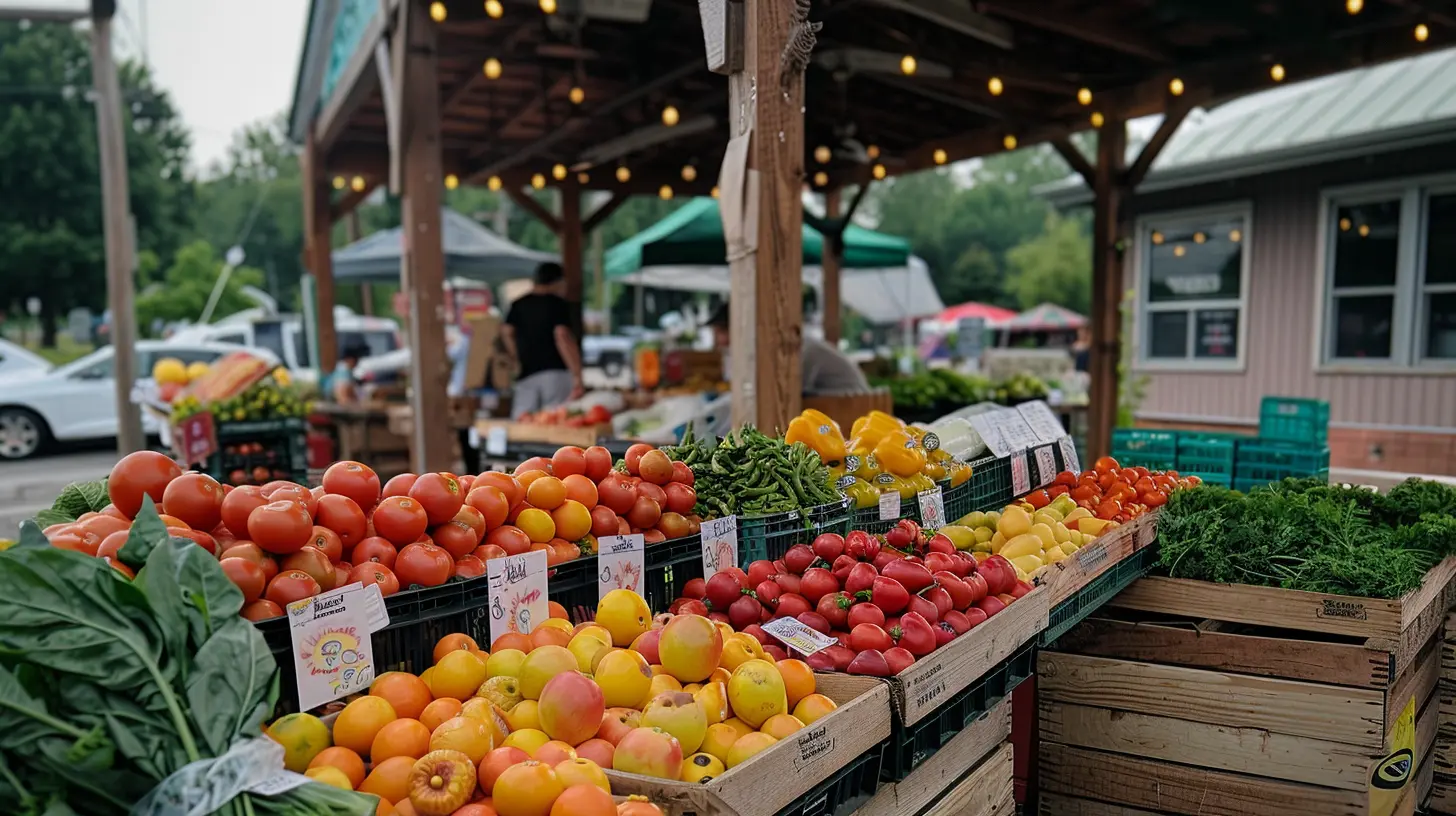
The Joy of Meeting Your Food’s First Name
When was the last time you met your lettuce’s grower? Probably never, right? At a local hub, you can literally shake hands with the person who grew your tomatoes. Which is kinda wild if you think about it.You’re not just buying food. You’re buying into a story.
Maybe your spinach was planted by a third-generation farmer named Darlene who also raises goats and can juggle (true story somewhere, I’m sure). This connection gives every meal a little more meaning—and let’s be honest, it makes salad sound way cooler.
Seasonal Eating: Nature’s Menu (No Reservations Needed)
Shopping local means eating in season. That may sound limiting, but trust me—it’s actually liberating.Winter? Hello, root veggies and citrus. Summer? It’s tomato-palooza. Fall? Squash and apples are basically throwing a party in your kitchen. Spring? Greens so fresh they snap back.
Eating seasonally not only keeps your meals exciting (goodbye mealtime ruts), but it also aligns with nature’s rhythm. Mother Nature knows what she’s doing—she's been at it for a minute.
The Seriously Unexpected Finds
You think you’re just going for some lettuce, and then BAM—you leave with:- Purple carrots (because who said veggies had to be boring?)
- Duck eggs (larger and richer—eggs 2.0)
- Kombucha brewed by a guy who lives in a yurt
- Fresh honey from bees that probably have names
- Bread that could bring a tear to your eye
These are the kinds of things you don’t find in the supermarket aisle between canned beans and disappointment.
Tips for Navigating Your First Farmers’ Market Like a Pro
Let’s keep it real: Your first time at a local market? Slightly overwhelming. But also magical. Like Hogwarts for foodies.Here’s how to walk in with confidence and walk out with Instagram-worthy groceries:
1. Bring Cash (and a Tote)
Not everyone takes cards, and you’re gonna need something to carry all your impulse buys.2. Go Early for the Best Picks…
The early bird gets the weirdly gorgeous tomatoes.3. …But Go Late for Deals
Near closing time, farmers don’t want to haul stuff back. Cue the bargains!4. Ask Questions
“How do I cook this?” is not a dumb question. These farmers love to share tips—they’re basically food nerds in disguise.5. Try Something New Every Visit
That scary-looking root vegetable? It might be your new fave.Farmers: The Unsung Heroes of Flavor Town
Let’s give a standing ovation (or at least a firm nod) to the farmers. These folks are up before sunrise, knee-deep in soil, battling bugs, weather, and the occasional goat rebellion—all so we can eat food that tastes like food.They’re entrepreneurs, stewards of the land, and lowkey magicians.
Buying from them means:
- Supporting small businesses
- Keeping farming alive (and cool!)
- Investing in your local economy
Honestly, it’s like voting with your wallet—but tastier.
Cooking with Local Organic Goodies: A Love Story
Here's the thing—when your ingredients are fresh and flavorful on their own, you don't need to be Gordon Ramsay to whip up a killer meal.A tomato from the supermarket? Needs olive oil, balsamic, maybe a prayer. A tomato from your local market? Just slice, sprinkle with salt, and cue the romantic music.
Cooking becomes less about covering up flaws and more about celebrating what’s already perfect.
Eco-Friendly Points + Local Pride = Winning Combo
When you shop local, you're not just helping yourself or the farmer—you’re helping the whole darn planet.Shorter supply chains = lower carbon footprints. Minimal packaging = less waste. Happy bees = better everything.
Plus, there’s just something cool about knowing that your salad greens have a ZIP code.
You’re eating food from your community, for your community. That’s next-level neighborly.
How to Find Local Organic Hubs Near You
Don’t worry, you don’t need a treasure map (though that would be epic).Try these methods:
- Google Maps: Search “farmers markets near me” and let the adventure begin.
- Facebook Events: Where produce and people meet (sometimes literally).
- Local Co-ops and Food Networks: Urban food dragons guarding the gates to flavor town.
- Apps like LocalHarvest or Farmstand: Yes, there’s an app for that.
Bonus Tip: Some CSAs (Community Supported Agriculture) even let you subscribe to weekly veggie boxes. It's like a VIP Farm Club!
When You Can't Visit IRL – Go Virtual
Didn't think farming and Zoom would ever belong in the same sentence, right?But nowadays you can even shop local online. Some markets and farms have virtual stalls, delivery options, and even Instagram auctions (yes, really).
So if you’re stuck inside, don’t fret—your kale can come to you.
Final Thoughts: Go Green, Get Happy
So, what have we learned today?That food from a local hub isn’t just about being healthy or trendy or getting the best-looking zucchini. It’s about connection—between you and your food, your farmer, your planet, and your community.
It’s tasty. It’s real. It’s full of stories. And it’s just waiting for you to grab a basket and join the flavor parade.
Go on—get that dirt under your fingernails (metaphorically), chat with a local grower, and treat your tastebuds to something grown with love.
Seriously, your mouth will thank you.
all images in this post were generated using AI tools
Category:
Local MarketsAuthor:

Winona Newman
Discussion
rate this article
2 comments
Phoebe Barker
This article beautifully captures the essence of supporting local agriculture. Exploring organic produce at local hubs not only connects us to our food but also fosters a sense of community. I appreciate the emphasis on sustainability and the stories behind each farm. It inspires a deeper appreciation for what we consume daily.
January 18, 2026 at 5:44 AM
Winona Newman
Thank you for your thoughtful comment! I'm glad to hear the article resonates with you and highlights the importance of local agriculture and community connections.
Thomas Bowman
Embracing local organic produce not only supports farmers but also enriches our diet and community. Let’s savor the flavors of nature together!
December 26, 2025 at 5:52 PM
Winona Newman
Absolutely! Supporting local organic farms enhances our diet and community, making each bite a celebration of nature's bounty. Let's enjoy this journey together!