Essential Safety Tips for Mountain Climbers and Hikers
8 March 2026
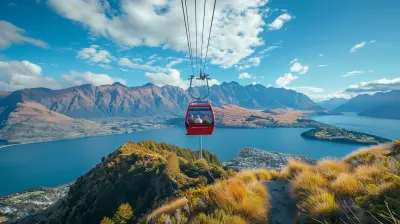
Imagine standing on the edge of a rocky peak, gazing out at a horizon that stretches endlessly. The air is crisp, your heart’s pounding from the climb, and in that moment—you feel truly alive. But let’s be real for a second. That view you’re soaking in? It didn’t come without some serious preparation and a dash of caution.
Whether you’re a weekend hiker with a thirst for scenic beauty or a hardcore mountaineer chasing summit dreams, one thing is crystal clear: safety is non-negotiable.
This guide cuts through the fluff and gets straight into the nitty-gritty—real, honest, hard-earned safety tips for mountain climbers and hikers. Think of it as your trail-tested survival blueprint, written by someone who's been there and learned, sometimes the hard way.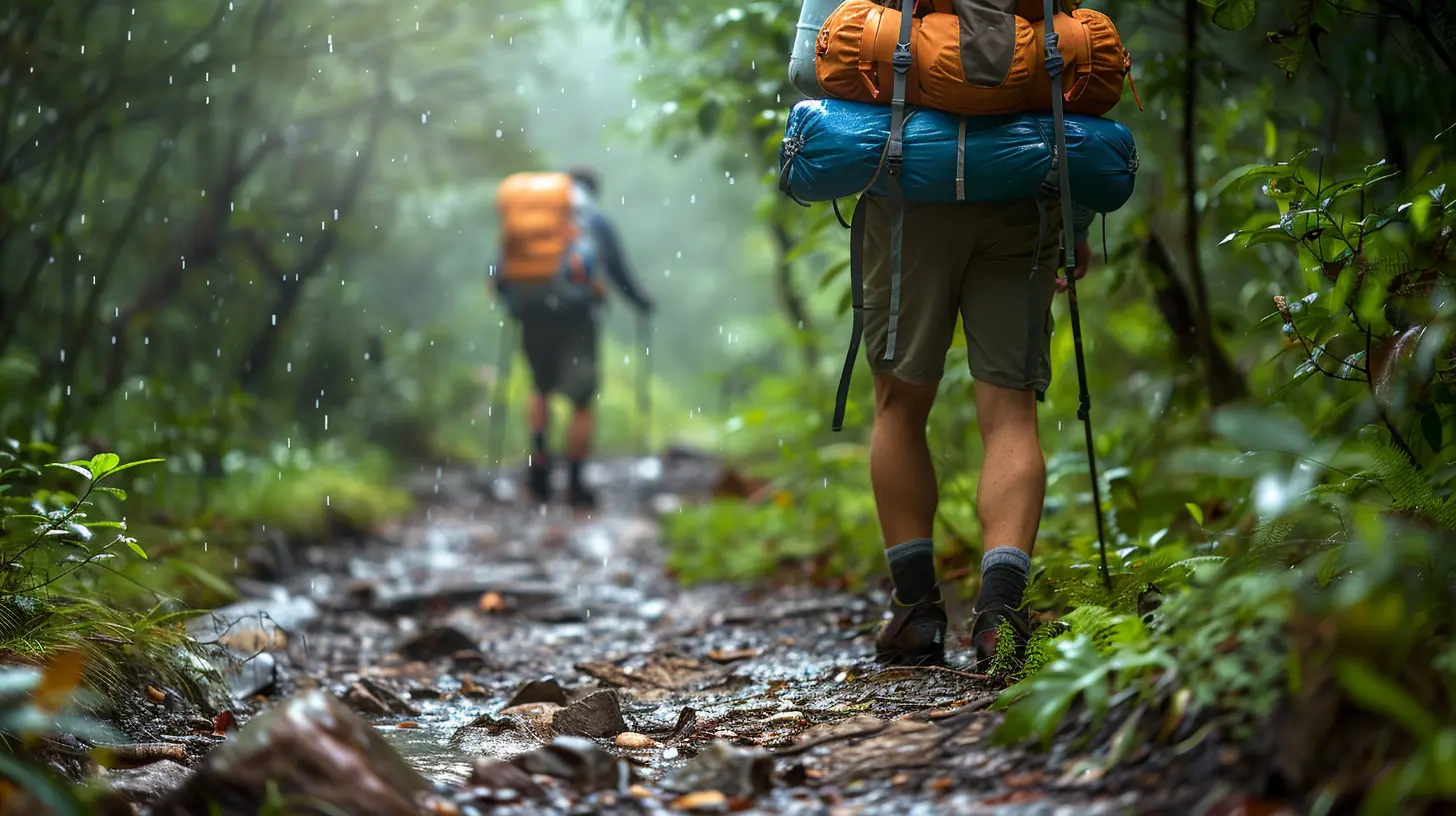
Why Safety Should Come First (Always)
You wouldn’t drive a car without checking the brakes, right? Hiking and climbing, especially in mountainous terrain, are no different. Nature is breathtaking but wildly unpredictable. One wrong turn, one missed detail, and things can go south fast.And here's the kicker—most outdoor accidents are totally preventable. That’s right. With just a little know-how, a solid plan, and the right gear, you can stay safe without killing the fun.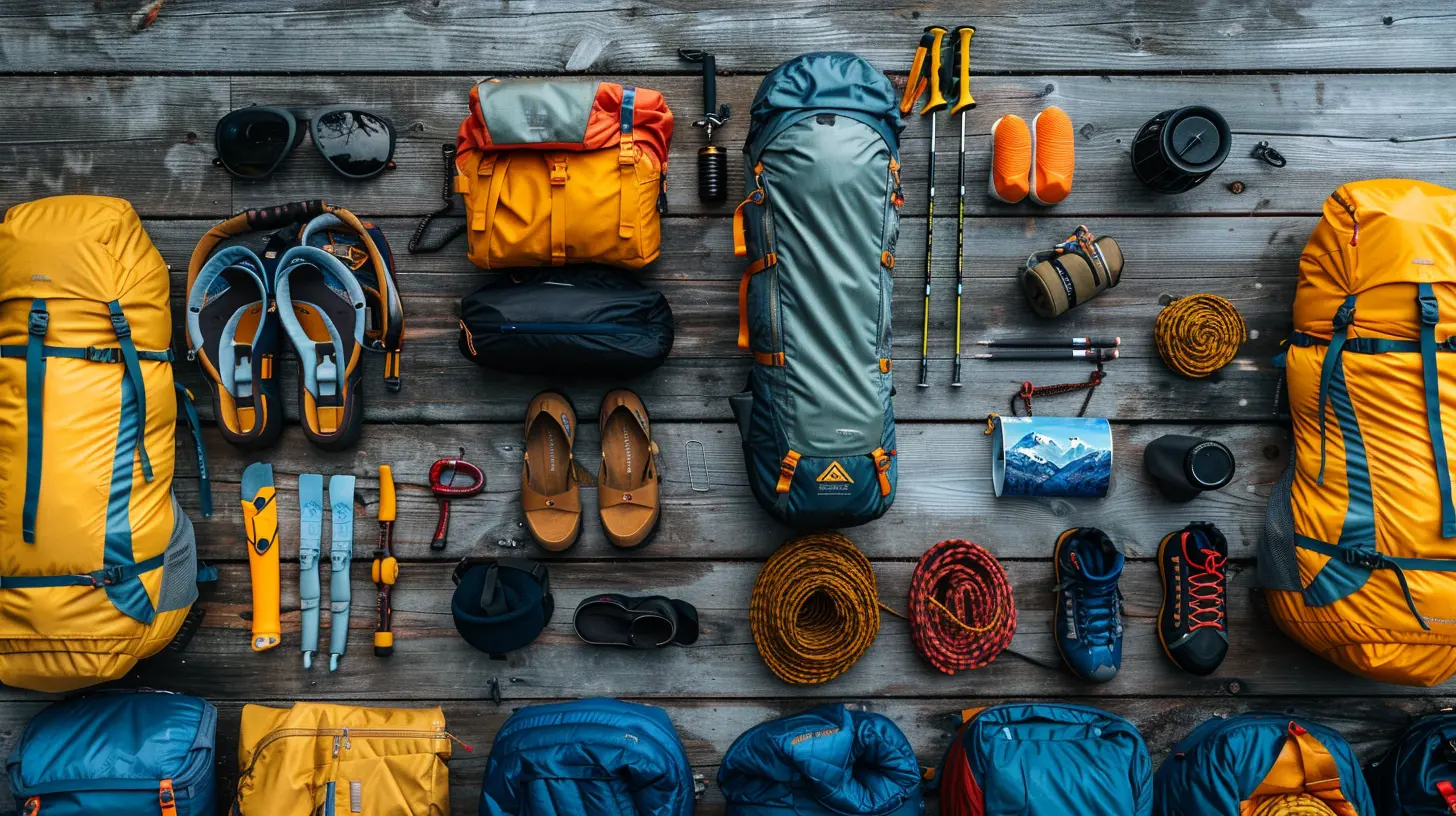
1. Know Your Limits (And Respect Them)
We all love a good challenge. But pushing past your mental or physical limit in the mountains? Huge mistake.Be Honest with Yourself
It’s tempting to keep up with fitter friends or go for that extra mile, but hiking and climbing aren’t competitive sports. They’re personal journeys. If your gut says “this feels off,” it probably is.Acclimatize to Elevation
Headaches, nausea, dizziness—altitude sickness is real, and it doesn’t care how fit you are. Spend time acclimating if you're heading over 8,000 feet. Go slow, hydrate more than you think you need to, and listen to your body.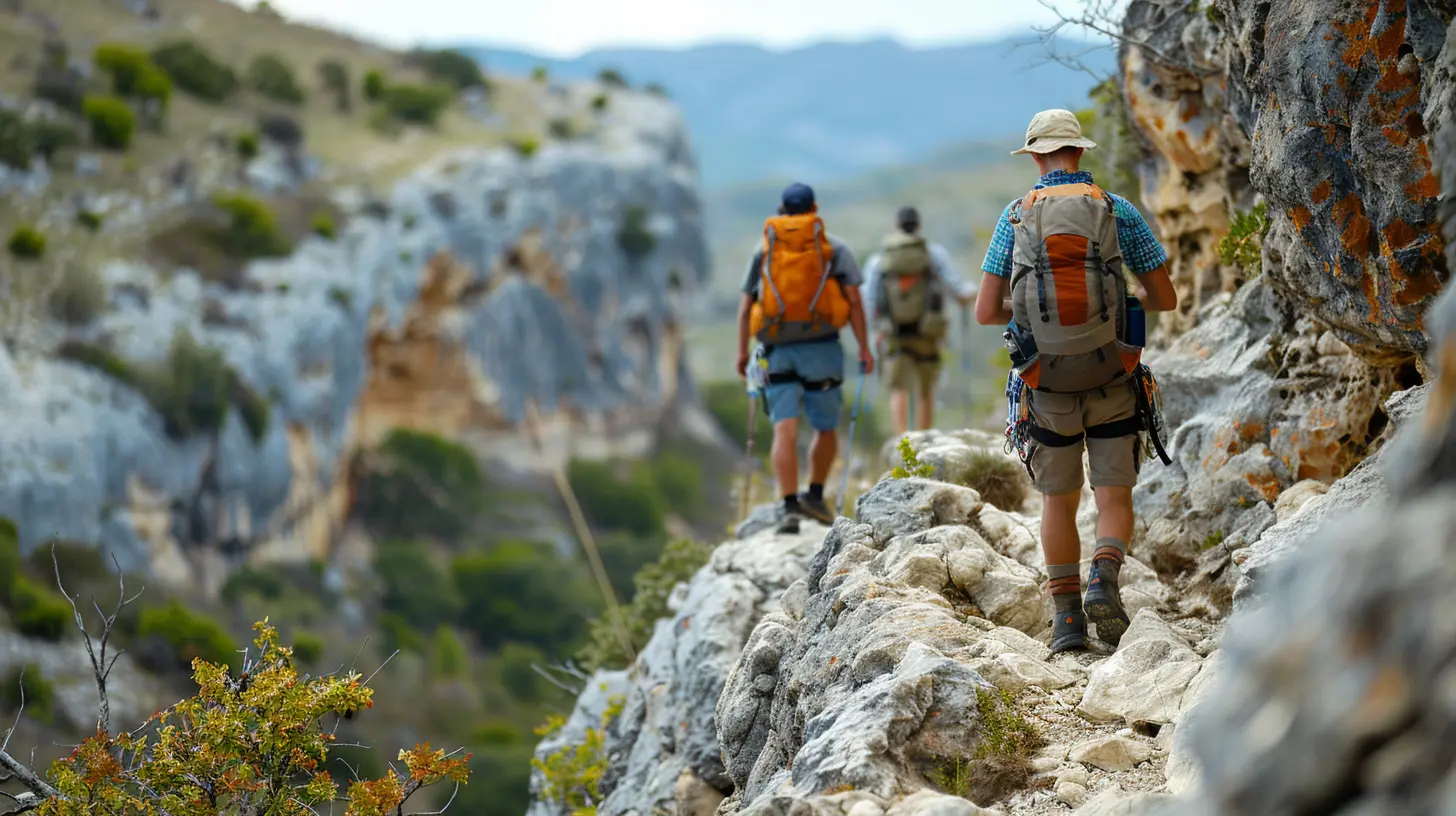
2. Weather Is Boss (Check It and Respect It)
The mountain doesn’t care about your Instagram story. If the clouds start rolling in, your sunny summit dreams can turn into a nightmare in minutes.Always Check the Forecast
Apps like Mountain-Forecast, Windy, or even local ranger stations offer detailed, location-specific weather updates. Look ahead for storms, extreme temps, or wind warnings.Have a Plan B (And C)
Sometimes, the smartest thing you can do is turn back. And hey, that doesn’t make you a quitter—it makes you wise. The mountain will still be there tomorrow.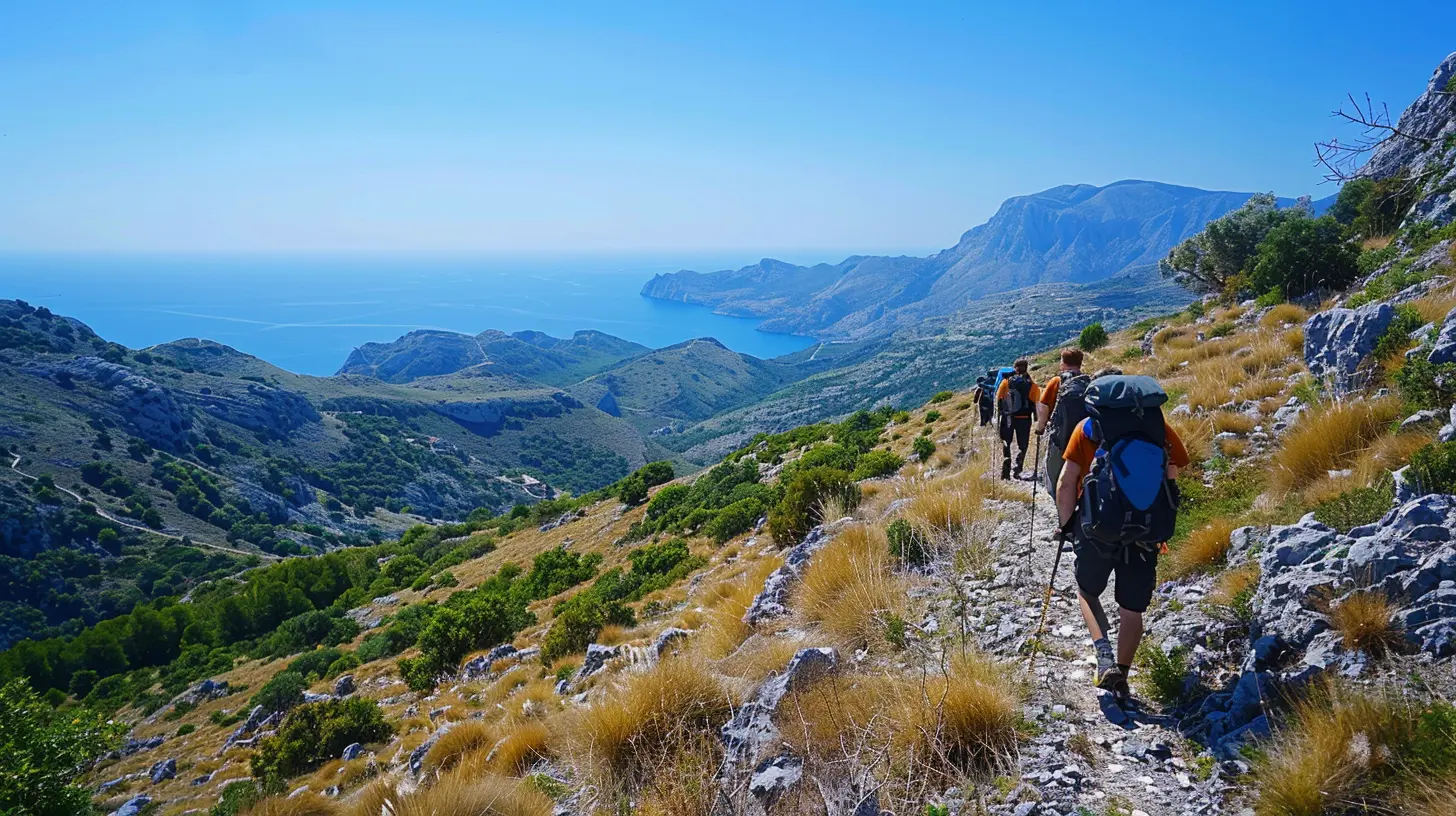
3. Dress Smart: Layer Like a Pro
There’s a saying in the outdoor world: “There’s no such thing as bad weather, only bad clothing.” And it couldn’t be more accurate.Layer Up
- Base Layer: This wicks sweat away. Think moisture-wicking synthetic or merino wool.- Mid Layer: Traps heat. Fleece or lightweight down jackets do wonders here.
- Outer Layer: This is your armor against wind and water. Waterproof and breathable is the name of the game.
Don’t Forget Accessories
Gloves, hats, and sunglasses aren’t just “nice to have”—they’re survival essentials. Cold hands can’t tie knots or grip rocks, and snow blindness is no joke.4. Navigation: Don’t Rely on Just Your Phone
Smartphones are great—until they die on you in the middle of nowhere. GPS watches and apps are helpful, but nothing replaces good ol' map and compass skills.Learn the Basics
You don’t have to be Bear Grylls, but knowing how to read a topographic map or use a compass can literally save your life.Download Offline Maps
Apps like Gaia GPS or AllTrails let you download routes ahead of time. Always back up your digital tools with analog options.5. Food and Water: Fuel the Machine
Your body is your engine. Without fuel or hydration, it stalls—fast.Pack High-Energy Snacks
Trail mix, energy bars, jerky—bring snacks that pack calories and don’t spoil. Hiking burns way more energy than you’d think.Hydrate like It's Your Job
Dehydration can sneak up on you, especially at higher altitudes. Carry more water than you think you’ll need. A hydration bladder is super handy, and always, always carry a water purification method—tablets, filters, UV pens—pick your weapon.6. First Aid: Your Trailside Lifesaver
It’s not just about carrying a first aid kit—it’s about knowing how to use it.Know the Basics
Take a wilderness first aid course. It’s a few hours of your time that could mean the difference between helping someone walk out or calling for a helicopter evac.Customize Your Kit
Make sure your kit fits your trip. Multi-day? Add blister care, extra meds, and a SAM splint. Traveling with a group? Bring enough for everyone.7. Tell Someone. Always.
Here’s a grim but true fact: plenty of lost hiker stories could’ve ended differently if someone simply knew their plans.Leave a Trip Plan
Tell a friend or family member:- Where you’re going
- When you plan to return
- Who’s with you
- What gear you’re taking
It’s like sending up a flare—just in case.
8. Learn to Read Terrain
The mountain talks. You just need to know what it's saying.Watch for Danger Zones
- Loose rocks? Rockfall zone.- Steep snowfields? Avalanche territory.
- River crossings? Use caution—fast water is deceptively strong.
Study maps for terrain features, but also learn to interpret what’s under your feet.
9. Bring the Right Gear (And Know How to Use It)
Having a fancy backpack doesn’t mean much if you don’t know what’s in it—or worse, how to use it.The Essentials Checklist
- Map & compass- Headlamp with extra batteries
- First aid kit
- Firestarter (matches, lighter, firestick)
- Knife or multi-tool
- Extra clothes
- Emergency shelter (bivvy, tarp)
- Food & water
- Sun protection
- Communication device (satellite messenger, whistle)
Practice Makes Perfect
Play with your gear at home. Set up your emergency bivy. Find true north with your compass. Make fire. Because when you need them for real, you don’t want to fumble.10. Make Smart Calls in Real-Time
Plans are great, but flexibility saves lives.Trust Your Instincts
Something doesn’t feel right? Don’t go. Weather looks sketchy? Turn around. Paths blocked? Reroute. Pride has no place in the mountains. Decision-making is the ultimate survival tool.11. Go With a Group—But Stay Self-Reliant
There's safety in numbers, for sure. But relying entirely on someone else? Not smart.Know Your Stuff
Even if you’re with experienced hikers, make it a point to learn the route, understand the risks, and carry your own gear. You’re your own backup plan.12. Prepare for the Unexpected
Expect sunny skies. Prepare for blizzards.Bring an Emergency Plan
What will you do if someone breaks their leg? What if you can’t finish the trail before dark? Having a “what if” plan doesn’t make you paranoid—it makes you prepared.13. Respect Wildlife and Nature
The mountains are wild for a reason. Don’t mess with that balance.Leave No Trace
Pack it in, pack it out. Stay on trails. Avoid feeding animals. You’re a guest in their home—act like it.Final Thoughts: The Mountains Are Calling—Be Ready
Look, adventure is meant to get your heart racing. But it doesn’t have to flirt with disaster. Being prepared doesn’t make you less of a badass—it makes you a smart one.So lace up those boots. Strap on that pack. But before you hit the trail, run through this checklist and ask yourself, “Would future me thank me for being THIS ready?”
Because let's be honest—mountains are majestic, but they don’t forgive carelessness.
Stay safe, stay smart, and keep climbing.
all images in this post were generated using AI tools
Category:
Mountain AdventuresAuthor:

Winona Newman
Discussion
rate this article
2 comments
Archer McConkey
Thank you for sharing these valuable safety tips for mountain climbers and hikers. It's crucial to prioritize safety while exploring nature, and your insights will undoubtedly help many outdoor enthusiasts.
March 10, 2026 at 3:48 PM
Winona Newman
Thank you for your kind words! I'm glad you found the tips helpful. Safety is indeed paramount in the great outdoors!
Mercy Kelly
Great tips for ensuring a safe adventure!
March 8, 2026 at 5:01 PM
Winona Newman
Thank you! I'm glad you found the tips helpful for your adventures!