DIY Market Tour: Crafting Your Own Local Shopping Route
26 June 2026
There’s something magical about wandering through local markets — the colors, the smells, the sounds, and the people. Whether it’s a bustling souk in Marrakech or a sleepy farmer’s market in rural France, every market tells a story. And here's the best part—you don’t have to rely on a guide to show you around. With a little planning and curiosity, you can craft your own DIY market tour that not only suits your tastes, but also deepens your connection to the place you're visiting.
In this guide, I’ll walk you through how to create your own local shopping route — a self-curated adventure through the pulse of a city. Ready to dive in?
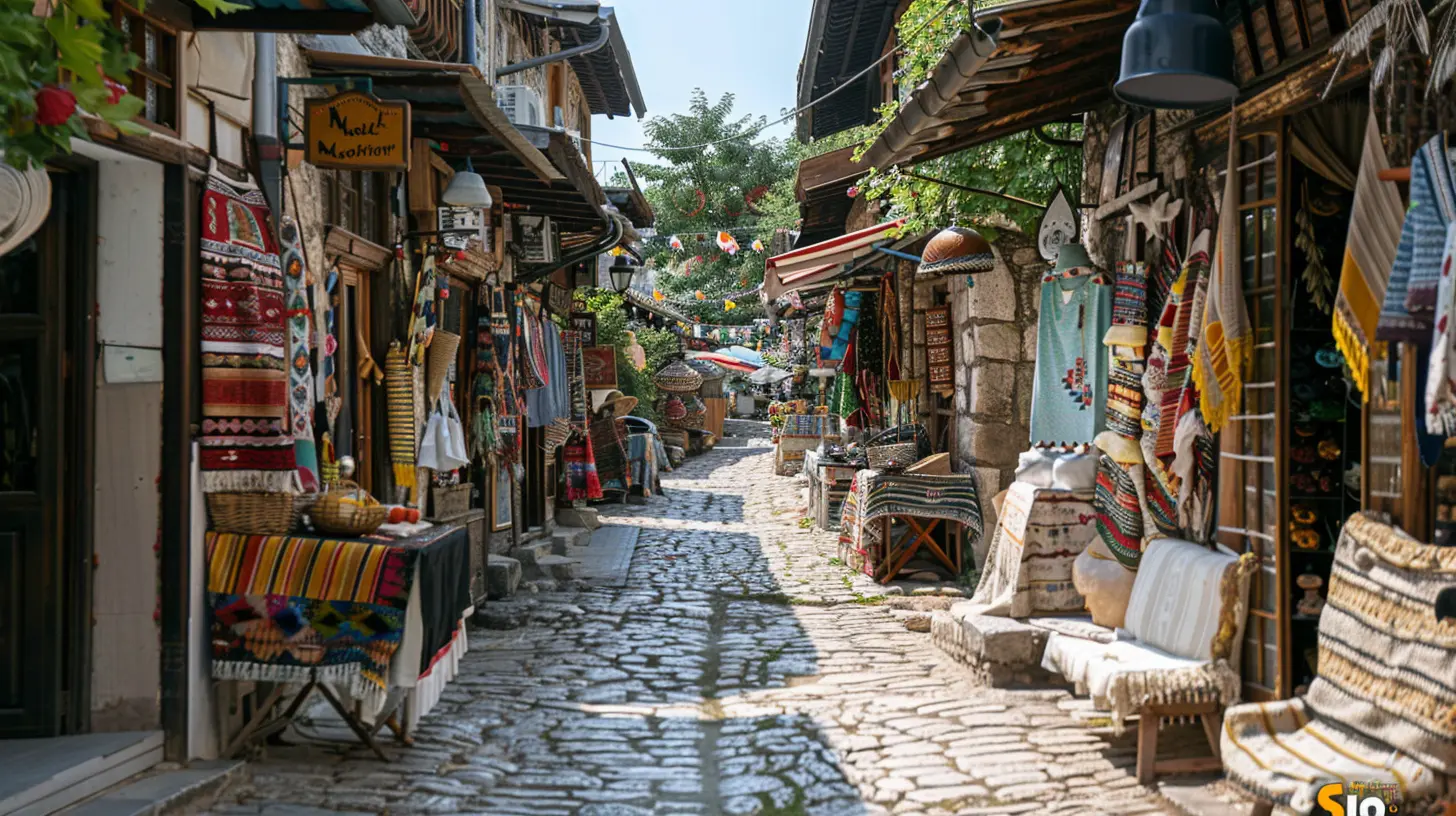
Why Markets Are a Must-Do in Any Destination
Markets are more than just shopping spots. They’re mini time capsules, cultural hubs, and food lover paradises all rolled into one. They give you insight into what locals eat, wear, and cherish. You’ll find everything from handmade crafts to street food that’ll blow your mind.And unlike typical tourist attractions, markets constantly change. Different vendors, seasonal goods, new flavors — it’s like opening a fresh chapter of a book each time you visit.
So instead of joining a pre-packaged tour or following the crowd, why not chart your own course?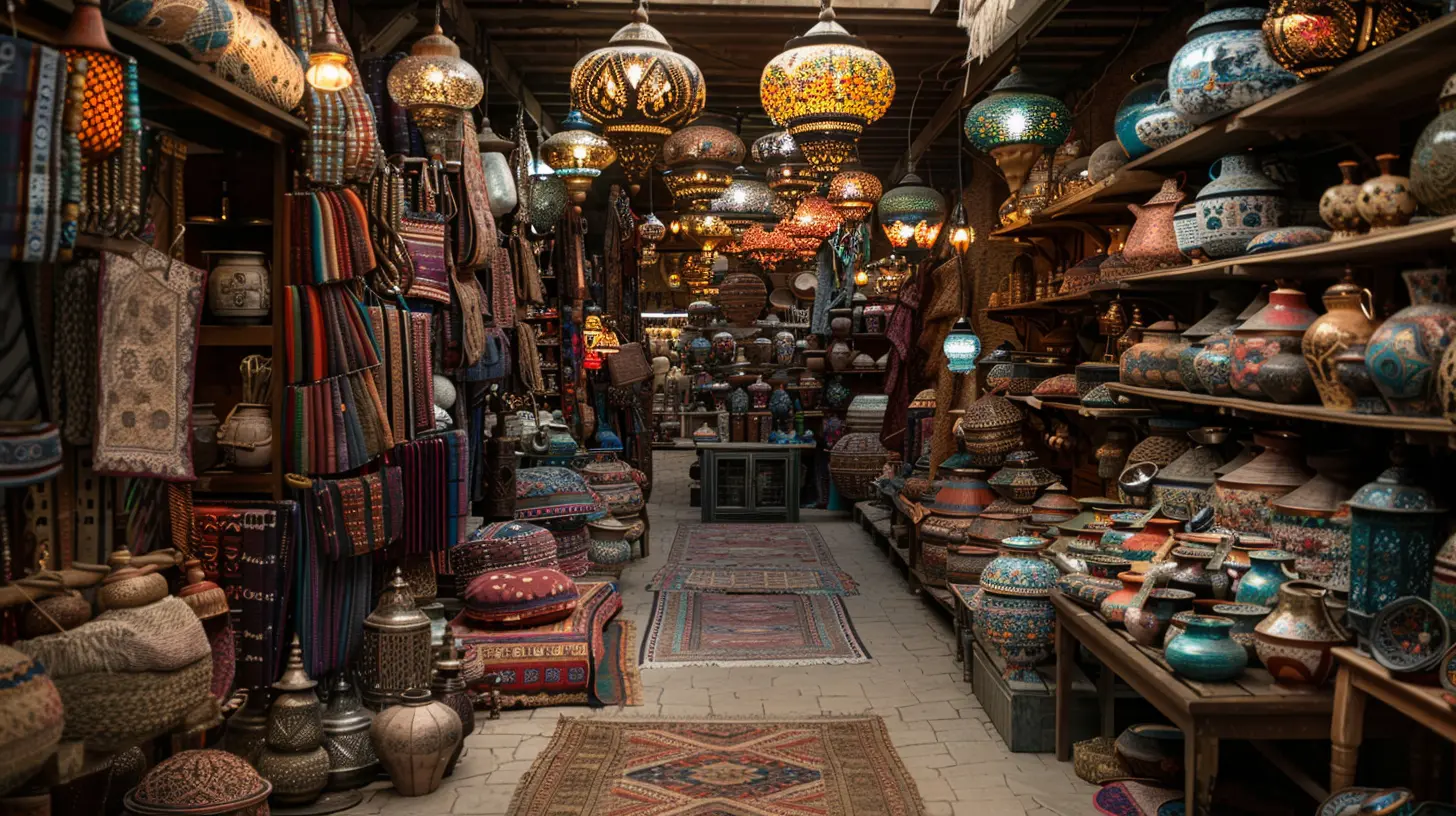
Step 1: Choose Your Market Theme
Before you start mapping out your route, decide what kind of market experience you’re after. Ask yourself — what’s the goal here?- ? Are you a foodie chasing the best local snacks?
- ? A vintage lover hunting for antique treasures?
- ? A craft collector looking for handmade souvenirs?
- ? Or maybe you just want to soak in the vibe and people-watch?
By narrowing down your focus, you’ll avoid wasting time and make better decisions on where to go.
Popular Types of Markets
- Farmer’s Markets – Think fresh produce, homemade jams, seasonal flowers.- Flea Markets – Vintage goods, furniture, quirky oddities.
- Street Food Markets – Heaven for anyone who travels with their taste buds.
- Craft and Artisan Markets – Local handmade products you won’t find in malls.
- Night Markets – A combo of food, fashion, and fun under the stars.
Step 2: Do a Bit of Research (But Not Too Much)
Alright, now that you know what you’re looking for, it’s time to dig in. But don’t get bogged down by endless TripAdvisor reviews or Google rabbit holes. The goal here is to sketch out a rough plan, not write a dissertation.Here’s what to look for:
- Market Names and Locations – Some cities have dozens. Not all are worth your time.
- Opening Days & Hours – Trust me, there’s nothing worse than showing up to an empty square.
- Specialties – Some markets are known for textiles, others for cheeses, or street food stalls.
- Local Recommendations – Look at community blogs, Reddit travel threads, or Instagram tags.
Use Google Maps, save the spots, and plot them out. You’ll start to see a route taking shape — almost like connecting the dots.
Step 3: Map It Like a Pro (And Make Room for Surprises)
Once you’ve got your target markets picked out, it’s time to build a navigable route. Start with the one that opens the earliest and end with a late-night market or food haven.Here’s the trick: don’t over-schedule. A good market tour breathes. You want time to stop and chat with a vendor, sample an unplanned snack, or follow your nose when something smells irresistible.
Use apps like Google Maps or Maps.me to build a walking route. Better yet, print one if you're old-school like me. Add notes like “Great coffee nearby” or “Look for vintage postcards at Stall 12.”
Pro tip: Always include a backup market just in case one is closed or disappointing. Flexibility is your secret weapon here.
Step 4: Prepare Like a Market-Savvy Traveler
Now let’s talk logistics. The difference between a stressful shopping day and a magical one often comes down to what you bring and how you prep.Here’s a basic checklist:
- ? Bring a reusable tote or backpack – Trust me, you’ll accumulate stuff fast.
- ? Carry small bills or coins – Especially in markets where cash is king.
- ? Download offline maps – You don’t want to rely on unstable Wi-Fi.
- ? Dress comfortably and wear walking shoes – Markets can sprawl and get crowded.
- ?️ Bring sun protection or an umbrella – Weather can shift quickly.
- ? Stay hydrated – Especially if you’re taste-testing your way through food stalls.
And most importantly — keep an open mind. Markets are lively, chaotic, and wildly unpredictable. That’s the beauty of them.
Step 5: Talk to the Vendors
One of the biggest mistakes travelers make? They browse, buy, and bolt. But chatting with vendors can unlock the real treasures of a market.Ask questions like:
- “How do you make this?”
- “Is this a local specialty?”
- “What’s your most popular item?”
Not only does it make interaction more meaningful, but you’ll often get insider knowledge or even a discount just for being friendly.
Don’t worry if you don’t speak the language. A smile, a few basic phrases, and hand gestures go a long way. Think of it as a universal language of curiosity.
Step 6: Document the Experience
Sure, you’ll be tempted to Instagram everything — and that’s fine. But consider documenting your DIY tour in a way that’s more personal.- ? Take photos of your favorite stalls and note what you bought.
- ?️ Keep a mini travel journal or notes app entry with thoughts and highlights.
- ?️ Save your market route and share it with fellow travelers.
You’ll thank yourself later when you’re trying to remember the name of that food stall with the best dumplings you’ve ever had.
Step 7: Sample, Savor, and Support
Markets offer a smorgasbord of regional flavors and crafts. So go ahead — treat yourself. Buy that handmade scarf, try the weird-looking fruit, sample those sizzling skewers.Every purchase supports local artisans and keeps market culture alive.
When you make thoughtful purchases, it’s more than just a souvenir. It’s a memory, a connection, a little piece of the place you’re bringing home.
Bonus Tips: Making It a Solo, Couple, or Family Adventure
Going Solo? Markets are perfect for solo travelers. You can move at your own pace, indulge your interests, and even make new friends.Traveling as a Couple? Turn it into a friendly scavenger hunt — split up and meet back in 30 minutes with the most unique item you can find.
With Kids? Make it interactive. Give them their own list of things to look for — like funny signs or unusual fruits. Keeps them engaged and learning.
Sample DIY Market Route in Bangkok (Just for Fun)
Let me give you a quick example to inspire your own market route.? Start at Damnoen Saduak Floating Market – Go early for fewer crowds and fresh mango sticky rice.
? Head to Chatuchak Weekend Market – One of the biggest in the world. Perfect for vintage clothes, handmade crafts, and street art.
? Take the Skytrain to Pratunam Market – Textile heaven. Great deals on souvenirs.
? End at Talad Rot Fai Srinakarin Night Market – A retro-themed night market filled with food, antiques, and live music.
You’ve now eaten, shopped, walked, and connected — all from a self-made itinerary. That’s DIY market touring at its finest!
Final Thoughts: Making Markets Your Travel Superpower
Crafting your own local shopping route isn’t just about avoiding tourist traps — it’s about diving deeper. You’re not just a passerby; you’re a part of the local scene, if only for a day.Markets have a pulse. They reflect the soul of a place. And when you take the time to create your own tour through them, you give yourself the chance to see a city through the eyes of its people — one stall, one street, one story at a time.
So next time you plan a trip, skip the rigid itineraries. Grab a tote, follow your senses, and let the market lead the way. Who knows what you’ll find?
all images in this post were generated using AI tools
Category:
Local MarketsAuthor:

Winona Newman