Diving Deep: The Best Scuba Destinations Across Oceania
24 June 2026
Have you ever dreamed of dipping beneath the surface and being transported to an underwater world so stunning it feels like another planet? Oceania, with its endless turquoise waters and sprawling coral reefs, is basically scuba diving’s version of Disneyland—only better. Whether you're a first-time diver or a salty sea veteran with hundreds of dives under your belt, this part of the world has it all. From volcanic seascapes to colorful coral gardens, you’re in for a treat. So grab your fins, and let’s take a plunge into the best scuba diving destinations across Oceania.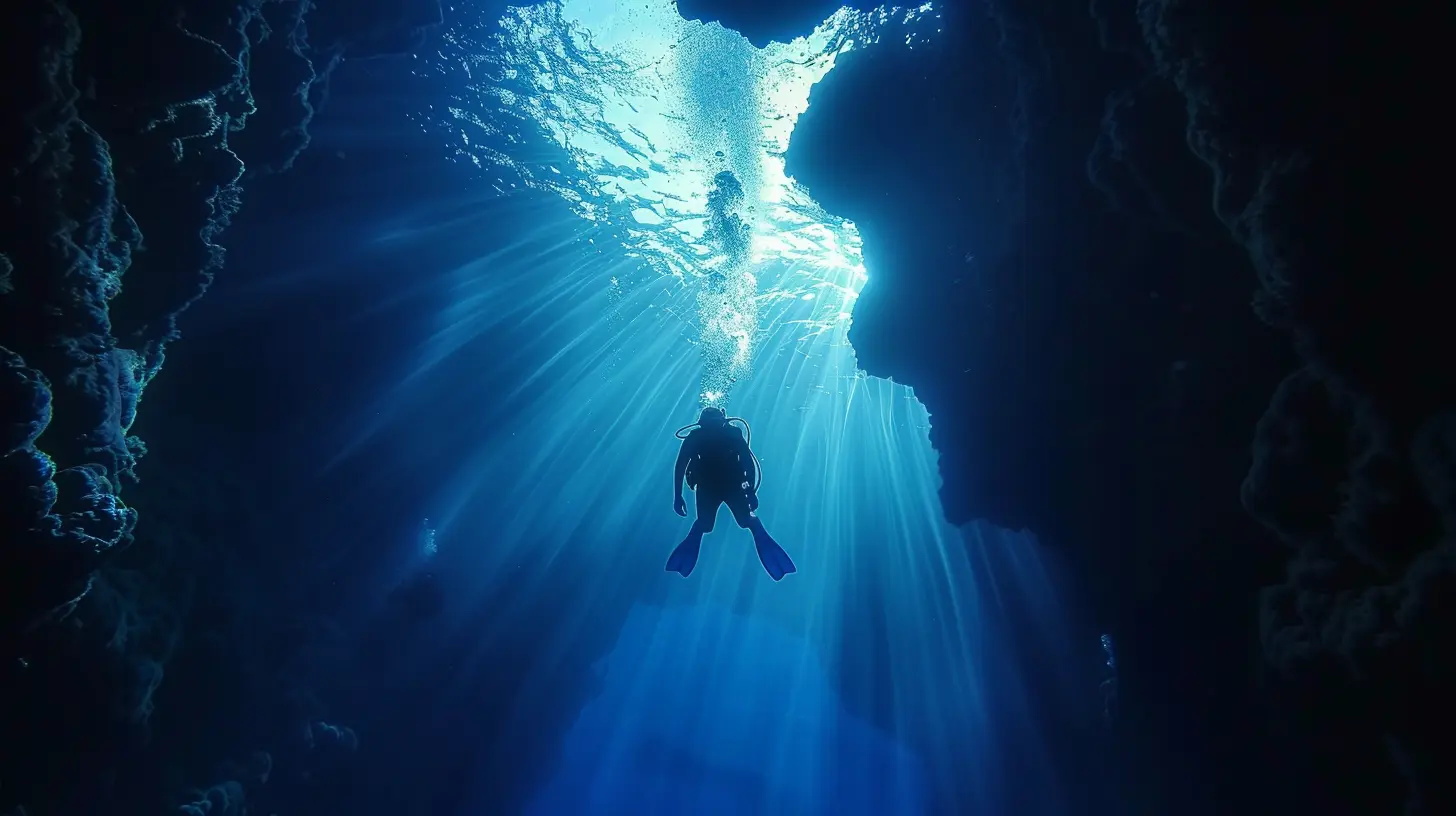
Why Oceania Is a Diver’s Paradise
Let’s get one thing straight—Oceania isn’t just one country or one type of diving. This region covers thousands of islands scattered across the Pacific Ocean, each offering its own unique underwater vibe. Think of Oceania like a massive buffet of diving experiences: wreck dives, drift dives, wall dives, and coral gardens.You’ve got the world-renowned Great Barrier Reef, the mysterious blue holes of Vanuatu, and the shark-filled channels of Fiji. And the best part? The waters are warm year-round and visibility is often exceptional (like, ‘you-can-see-for-days’ kind of clear).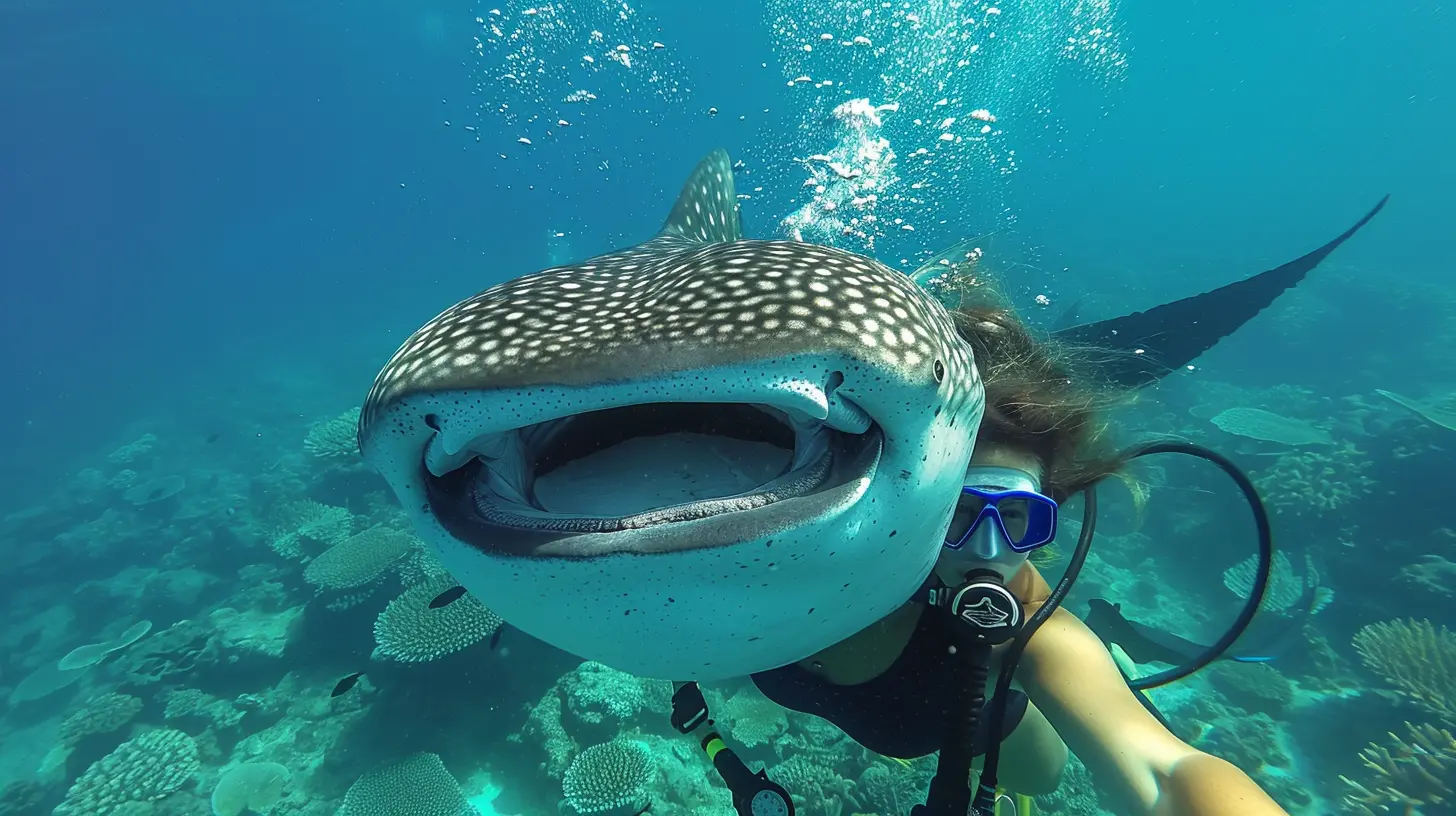
1. The Great Barrier Reef, Australia
The Holy Grail of Diving
Alright, let’s start where everyone expects us to—the Great Barrier Reef. And honestly, it deserves the hype. Spanning over 2,300 kilometers, it’s the largest coral reef system on the planet. You could dive here every day for a year and still not see half of it.What Makes It Special?
- Mind-blowing biodiversity (we’re talking 1,500+ species of fish)- Iconic dive sites like the SS Yongala Wreck and Osprey Reef
- Coral formations that look like Mother Nature showing off
Whether you’re doing a liveaboard or hopping in for a day trip from Cairns, the variety here is unreal. From novice-friendly coral gardens to deep, technical dives—there’s something for everyone.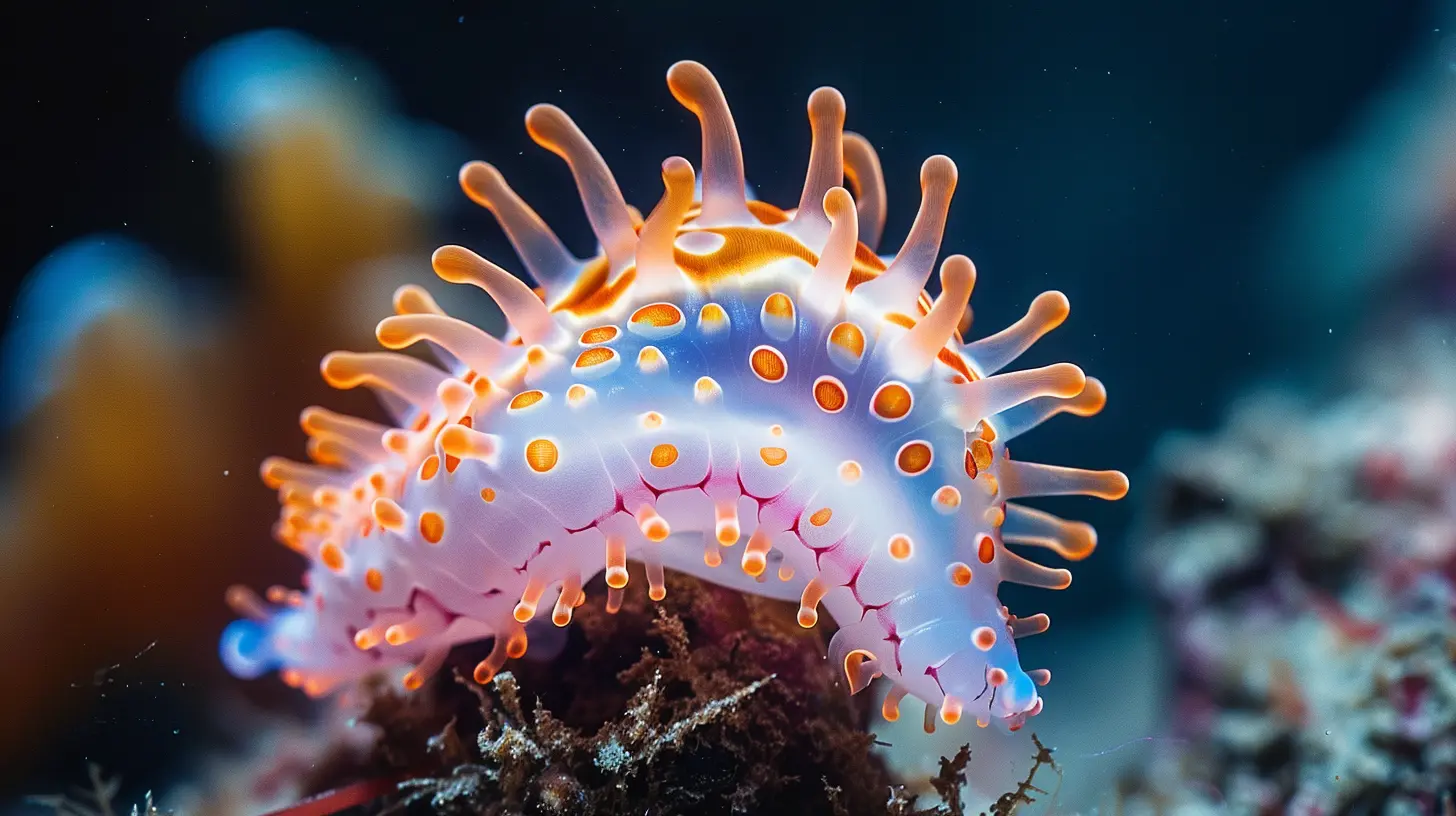
2. Fiji – The Soft Coral Capital of the World
Colors That Will Melt Your Mask Off
If the Great Barrier Reef is the king, Fiji is the queen of the Pacific. Known for its soft coral displays that look like an underwater fireworks show, Fiji offers a sensory overload in the best way possible.Must-See Dive Spots
- Rainbow Reef – Named for a reason, folks. It's like diving into a Skittles pack.- The Great White Wall – A vertical wall covered in white soft corals that seem to glow in the deep blue.
- Beqa Lagoon – Shark dive capital. Think bull sharks, tiger sharks, and even the rare hammerhead.
Plus, the Fijian people are some of the friendliest around. You'll feel like you're part of the village the moment you arrive.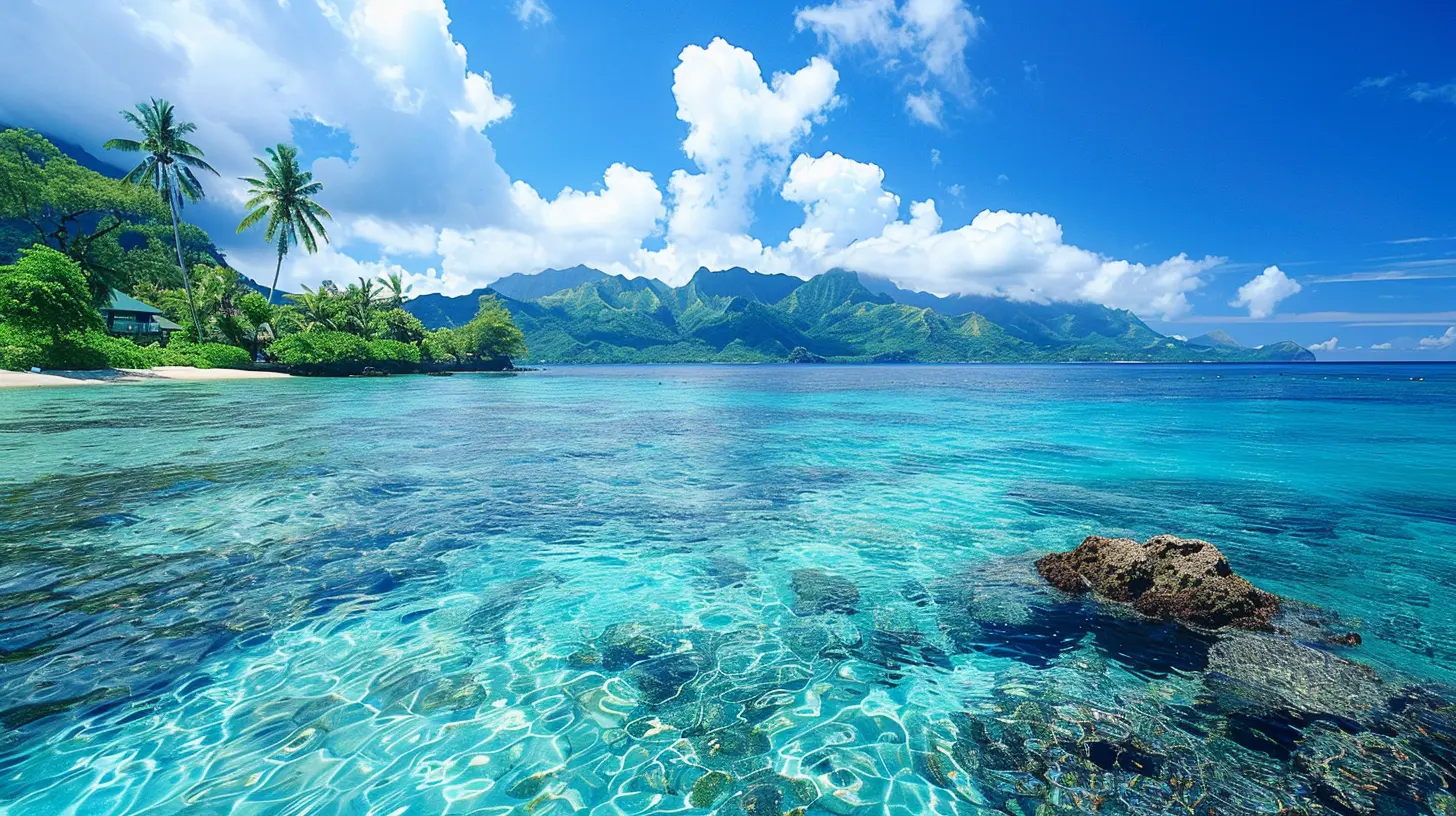
3. Papua New Guinea – Remote, Raw, and Ridiculously Good
Off-the-Beaten-Path Diving
Want to feel like a true explorer? Papua New Guinea (PNG) is where you go when you're tired of crowds and crave some serious underwater discovery. It's wild, untouched, and bursting with marine life.Highlights Underwater
- Milne Bay – Macro lovers, this is your playground. Think nudibranchs, pygmy seahorses, and all the little critters.- Kavieng – Wreck dives for days and some of the best drift dives in Oceania.
- Walindi Plantation Resort in Kimbe Bay – Over 900 species of fish. Let that sink in.
PNG isn’t the easiest place to get to, but that’s what makes it so rewarding. You're diving where few have gone before. Cue the Indiana Jones theme song.
4. Palau – The Ultimate Bucket List Spot
World-Class Meets Wonderland
Palau is often called the Mecca for divers—and for good reason. Everywhere you look, there’s something magical happening. Strong currents bring big pelagics, while protected lagoons showcase delicate coral structures.Dive Site Royalty
- Blue Corner – Known as one of the best dives in the world. Drop in, clip on, and watch the show—sharks, barracudas, tuna, and more.- Jellyfish Lake – A totally surreal snorkel experience with millions of harmless jellyfish pulsating around you.
- German Channel – Manta ray central. 'Nuff said.
Bring your reef hook and GoPro—you'll need both.
5. Vanuatu – Wreck Diver Heaven
Where History Meets Marine Life
Vanuatu might not be the first name on every diver’s list, but it should be. Especially if you dream of swimming through ghostly ship corridors and exploring hidden WWII history.Signature Dive
- SS President Coolidge – A massive, intact wreck you can penetrate with minimal experience. You’ll swim past chandeliers, military cargo, and even a porcelain statue known as "The Lady."Throw in some caverns, caves, and vibrant marine life, and you've got yourself a seriously underrated dive destination.
6. French Polynesia – Sharks, Reefs, and Romance
Honeymoon and Hammerheads
You’ve probably seen the overwater bungalows of Bora Bora all over Instagram. But did you know these same turquoise waters are full of life below the surface too?Dive Highlights
- Fakarava Atoll – A UNESCO Biosphere Reserve and one of the best sites to see grey reef sharks en masse.- Tiputa Pass in Rangiroa – Powerful currents bring in sharks, dolphins, and big schools of fish.
- Moorea – Easy, beautiful dives with a decent chance of seeing lemon sharks and eagle rays.
It’s like diving inside a luxury screensaver.
7. Tonga – Swim with Humpbacks
Not Your Average Dive Trip
Okay, so this one's a bit of a curveball, because technically, it’s more about snorkeling than scuba. But if you’ve ever wanted to be eye-to-eye with a 40-ton whale, Tonga is the place to do it.Why It’s Epic
From July to October, humpback whales come to Tonga’s warm waters to breed and give birth. Guided excursions let you slip into the water and swim alongside these giants. It’s one of the most humbling (and exhilarating) wildlife encounters you can have.There are also some solid scuba dives around reefs and wrecks, but let’s be honest—you’re here for the whales.
8. New Zealand – Cold Water, Hot Experiences
Adventure Above and Below
New Zealand might not be the first place you think of for diving—especially with all those cooler temperatures. But peel back the layers (and maybe put on a drysuit), and you’ll discover top-notch dives.Unmissable Dive Spots
- Poor Knights Islands – Protected marine reserve with caves, tunnels, and a kaleidoscope of marine life.- Fiordland – Dark, deep, and mysterious. Dive among black coral trees in chilly waters.
- Goat Island Marine Reserve – Easy shore dives with plenty of fish and kelp forests.
Sure, it’s a little colder than the tropics, but it’s also richer in wildlife and adventure. It's kind of like the underdog of Oceania diving—and who doesn’t love a good underdog?
Best Time to Dive Across Oceania
Timing your trip right can make all the difference. Here’s a general breakdown:- Australia & Great Barrier Reef – June to November (clearer skies, better visibility)
- Fiji – May to October (dry season, best coral conditions)
- Papua New Guinea – April to November (less rain, great visibility)
- Palau – November to May (less wind, calmer seas)
- French Polynesia – April to October (dry season, shark action)
- Tonga – July to October (whale season!)
- New Zealand – December to April (warmer water)
Keep in mind, “best time” can be subjective. Some divers prefer off-seasons to avoid crowds and save money.
Tips for Diving in Oceania
- Go Local: Chat with dive guides—they know the secret spots and seasonal changes.- Pack Smart: Reef-safe sunscreen, your logbook, and a mesh bag for wet gear go a long way.
- Respect the Reef: Don’t touch anything! You’re a guest in someone else’s home down there.
- Travel Insurance: Better safe than sorry—especially when diving remote areas.
- Liveaboard or Base Dive?: For expansive areas like the Great Barrier Reef or PNG, a liveaboard gives you more bang for your buck.
Final Thoughts
There’s no place on Earth quite like Oceania for scuba diving. Whether you crave thrilling drift dives, breathtaking coral walls, eerie wrecks, or up-close encounters with sharks and whales, this corner of the world has you covered.So if you're itching for your next underwater adventure, why not go where the ocean shows off its full glory? Pack your gear, book that flight, and start crossing off dives from your bucket list. The sea is calling—and trust me, you’ll want to answer.
all images in this post were generated using AI tools
Category:
Oceania TravelAuthor:

Winona Newman
Discussion
rate this article
1 comments
Eliana Brooks
Great article! Oceania's underwater beauty is truly unmatched. Can't wait to explore these spots.
August 4, 2026 at 4:11 AM