Discovering Polynesian History and Heritage in Oceania’s Islands
12 June 2026
Ever wondered what it feels like to walk in the footsteps of ancient voyagers? To be surrounded by tales of gods, chiefs, navigators, and storytellers, all set against a backdrop of turquoise waters and emerald isles? Well, buckle up—because we're diving deep into the heart of the Pacific to uncover the vibrant history and cultural riches of Polynesia.
Whether you’re a curious traveler, a culture buff, or someone who loves unraveling the mysteries of the past, the islands of Oceania offer an unforgettable lesson in heritage, resilience, and connection. From the mythical legends of Maui to the sacred marae and thriving traditions, Polynesia is a treasure trove of stories waiting to be heard.
? What is Polynesia, Anyway?
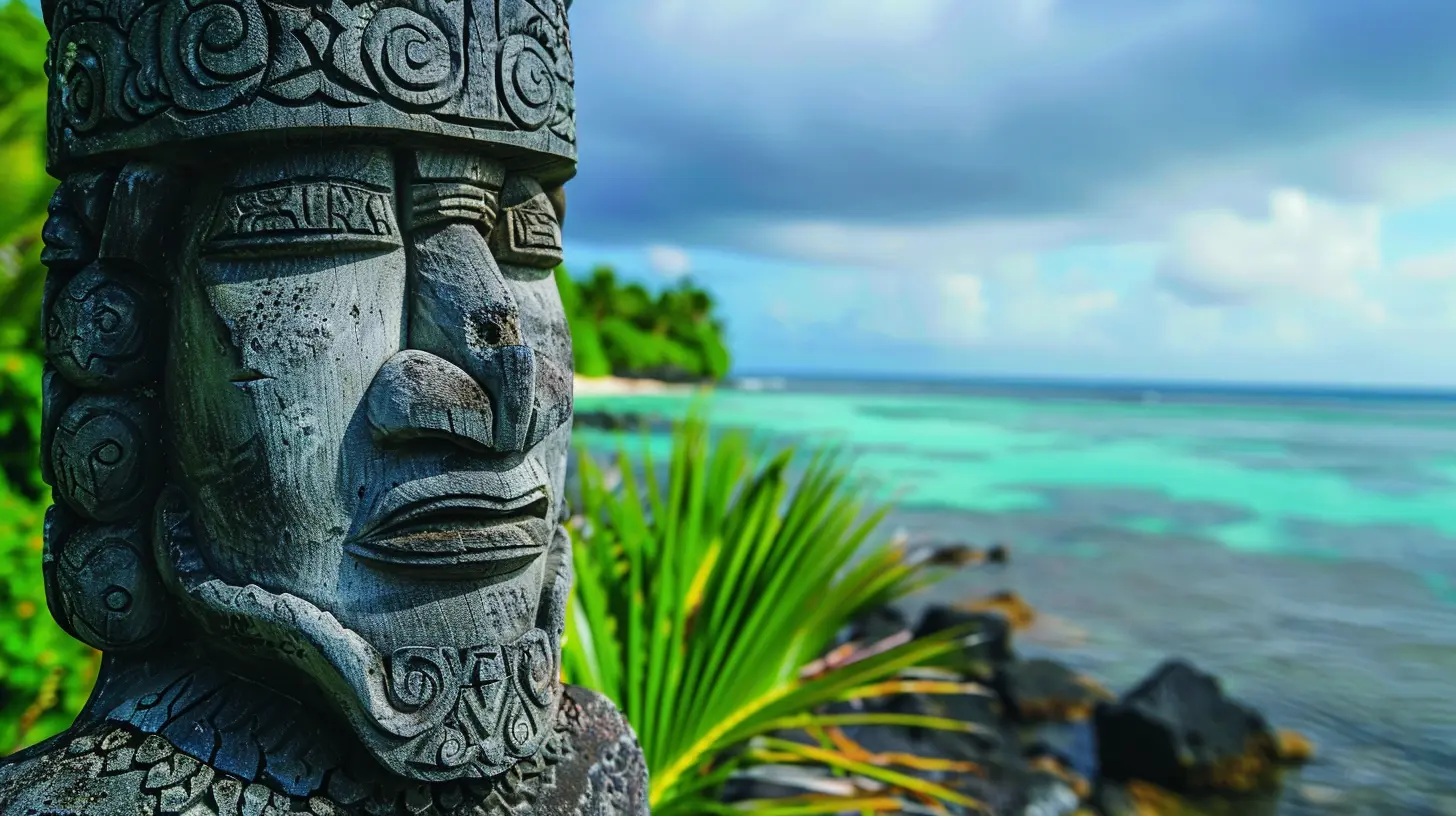
Polynesia isn't just a collection of tropical islands—it’s a massive triangle of culture, history, and shared ancestry. Stretching from Hawaii in the north, Easter Island (Rapa Nui) in the east, and New Zealand in the southwest, this region is part of a larger area known as Oceania.Inside that triangle lies a diverse network of islands like Samoa, Tonga, Tuvalu, the Cook Islands, French Polynesia (hello, Tahiti!), and more. And although these islands are separated by vast stretches of ocean, their cultures are closely linked—like cousins living in different homes but attending the same family reunion.
? The Great Polynesian Migration: A Tale of Epic Voyages
Let’s rewind a bit. Thousands of years ago, long before GPS and satellite maps, Polynesians were already master navigators. Without compasses or modern instruments, they used the stars, ocean currents, bird flight patterns, and cloud formations to guide their double-hulled canoes across the Pacific.Sounds almost mythical, right? But it’s real. This incredible migration is one of the greatest feats of exploration in human history.
Picture this: you're in a hand-carved canoe, sailing thousands of miles across open ocean with nothing but nature to guide you. Brave, bold, and totally in sync with the environment—those early Polynesians were the original adventurers.
These voyagers didn’t just settle; they brought with them deep cultural beliefs, languages, farming techniques, and social systems that continue to shape island life today.
? Oral Traditions: The Living Libraries of Polynesia
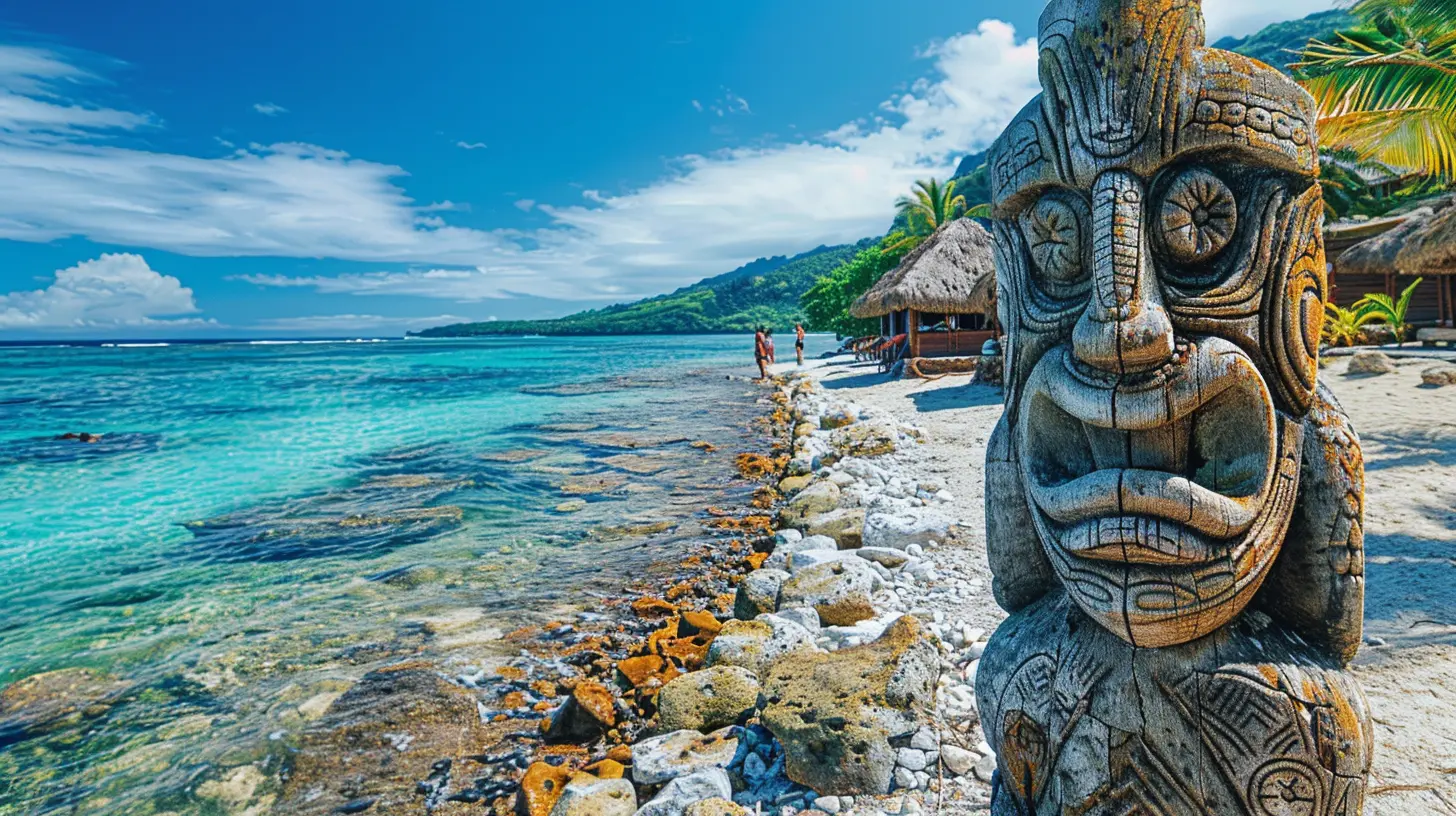
You won’t find ancient Polynesian history stored in dusty scrolls or stone libraries. Instead, history lives in the voices of the people.Storytelling is the heartbeat of Polynesia. Through chants, songs (known as "mele" in Hawaiian or "pese" in Samoan), dance, and spoken tales, elders pass down knowledge from generation to generation. These aren’t just entertaining stories—they’re sacred teachings about ancestry, values, origins, and cosmology.
Ever heard of Maui, the trickster demigod who pulled up islands from the sea with a magic hook? Or the haunting love story of the volcano goddess Pele? These myths aren’t just bedtime stories—they’re windows into how Polynesians explain the world around them.
? Cultural Hotspots You Don’t Want to Miss
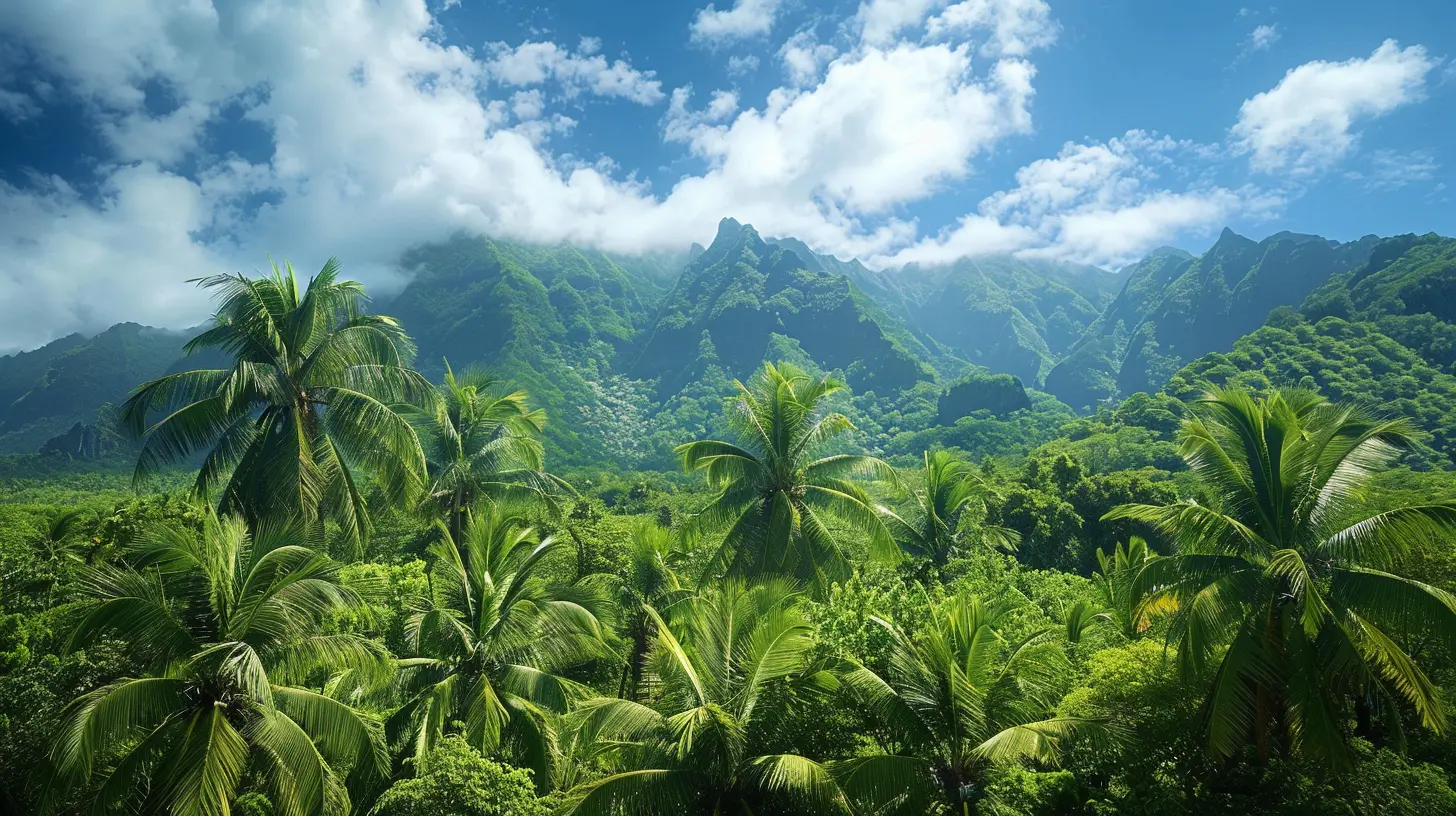
So, where should you go if you want to feel the pulse of Polynesian history?Let’s break it down by a few key islands.
1. Hawaii (USA)
More than just surf and sunsets, Hawaii is a cultural hub where ancient meets modern. Visit the Bishop Museum in Honolulu to get a deep dive into Polynesian heritage, or take a walk through the sacred Heiau (temples) scattered across the islands.Want something more immersive? Attend a traditional hula performance—not the touristy kind, but one rooted in storytelling and spiritual expression.
2. Rapa Nui (Easter Island, Chile)
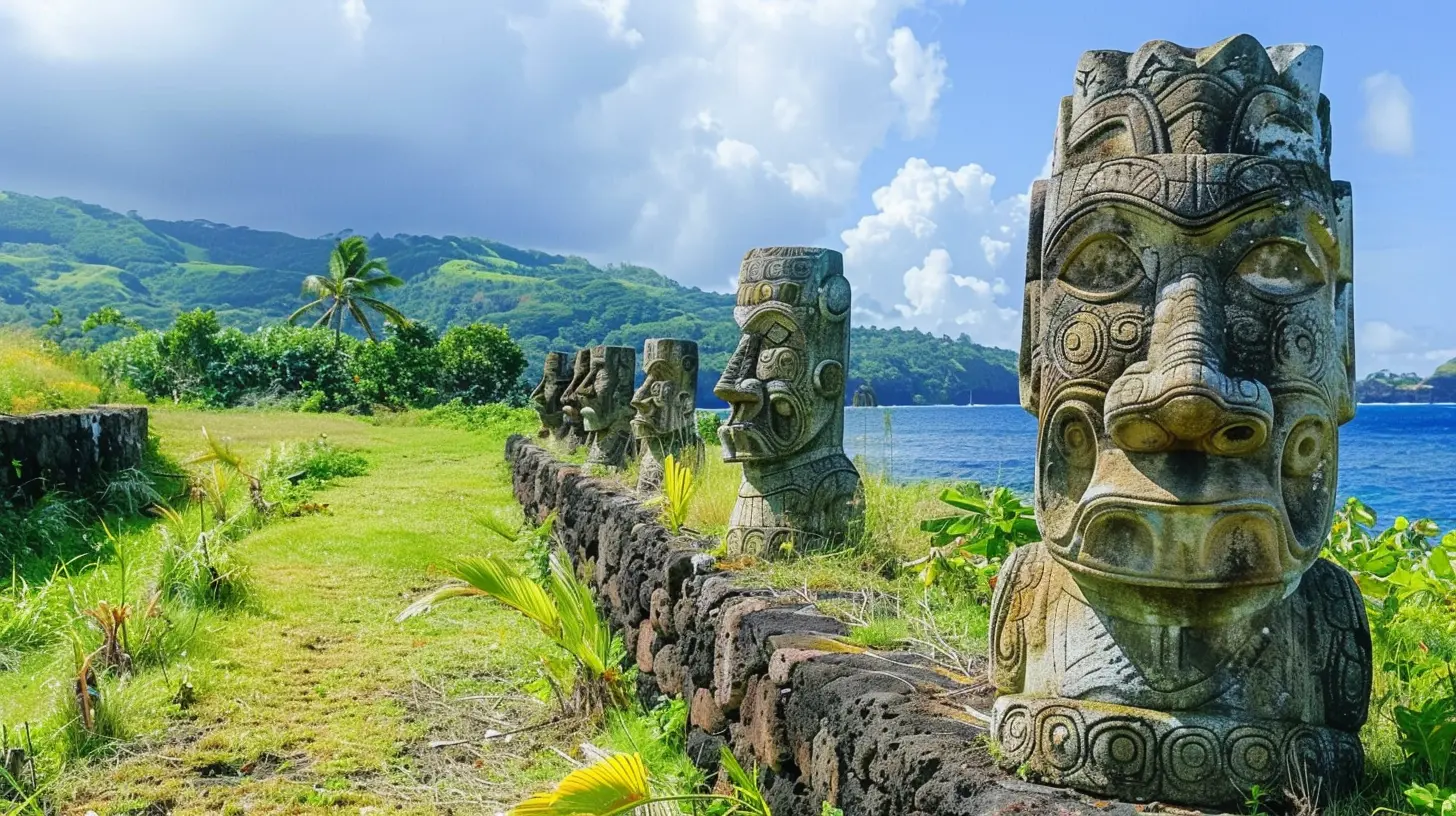
Famous for its mysterious moai statues, Rapa Nui is one of the most enigmatic spots in Polynesia. These massive stone figures, carved by hand between the 13th and 16th centuries, are believed to represent ancestral chiefs.Take a guided tour and learn how these statues were moved using ancient engineering techniques that still baffle researchers today. Bonus? The island’s isolation makes it feel like you’re stepping onto another planet.
3. New Zealand (Aotearoa)
Home to the Māori people, New Zealand offers a deeply spiritual and organized expression of Polynesian heritage. Visit the Waitangi Treaty Grounds or the Tamaki Māori Village in Rotorua to watch a traditional Haka, experience a communal feast (hāngī), and hear tales of migration from Hawaiki—the ancestral homeland.4. Tahiti and French Polynesia
Tahiti isn’t just breathtaking—it’s brimming with ancient marae (sacred temples). Don’t miss the Arahurahu marae in Paea or the Museum of Tahiti and the Islands, where you can get up close with artifacts and historical narratives.The local dances here, like the mesmerizing 'ote'a, are not just for show—they tell stories of gods, love, war, and social values.
5. Samoa and Tonga
Two of the most culturally conservative Polynesian nations, Samoa and Tonga have preserved their customs with fierce pride. Village structure, oratory traditions, tattooing (called "tatau"), and fa’a Samoa (the Samoan way) are still deeply practiced.In Tonga, attend a royal kava ceremony or visit the Haʻamonga ʻa Maui trilithon, a Stonehenge-like monument with mysterious origins.
? The Art of Tatau – More Than Ink
You might think of tattoos as a trend, but in Polynesia, they’re a rite of passage—a powerful symbol of identity, spirituality, courage, and genealogy. The word "tattoo" even comes from the Polynesian word "tatau."Traditionally done with bone tools and soot-based ink, receiving a tatau is often painful, but the result is deeply meaningful. In Samoa, for example, the traditional Pe’a (male tattoo) tells generational stories and a man’s place within his village.
Even today, many young Polynesians embrace this age-old art to reconnect with their heritage and proudly wear their history on their skin.
? Cuisine with a Side of Culture
You can’t talk about heritage without mentioning the food—Polynesian cuisine is simple, hearty, and deeply connected to the land and sea.Fish cooked in banana leaves, steaming earth ovens (umu or hāngī), coconut everything, and root veggies like taro and breadfruit dominate the menu. More than just satisfying your taste buds, these dishes tell stories of survival, innovation, and respect for nature.
Pro tip: Try "po’e" (a fruity dessert from Tahiti) or "palusami" (taro leaves baked in coconut cream from Samoa). They’re like edible time machines to the past.
? Navigating the Stars – Traditional Navigation Reborn
Believe it or not, modern-day Polynesians are reviving their ancestors’ navigation skills. Organizations like the Polynesian Voyaging Society have built traditional voyaging canoes like the Hōkūleʻa and sailed thousands of miles across the Pacific using only ancient methods.Why does this matter? Because it shows that Polynesian culture isn’t frozen in time—it’s living, breathing, and evolving while staying true to its roots.
By learning how to navigate like their ancestors, today’s ocean voyagers are reconnecting with heritage in the truest sense.
? Keeping the Flame Alive: Cultural Preservation Today
Like many indigenous cultures, Polynesia faces the challenge of preserving its history in a fast-changing world. But there’s hope—and a whole lot of passion.Local schools now teach native languages like Māori, Hawaiian, and Samoan. Cultural festivals celebrate everything from canoe building to dance, and digital platforms help connect scattered island nations in new and exciting ways.
Tourism plays a big role too. When done respectfully, it creates jobs, funds cultural projects, and gives locals a chance to share their stories with the world. As a traveler, your choice to engage mindfully makes all the difference.
? Why Polynesian Heritage Matters More Than Ever
In a world where cultures can easily be lost or watered down, Polynesia stands as a reminder of the strength of identity, community, and values.These island nations have weathered colonialism, globalization, and climate change—and yet, their cultural heartbeat remains strong. Every chant, every dance, every canoe ride across an open sea is a declaration that they are still here and still thriving.
By learning their stories, we don’t just become better travelers—we become better humans. Because ultimately, heritage isn’t about the past. It’s about who we are, where we come from, and how we carry that forward.
all images in this post were generated using AI tools
Category:
Oceania TravelAuthor:

Winona Newman
Discussion
rate this article
1 comments
Alana Ramos
This article beautifully captures the rich tapestry of Polynesian history and culture across Oceania's islands. The insights into traditional practices and historical narratives offer a deeper understanding of the region's heritage. It's a must-read for anyone looking to appreciate the unique stories that shape Polynesia today. Great work!
June 16, 2026 at 4:55 PM