Changing Lives Through Volunteer Teaching Programs
13 February 2026
So, you’re looking to make a difference, huh? You’re tired of the same old routine, and you want to leave an impact somewhere, anywhere. Well, buckle up because volunteer teaching programs are out here literally changing lives—both yours and the students you’ll teach.
But wait, don’t start packing your bags just yet! Let’s dive into the why, how, and what it really means to be a volunteer teacher. Because trust me, it’s not just about snapping selfies with adorable kids and racking up Instagram likes (though that’s a nice bonus). 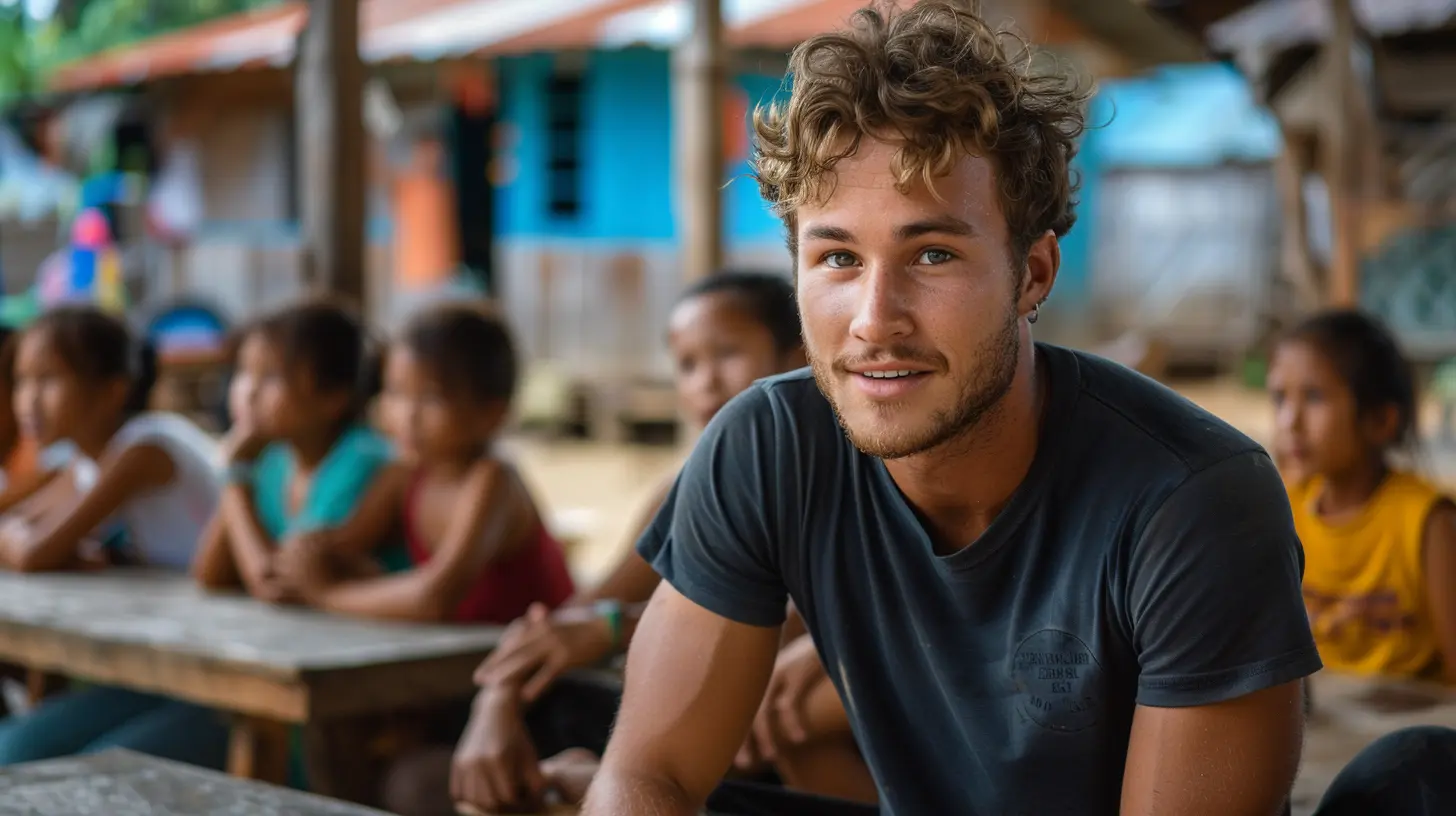
Why Volunteer Teaching? (Hint: It’s More Than Just Charity)
Let's get real—volunteering isn’t about being a "savior." It's about connection, learning, and creating opportunities where they didn’t exist before.So, why should you even consider it?
1. Empowering Communities
Education is a game-changer. It’s the golden ticket out of poverty and towards empowerment. By sharing your knowledge, you're helping students gain skills that could reshape their futures.2. Personal Growth (Because Who Doesn’t Love a Good Transformation Story?)
Think teaching is all about giving? Think again. You’ll walk away with just as much—if not more—than you give. Patience, resilience, adaptability… oh, and a deep appreciation for things like running water and WiFi.3. Cultural Exchange at Its Finest
You’re not just teaching students; you’re learning from them, too. New languages, traditions, perspectives—it’s like an all-inclusive cultural immersion package (minus the tourist traps).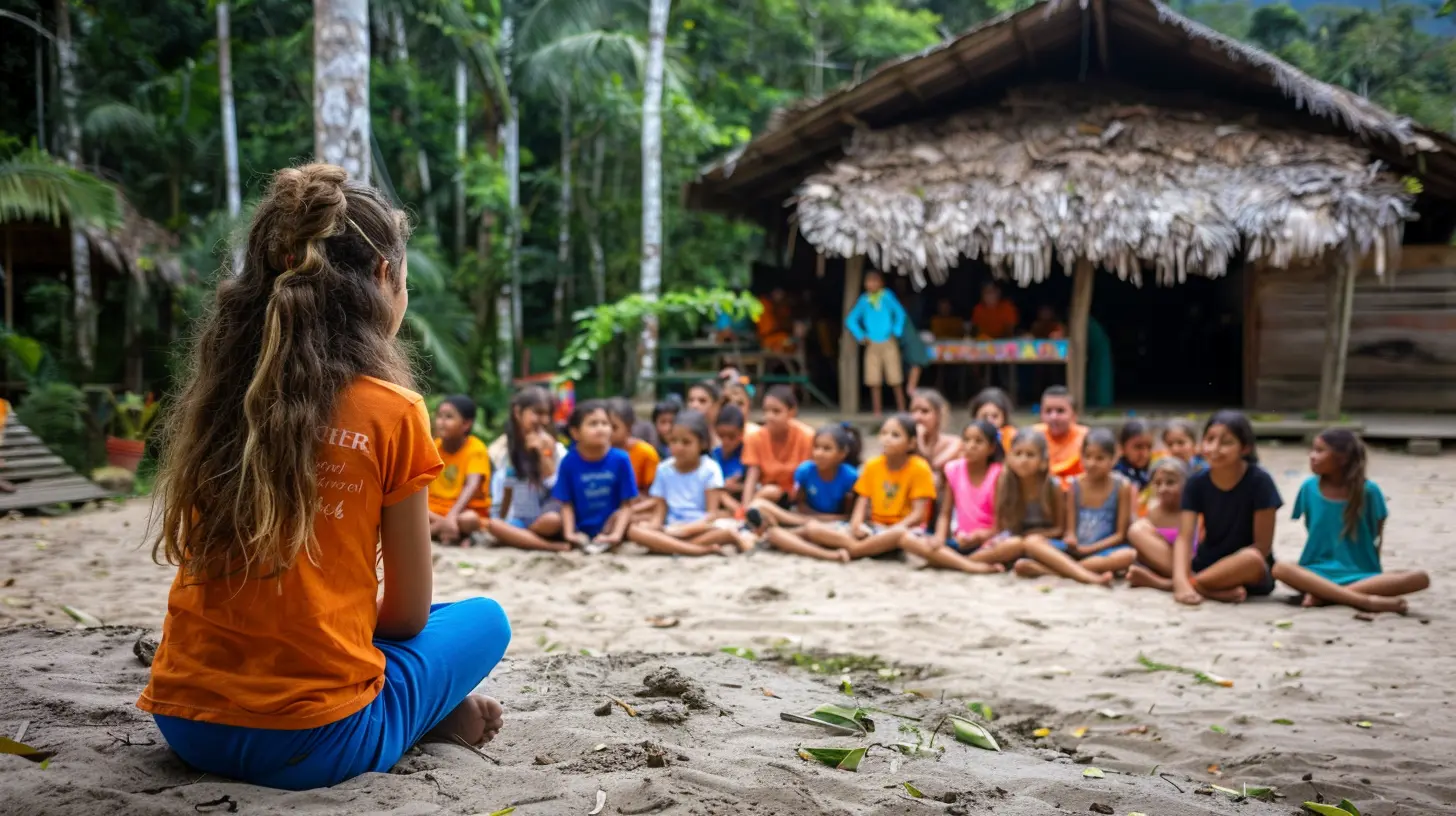
What Does Being a Volunteer Teacher Really Look Like?
If you've got some romanticized idea of teaching kids while birds chirp in the background—snap out of it. This isn’t a Disney movie. It’s real, raw, and sometimes downright chaotic. But that’s the beauty of it!Typical Responsibilities (aka “What You Actually Sign Up For”)
- Teaching English, math, science, or any subject your program offers.- Encouraging students and boosting their confidence.
- Creating fun, engaging lesson plans (because bored students = disaster).
- Helping improve pronunciation, writing, and conversation skills.
- Organizing extracurricular activities (think sports, arts, and music).
The Challenges (Because It’s Not Always a Walk in the Park)
Let’s not sugarcoat this. Teaching can be frustrating. Some students struggle, resources may be limited, and cultural differences can make things tricky. But overcoming these challenges? That’s where the magic happens.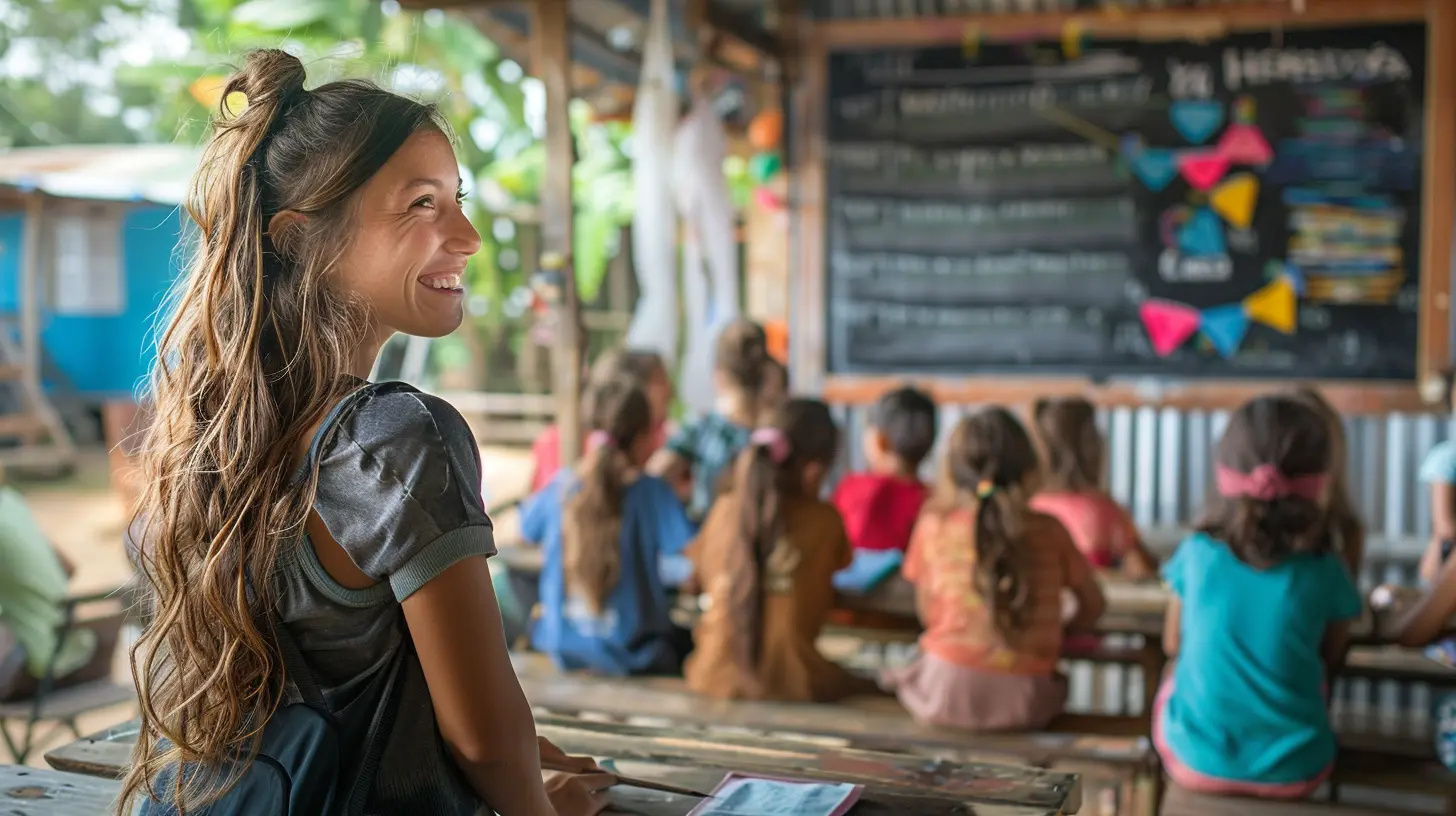
Where Can You Volunteer to Teach?
Now that you’re all pumped up, let’s talk locations. The world’s massive, and there are countless places where your skills are needed.1. Africa
From Kenya to Ghana, many African countries have a high demand for English teachers. The trade-off? You’re living among some of the most vibrant cultures on the planet.2. Asia
Thailand, Nepal, Cambodia—just a few nations where students crave English proficiency for better job opportunities. Plus, Asian food? Chef’s kiss.3. South America
Peru, Ecuador, Brazil—regions where learning English can open doors in tourism and business sectors. Also, let’s not forget about the jaw-dropping landscapes you’ll be waking up to every day.4. Europe (Yes, You Read That Right)
Countries like Romania and Ukraine have volunteer teaching opportunities, particularly for underprivileged communities. Who says you can’t do good and live your best European life?
Picking the Right Volunteer Teaching Program
Not all programs are created equal! Some are fantastic, while others (cough sketchy ones cough) are nothing more than money-making schemes. So, how do you choose wisely?Questions to Ask Before Signing Up:
✅ Is the program reputable and well-reviewed?✅ Do they provide accommodation and meals?
✅ What are the fees? (Some programs charge, others don’t—know what you’re paying for!)
✅ What’s the time commitment? (Some programs ask for two weeks, others a full year.)
✅ Are there training sessions beforehand?
Pro Tip: Avoid "Voluntourism"
You know... those feel-good programs that prioritize the experience for volunteers over actual community impact. Do your homework. If a program promises instant gratification, question it.The Ripple Effect: How Volunteer Teaching Transforms Lives
Let’s talk about the real impact. Beyond just teaching tenses and multiplication tables, you’ll be shaping futures in ways you can’t even imagine.1. Boosting Confidence in Students
Many kids in low-income areas lack self-belief. Having someone invest in them? That’s life-changing.2. Breaking Language Barriers
Imagine a student landing a job just because they improved their English skills with your help. Talk about a full-circle moment!3. Inspiring the Next Generation of Educators
Some students go on to become teachers themselves, paying forward the knowledge they gained. That’s legacy-level impact.Things No One Tells You About Volunteer Teaching
Alright, time for some brutal honesty.- You will struggle. Teaching isn’t easy, especially when communication barriers exist.
- You will question if you’re making a difference. (Spoiler: You are.)
- You will get attached. Saying goodbye is brutal, but it means you’ve truly connected.
- You will change. You’ll come back home seeing the world completely differently.
So… Should You Go For It?
If you’re looking for an experience that’s part adventure, part personal growth, and 100% meaningful, volunteer teaching is it. You’ll meet incredible people, make a real difference, and walk away with stories you’ll tell for a lifetime.But be warned: Once you start, you might not stop. Something about touching lives makes it impossible to go back to the same old routine.
So, are you ready to change lives—including your own?
all images in this post were generated using AI tools
Category:
Volunteer TravelAuthor:

Winona Newman
Discussion
rate this article
2 comments
Erin Simmons
What a beautiful testament to the power of education and compassion! Volunteer teaching programs not only transform the lives of students but also enrich the volunteers' experiences, creating lasting connections and impactful change. Thank you for sharing this inspiration!
February 18, 2026 at 5:25 PM
Winona Newman
Thank you for your kind words! I'm glad you found the article inspiring; it's amazing to see how education and compassion can create lasting change for all involved.
Kenna Morgan
In classrooms bright, hearts intertwine, Where wisdom blooms and kindness shines, Teaching transforms, lives realign, A world of change, uniquely divine.
February 15, 2026 at 3:23 AM
Winona Newman
Thank you for capturing the essence of volunteer teaching programs so beautifully! Your words perfectly reflect the transformative power of education and connection.