Beyond the Price Tag: The Cultural Value of Local Markets
24 July 2026
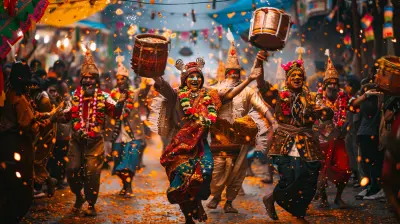
Let’s face it: we all love a good bargain. There's something satisfying about scoring a handmade scarf for a fraction of department store prices, or snagging a bundle of fruit that smells like it was just picked. But when it comes to local markets—those bustling, colorful hubs you stumble upon while wandering foreign cobbled streets or tucked into the corners of your own hometown—there’s a lot more at stake than just the best deal.
These markets are more than places to buy and sell. They're cultural hotspots, storytelling spaces, and windows into the soul of a community. So, let’s put our wallets aside for a sec and look beyond the price tag to uncover the real value of local markets.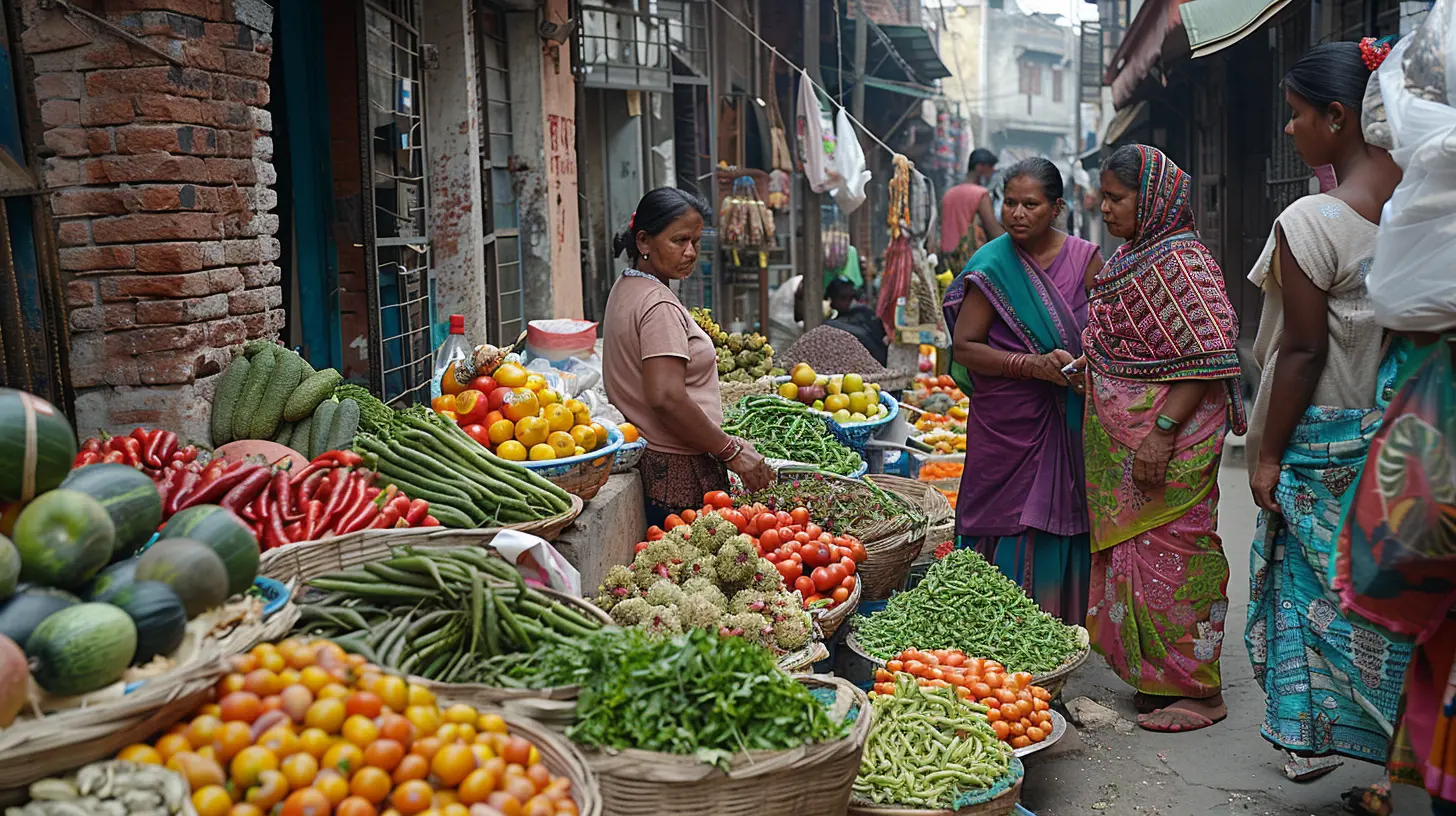
The Beating Heart of a Community
Ever notice how local markets always seem to be pulsing with energy? It’s no coincidence. These are places where life happens—conversations, deals, debates, laughter, and sometimes even music and dancing.Markets are often the oldest part of a town or city. They've been around since people first decided trading carrots for fabric was a good idea. And for generations, they've been acting like a living room for the community.
Picture this: in a local market, the fishmonger knows your name, the spice vendor remembers your favorite chili blend, and the baker saves you the last olive-stuffed loaf. These aren’t just transactions; they’re relationships. Ever tried building that kind of rapport at a chain supermarket?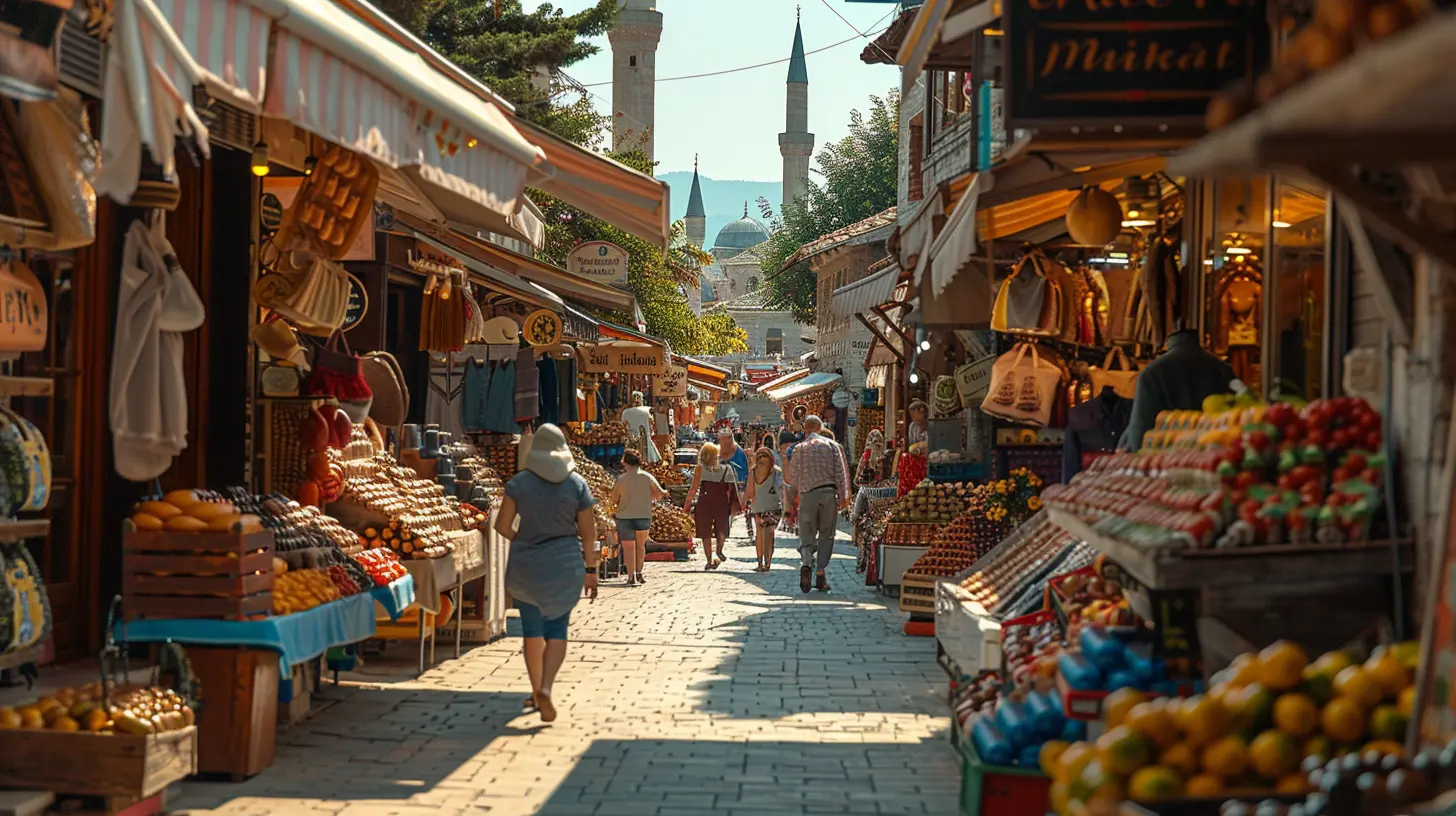
Culture Served Fresh Daily
We often think of culture in terms of museums, theatres, and architecture. But if you really want to take a bite out of a place’s cultural pie, head to the market.At any given stall, you’ll find age-old recipes passed down through generations, homemade goods crafted with regional pride, and items that reflect the unique weather, soil, and soul of the area.
Ever been to a market in Thailand? The smells alone—lemongrass, fish sauce, sizzling skewers—tell you more about local life than any guidebook ever could. Or walk through a bazaar in Morocco, where spices stack into pyramids of powdery color, and shopkeepers brew mint tea as a greeting.
Markets are culture, in 3D and high definition. You don’t just observe it—you taste it, touch it, talk to it.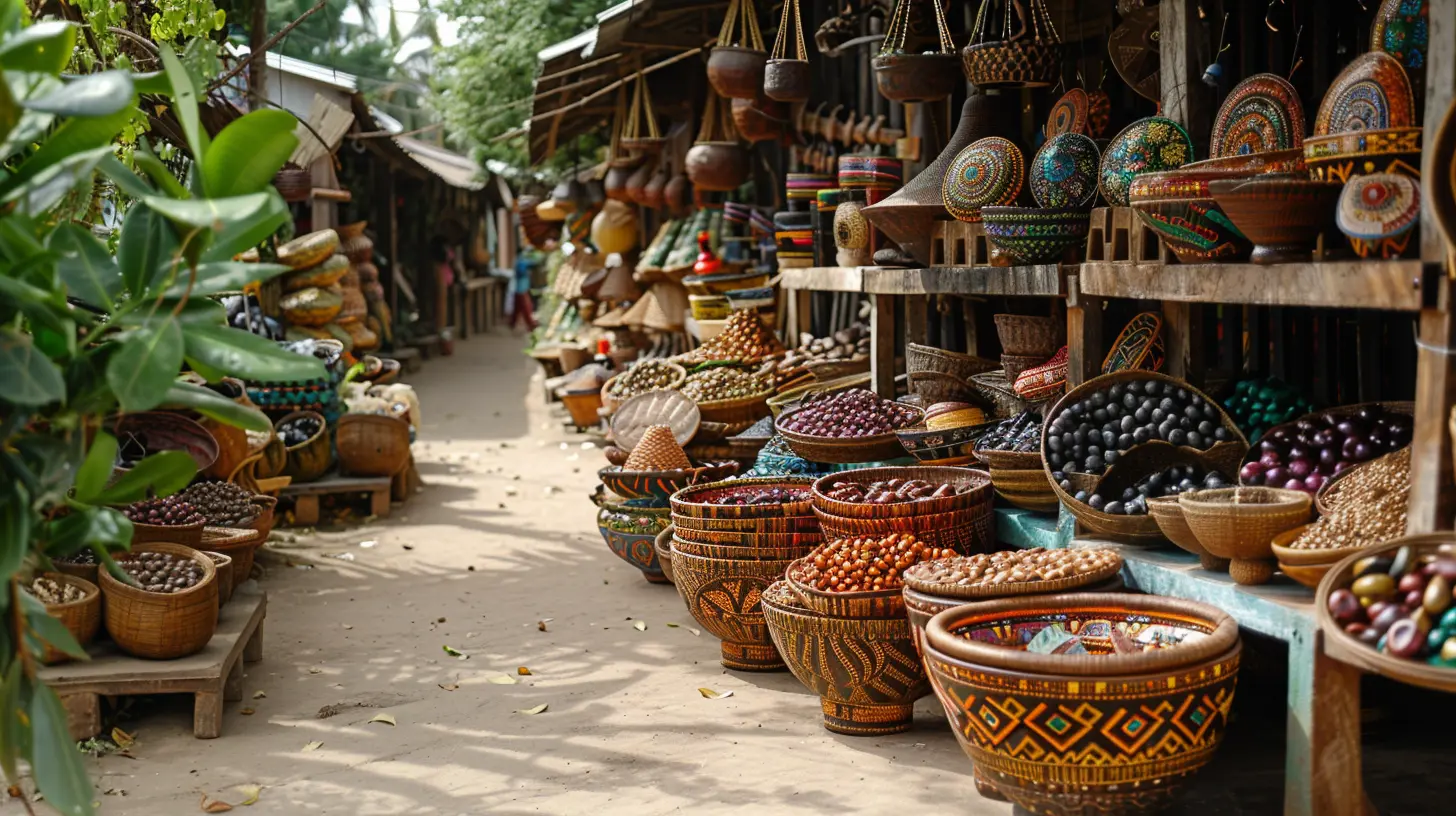
A Crash Course in Language, Customs, and Charm
Let’s talk travel for a second. When you're in a foreign country, nothing throws you into the deep end like a market. And that’s a good thing.Markets are language boot camps. Even if you don't speak the local tongue, you'll pick up common words pretty fast—hello, how much, too expensive, delicious. You’ll learn hand signals you never knew existed. And you’ll start to “get” cultural nuances: the appropriate way to barter, how to show respect, when to laugh off a failed negotiation.
And the best part? Locals usually cut tourists some slack. They know you’re trying. That interaction alone—genuine, spontaneous, human—is priceless.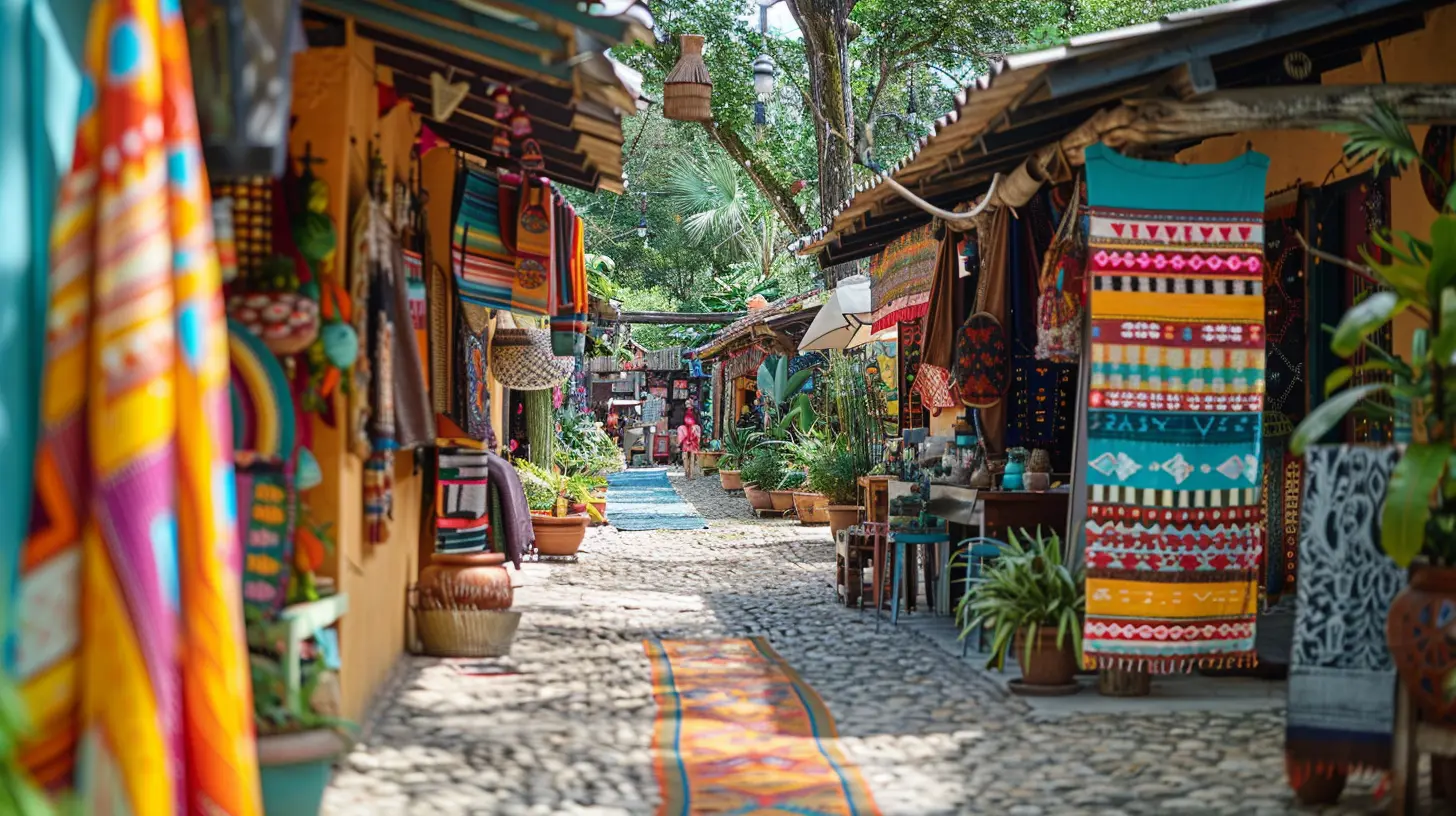
Supporting Local Economies (Without Even Trying)
Every dollar you spend at a local market is a vote for the local economy. You're supporting families, not faceless corporations. That woman weaving baskets? She’s sending her kids to school with that income. The cheesemaker selling out of his van? Your purchase helps him keep ancient craft alive.Markets are the original version of “shop local.” Long before hashtags and eco-movements, this was how communities survived and thrived.
And when tourism enters the mix, the impact magnifies. Tourists bring fresh cash into these spaces, encouraging artisans to keep traditions alive and even innovate for new markets. It's a beautiful cycle.
A Feast for the Senses
Let’s not overlook the obvious: local markets are straight-up sensory playgrounds.- Sight: Colorful fabrics, symmetrical fruit displays, vivid spices, handmade jewelry sparkling in the sun.
- Sound: The chatter of customers bargaining, vendors singing the praises of their products, the occasional street musician adding flair.
- Taste: Free samples! Fresh fruit, salty cheeses, crispy pastries, and local snacks you wouldn’t dare pronounce but will absolutely devour.
- Touch: Textures of handmade pottery, soft scarves, rough wooden carvings under your fingers.
- Smell: Freshly baked bread, grilling meats, herbs you’ve never heard of, and flowers in technicolor bouquets.
It’s practically a full-body experience. You’d pay for a spa day, but this? This is cultural immersion therapy—and often for free.
Preserving Traditions One Transaction at a Time
Here’s the thing: globalization is real and powerful. And while it's exciting to have access to anything, anywhere, it also threatens the uniqueness of local traditions.Local markets are bastions of heritage. They keep old methods alive. Whether it's a hand-dyed fabric technique from Guatemala or a traditional sausage recipe in Hungary, markets help those treasures survive.
And by shopping there, you become a part of that preservation. You're not just buying lunch—you’re casting a vote for cultural continuity.
The Art of the Bargain: More Than a Game
Let’s address the elephant in the stall: bargaining.Some people find it intimidating. Others see it as a sport. Either way, it’s about more than just shaving a few bucks off the price.
Bargaining at a local market is a cultural ritual. It's a dance of respect, humor, and patience. Done right, it deepens your connection with the seller and often leads to a better deal for both sides.
It’s not about being cheap—it’s about engaging. You’re showing interest, asking questions, building a human bridge. Try doing that with a self-checkout machine.
Markets as Storytellers
Every stall has a story. Every vendor, a chapter. From the old man who hand-rolls cigars because that's what his father and grandfather did, to the young woman selling upcycled jewelry and reshaping local craft traditions—these people are the story of the place.Often, if you just ask, they'll tell you incredible things: family histories, village legends, the origins of a strange ingredient or design. You walk away not just with a souvenir, but a tale to tell.
And honestly, isn’t that the best part of travel?
Local Markets vs. Supermarkets: A Showdown
Let’s break it down:| Feature | Local Market | Supermarket |
|--------|-------------|------------|
| Freshness | Picked that morning | Traveled days |
| Human Touch | Knows your name | Self-checkout |
| Cultural Insight | Deep dive | Surface-level |
| Sensory Joy | All five engaged | Fluorescent lights, maybe soft jazz |
| Unique Finds | One-of-a-kind gifts | Mass-produced |
| Haggling | Cultural thrill | Price fixed |
Sure, supermarkets are convenient. But local markets? They're unforgettable.
Tips for Navigating a Local Market Like a Pro
Worried about stepping into the chaos unprepared? Don’t be. Here are some quick tips:1. Go early: That’s when the best stuff’s out and the crowds haven’t picked it clean.
2. Bring small bills: Makes transactions smoother.
3. Ask questions: Vendors love explaining their craft—don’t be shy!
4. Sample before you buy: Especially for food.
5. Be respectful: Photograph with permission, and don’t hard-bargain over tiny amounts—it’s someone’s livelihood.
6. Carry a reusable bag: You’ll need it!
Why Tourists Keep Coming Back
There’s a reason travelers say local markets were the "highlight of their trip." It’s not just the food, the prices, or the stuff. It’s the feeling.It’s being in a space where culture breathes, where people connect, and where time somehow slows down just enough for you to soak it all in.
In an age when travel can sometimes feel cookie-cutter—same souvenirs, same hotel chains, same selfies—markets are refreshingly real. They’re messy, meaningful, and magnetic.
And long after the souvenirs gather dust, the memory of crouching over a bowl of mystery noodles in a steamy alley or chatting with a leatherworker about his craft? That sticks.
Final Thoughts
The next time you find yourself wandering the winding lanes of a local market, whether at home or abroad, take a deep breath and lift your eyes from the price tags. Listen. Watch. Taste. Talk.Because beyond each product is a person. Beyond each price is a tradition. And beyond the bustle is a beating cultural heart that’s still very much alive—and waiting to share its story.
So, yeah, grab that handmade bowl or embroidered tote bag. But don’t do it just because it’s cheap. Do it because it’s rich—with meaning, history, and culture.
all images in this post were generated using AI tools
Category:
Local MarketsAuthor:

Winona Newman