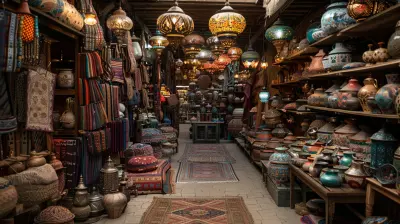
Alhambra: Where Moorish History Meets Spanish Culture
22 December 2025
When you think of Spain, what comes to mind? Flamenco dancing? Tapas? Maybe the sunny beaches of the Costa del Sol? Well, nestled in the heart of Granada lies a masterpiece that tells a different story—one of sultans, poets, and an empire that once flourished. Welcome to the Alhambra, a breathtaking palace-fortress where Moorish history intertwines seamlessly with Spanish culture.
This incredible complex, perched on the hills of Andalusia, isn’t just an architectural wonder; it’s a journey back in time. From the intricately designed palaces to the whispering gardens, every corner of the Alhambra has a tale to tell. So, grab your virtual passport and let’s dive into the magic of Granada’s crown jewel. 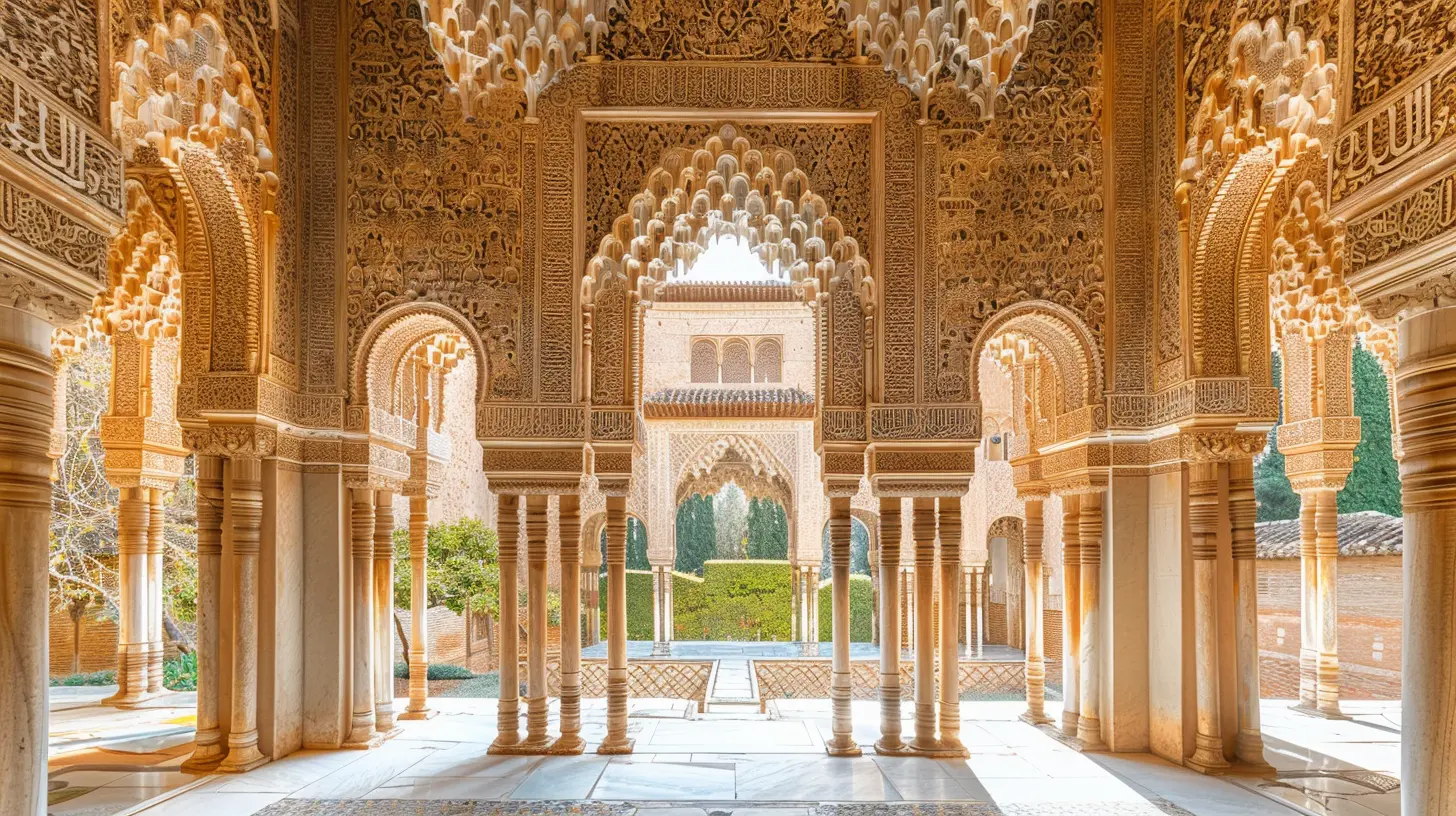
A Brief History: The Rise and Legacy of the Alhambra
Before we get lost in its beauty, let's rewind a few centuries. The Alhambra wasn’t built in a day—it evolved over time, shaped by different rulers and cultures.Origins: A Fortress is Born
The story of the Alhambra dates back to the 9th century, when it was originally a small fortress. However, it wasn’t until the 13th century, during the reign of the Nasrid dynasty, that it transformed into the stunning palace we see today. Under Sultan Muhammad I, the fortress expanded, becoming a dazzling royal residence filled with exquisite Moorish artistry.The Nasrid Glory: A Palace Fit for Kings
By the 14th century, the Alhambra was the heart of the Nasrid Kingdom, the last Muslim dynasty in Spain. Sultans like Yusuf I and Muhammad V adorned the palace with intricate stucco work, reflective pools, and elegant courtyards. The result? A complex that was more than just a royal residence—it was a symbol of Moorish power, sophistication, and architectural brilliance.The Christian Conquest: A New Chapter
In 1492, the Catholic Monarchs, Isabella and Ferdinand, reclaimed Granada, marking the end of Muslim rule in Spain. Instead of destroying the Alhambra, they recognized its beauty and preserved it. Over time, the complex saw Christian influences, including the construction of the Palace of Charles V—a Renaissance-style addition that contrasts sharply with the delicate Moorish designs.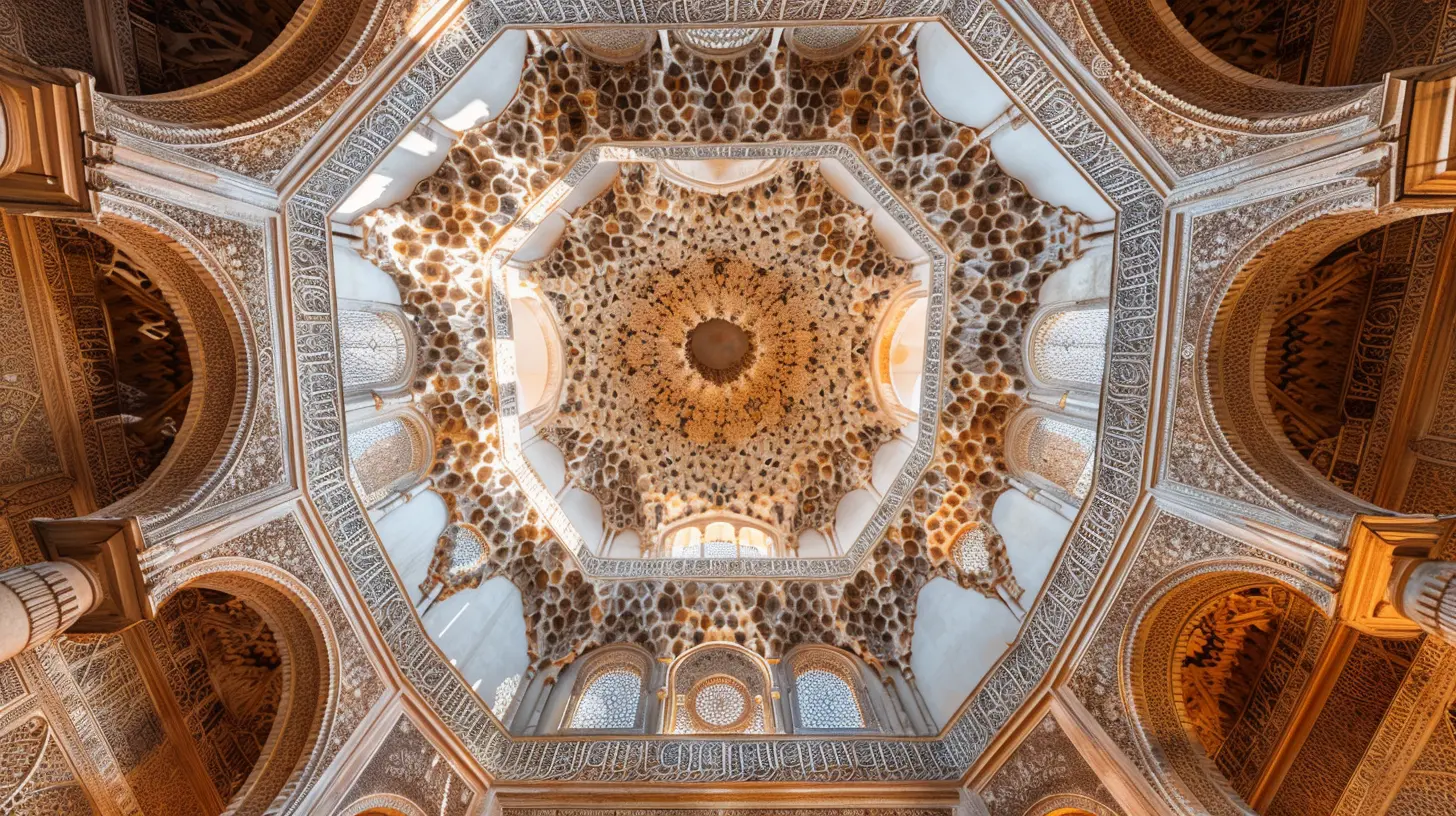
The Architectural Marvels of the Alhambra
The Alhambra isn’t just one building—it’s a massive complex filled with palaces, courtyards, towers, and gardens, each with its own unique charm. Let’s take a stroll through its most remarkable sections.1. The Nasrid Palaces: A Dream in Stone
The Nasrid Palaces are the soul of the Alhambra, where every inch is covered in stucco patterns, Arabic calligraphy, and intricate tilework. Walking through these halls feels like stepping into a fairy tale.- The Mexuar Hall: Originally a royal meeting room, its ornate walls are adorned with Islamic inscriptions praising God.
- The Comares Palace: Home to the Hall of the Ambassadors, this was where sultans met with envoys and dignitaries—the very room where Christopher Columbus negotiated his voyage to the New World.
- The Palace of the Lions: Arguably the most famous section, this palace features the iconic Fountain of the Lions, a symbol of strength, power, and artistic genius.
2. The Generalife: The Sultan’s Summer Retreat
Need a break from the palace? The Generalife Gardens offer a peaceful escape. This summer residence of the sultans boasts lush gardens, flowing fountains, and shaded courtyards—a place designed for poetry, music, and relaxation. It's easy to picture Moorish royals strolling through these pathways, lost in thought.3. The Alcazaba: The Alhambra’s Military Backbone
While the Nasrid Palaces showcase elegance, the Alcazaba reminds us that the Alhambra was also a fortress. This military stronghold offers breathtaking panoramic views of Granada. Climbing the Torre de la Vela, the watchtower, rewards visitors with a glimpse of the city’s rooftops and distant mountains.4. The Palace of Charles V: A Renaissance Touch
A stark contrast to the Nasrid Palaces, the Palace of Charles V is a massive circular courtyard surrounded by classical columns. It feels almost Roman, yet it sits right in the heart of an Islamic masterpiece—a visual representation of Spain’s blend of cultures.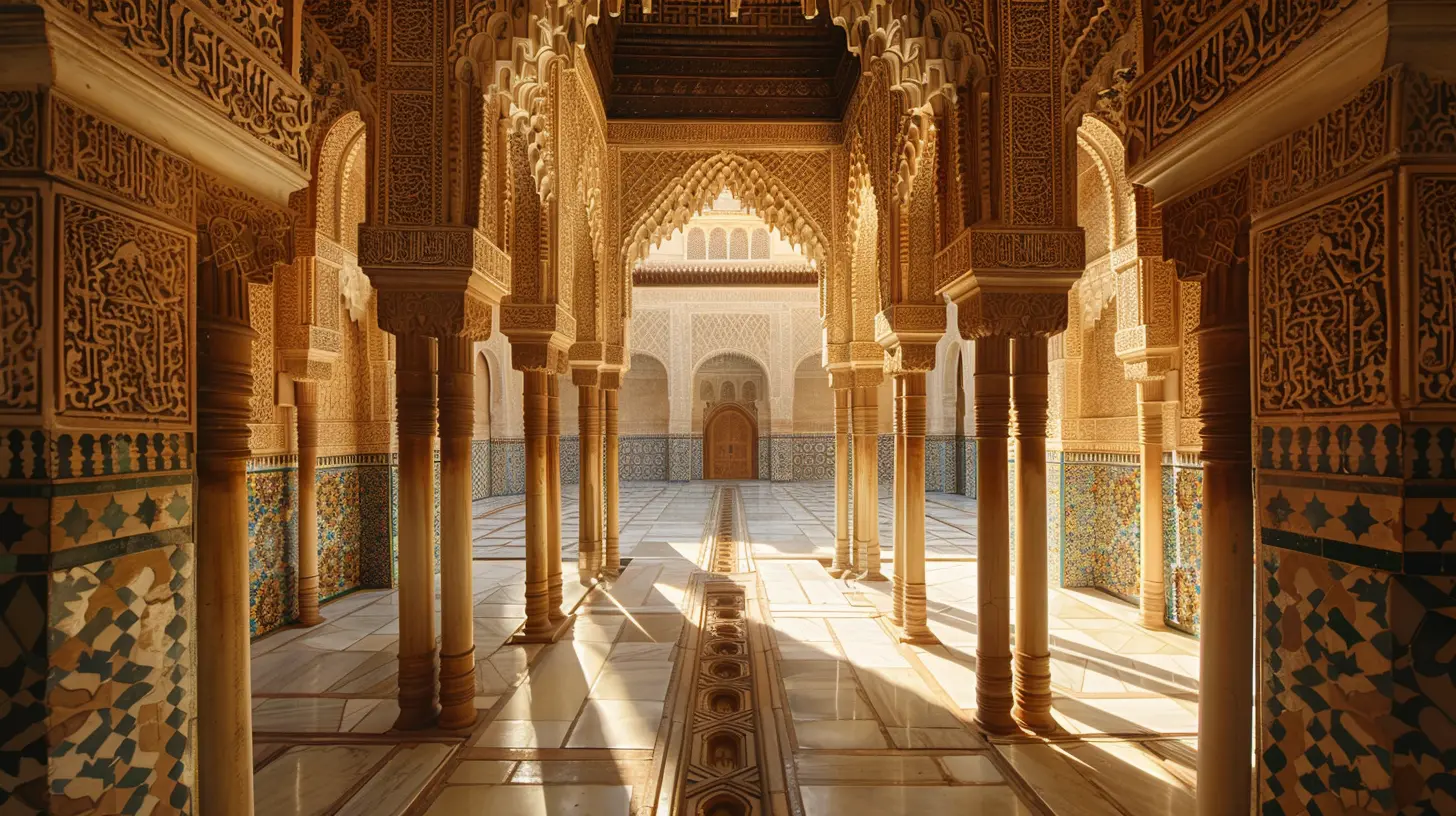
The Islamic Influence: Poetry in Architecture
What makes the Alhambra so mesmerizing? Its architecture is about more than just aesthetics—it’s filled with symbolism, philosophy, and poetry.- Arabic Calligraphy is Everywhere – Passages from the Quran, poems, and praises to God are engraved onto walls, doors, and archways.
- Geometry and Symmetry – The Alhambra’s designs embrace mathematical precision, creating perfectly balanced patterns that embody harmony.
- Light and Water Play – The architects of the Alhambra understood how to manipulate light, shadows, and reflections. Pools and fountains not only served as decorations but also cooled the palace during scorching summers.
It’s no wonder that the Alhambra is often called "a poem in stone." 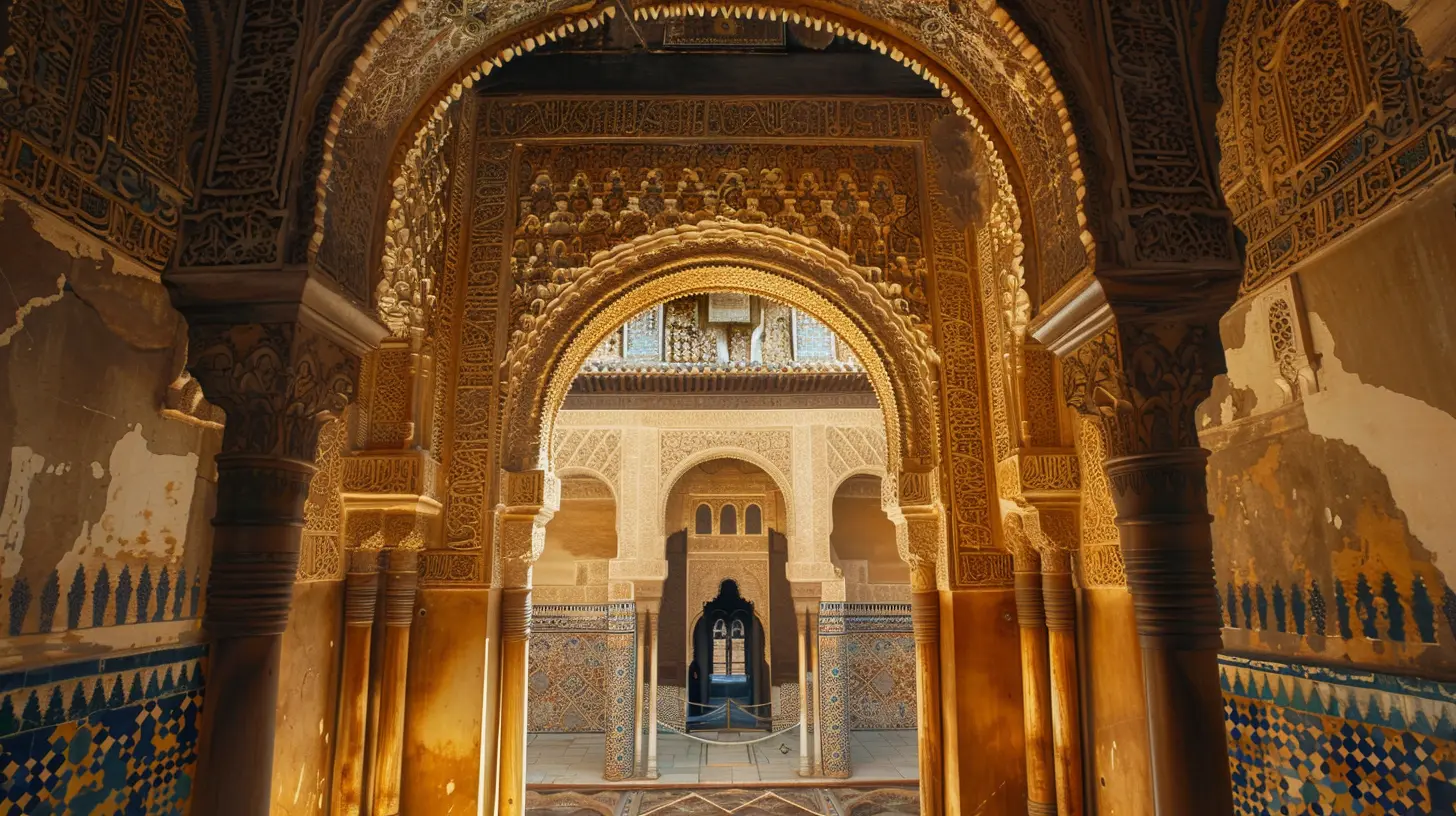
A Living Legacy: The Alhambra Today
Today, the Alhambra isn't just a relic of the past—it’s still alive with stories, music, and history. It has been recognized as a UNESCO World Heritage Site, welcoming over 2.5 million visitors annually.Tourists, historians, and artists from around the world come to marvel at its beauty. It has inspired poets like Washington Irving, whose book Tales of the Alhambra introduced the palace to Western audiences, adding to its mystique.
But beyond being a tourist attraction, the Alhambra remains a symbol of cultural coexistence—a place where Islamic, Christian, and Renaissance influences blend into one stunning masterpiece.
Tips for Visiting the Alhambra
If you're planning a trip to Granada, the Alhambra should be at the top of your list. Here are some essential tips to make your visit unforgettable:- Book Tickets in Advance – Entrance tickets sell out quickly, so reserve yours online at least a month ahead.
- Visit Early or Late – The Alhambra gets crowded. Mornings and evenings offer a more peaceful experience and stunning lighting for photography.
- Wear Comfortable Shoes – You’ll be walking a lot! Cobblestone pathways and staircases make comfy shoes a must.
- Hire a Guide – The Alhambra is packed with history. A knowledgeable guide can help you decipher its hidden meanings and fascinating tales.
- Take Your Time – There’s no rush. This place deserves to be soaked in, step by step.
Final Thoughts: Why the Alhambra is a Must-See
The Alhambra isn’t just a palace or a fortress—it’s a window into Spain’s past, a masterpiece of Moorish art, and a testament to cultural fusion. Walking through its courtyards, you can almost hear the whispers of poets, the footsteps of sultans, and the echoes of history.If you ever find yourself in Spain, don’t just see the Alhambra—experience it. Because in this remarkable place, every wall, garden, and hallway tells a story, waiting for you to listen.
all images in this post were generated using AI tools
Category:
Must See LandmarksAuthor:

Winona Newman
Discussion
rate this article
2 comments
Tempest Reed
What a delightful read! Your exploration of Alhambra beautifully captures the essence of its rich Moorish history and vibrant Spanish culture. The stunning architecture and serene gardens truly transport visitors to another time. This is a must-visit destination for anyone seeking to experience the enchanting blend of tradition and beauty.
January 20, 2026 at 5:58 PM
Winona Newman
Thank you so much! I'm glad you enjoyed it and appreciate your kind words about Alhambra's unique blend of history and beauty.
Elidi McElhinney
Step into Alhambra, where shadows whisper tales of ancient sultans and echoes of flamenco dance. Discover the secrets hidden within its walls—each corner a story, each stone a heartbeat of history waiting to be unveiled.
December 31, 2025 at 3:19 AM
Winona Newman
Thank you for beautifully capturing the essence of Alhambra! It truly is a place where history and culture intertwine in every corner.