A Journey Through Australia’s Red Centre: Exploring the Outback
20 March 2026
When someone mentions “Australia,” I bet kangaroos, beaches, and maybe a shrimp on the barbie spring to mind. But let me let you in on a little secret—the real magic? It’s smack dab in the middle of this sunburnt country. Strap on your hiking boots, slap on your sunscreen (seriously, the sun here means business), and get ready for a journey through Australia's Red Centre. We're talking about the beating heart of the Aussie Outback, where red dirt meets endless skies, and ancient stories whisper through the wind.
What Makes the Red Centre So… Red?
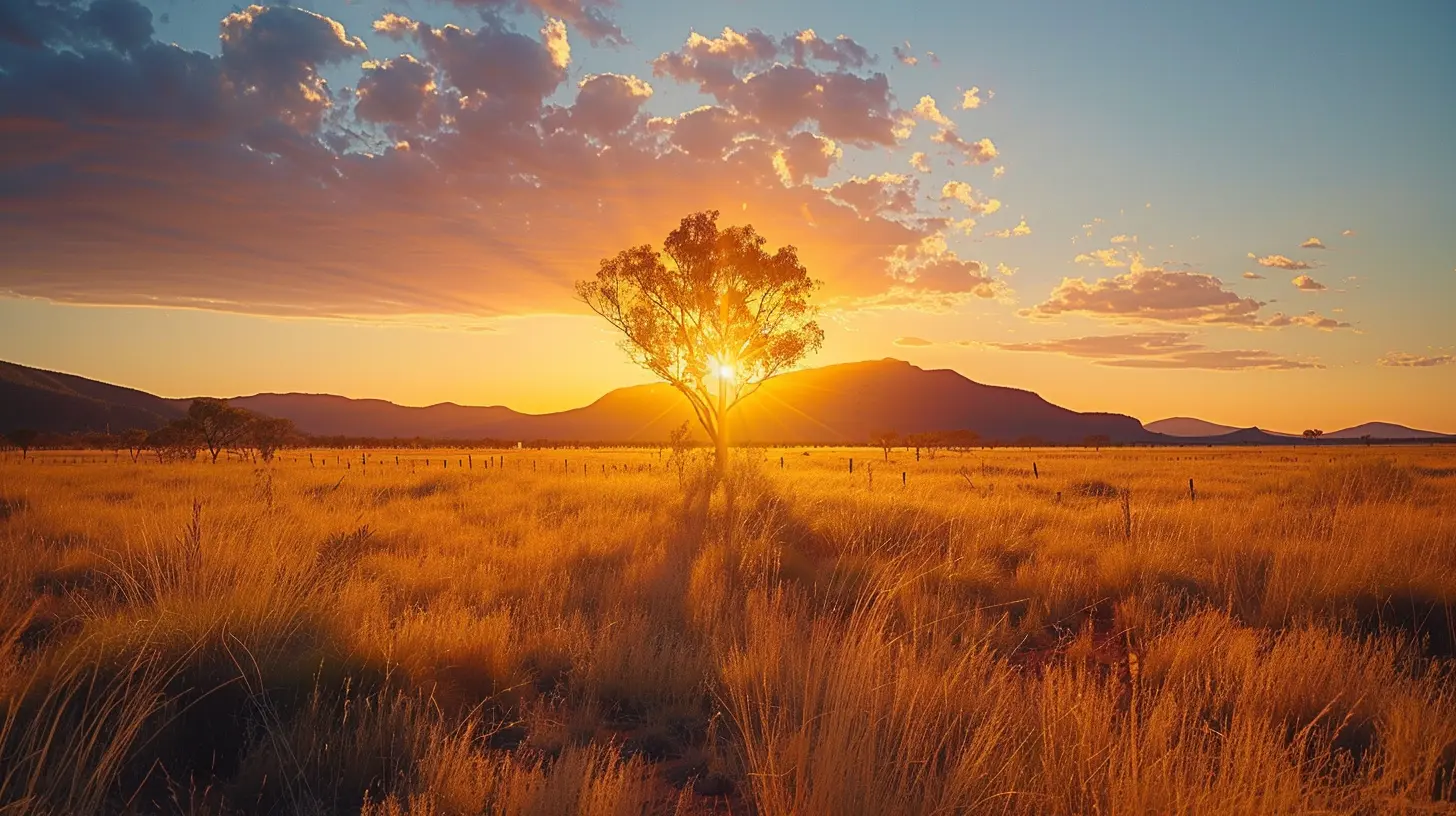
Ever wondered why this chunk of Australia looks like Mars had a baby with the Sahara? Spoiler alert: it's all about oxidized iron. Yep, the very thing that makes your bike rust gives this land its iconic hue. The combination of iron-rich soil and centuries of weathering has created those deep, ochre reds and rusty oranges that make it feel like you're walking through a living postcard.But this place is more than just a pretty color palette. The Red Centre is a sacred land rich in Aboriginal culture, stunning natural landmarks, and an almost spiritual sense of isolation that makes your soul sigh in contentment.
Welcome to Alice Springs: Your Launchpad to the Outback
Think of Alice Springs as the unofficial capital of the Red Centre. Nestled between desert landscapes and ancient mountain ranges, this town is where your Outback odyssey begins. It’s got art galleries, quirky pubs, and camels. Yes, camels. Australia has more of them than anywhere else in the world, believe it or not.➡️ Pro tip: If you're flying in, this is your best bet. And don’t forget to grab a meat pie before heading into the bush—fuel for the soul.
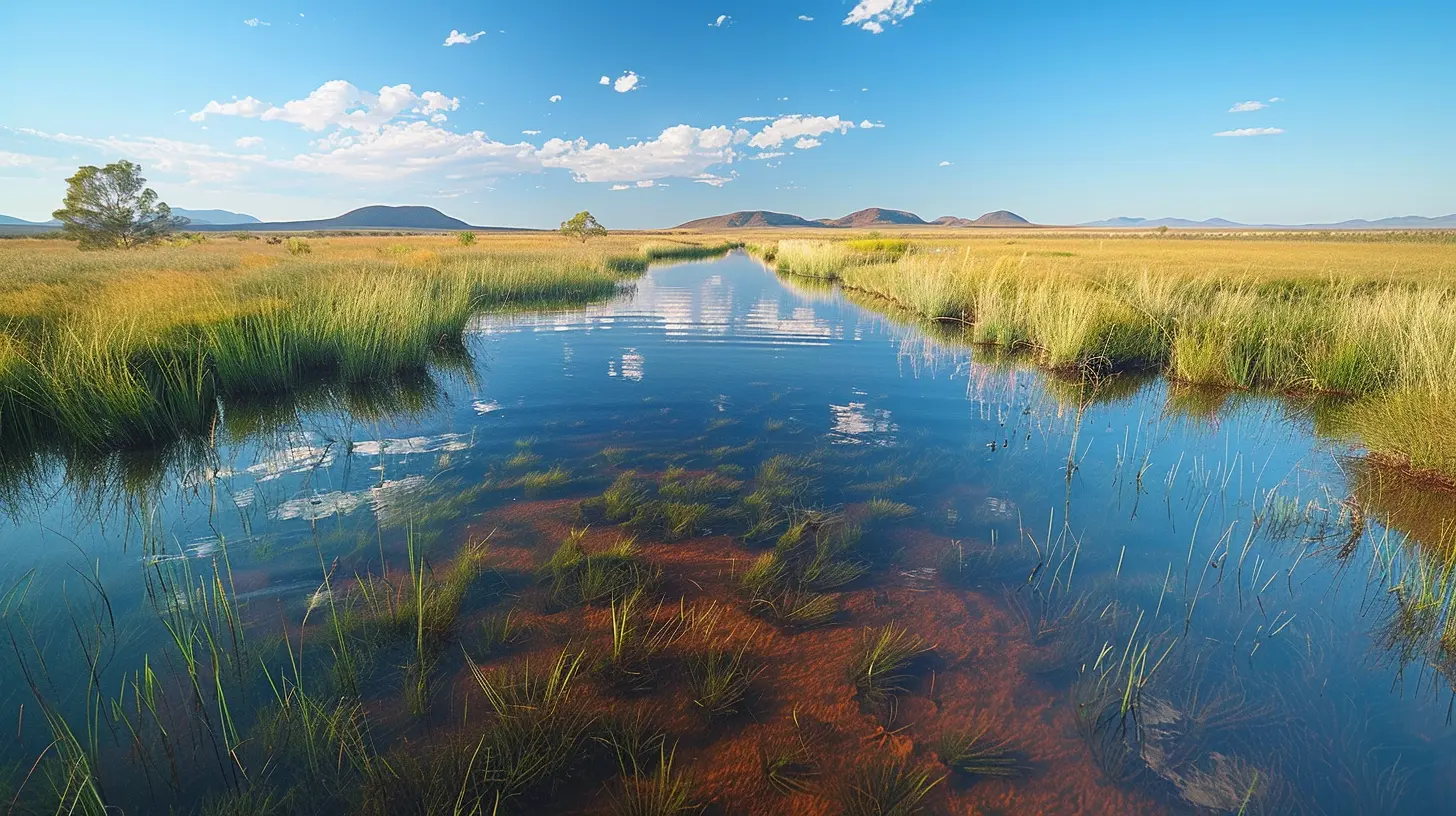
Uluru: The Rock Star of the Outback
Let’s not beat around the bush (pun intended). You came here for Uluru.This world-famous monolith is Australia’s crown jewel. Rising 348 meters above the plain, Uluru isn’t just a rock—it’s a sacred site for the Anangu people, the traditional custodians of the land. Every dip and crack in its surface tells a Dreamtime story passed down for generations.
Catch a Sunrise or Sunset (Or Both)
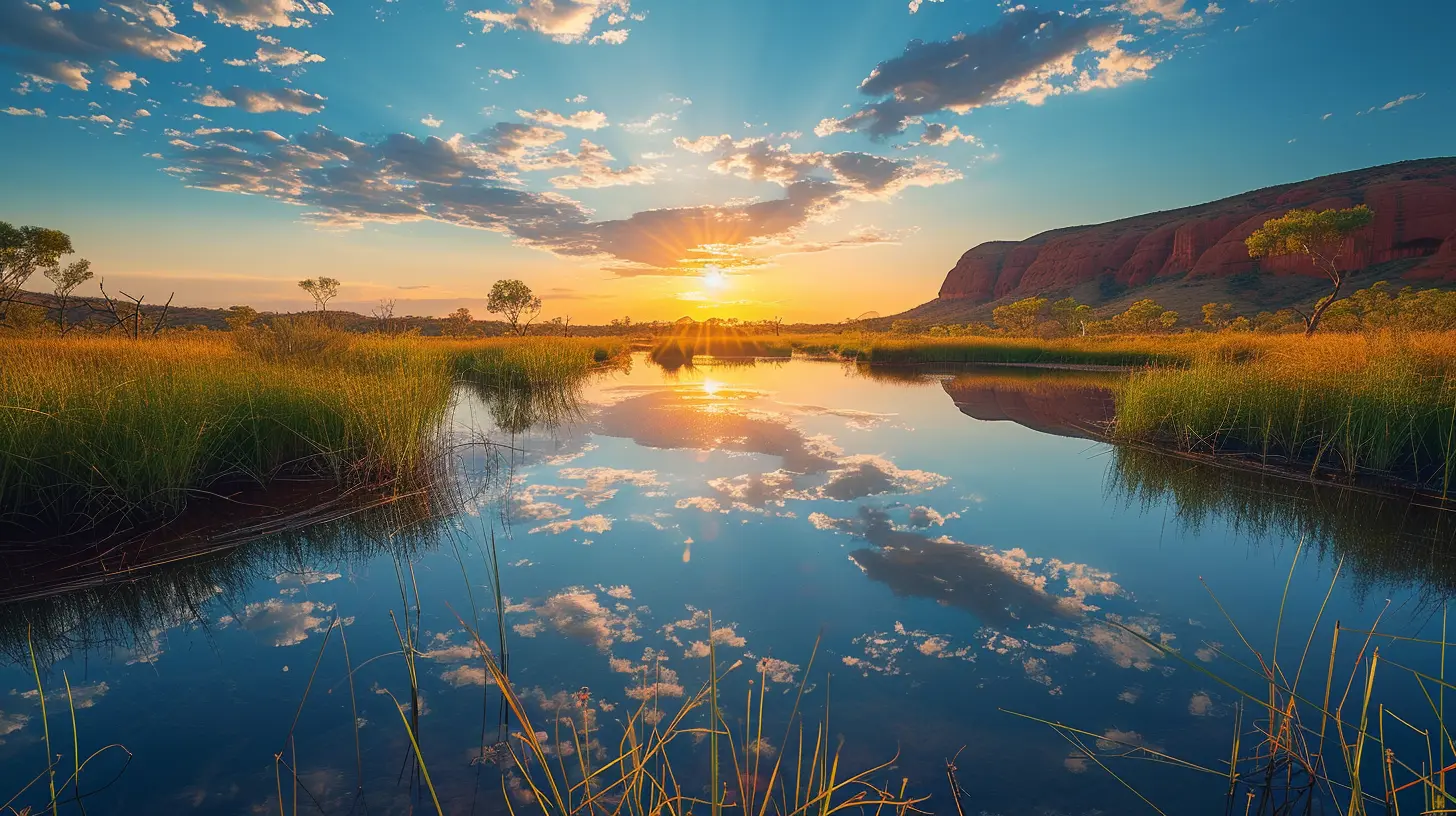
Trust me, you haven’t lived until you’ve seen the sun kiss Uluru good morning or bid it goodnight. The rock literally changes color—from dusty orange to brilliant crimson to soft purple. It’s nature’s light show, and no filter on Earth can do it justice.➡️ Tip: Arrive early, find a comfy spot, and bring tissues. You might cry. I’m not crying, you’re crying.
Don’t Climb It, Walk Around It
Climbing Uluru used to be a thing, but it’s been closed since 2019 out of respect for the Anangu people. Instead, take the Base Walk. It’s roughly 10.6 km (about 6.5 miles) of pure awe, weaving through caves, waterholes, and sacred sites. Each step is like walking through an open-air museum.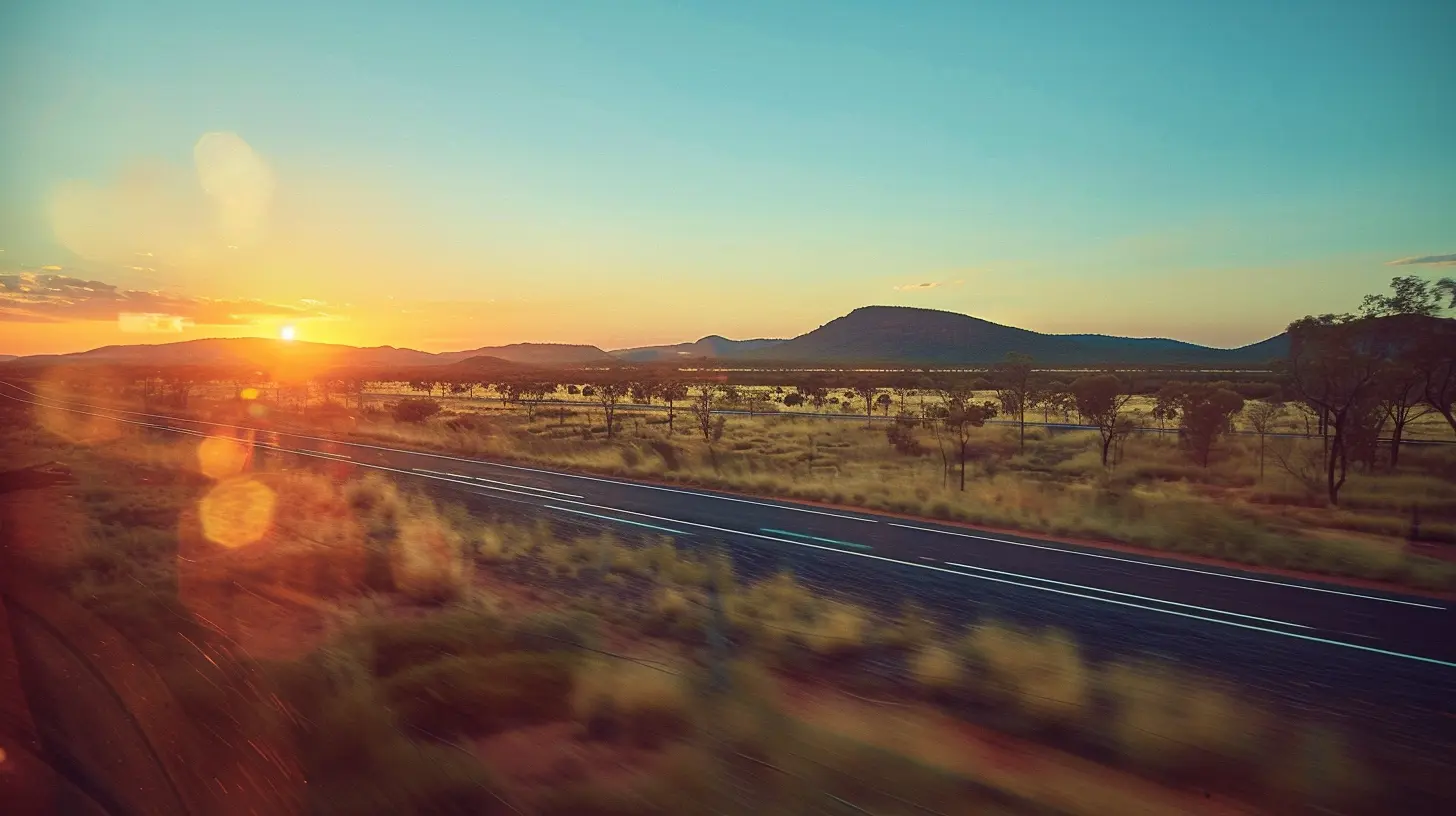
Kata Tjuta: Uluru’s Quirky Cousins
Just a short drive from Uluru sits Kata Tjuta, also known as “The Olgas.” These 36 enormous domed rock formations look like a cluster of red gumdrops were dropped from the sky. They're equally sacred and absolutely breathtaking.The Valley of the Winds
Sounds dramatic, right? It is. And windy. This hike is for the thrill-seekers who want panoramic views, rugged trails, and maybe even a kangaroo sighting if you’re lucky. Bring plenty of water and some sturdy shoes—you’re in for a bit of a workout, but oh boy, is it worth it.Kings Canyon: The Grand Canyon, But Aussie
If Uluru is the rock star and Kata Tjuta is the eccentric cousin, then Kings Canyon is the action hero. Located in Watarrka National Park, this place is like the Outback’s answer to the Grand Canyon—only redder and with more eucalyptus trees.Rim Walk or Nothing
This 6-kilometer loop trail takes you up to the canyon rim and into an ancient garden oasis called the Garden of Eden. It’s like stepping into a secret world, complete with lush greenery, tranquil pools, and towering red rock walls.Not big on stairs? The easier Creek Bed Walk still offers great views with minimal huffing and puffing.
Meet the Locals (No, Not the Crocs)
Think the Outback is a barren wasteland? Think again! It's teeming with life—just the kind of life that’s figured out how to survive when the temperature decides to play “how hot can we go today?”From kangaroos hopping across roads like it’s their commute, to dingoes eyeing your snacks, the Red Centre keeps you on your toes. If you’re really lucky, you might even spot a thorny devil (a spiky little lizard that sounds way more menacing than it actually is).
Aboriginal Culture: The True Heart of the Red Centre
You can’t (and shouldn’t) come to this part of Australia without immersing yourself in Aboriginal culture. This is one of the oldest living cultures in the world—more than 60,000 years of history, stories, and spiritual connection to the land.Join a Cultural Tour
There are plenty of tours hosted by Aboriginal guides who’ll share Dreamtime stories, show you bush tucker (wild food), and even teach you how to throw a boomerang (spoiler: it’s harder than it looks).Places like the Uluru-Kata Tjuta Cultural Centre are great starting points to understand the significance of what you’re seeing. Spoiler alert—everything has meaning.
Getting Around the Red Centre
Okay, logistics time. This isn’t exactly Uber’s turf, my friend. You’ll need wheels.Renting a 4WD is your best bet if you're planning to get off the beaten track, and trust me, you should. There’s nothing quite like blasting down a dusty road with Aussie rock on the radio and a kangaroo bouncing alongside your car like some kind of surreal road trip buddy.
➡️ Pro Tip: Fuel stations are few and far between. Always fill up when you can, and stock up on snacks like your life depends on it. Because, out here, it might.
When’s the Best Time to Visit?
Unless you're trying to turn into a puddle of sweat, don’t go in the middle of summer (December to February). Temperatures can hit 45°C (113°F) and your water bottle will give up before you do.Instead, aim for the cooler months—May to September. You’ll still get those golden Outback sunsets, but without the heat stroke risk.
Sleeping Under the Stars (Literally)
Camping in the Red Centre isn't just about saving money—it’s about the experience. The Outback was basically made for stargazing. With zero light pollution, the night sky here looks like Van Gogh painted it himself.Whether you're pitching a tent, rolling out a swag (an Aussie sleeping bag with attitude), or glamping it up in a luxe eco-camp, you'll sleep better than you ever thought possible—perhaps even visited by a curious wallaby in the moonlight.
A Few Final Tips from a Seasoned Outback-Wanderer
1. Water is life. Always carry more than you think you'll need.2. Respect the land. This isn’t just a tourist spot—it's someone’s sacred home.
3. Channel your inner crocodile Dundee. Be prepared, be curious, and keep your sense of humor handy.
4. Don’t feed the dingoes. Tempting? Maybe. Smart? Not even close.
5. Download offline maps. The Outback laughs in the face of your 4G network.
So, Why Should You Go?
Because the Red Centre isn’t just a place—it’s a feeling. It’s raw, rugged, and real. It’s where time slows down, cameras can’t quite capture the beauty, and you realize just how small we are on this huge, spinning planet. It’s humbling in the best way possible.And when you're watching Uluru blaze red against the setting sun or listening to ancient stories under a sky littered with stars, you'll get it. The Red Centre gets under your skin—in the best, most unforgettable way.
all images in this post were generated using AI tools
Category:
Oceania TravelAuthor:

Winona Newman
Discussion
rate this article
2 comments
Dusk Fuller
Experience the breathtaking landscapes and rich cultures of Australia’s Red Centre—an unforgettable outback adventure awaits!
April 4, 2026 at 2:32 PM
Winona Newman
Thanks for the kind words! The Red Centre truly offers a unique blend of stunning scenery and vibrant culture. Hope you enjoy the journey!
Poppy Newman
“A Journey Through Australia’s Red Centre beautifully captures the stunning landscapes and rich culture of the Outback, offering travelers a unique glimpse into this breathtaking region’s natural wonders.”
March 29, 2026 at 5:05 AM