Mountain Survival Skills Every Adventurer Should Know
7 February 2026
If you're a thrill-seeker who loves the call of the wild, venturing into the mountains can be the adventure of a lifetime. But let’s be honest—nature can be unpredictable. One moment, you’re hiking with breathtaking views, and the next, you're battling a sudden snowstorm or trying to find your way after getting lost.
That’s why knowing essential mountain survival skills isn't just a good idea—it can quite literally save your life. Whether you're a seasoned hiker or a newbie explorer, mastering these survival tricks will help you tackle any challenge the wilderness throws your way.
So, are you ready to level up your survival game? Let’s dive in! 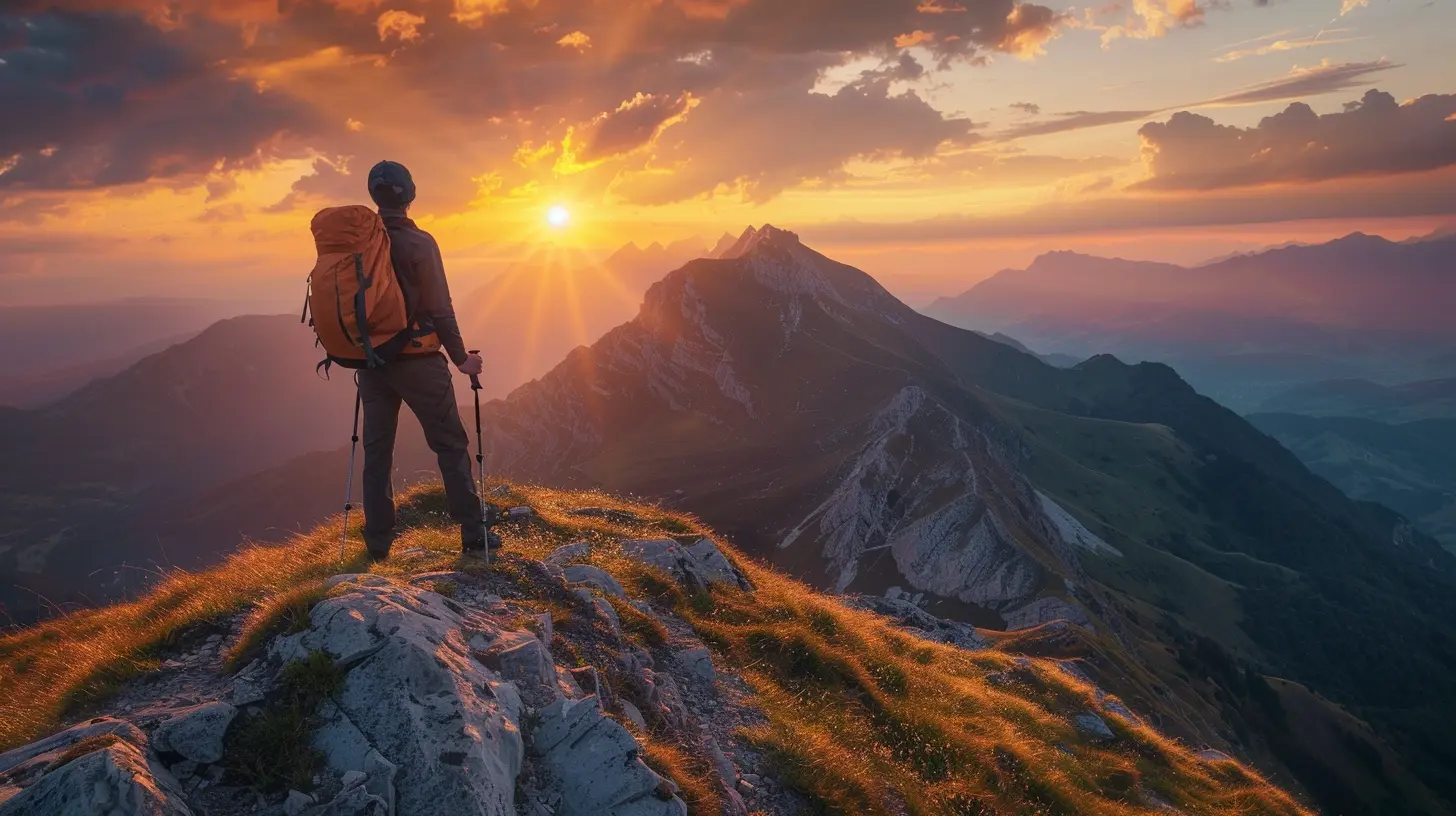
1. Understanding Mountain Terrain
Before you even step onto the trail, it's crucial to grasp the complexities of mountain landscapes. Unlike a simple forest hike, mountains present steep inclines, unpredictable weather, and rugged terrain.Why Is This Important?
- Mountain weather changes fast—one minute, it’s sunny; the next, you're caught in a hailstorm.- Loose rocks and uneven paths can lead to falls or injuries.
- Losing your bearings in vast landscapes is easier than you'd think.
Survival Tip: Study a detailed topographic map of the area and always carry a compass or GPS device. Relying solely on your phone isn’t wise—batteries die quickly in the cold. 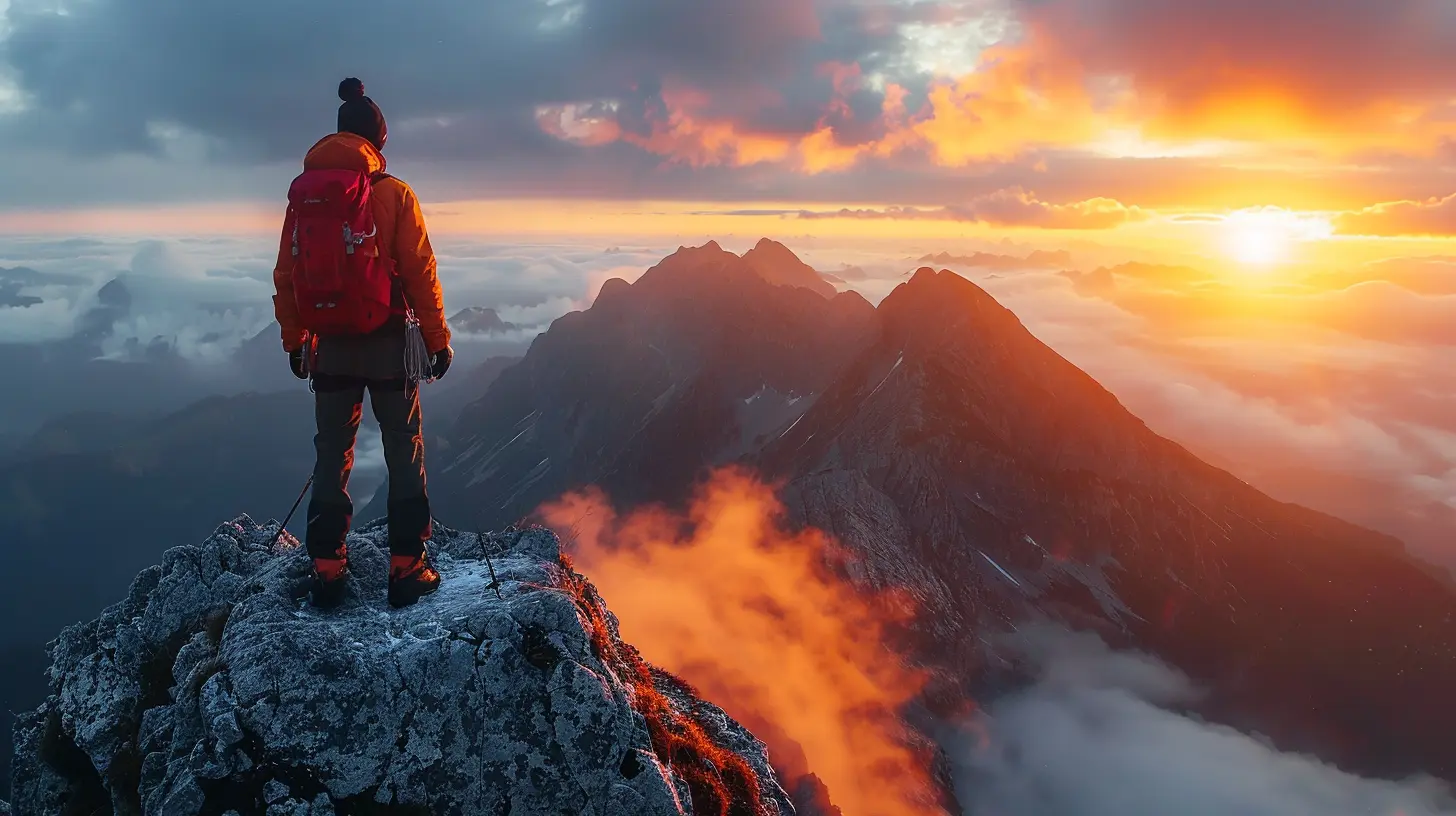
2. Dressing for Survival
The mountains don’t care how stylish you look. What matters is how well your clothing protects you from harsh elements.Layering Is Key
1. Base Layer: Moisture-wicking fabric to keep sweat off your skin.2. Insulation Layer: Fleece or down to trap body heat.
3. Outer Shell: Waterproof and windproof to shield against rain and snow.
Survival Tip: Avoid cotton—it traps moisture and can leave you freezing. Instead, opt for wool or synthetic materials. 
3. Navigation Skills: Finding Your Way
Getting lost in the mountains is a nightmare scenario, but it happens more often than you'd think. A simple wrong turn, fog rolling in, or wandering too far from the trail can put you in a tough spot.How to Stay on Track
- Always mark key landmarks as you move.- Use a map and compass—GPS is great, but technology can fail.
- If you get lost, follow the “STOP” rule:
- Sit down and stay calm.
- Think about where you last knew your location.
- Observe your surroundings for landmarks.
- Plan your next steps instead of wandering aimlessly.
Survival Tip: If you’re completely lost, stay in one place and create visible signals (bright clothing, fire, or reflective material) to help rescuers find you. 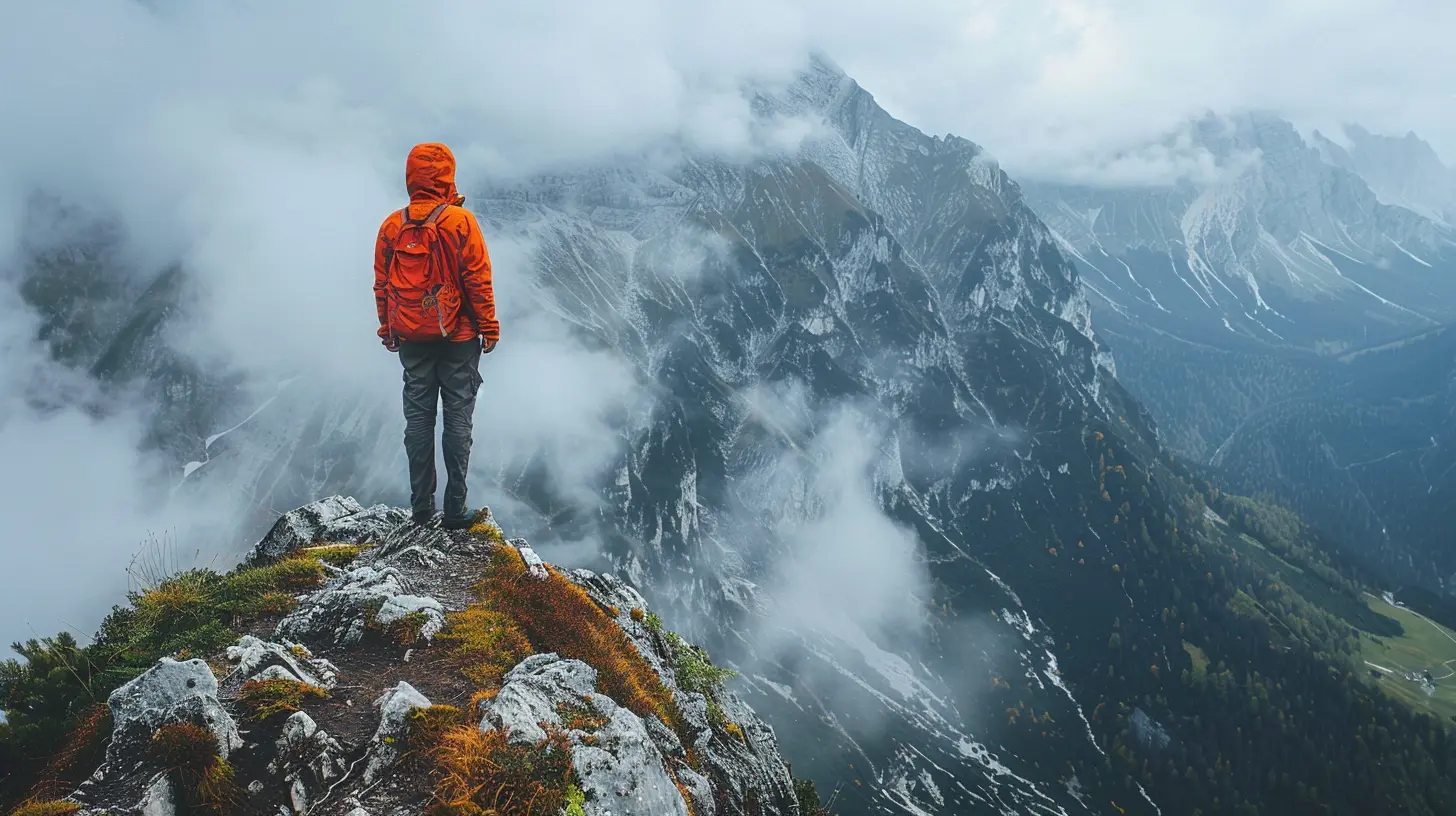
4. Finding and Purifying Water
In the mountains, dehydration is your worst enemy. Even in cold weather, your body loses water rapidly.Where to Find Water
- Look for streams, rivers, or melting snow.- Collect rainwater using a tarp or large leaves.
- Avoid stagnant water—it’s likely to be full of bacteria.
How to Make It Safe
- Boil it: The simplest and most effective method.- Use water purification tablets: Great for emergencies.
- Filter it: A portable purifier can remove dirt and bacteria.
Survival Tip: Never drink untreated water. Even the clearest stream can contain harmful parasites like Giardia.
5. Building a Shelter
Your body can survive weeks without food, but exposure to harsh elements can kill within hours. A proper shelter can shield you from wind, rain, and freezing temperatures.Survival Shelter Options
- Rock Overhangs: Nature’s ready-made shelters.- Snow Caves: Effective in extreme cold but require digging skills.
- Lean-To Shelters: Quick and easy with branches and leaves.
Survival Tip: Build your shelter before nightfall—trying to set up protection in the dark is a disaster waiting to happen.
6. Starting a Fire in Harsh Conditions
A fire isn’t just about warmth—it can cook food, purify water, and signal for help. But lighting one in the mountains? That’s a whole different challenge.Fire-Starting Essentials
- Carry a lighter, waterproof matches, and fire-starting kits.- Use dry materials like pine needles, twigs, or dry moss.
- Look for rocky areas to shield the fire from wind.
Survival Tip: Practice fire-starting techniques before your trip. The last thing you want is to fumble with wet wood when you're freezing.
7. Knowing How to Signal for Help
When you're stranded, waiting for rescue can feel like an eternity. But signaling effectively can speed up the process.Ways to Get Noticed
- Mirror Reflections: Use a shiny surface to flash sunlight toward search teams.- Smoke Signals: Create a fire and add damp leaves or green branches for thick smoke.
- Whistles: Three blasts in a row is the universal distress signal.
- Bright Clothing: Lay brightly colored gear on an open surface.
Survival Tip: If you hear a helicopter, wave both arms in a “Y” shape—it’s the universal sign for needing help.
8. Basic First Aid for Mountain Injuries
Injuries are common in rugged terrain—twisted ankles, cuts, or frostbite can turn deadly if not treated properly.Must-Know First Aid Skills
- Stop Bleeding: Apply pressure and clean wounds immediately.- Treat Hypothermia: Warm the person gradually—no sudden heat or alcohol.
- Handle Sprains and Fractures: Use a makeshift splint with sturdy branches.
- Combat Altitude Sickness: Descend if symptoms worsen—never ignore dizziness or nausea.
Survival Tip: Always carry a basic first-aid kit with bandages, antiseptic wipes, and pain relievers.
9. Food Survival: What’s Safe to Eat?
Running out of food in the mountains is a real concern. While you won’t starve in a day or two, knowing what’s edible can be a lifesaver.Edible Wild Foods
- Berries: Stick to familiar ones like raspberries or blueberries.- Pine Nuts: Found inside pinecones, they’re energy-packed.
- Insects: High in protein—crickets and grasshoppers are surprisingly nutritious.
Survival Tip: If unsure about a plant, follow the Universal Edibility Test—sampling a tiny piece and waiting hours for a reaction before eating more.
10. Mental Strength & Survival Mindset
Survival isn’t just about skills—it’s also a mental game. Panic is your enemy, while a calm, focused mind is your best tool.How to Stay Mentally Strong
- Stay Positive: Your mindset impacts your ability to think clearly.- Take Deep Breaths: Control stress and anxiety—panicking makes things worse.
- Break Challenges Into Small Steps: Solve one problem at a time instead of feeling overwhelmed.
Survival Tip: Remember, survival is just as much about mental resilience as physical ability. Stay confident, and never give up!
Final Thoughts
The mountains are breathtaking, but they demand respect. Being unprepared can turn a thrilling trek into a dangerous situation. By mastering these mountain survival skills, you’ll not only enhance your adventure experience but also ensure you return home safely.So before your next mountain trip, ask yourself—would you survive if something went wrong? If not, it’s time to sharpen those skills!
all images in this post were generated using AI tools
Category:
Mountain AdventuresAuthor:

Winona Newman
Discussion
rate this article
2 comments
Clara Strickland
Preparation fosters safety; knowledge is key.
February 15, 2026 at 3:48 PM
Winona Newman
Absolutely! Being well-prepared and informed is essential for ensuring safety in the mountains. Knowledge truly empowers adventurers.
Danica Conrad
This article is essential for any adventurer! Mastering mountain survival skills—like navigation, first aid, and shelter building—can mean the difference between life and death. Equip yourself for safe and enjoyable outdoor experiences.
February 7, 2026 at 4:07 PM