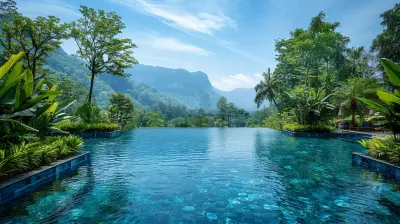
Why South America's Natural Wonders Belong on Your 2026 Bucket List
25 April 2026
Let’s be real for a second: your bucket list is probably overflowing with the same old suspects—Paris, Tokyo, New York, maybe a Bali sunset if you’re feeling spicy. But I’m here to tell you that 2026 is the year you need to rip up that list and start over. Why? Because South America’s natural wonders are calling, and they’re not just pretty postcards—they’re full-blown, soul-shaking, jaw-dropping experiences that will rewrite your definition of adventure.
Think about it: when was the last time a place made you feel truly small? Not in a bad way, but in that humbling, “wow, the planet is insane” kind of way. South America does that on repeat. From the thunderous roar of Iguazu Falls to the otherworldly silence of the Atacama Desert, this continent is nature’s greatest hits album, and it’s begging you to press play.
So, grab a coffee (or mate, if you’re feeling authentic), and let’s dive into why these wonders deserve a permanent spot on your 2026 travel plans. I promise, by the end of this, you’ll be Googling flights.
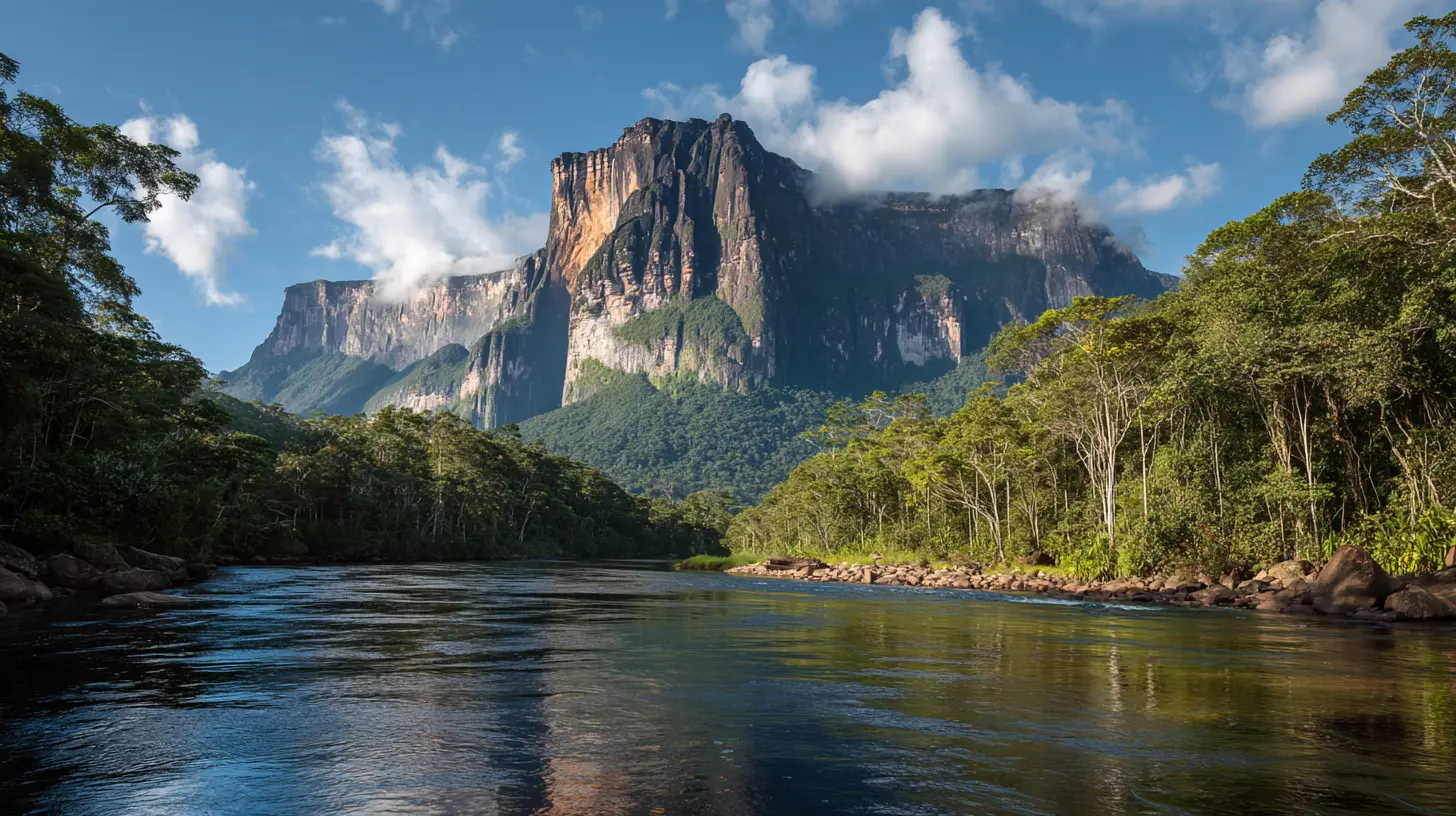
The Andes: The Backbone of the Continent (Literally)
You can’t talk about South America without talking about the Andes—the world’s longest mountain range, stretching over 7,000 kilometers like a serpent made of stone and snow. But here’s the thing: the Andes aren’t just a backdrop. They’re a living, breathing entity that shapes everything from weather to culture.Imagine standing at the top of a peak in Peru’s Cordillera Blanca, where the air is so thin it feels like you’re breathing through a straw, and the glaciers below you are the color of a bruised sky. It’s not just a hike; it’s a negotiation with gravity. Every step is a conversation between your lungs and the altitude. And when you finally reach the summit, the view isn’t just a reward—it’s a reset button for your brain.
For 2026, consider trekking the Santa Cruz Trail in Huaraz. It’s less crowded than the Inca Trail but packs the same punch. You’ll walk past turquoise lakes that look like they were photoshopped, through valleys where llamas graze like they own the place, and under stars so bright you’ll forget you ever owned a phone. The Andes don’t just belong on your bucket list; they belong in your bones.
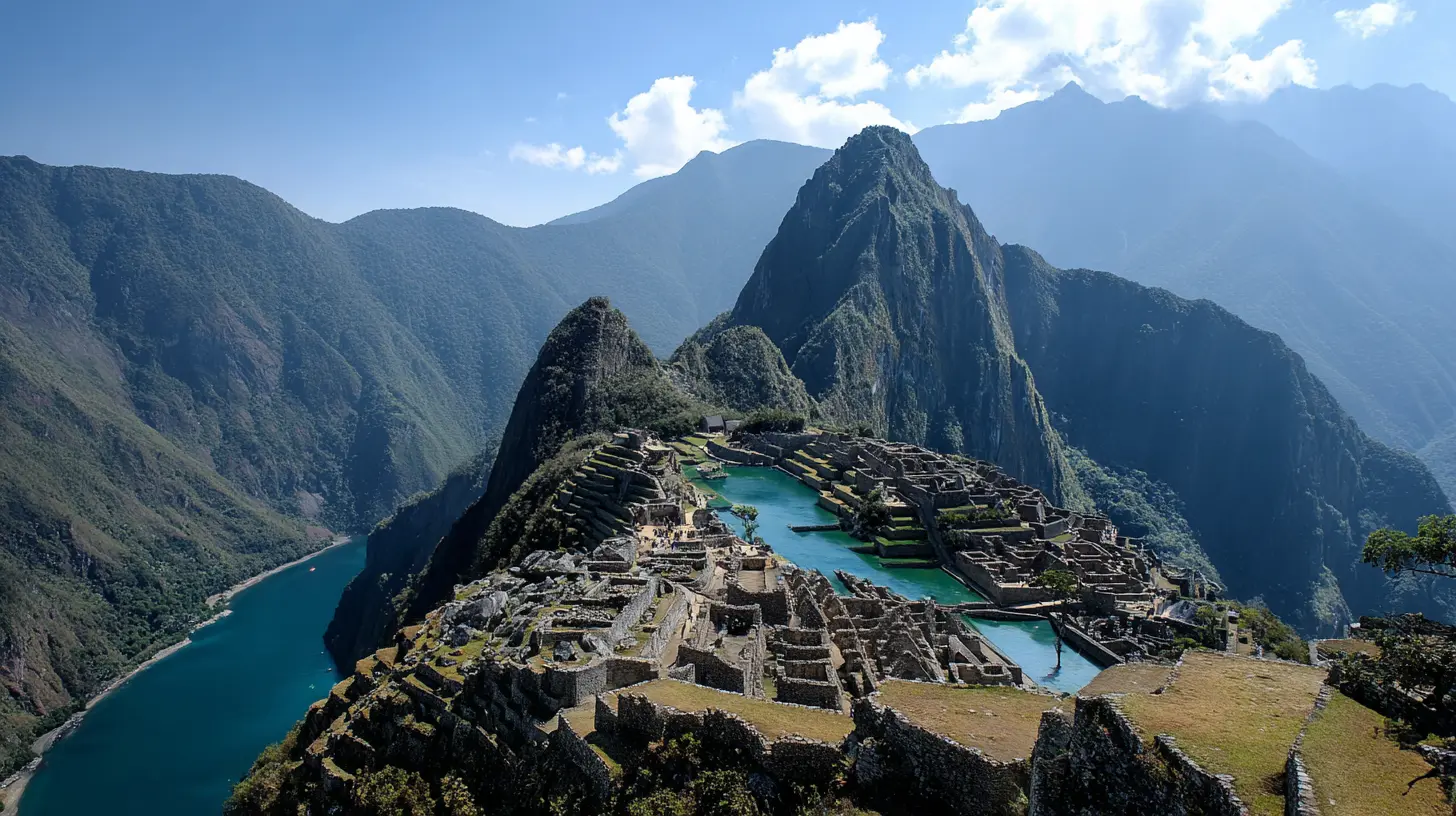
Iguazu Falls: When Water Gets Angry
Have you ever seen 275 waterfalls at once? No? Well, let me introduce you to Iguazu Falls, the place where the Iguazu River decides to lose its cool and plunge into a 2.7-kilometer-wide chasm. It’s not just a waterfall; it’s a temper tantrum from Mother Nature.Standing at the edge of the Devil’s Throat—the most powerful section—feels like standing next to a freight train made of water. The mist drenches you instantly, the roar vibrates through your chest, and rainbows explode in the spray like nature’s own fireworks. It’s the kind of place that makes you giggle uncontrollably, not because it’s funny, but because your brain doesn’t know how else to process the sheer magnitude.
For 2026, I recommend visiting from the Brazilian side first (for the panoramic view) and then the Argentine side (for the up-close fury). And don’t skip the boat ride that takes you right under the falls. You’ll get soaked, you’ll scream, and you’ll feel more alive than you have in years. Iguazu isn’t just a wonder; it’s a baptism by water.
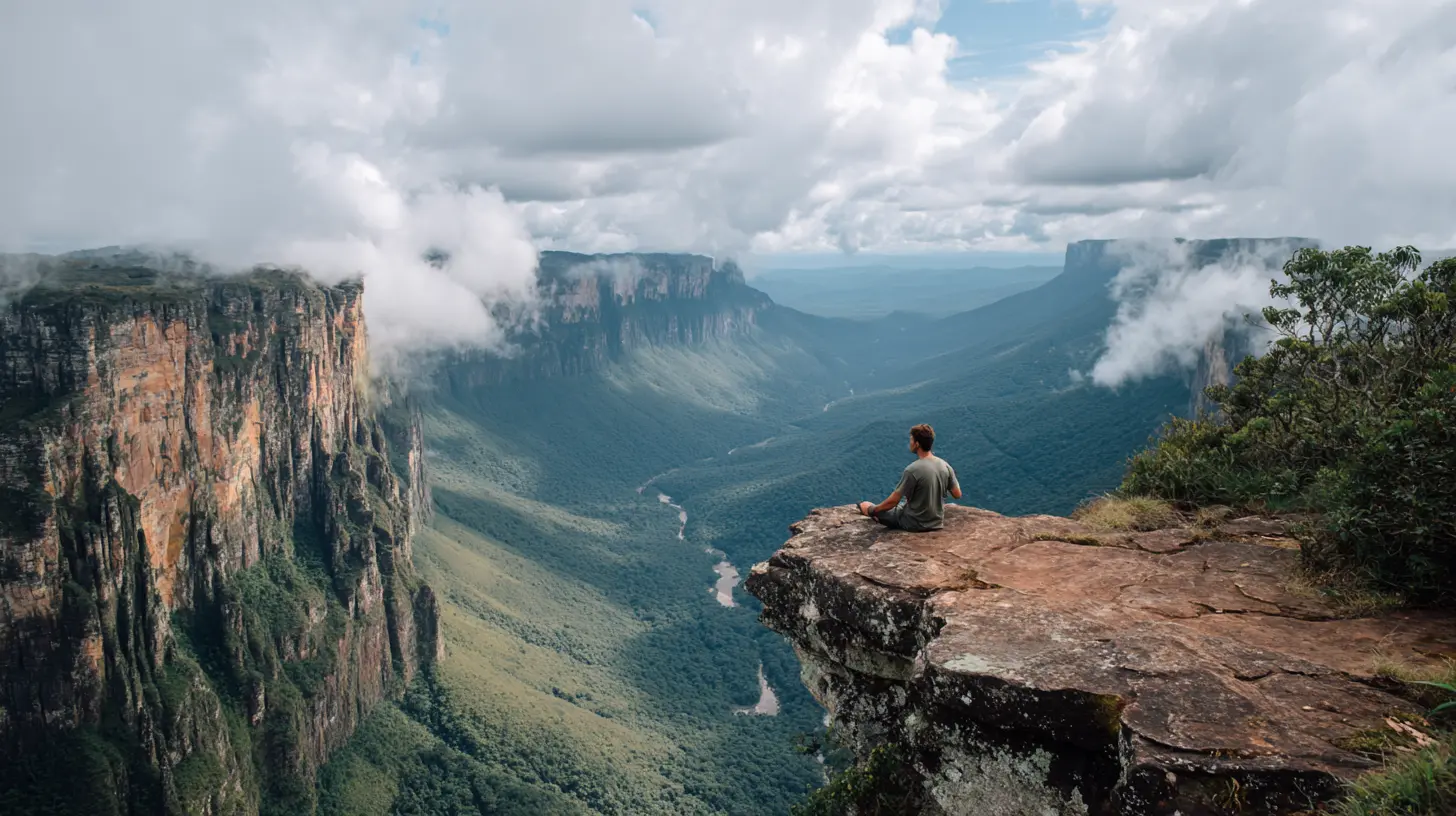
The Amazon Rainforest: The Planet’s Lungs (and Your Soul’s Gym)
Let’s clear something up: the Amazon is not a jungle. A jungle is what you see in movies—dense, dark, and dangerous. The Amazon is a rainforest, and it’s more like a living cathedral. The canopy filters the light into a green haze, the air smells like wet earth and blooming orchids, and the sounds—oh, the sounds—are a symphony of howler monkeys, toucans, and the distant drumming of rain.But here’s the kicker: the Amazon isn’t just about seeing stuff. It’s about feeling stuff. You’ll paddle a canoe through flooded forests where the trees are submerged up to their knees. You’ll watch pink river dolphins surface like ghosts. You’ll eat a grub that tastes like bacon (trust me on this one). And at night, you’ll lie in a hammock and realize the darkness is never truly dark—it’s alive with fireflies, bioluminescent fungi, and the rustle of creatures you’ll never see.
For 2026, skip the tourist lodges and book a multi-day trip with an indigenous guide. They’ll show you how to read the forest like a map, which vines hold drinkable water, and why the jaguar is both feared and revered. The Amazon doesn’t just change your Instagram feed; it changes your perspective on what “wild” really means.
Atacama Desert: Mars on Earth (No Spacesuit Required)
If the Amazon is the planet’s lungs, the Atacama Desert is its dry, dusty, and utterly beautiful skeleton. It’s the driest non-polar desert on Earth, with some areas that haven’t seen rain in 400 years. But don’t let that fool you—this place is bursting with life, color, and surreal landscapes that look like they were designed by a fever dream.Picture this: you’re standing in the Valle de la Luna (Valley of the Moon), where the ground is cracked like a lizard’s back and the sand shifts from ochre to rose to lavender as the sun sets. Or imagine floating in the salt flats of Cejar Lagoon, where the water is so buoyant you can’t sink, and the sky reflects off the surface like a mirror. And then there’s the night sky—oh, the night sky. The Atacama has some of the clearest skies on Earth, meaning you can see the Milky Way with the naked eye. It’s less stargazing and more star-swimming.
For 2026, add a trip to the El Tatio Geysers at sunrise. You’ll be shivering in the cold, surrounded by steam vents roaring like dragons, and then the sun will hit the Andes and turn everything gold. It’s a spiritual experience, even if you’re not the spiritual type. The Atacama is a reminder that beauty can exist in the most barren places.
Patagonia: The End of the World (and the Beginning of Awe)
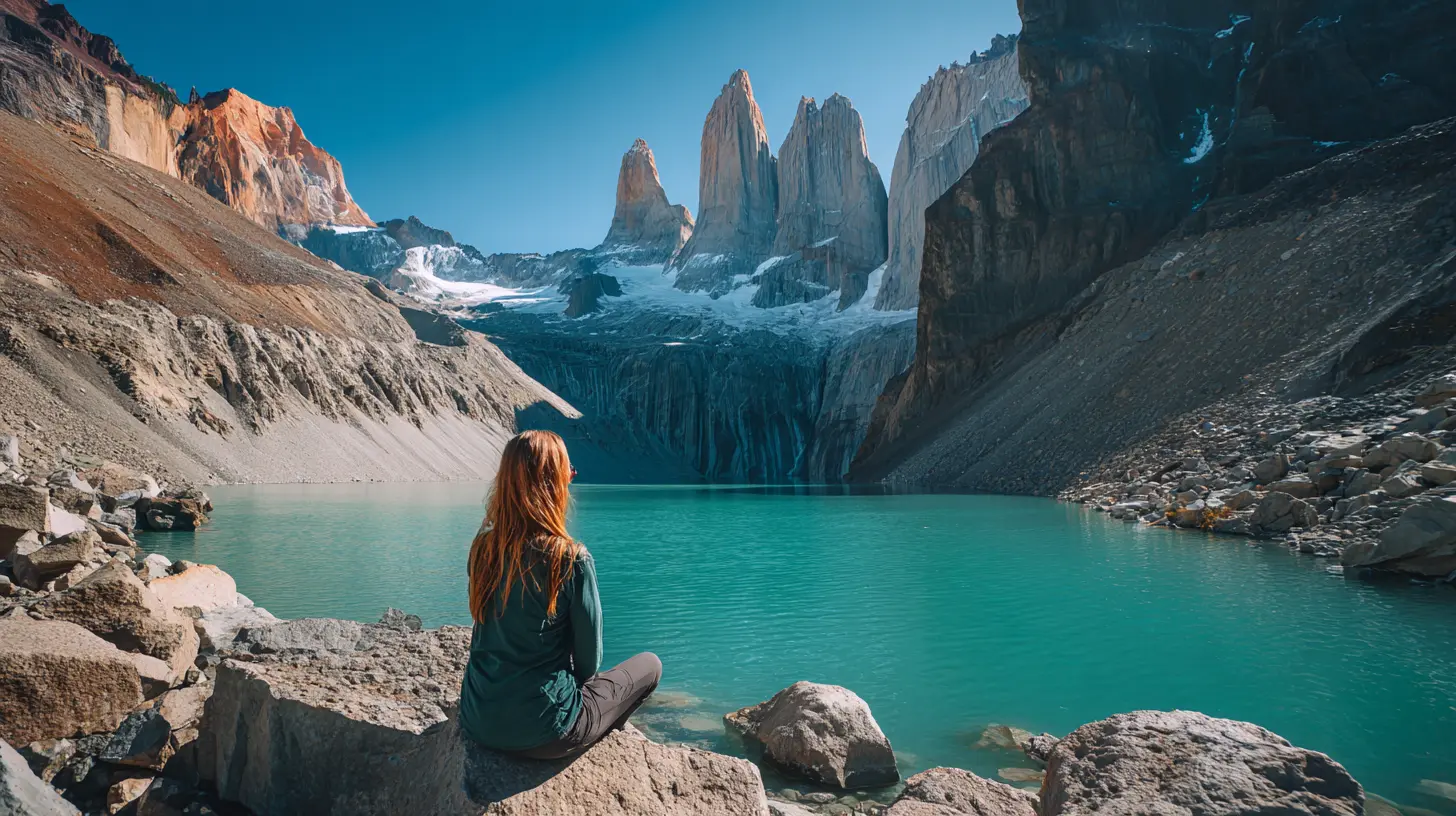
Patagonia is not a place you visit; it’s a place you survive. Not because it’s dangerous (though it can be), but because it’s so overwhelmingly vast that it feels like the Earth is showing off. Stretching across southern Chile and Argentina, Patagonia is home to granite spires, glaciers that calve icebergs the size of buildings, and wind that will knock you off your feet.Start with Torres del Paine National Park in Chile. The “W Trek” is the classic route, but for 2026, I’d recommend the “O Circuit”—a 10-day loop that takes you around the entire Paine Massif. You’ll walk through forests of twisted lenga trees, cross rivers on suspension bridges that sway like they’re alive, and camp under peaks that look like they were carved by a giant’s chisel. The highlight? The Grey Glacier. It’s a wall of blue ice that creaks and groans like a living thing. You’ll take a kayak out to touch it, and your fingers will go numb, but your soul will catch fire.
Then there’s the Argentine side: Perito Moreno Glacier. Unlike most glaciers, this one is advancing, not retreating. You can watch chunks of ice the size of cars break off and crash into the water with a sound like thunder. It’s a reminder that nature doesn’t care about your timeline. It moves on its own schedule.
Galápagos Islands: Where Evolution Throws a Party
Okay, technically the Galápagos are part of Ecuador, and they’re an archipelago, not a single wonder. But come on—you can’t talk about South America’s natural wonders without mentioning the place that made Darwin rethink everything.The Galápagos are like a petting zoo where the animals have no fear. Sea lions will swim up to you and stare at you like you’re the weird one. Giant tortoises will plod across your path like old men in a hurry. Blue-footed boobies will do their mating dance right in front of your camera. And the marine iguanas? They look like tiny dragons that forgot how to breathe fire.
For 2026, book a liveaboard cruise that visits the less-visited islands like Española and Fernandina. Snorkel with hammerhead sharks, watch albatrosses perform their courtship rituals, and hike up a volcanic crater that still smells of sulfur. The Galápagos aren’t just a wonder; they’re a time machine. They show you what the world looked like before humans took over.
Lençóis Maranhenses: The Desert That Floods
This one’s a curveball—Brazil’s Lençóis Maranhenses National Park is a desert that turns into a lagoon-filled paradise during the rainy season. The white sand dunes stretch for miles, and between them, rainwater collects into pools of emerald and turquoise. It looks like a watercolor painting that got left in the rain.You can’t drive through Lençóis; you have to hike or take a 4x4. You’ll walk barefoot across the cool sand, jump into lagoons that are warm as bathwater, and watch the sun set over dunes that shift with every breeze. It’s the kind of place that makes you believe in magic, even if you’re a cynic.
For 2026, visit between June and September, when the lagoons are at their fullest. Hire a local guide who knows the hidden spots—the ones where the water is so clear you can see your toes 20 feet down. Lençóis is a reminder that nature doesn’t follow rules. It creates beauty on its own terms.
Why 2026 Is the Perfect Year
You might be thinking, “Why 2026? Why not 2025 or 2027?” Fair question. Here’s the thing: South America’s natural wonders are not going anywhere, but the world is changing. Climate change is affecting glaciers, wildfires are threatening the Amazon, and tourism is growing faster than ever. 2026 is the sweet spot—travel is recovering from the pandemic lull, but before the crowds get insane. Plus, many South American countries are investing in sustainable tourism, meaning your visit can actually help preserve these wonders.Also, let’s be honest: you need a goal. A big, audacious, life-affirming goal. Not a “maybe next year” goal, but a “I’m booking flights now” goal. South America’s natural wonders are that goal. They’re not just places to see; they’re places to become. You’ll come back with dirt under your nails, stories that make your friends jealous, and a new understanding of what it means to be alive.
Final Thoughts: Pack Your Bags (and Your Sense of Wonder)
Look, I get it. Planning a trip to South America can feel overwhelming. The distances are huge, the languages are varied, and the logistics can be tricky. But here’s a secret: the best adventures are the ones that scare you a little. The ones that make you say, “I have no idea what I’m doing, but I’m doing it anyway.”So, for 2026, stop waiting for the perfect moment. The perfect moment is now. Book that flight to Buenos Aires, Santiago, or Quito. Rent a 4x4, lace up your hiking boots, and let the continent show you what it’s got. You’ll stand at the edge of a waterfall, breathe the thin air of the Andes, and float in a desert lagoon, and you’ll realize that the world is bigger, stranger, and more beautiful than you ever imagined.
Your bucket list is waiting. And South America is ready to blow your mind.
all images in this post were generated using AI tools
Category:
Continental TravelAuthor:

Winona Newman
Discussion
rate this article
2 comments
Dior Lee
Nature's artistry awaits; experience transformation through exploration.
April 29, 2026 at 2:34 AM
Isadora McClure
Excited to explore these wonders!
April 28, 2026 at 3:32 AM
Winona Newman
Thanks so much! I’m thrilled you’re excited—2026 can’t come soon enough for adventures like these.