Why Australia and Southeast Asia Make the Perfect Duo for 2027 Travel
24 April 2026
Picture this: you’re sipping a flat white in a Melbourne laneway café, the smell of roasting coffee beans mixing with the crisp morning air. Twenty-four hours later, you’re floating in the turquoise waters off the coast of Thailand, a coconut in hand, the sun warming your skin. Sounds like a dream, right? Well, for 2027, this isn’t just a fantasy—it’s a travel itinerary that’s more accessible, more affordable, and more exhilarating than ever before. Australia and Southeast Asia aren’t just neighbors on a map; they’re the ultimate travel duo, like peanut butter and jelly, or a surfboard and a perfect wave. Together, they offer a journey that spans from rugged outback adventures to serene tropical escapes, from cutting-edge city life to ancient traditions. So, why should you start planning your 2027 trip around this powerhouse pair? Let’s dive in.
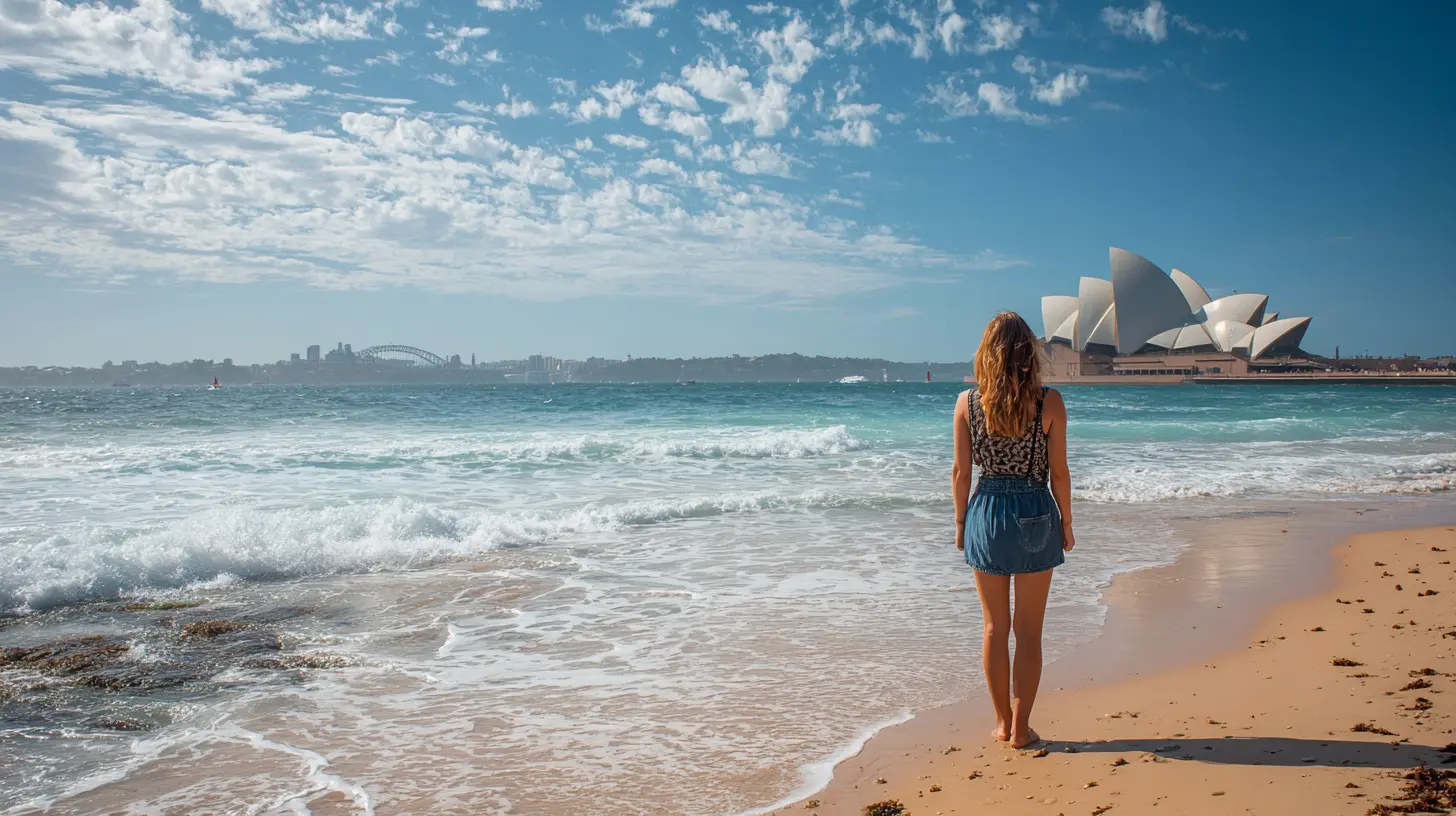
The Geography of Adventure: Two Worlds, One Flight
Let’s be real: travel in 2027 is all about maximizing your time and minimizing your jet lag. Australia and Southeast Asia sit cheek-by-jowl on the globe, with flight times that are laughably short compared to crossing the Atlantic. A flight from Sydney to Bali takes about six hours—less time than a workday. From Perth to Singapore? Just five hours. That’s shorter than a binge-watch session of your favorite series. This proximity means you can hop between continents without sacrificing precious vacation days to travel logistics. You’re not just visiting one destination; you’re unlocking a two-for-one deal on experiences.Imagine starting your trip in Australia’s Red Centre, where the sunsets paint Uluru in shades of crimson and gold. A few days later, you’re in Luang Prabang, Laos, watching saffron-robed monks collect alms at dawn. The contrast isn’t jarring—it’s exhilarating. Each leg of the journey feeds the next, like chapters in a novel you can’t put down. In 2027, with improved flight routes and budget carriers expanding their networks, this duo becomes even more seamless. Why settle for one flavor of adventure when you can have a tasting menu?

The Contrast That Captivates: From Outback to Oasis
Here’s the thing about travel: we crave novelty. We want to be surprised, to feel the thrill of the unknown. Australia and Southeast Asia deliver this in spades because they’re polar opposites in the best possible way. Australia is vast, rugged, and unapologetically wild. It’s the land of kangaroos hopping across dusty plains, of the Great Barrier Reef teeming with life beneath the waves, of cities like Sydney that feel like they’re perpetually hosting a party. It’s bold, brash, and built for adventure.Southeast Asia, on the other hand, is a tapestry of intimacy and chaos. It’s the clatter of a Hanoi street market, the scent of lemongrass and chili wafting from a night stall, the quiet hum of a temple in Bagan, Myanmar. It’s lush, layered, and deeply human. Together, they create a rhythm that keeps your senses on their toes. You might spend a week hiking in Tasmania’s Cradle Mountain, then trade your hiking boots for flip-flops to explore the rice terraces of Sapa, Vietnam. The shift isn’t just geographical—it’s emotional. Australia makes you feel small in the face of nature; Southeast Asia makes you feel connected to the pulse of life. That’s the magic of this duo: it gives you both perspectives.
2027: The Year of Seamless Travel
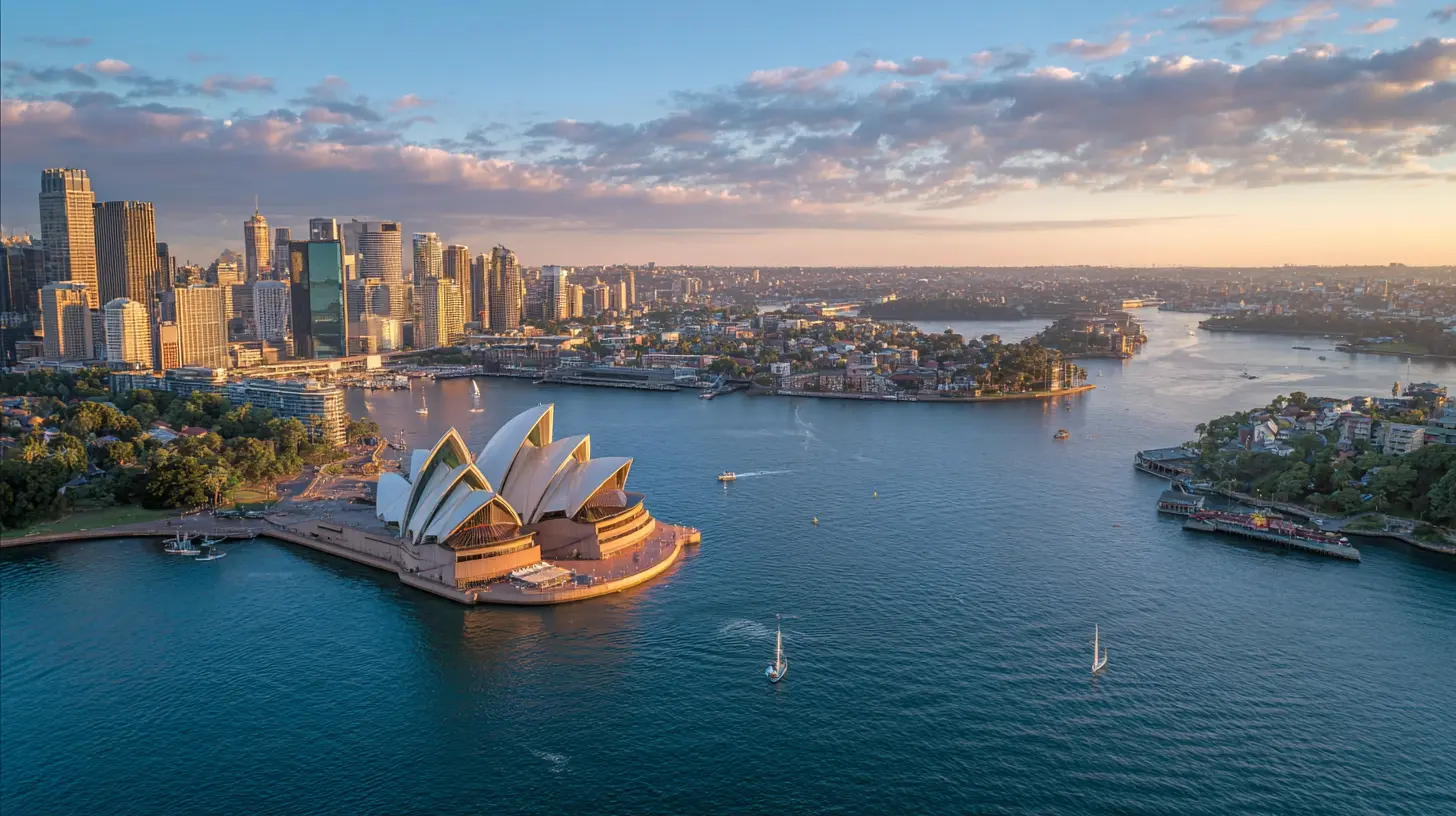
Why 2027 specifically? Good question. By 2027, the travel landscape will have evolved in ways that make this pairing even sweeter. Think of it as the sweet spot between post-pandemic recovery and future-forward innovation. Airports in both regions are investing in biometric screening and faster customs processes. Visa policies are loosening—Australians can already visit many Southeast Asian countries visa-free or with easy e-visas, and reciprocal agreements are expanding. For 2027, expect even more streamlined entry, like the ASEAN single visa proposal gaining traction.On the ground, infrastructure is booming. High-speed rail in Thailand, new airports in Indonesia’s Komodo region, and upgraded highways in Vietnam mean you can move faster and deeper. Australia isn’t slacking either: the expansion of the Western Sydney Airport and improved domestic routes make regional gems like the Kimberley or Kangaroo Island more accessible. The result? You spend less time in transit and more time actually living the adventure. It’s like having a fast-pass at an amusement park—except the ride is a sunrise over Angkor Wat or a snorkel session with manta rays.
The Budget-Friendly Balance: Splurge and Save
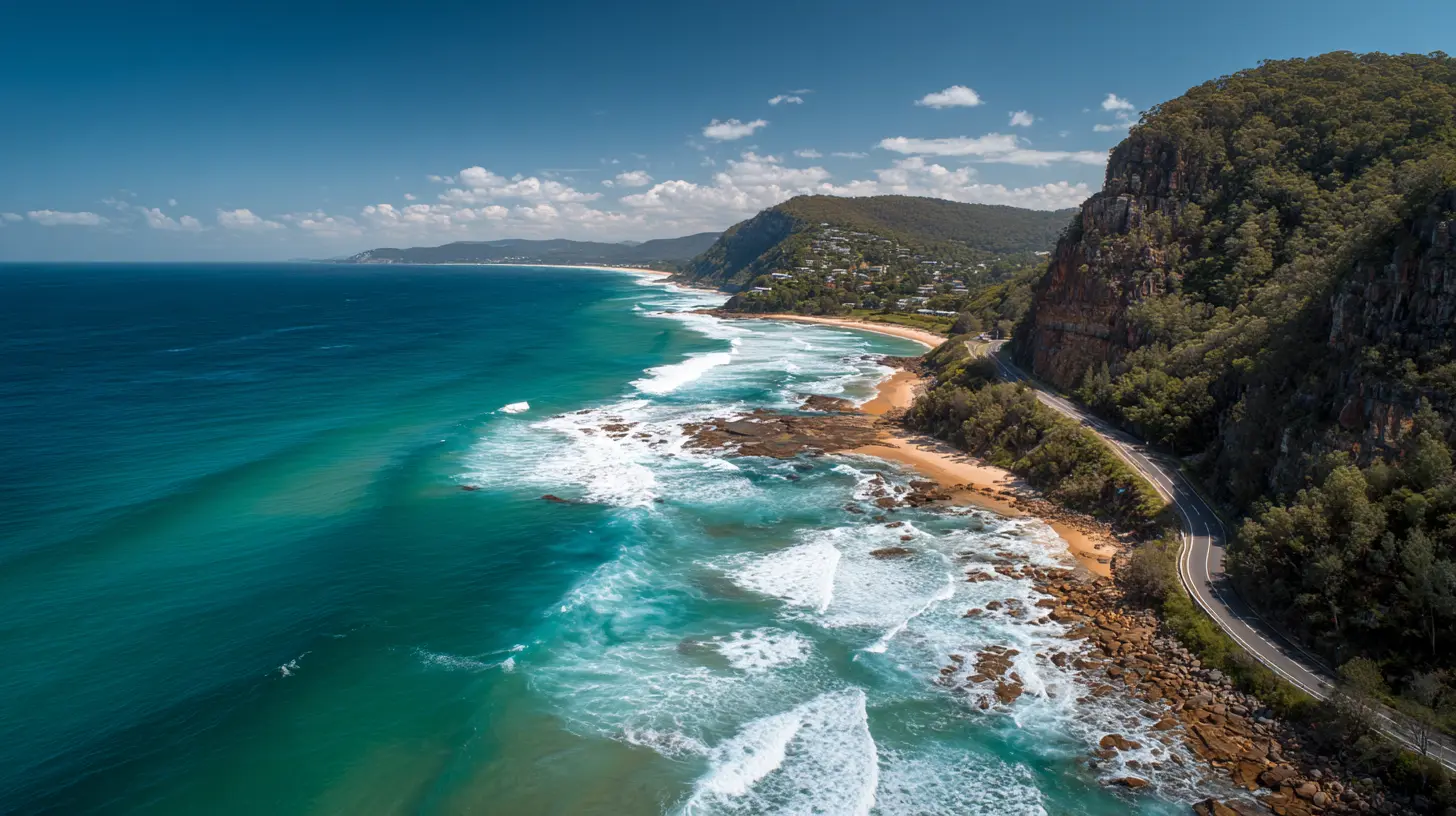
Let’s talk money, because travel isn’t just about dreams—it’s about dollars. Australia is undeniably pricier than Southeast Asia. A meal in Sydney can set you back $25 AUD, while a bowl of pho in Ho Chi Minh City costs $2 USD. Accommodation, transport, and activities follow a similar pattern. But here’s the genius of pairing them: you can balance your budget like a pro. Splurge on a few nights in a luxury lodge in the Australian outback or a boutique hotel in Melbourne’s Fitzroy. Then, fly north to Bali or Chiang Mai, where your dollar stretches like taffy.In 2027, the exchange rates are predicted to favor travelers from the West, with the Australian dollar holding steady against Southeast Asian currencies. This means you can afford that helicopter ride over the Twelve Apostles in Victoria without guilt, knowing you’ll live like royalty in Laos for the next week. It’s the travel equivalent of a cheat code: experience the high life and the local life in one trip. You’re not just saving money; you’re gaining cultural richness. A $5 cooking class in Thailand teaches you more about a place than a $200 dinner in Sydney ever could—and both are valid, wonderful experiences.
Food: The Ultimate Unifying Language
If there’s one thing that binds Australia and Southeast Asia, it’s a shared obsession with food. But oh, how different their expressions are! Australian cuisine is a melting pot—thanks to waves of immigration, you’ll find everything from Italian-style seafood in Fremantle to Korean BBQ in Brisbane. It’s refined, fresh, and often fusion-heavy. Think barramundi with native finger lime or a pavlova topped with passionfruit. It’s comfort food with a twist.Southeast Asia, meanwhile, is a riot of flavors that hit you like a freight train. The heat of a Thai green curry, the sour punch of a Vietnamese banh mi, the sweet creaminess of Indonesian gudeg—it’s unapologetic and vibrant. In 2027, food tourism is booming, and this duo offers a masterclass. You can start your trip with a degustation menu at a hatted restaurant in Adelaide, then fly to Penang, Malaysia, for a street food crawl that’ll change your life. The best part? You’ll never get bored. Each meal is a story, and you’re the narrator.
Nature’s Greatest Hits: Reefs, Rainforests, and Rice Terraces
For nature lovers, this pairing is a dream come true. Australia is home to some of the planet’s most iconic landscapes. The Great Barrier Reef is a living kaleidoscope; the Daintree Rainforest is a prehistoric wonderland; the Nullarbor Plain stretches like an endless canvas. But here’s the kicker: Southeast Asia matches this biodiversity beat for beat. The coral reefs of Raja Ampat in Indonesia rival Australia’s for sheer beauty. The rainforests of Borneo are home to orangutans and pygmy elephants. The rice terraces of the Philippines are man-made masterpieces that blend agriculture with art.In 2027, eco-tourism is no longer a niche—it’s the norm. Both regions are investing in sustainable travel, from Australia’s protected marine parks to Thailand’s closure of Maya Bay for restoration. You can snorkel with sea turtles in the Whitsundays, then trek through Sumatra’s jungles to see wild orangutans, all while knowing your footprint is lighter. It’s like having a VIP pass to Earth’s greatest hits, and you’re the star of the show.
Culture Clash: Indigenous Wisdom and Ancient Traditions
One of the most profound aspects of this duo is the depth of its cultural heritage. Australia’s Indigenous cultures—the world’s oldest continuous living cultures—offer a perspective that’s both ancient and urgently relevant. In 2027, guided tours by Aboriginal elders are more accessible than ever. You can learn about the Dreamtime, bush tucker, and the art of storytelling in places like Kakadu or the Kimberley. It’s not just a tour; it’s a lesson in living in harmony with nature.Then, you cross the Timor Sea to Southeast Asia, where traditions are equally rich but wildly different. The temple complexes of Angkor Wat, the floating markets of Vietnam, the puppet shows of Java—these are living traditions, not museum pieces. In 2027, cultural tourism is about immersion, not observation. You can stay in a homestay in a Hmong village in northern Thailand, learn batik-making in Yogyakarta, or join a meditation retreat in Myanmar. The contrast between Australia’s ancient wisdom and Southeast Asia’s vibrant rituals creates a cultural symphony that’s both humbling and inspiring.
City Life: From Sleek Skylines to Chaotic Streets
Cities are the beating hearts of any travel duo, and Australia and Southeast Asia offer two very different pulses. Australian cities are clean, efficient, and built for the good life. Melbourne is the cultural capital, with its graffiti-lined lanes, rooftop bars, and coffee culture that borders on religion. Sydney is all about that harbor—the Opera House, Bondi Beach, and a skyline that screams ambition. Brisbane and Perth are laid-back but growing fast, with a focus on outdoor living.Southeast Asian cities, by contrast, are sensory overload in the best way. Bangkok is a whirlwind of tuk-tuks, street food, and golden temples. Ho Chi Minh City is a motorbike ballet, where crossing the street is an act of faith. Singapore is the polished cousin, with its futuristic gardens and Michelin-starred hawker stalls. In 2027, these cities are more connected than ever, with budget flights and high-speed trains making multi-city hops a breeze. You can brunch in Sydney, lunch in Singapore, and dinner in Bangkok—all in the same week. It’s urban exploration on steroids.
Adventure Activities: Thrill-Seeking Across Borders
If you’re an adrenaline junkie, this duo is your playground. Australia is synonymous with extreme sports: surfing at Bells Beach, skydiving over the Great Ocean Road, scuba diving with whale sharks at Ningaloo Reef. It’s where you push your limits against the raw power of nature. In 2027, new adventure parks and ziplines are popping up in places like Tasmania and the Gold Coast, offering even more ways to get your heart racing.Southeast Asia, though, has its own brand of adventure, one that’s more about exploration than exertion. Think canyoning in Chiang Mai, volcano trekking in Bali, or cave tubing in Laos. The thrill here is often mixed with a sense of discovery—you’re not just conquering a challenge; you’re uncovering hidden wonders. In 2027, adventure tourism is blending with wellness, so you can hike to a waterfall in the Philippines and then soak in a natural hot spring. It’s a holistic high that leaves you buzzing, not broken.
Why This Duo Works for Every Traveler
Here’s the beauty of Australia and Southeast Asia as a pair: they’re not just for backpackers or luxury seekers. They work for solo travelers, couples, families, and retirees. For a family, you can start with the kid-friendly attractions of the Gold Coast—theme parks, wildlife sanctuaries, and safe beaches—then transition to the cultural wonders of Cambodia, where temples and elephants captivate all ages. For a solo traveler, you can find solitude in the Australian outback and community in a Vietnamese hostel. For a couple, you can combine romance in the Whitsundays with adventure in Laos. There’s no wrong way to do this duo; it adapts to your rhythm.Practical Tips for Your 2027 Itinerary
Ready to book? Here’s how to make the most of this pairing. Start in Australia for a week to ten days—hit the highlights (Sydney, the Great Barrier Reef, Uluru) or dive deep into one region like Western Australia. Then, fly to a Southeast Asian hub like Bangkok or Singapore. From there, you can island-hop in Thailand, explore Vietnam’s coast, or trek in Indonesia. Aim for a 2-3 week trip total, but don’t cram too much in. The secret is to leave room for spontaneity—a hidden beach, a chance encounter, a local festival.Pack light, because you’ll be moving between climates. Australia’s southern states can be cool even in summer, while Southeast Asia is tropical year-round. Layer up, and bring a reusable water bottle and reef-safe sunscreen. In 2027, sustainability matters more than ever, so choose eco-friendly accommodations and tours. And don’t forget travel insurance—it’s a small price for peace of mind.
The Verdict: A Journey That Transforms
In the end, why Australia and Southeast Asia for 2027? Because they offer more than a vacation—they offer a transformation. Australia teaches you to appreciate the vastness of the world, to stand in awe of its scale. Southeast Asia teaches you to embrace its intimacy, to find beauty in the small moments. Together, they remind you that travel isn’t about checking boxes; it’s about feeling alive. So, start planning now. 2027 is closer than you think, and this duo is waiting to rewrite your story. What are you waiting for?
all images in this post were generated using AI tools
Category:
Continental TravelAuthor:

Winona Newman
Discussion
rate this article
2 comments
Faryn Carey
This combination offers stunning diversity and unforgettable experiences. Excited to explore both in 2027!
May 5, 2026 at 2:48 PM
Valentina Hill
What an inspiring read! Combining Australia’s stunning landscapes with Southeast Asia's rich culture is a dream for travelers. 2027 promises unforgettable memories in these diverse and vibrant destinations!
April 29, 2026 at 2:34 AM
Winona Newman
Thank you! I'm glad you found it inspiring. Australia and Southeast Asia really do create a unique travel experience. Exciting times ahead for 2027!