Volunteering with Wildlife: Contribute to Conservation Efforts Worldwide
13 July 2026
Have you ever dreamed of working up close with exotic animals, rehabilitating injured wildlife, or protecting endangered species? Volunteering with wildlife gives you the chance to do just that—and more! It’s a life-changing experience that not only helps animals but also allows you to immerse yourself in nature, meet like-minded people, and make a real difference.
But before you pack your bags and go, let’s dive into everything you need to know about wildlife volunteering, from where to go and what to expect to how you can have the biggest impact. 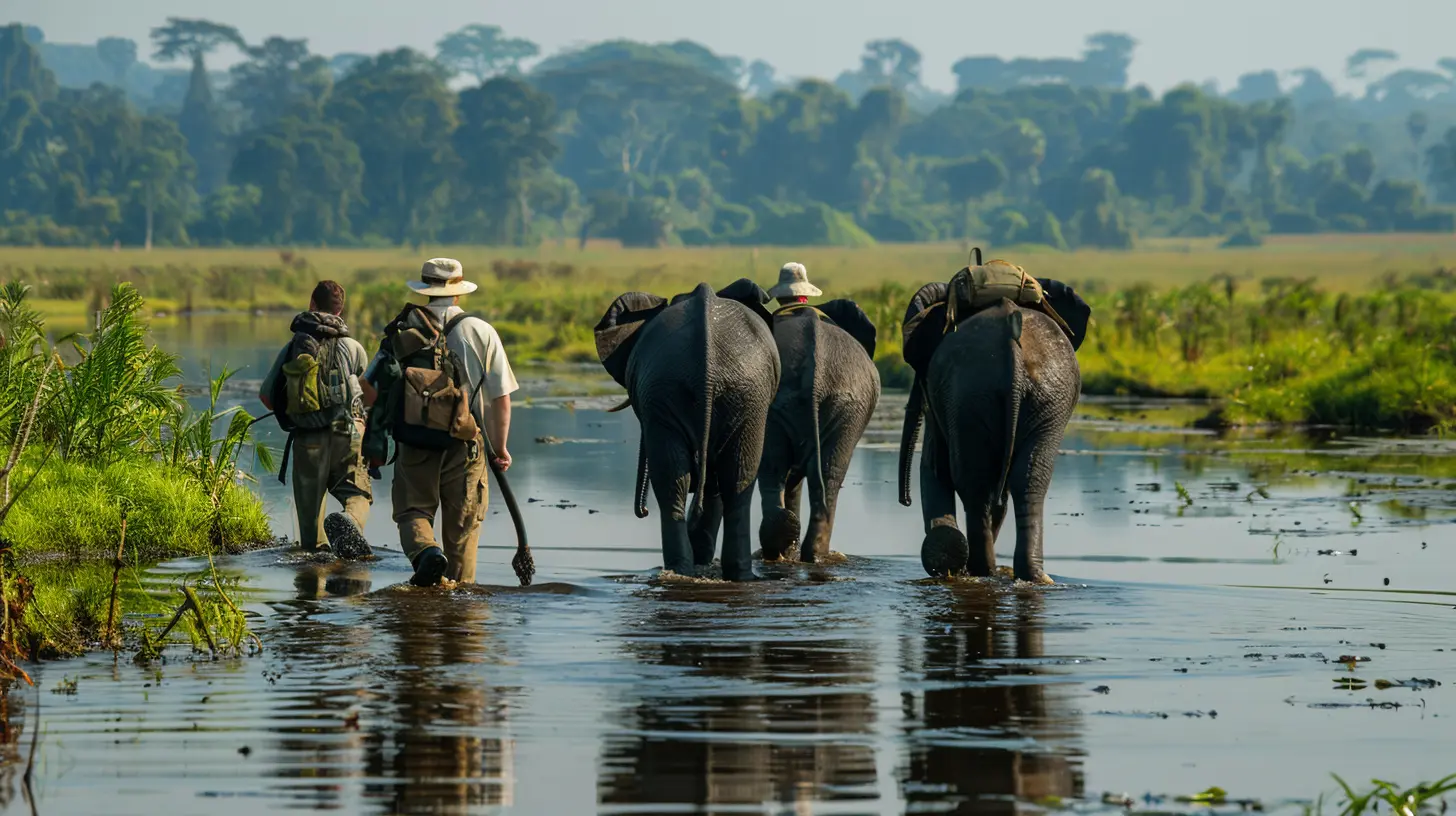
Why Volunteer with Wildlife?
Wildlife conservation is more critical than ever. Deforestation, poaching, pollution, and climate change have put countless species at risk. By volunteering, you become part of the solution, directly helping to protect and rehabilitate animals in need.But it’s not just about the animals—it’s about you too. Here’s why people from all walks of life choose to volunteer with wildlife:
- Make a real impact – Your work helps organizations that rely on volunteers to function.
- Learn new skills – From animal care to habitat restoration, there’s always something new to learn.
- Connect with nature – Experience the raw beauty of the wild like never before.
- Meet amazing people – Work alongside passionate conservationists and fellow volunteers.
- Change your perspective – Witnessing wildlife up close can be a humbling and life-altering experience.
Whether you’re a student, a gap-year traveler, or someone looking for a meaningful getaway, volunteering with wildlife offers something truly special. 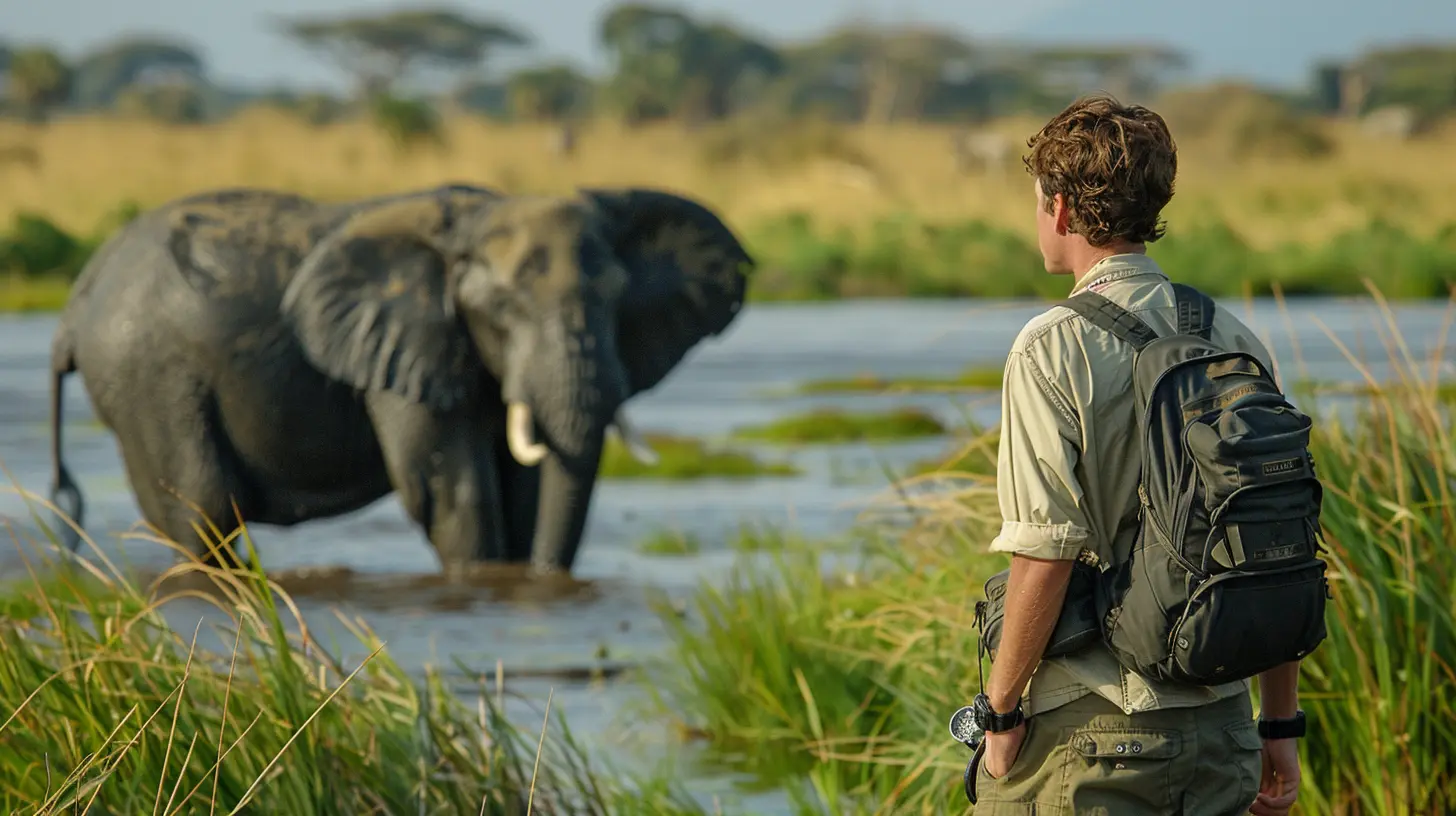
What Kind of Wildlife Volunteer Programs Exist?
Wildlife volunteering comes in many forms. Here are some of the most popular types of programs you can join:1. Wildlife Rehabilitation & Rescue Centers
These programs focus on nursing injured, orphaned, or sick animals back to health before releasing them back into the wild. Volunteers often help with feeding, cleaning enclosures, assisting veterinarians, and even raising orphaned animals.Best destinations: South Africa, Costa Rica, Thailand, Australia
2. Marine Conservation Programs
If you love the ocean, marine conservation is the perfect opportunity. Volunteers help with coral reef restoration, sea turtle conservation, shark research, and more. You might even get to scuba dive while collecting data on marine species.Best destinations: Maldives, Belize, Indonesia, Greece
3. Wildlife Research & Monitoring
Want to work closely with conservationists? Research-based programs involve tracking endangered species, collecting data, and observing animal behavior. These projects help scientists understand how to better protect wildlife.Best destinations: Kenya, Madagascar, Brazil, Canada
4. National Park & Habitat Conservation
Ecosystems need maintenance too! In these programs, volunteers help restore habitats by planting trees, removing invasive species, and even preventing wildfires.Best destinations: USA, Nepal, Ecuador, Scotland
5. Anti-Poaching & Wildlife Protection
Poaching remains a massive threat to many species. Some volunteer programs involve working with anti-poaching units, patrolling protected areas, and helping raise awareness within communities.Best destinations: Namibia, Zimbabwe, India 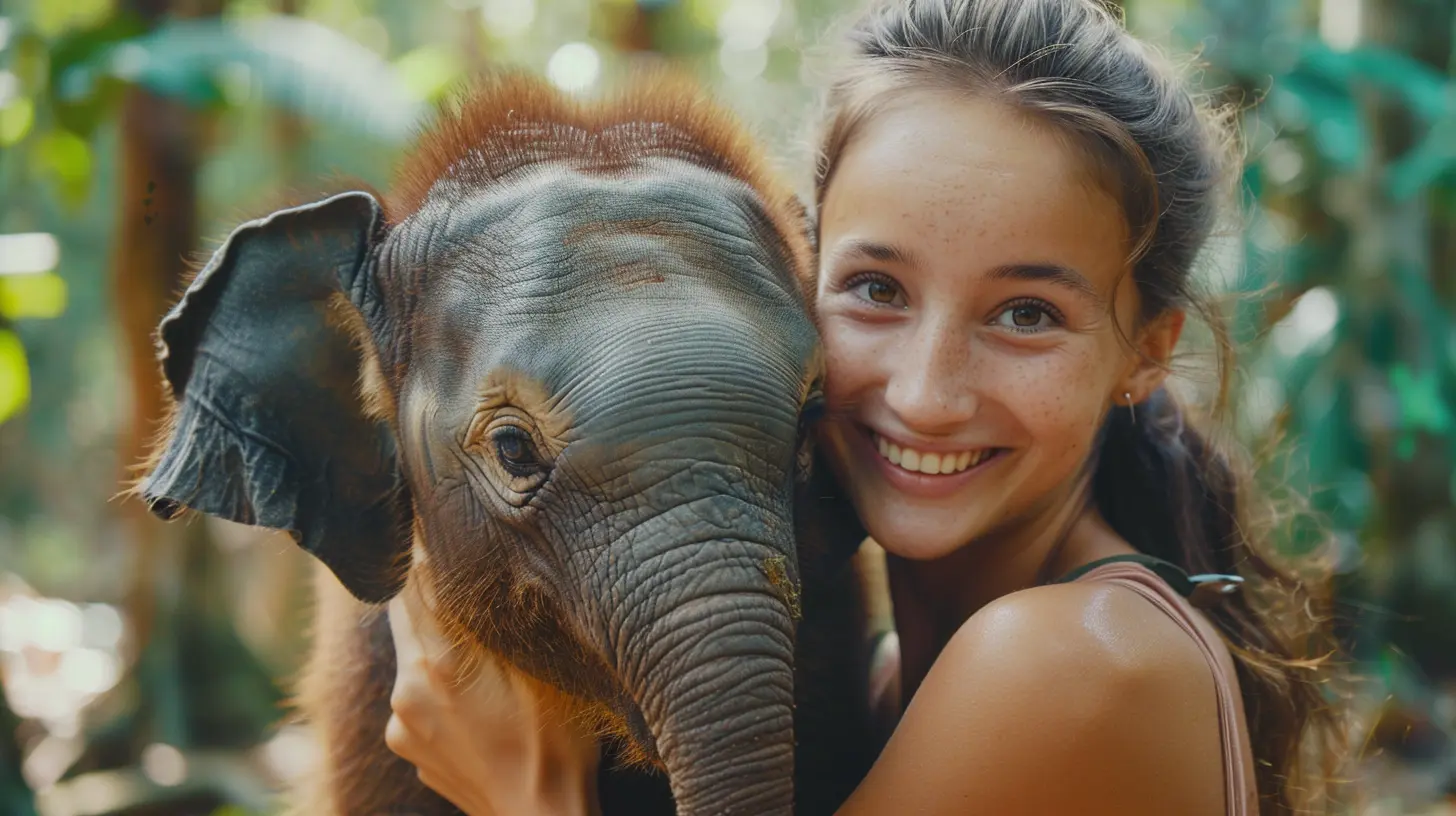
What to Expect as a Wildlife Volunteer?
Before jumping in, it’s essential to understand what the experience will actually be like. Wildlife volunteering is rewarding, but it’s not always glamorous.1. Daily Tasks
Your responsibilities depend on the program, but expect to get your hands dirty. Common tasks include:- Feeding and caring for animals
- Cleaning enclosures
- Assisting with veterinary care
- Conducting wildlife surveys
- Planting trees or restoring habitats
- Educating local communities
Some of these tasks can be physically demanding, but that’s part of the adventure!
2. Living Conditions & Accommodation
Don’t expect five-star hotels—most wildlife volunteer programs are based in remote areas, often with basic accommodations like shared dorms, eco-lodges, or tents. But what you lose in luxury, you gain in stunning natural scenery and unforgettable experiences.3. Costs & Expenses
Most programs require a fee to participate. This covers food, accommodation, training, and conservation efforts. While it may seem counterintuitive to pay to volunteer, these programs rely on funding to keep running.4. Required Skills & Experience
No experience? No problem. Most programs provide hands-on training, so all you need is enthusiasm, a love for wildlife, and a willingness to work hard. That said, if you have experience in veterinary care, biology, or environmental sciences, you might qualify for specialized roles.
How to Choose the Right Wildlife Volunteer Program
Not all wildlife volunteer programs are reputable. Unfortunately, some exploit animals or function more as tourist attractions than conservation projects. Here’s how to find ethical and impactful programs:1. Research the Organization
Look for established organizations with a clear conservation mission. Avoid programs that allow direct interaction with animals (like petting tigers or riding elephants), as these are usually unethical.2. Check Reviews & Testimonials
Hearing from past volunteers can give you insight into the program’s legitimacy and what you can expect.3. Ask About the Work Involved
Make sure you’ll be doing meaningful conservation work rather than just posing for photos or engaging in “animal tourism.”4. Know Where Your Money Goes
Ethical programs will be transparent about how they use their fees. Your money should be funding conservation efforts, not profit-driven operations.5. Consider Your Comfort Level
Some programs require more physical effort than others. Be honest with yourself about how much work you’re willing to put in.Tips for Making the Most of Your Experience
Wildlife volunteering can be one of the most rewarding experiences of your life if you go in with the right mindset. Here’s how to get the most out of it:- Be open-minded – Things won’t always go as planned, but that’s part of the journey.
- Respect wildlife & local communities – Conservation is about protecting animals, not interfering with them.
- Stay curious – Ask questions, learn from experts, and absorb every moment.
- Take care of yourself – The work can be physically demanding, so prioritize rest and hydration.
- Have fun! – It’s not every day you get to work with wildlife—enjoy every second.
Final Thoughts
Volunteering with wildlife is more than just an adventure—it’s a way to give back to the planet and make a tangible difference. Whether you’re rehabilitating injured animals, conducting research, or restoring habitats, every effort counts.If you’ve ever wanted to step out of your comfort zone and do something truly meaningful, now's the time. Find a program that aligns with your values, pack your bags, and get ready for the journey of a lifetime.
all images in this post were generated using AI tools
Category:
Volunteer TravelAuthor:

Winona Newman