Volunteering with Indigenous Communities: A Journey of Mutual Respect
20 July 2026
Have you ever felt like you needed more than just a typical vacation? That itch for purpose, to connect with people on a deeper level, and maybe even give something back?
If that sounds like you, then welcome to the world of volunteering with Indigenous communities—a journey that goes way beyond travel brochures and Instagram posts. It's a path paved with humanity, learning, and yes, a whole lot of respect.
Let’s get into the heart of what it really means to volunteer with Indigenous communities and why it might just be the most transformative adventure you’ll ever embark on.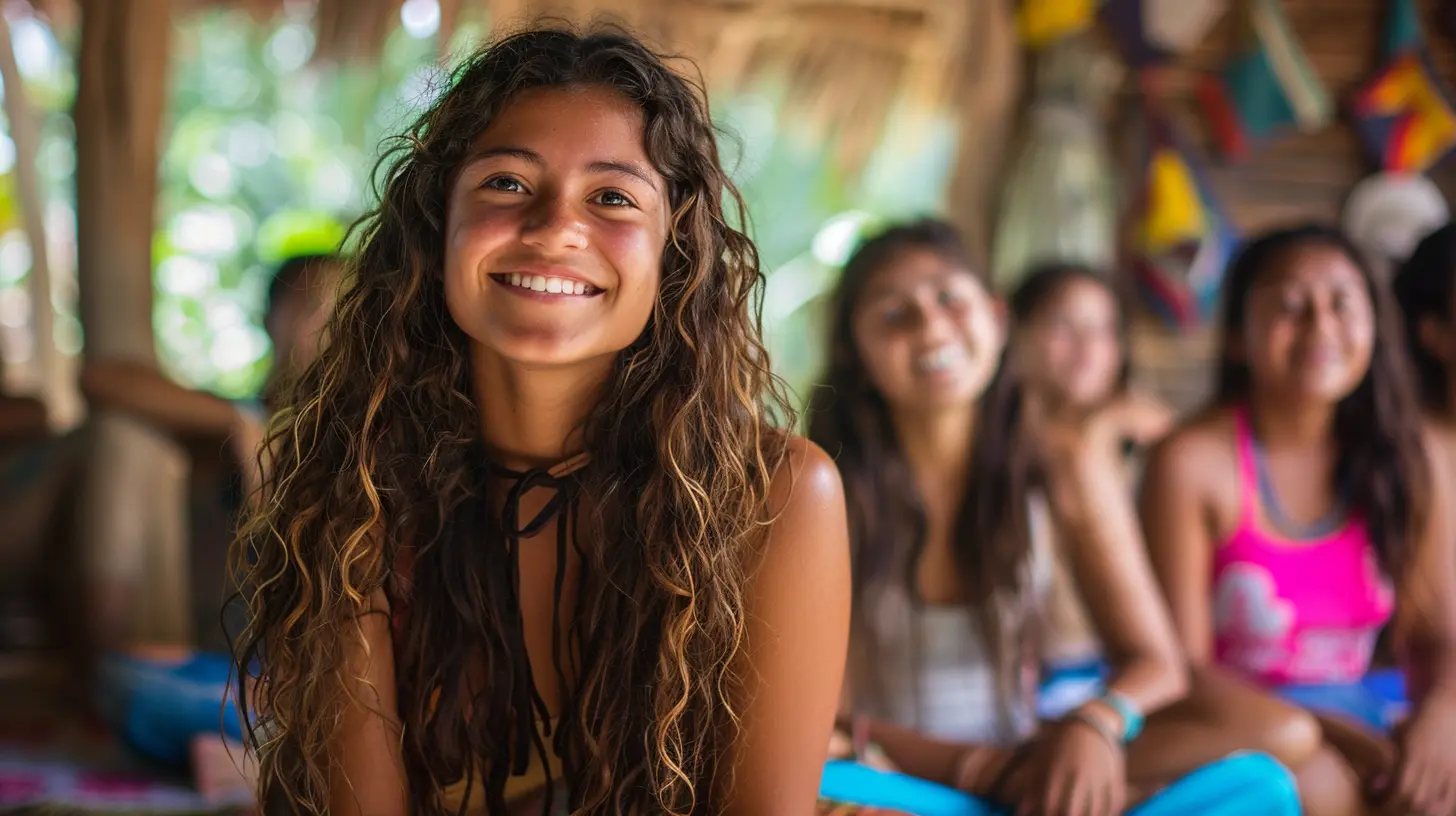
Why Volunteering With Indigenous Communities Matters
You’re not just showing up with a backpack and a smile. You’re entering into someone else's world—a rich, dynamic, deeply rooted culture that’s been shaped over centuries. Volunteering here doesn't mean playing savior. It’s about partnership. It's about listening more than speaking.Indigenous communities across the world—from the Amazon rainforest to the Australian Outback—often face challenges rooted in history: marginalization, lack of resources, and threats to their traditional way of life. As a volunteer, you’re not fixing, saving, or changing them. You're walking beside them.
Think of it this way: you're a guest at someone’s dinner table. You wouldn’t walk in and start rearranging the furniture, right? You’d ask how you can help, listen to the stories, and share a meal with gratitude. That’s the same mindset you need to bring here.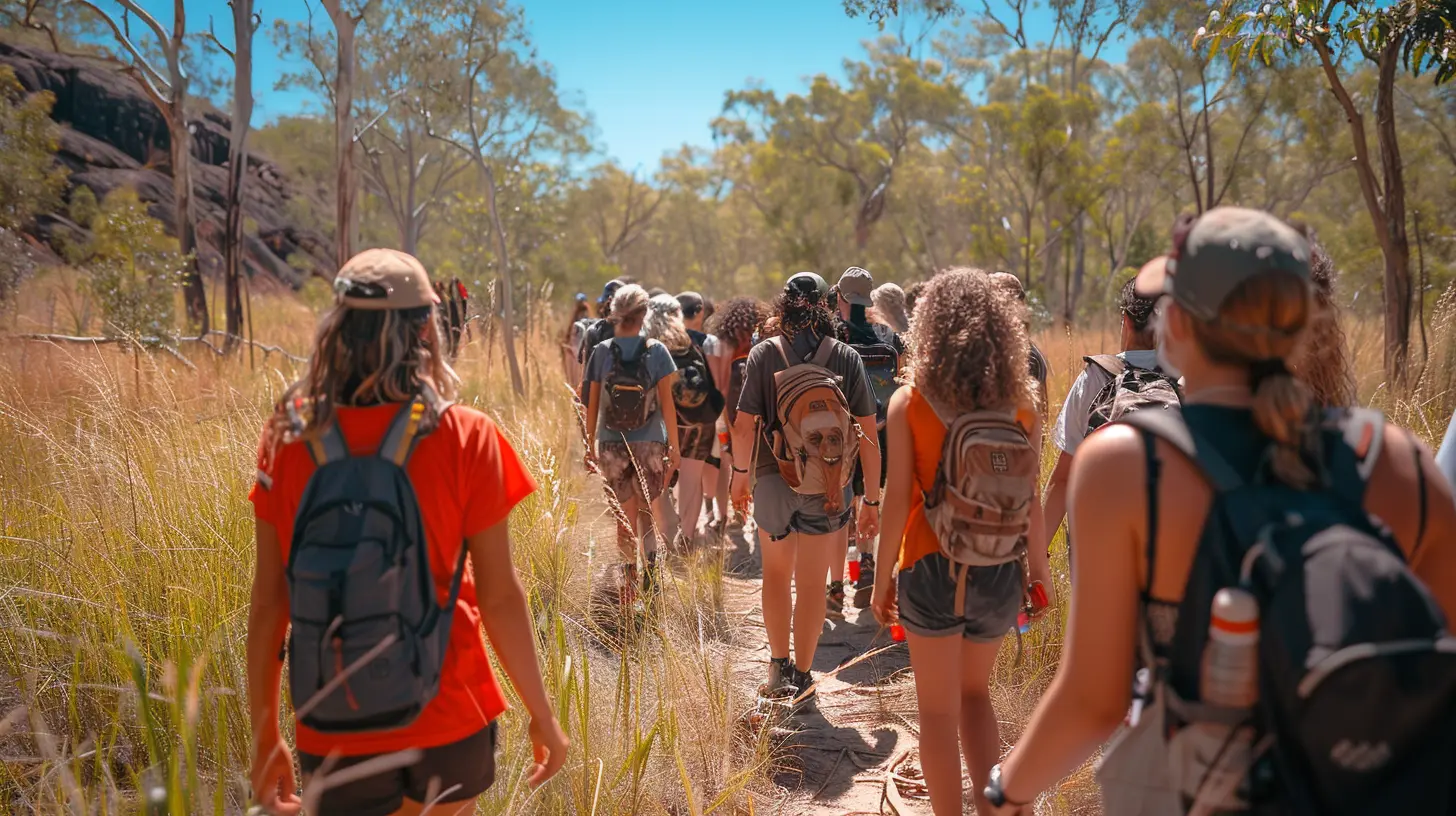
A Two-Way Street: Giving and Receiving
Here’s a truth bomb: most people who volunteer with Indigenous communities go in thinking they’re going to “help”—but wind up being the ones who are deeply changed.Yes, you might help build sustainable housing, teach in a local school, or assist in a farming initiative. But you’ll also find yourself absorbing ancient wisdom, learning about medicinal plants, listening to legends passed down for generations, and seeing the world through a lens far different from your own.
You give your time. You give your energy. But what you receive? That stays with you for a lifetime.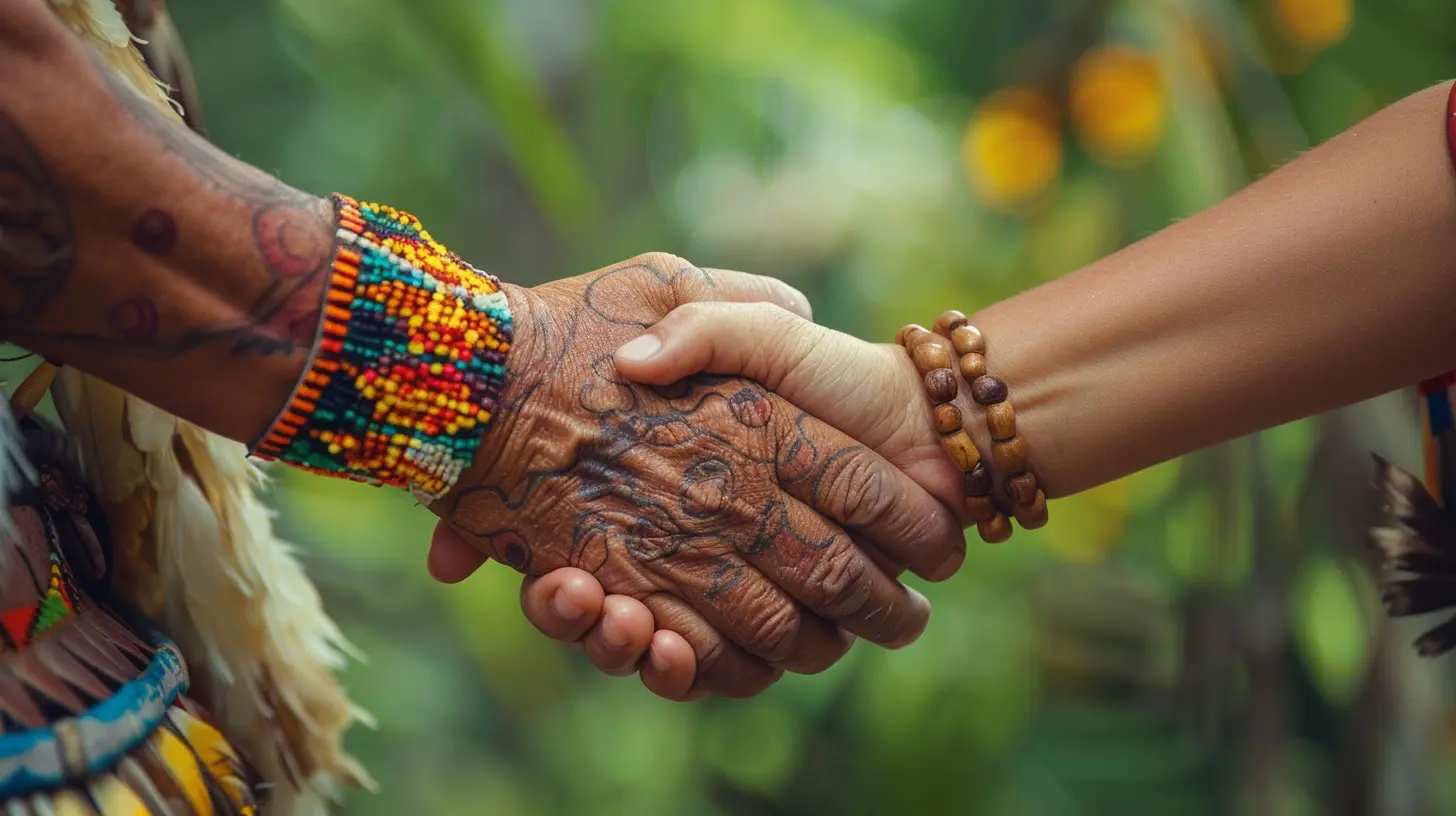
What Makes This Experience So Unique?
You could volunteer in a city program somewhere or help out in a rural town, and those experiences are valuable too. But Indigenous volunteering hits differently.Here’s why:
1. Cultural Immersion Without the Filter
You're not just learning about the culture—you’re living it. Every day. From cooking local dishes over open fires to participating in spiritual ceremonies, you’re right there in the thick of it. It's not curated for tourists. It's not surface-level. It's real.2. A Break from the Fast Lane
The pace slows down. Work runs on natural rhythms, not digital clocks. There's a certain peace in that—kind of like finally breathing after holding your breath for too long.3. Authentic Human Connection
You build bonds with people that go beyond language or background. You’ll laugh together, maybe cry, and share moments that are raw, beautiful, and unforgettable.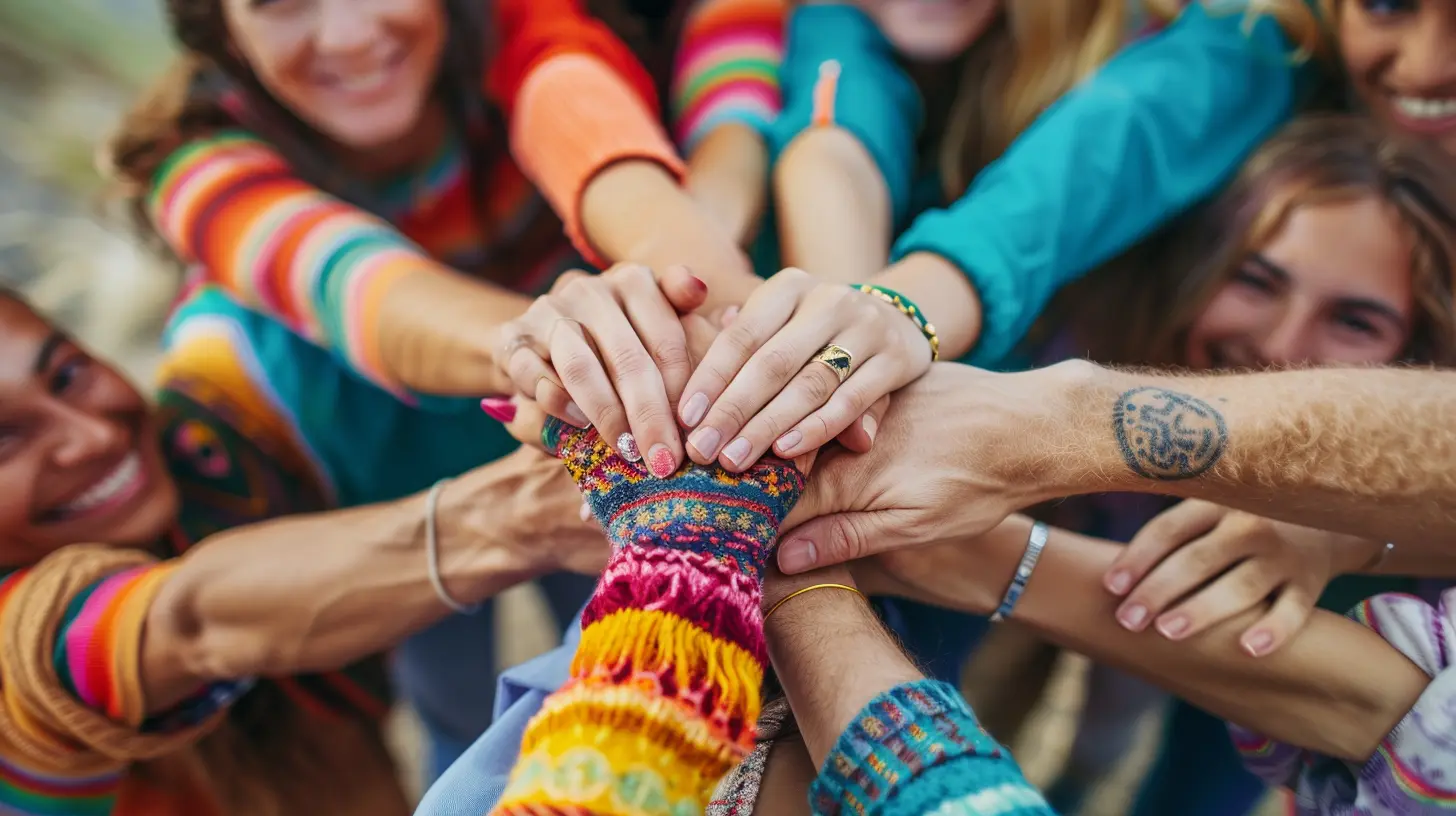
Prepping Your Heart and Mind Before You Go
Volunteering with Indigenous communities isn’t the same as hopping on a guided tour. It comes with responsibilities—emotional, cultural, even ethical.Here’s how to get yourself ready:
Do Your Homework
Before you pack your bag, do a little digging. Learn about the community you’ll be working with—their history, customs, and current challenges.Why? Because walking in blind can unintentionally come across as disrespectful. Plus, being informed helps you engage more meaningfully.
Check Your Intentions
Ask yourself, “Why am I really doing this?” If it's for Instagram likes or a résumé boost, you might want to rethink.This kind of experience requires humility. You’re not the star. You’re part of a bigger picture.
Be Open to Being Uncomfortable
Living in remote areas, unfamiliar diets, language barriers, different hygiene standards—it can all be a little jarring at first. But growth doesn’t happen in your comfort zone. And honestly? Those “weird” things often turn out to be the most memorable.Where Can You Volunteer with Indigenous Communities?
Great question. Indigenous communities exist around the globe, and many welcome respectful, committed volunteers. Here are just a few examples:1. Amazon Rainforest (South America)
Organizations offer opportunities to work with tribes on conservation efforts, sustainable farming, education, and health outreach. You could be helping protect the lungs of the Earth while learning ancient forest knowledge.2. Aboriginal Communities (Australia)
From art programs to educational outreach and health services, Indigenous Australian communities often need volunteers. It’s also a chance to connect with the world’s oldest continuous culture.3. First Nations (Canada)
In Canada, volunteers might assist with youth programs, engage in cultural exchange, or work on land stewardship projects. The First Nations people have deep ties to the land, and there’s so much to learn from their relationship with nature.4. Maasai Communities (Kenya/Tanzania)
Here, you might work on education, healthcare, or women’s empowerment projects. Be ready for warm smiles, colorful traditions, and profound stories.Best Practices for Respectful Volunteering
Let’s keep it real—good intentions aren’t always enough. The way you carry yourself matters.1. Listen More Than You Talk
This isn’t about you narrating your life story. It’s about listening—truly listening—to understand, not to reply.2. Ask for Permission
Want to take a photo? Ask. Curious about a ritual or object? Ask before touching. Respecting boundaries is key to building trust.3. Be Humble
You’re entering a space that runs on centuries-old traditions. Avoid assumptions. Be teachable.4. Contribute, Don’t Command
Be helpful, but don’t bulldoze your own ideas. Collaborate. It’s about working together, not taking over.Challenges You Might Face (And Grow From)
Let’s not sugarcoat it—it’s not always easy. But the tough moments teach you the most.- Language Barriers: These can be frustrating, but it’s amazing what you can communicate with smiles, gestures, and patience.
- Cultural Misunderstandings: You might slip up. That’s okay. Apologize sincerely, learn, and move forward.
- Emotional Tolls: Witnessing poverty, inequality, or suffering can weigh on you. But those experiences often ignite a lifelong purpose.
Writing Your Own Story Through Respect
When it’s all said and done, this journey isn’t about crossing something off your bucket list. It’s about writing your own story—one rooted in respect, understanding, and shared humanity.You’ll return home with sand still in your shoes, maybe a bit of mosquito bite here and there—but more than anything, you’ll return with a heart cracked wide open. You’ll carry the voices of the elders, the laughter of children, the wisdom of the land.
And hopefully, you’ll never see the world the same way again.
Tips for Finding Ethical Volunteer Programs
Okay, ready to go? Awesome. But let’s make sure the program you choose is doing things the right way.Look for Programs That:
- Are community-led or at least heavily involve local leadership- Focus on long-term impact
- Provide cultural sensitivity training
- Are transparent about funding and where your money goes
Red Flags to Watch Out For:
- Programs that treat communities like tourist attractions- Lack of local involvement
- Vague descriptions of your role or impact
Final Thoughts: More Than Just an Experience
Volunteering with Indigenous communities isn’t a checkbox on your world traveler résumé. It’s a tapestry of shared moments, mutual learning, and growth. It’s changing your lens, stepping into someone else’s world, and walking away forever altered.So if your heart is pulling you toward something deeper than just sightseeing, if you’re craving connection and groundedness in a time of constant scrolling, maybe it’s time to answer that call.
Not as a savior. Not as a tourist. But as a fellow human—ready to walk in respect.
all images in this post were generated using AI tools
Category:
Volunteer TravelAuthor:
Winona Newman