Volunteering in Healthcare: Providing Aid to Global Communities
27 July 2026
Have you ever found yourself wondering how you could make a real difference in the world? Like, beyond donating a few dollars or sharing a post online? If so, volunteering in healthcare might be your calling. It’s about rolling up your sleeves, stepping into the heart of communities in need, and offering care, compassion, and healing—no matter where in the world that may be.
Sounds like a big leap, right? But here’s the truth: ordinary people—just like you and me—are out there making extraordinary impacts through healthcare volunteering. Whether you’re a seasoned medical professional, a student with a passion for medicine, or someone just looking to help, there’s a place for you in this global movement of compassion.
Let’s break it down, see what it really means, and how you can be part of this global story of giving, healing, and human connection.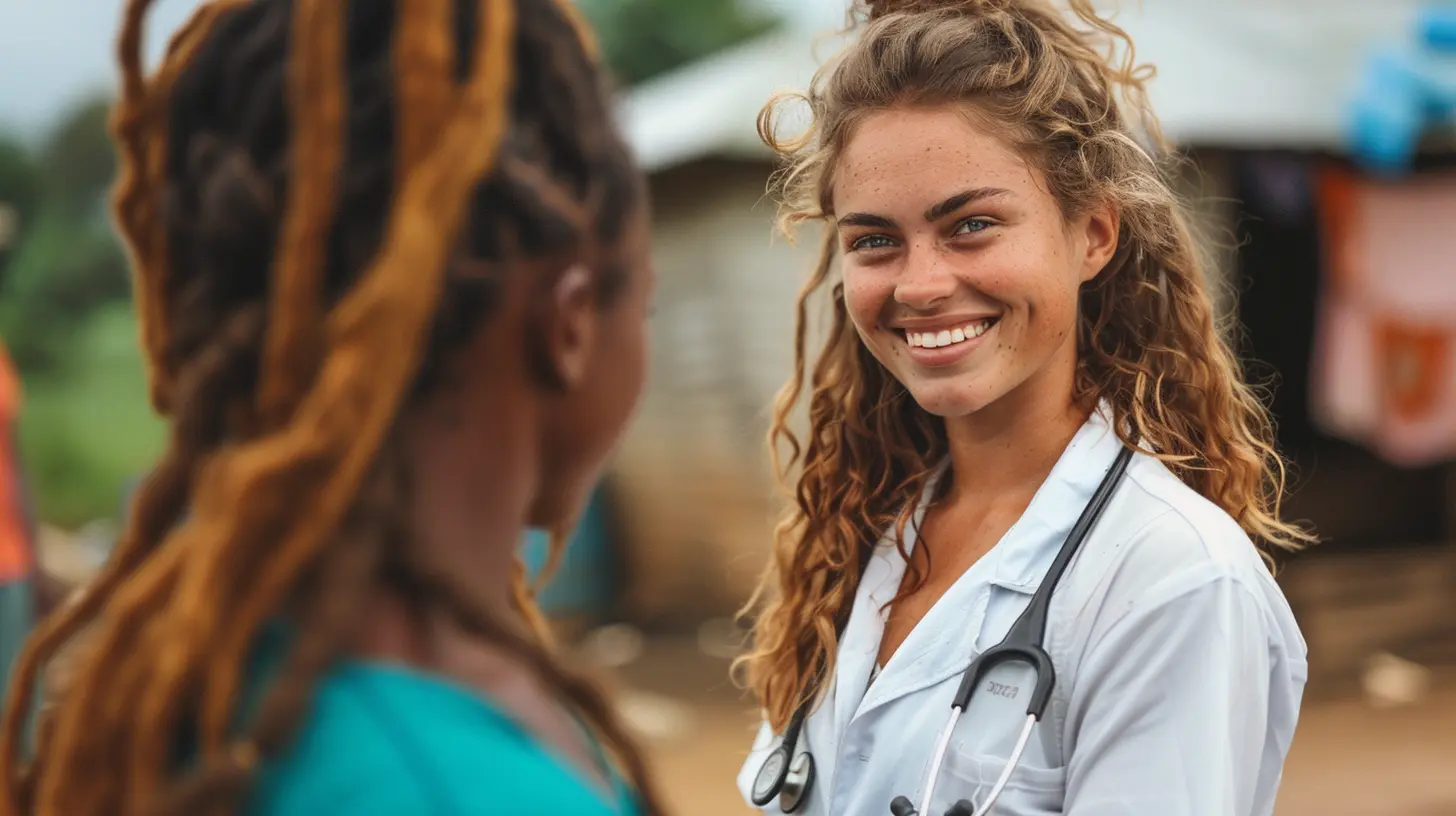
What Is Volunteering in Healthcare?
Volunteering in healthcare is about offering your time, skills, and heart to serve communities that lack access to quality medical care. It can take many forms—from direct patient care and health education to administrative support and public health awareness.You might be assisting in a rural clinic in Uganda, helping with vaccinations in remote Nepalese villages, or offering mental health support in post-disaster zones. No matter the role or location, the core mission remains the same: serving humanity by promoting health and well-being.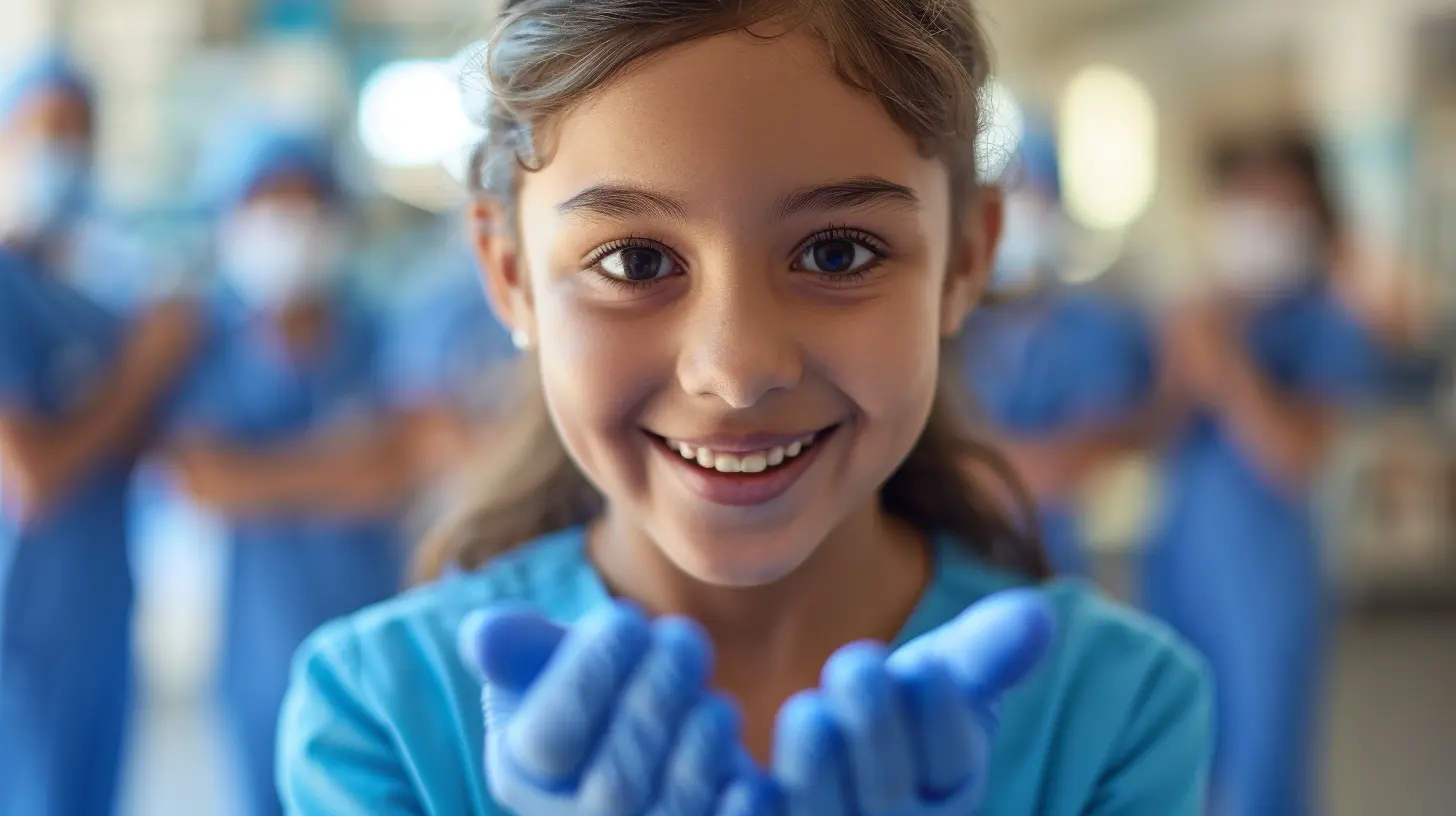
Why Healthcare Volunteer Work Matters
Let’s get real—millions of people worldwide don’t have access to basic healthcare. We're talking about clean water, antibiotics, vaccinations, or even just a check-up. For some, seeing a doctor is a luxury they simply can’t afford or access.So, what happens when you step in as a volunteer?
You become more than a helper. You become a lifeline. You become hope wrapped in scrubs and empathy. Volunteering in healthcare bridges the humbling gap between what people need and what’s available.
A Global Health Crisis
Let’s look at the bigger picture for a second.- More than half of the world’s population lacks access to essential health services.
- Low-income countries face chronic shortages of medical staff and resources.
- Diseases that are easily treated in developed nations are often fatal elsewhere.
These aren’t just numbers—they’re real people, living real lives, struggling with preventable illnesses.
Who Can Volunteer in Healthcare?
Here's the good news: You don’t need to be a doctor to help.Of course, medical professionals—doctors, nurses, paramedics, therapists—are in high demand. But even if you don’t have clinical experience, there are countless ways to contribute.
Medical Students and Interns
If you're studying medicine or nursing, volunteering abroad can be an eye-opening, real-world classroom. You’ll learn more in a month on the ground than you might in a semester of lectures. And yes, you’ll be supervised, trained, and guided every step of the way.Non-Medical Volunteers
Don’t have a healthcare background? No worries. Tasks like administrative support, health education, fundraising, logistics, and even translation assistance are crucial too. Everyone plays a role in the healing process.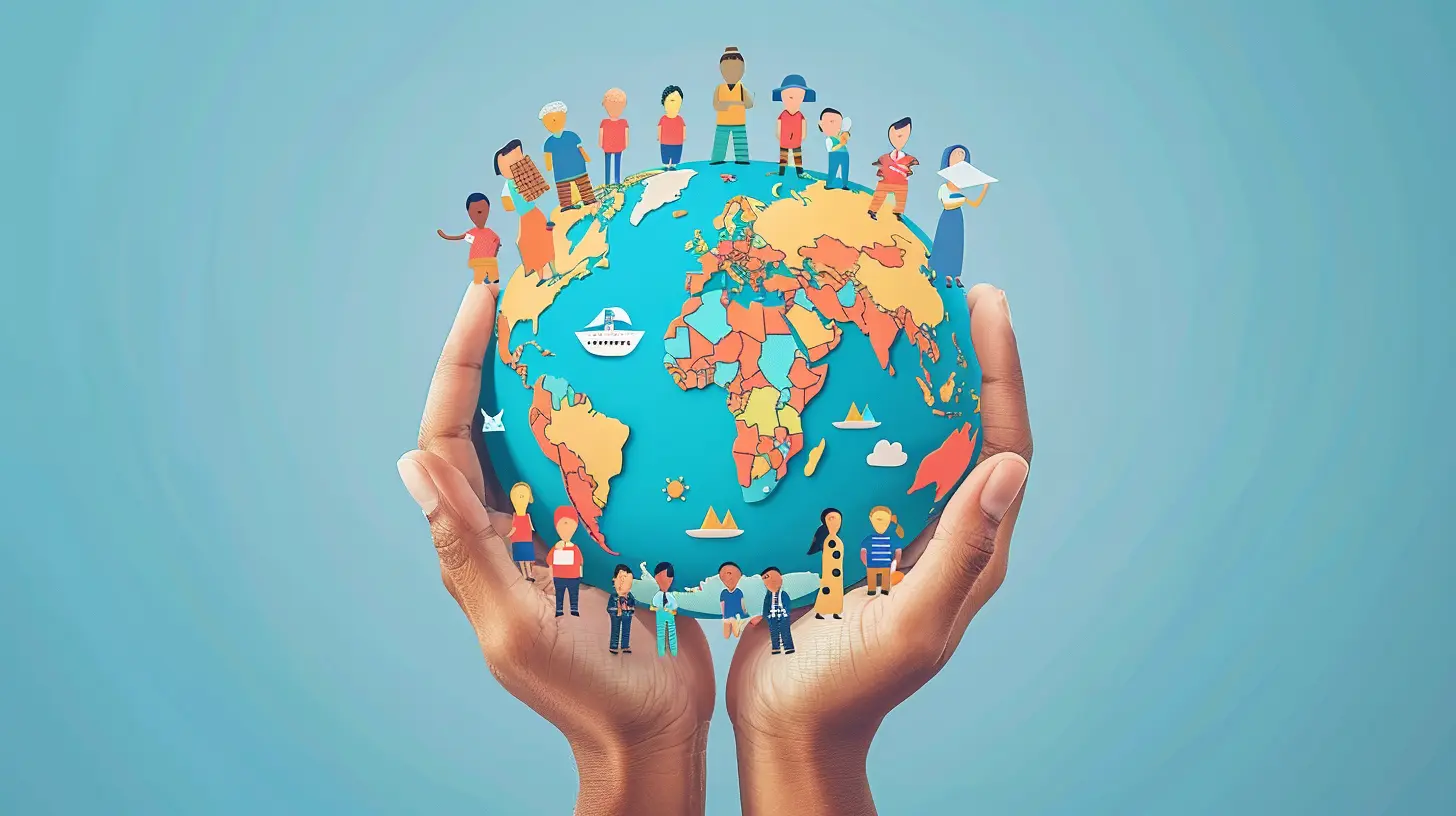
Top Destinations for Healthcare Volunteering
So, where can you go to make an impact?1. Africa
Countries like Kenya, Tanzania, and Ghana have long been hotspots for healthcare volunteering. You might work in under-resourced hospitals, rural clinics, or mobile health camps reaching remote villages.2. South America
Peru, Bolivia, and Ecuador often welcome volunteers to support in areas such as maternal health, nutrition, and community medicine.3. Asia
India, Nepal, Cambodia, and the Philippines offer diverse healthcare programs. Whether it's distributing medicine or assisting in surgical camps, there's always work to be done.4. Caribbean & Central America
Island nations and countries like Guatemala and Honduras often lack sufficient healthcare infrastructure. Volunteers here often assist in disaster response, dental clinics, or child wellness programs.Types of Volunteering Opportunities
Your role will depend on your background, interests, and the needs of the community you’re serving. Here's a quick peek at what you could be doing:1. Medical Missions
These are short-term trips where healthcare teams provide free services—check-ups, surgeries, dental care—in underserved areas.2. Community Health Education
Teaching locals about disease prevention, basic hygiene, nutrition, and sexual health can be life-changing. Sometimes, knowledge really is the best medicine.3. Public Health Campaigns
Volunteers help with vaccination drives, malaria prevention, mental health awareness, and sanitation projects.4. Rehabilitation and Therapy
If you’re a physiotherapist or occupational therapist, your skills are golden in post-operative care or for patients with disabilities.5. Emergency Response
After disasters—natural or man-made—volunteer medical teams are often the first responders. It’s tough, emotional, but crucial work.The Heart Behind It All
We talk a lot about skills and logistics—but let’s not forget the heart.Volunteering in healthcare isn't just about fixing broken bones or curing infections. It's about human connection. It’s listening to a patient’s fears, celebrating their small victories, and holding their hand when they need comfort.
We often go in thinking we’re the ones teaching or healing. But truth be told? The people we help end up teaching us far more—about resilience, about kindness, about the strength of the human spirit.
Challenges You Might Face
Okay, let’s not sugarcoat it—healthcare volunteering abroad isn’t all smiles and sunshine.There will be moments when things get tough. Limited resources, language barriers, different standards of care, and cultural misunderstandings can make things feel overwhelming.
But here’s the thing: those challenges? They grow you. They make you adaptable, empathetic, and deeply aware of life beyond your own bubble.
How to Get Started
Ready to dive in? Here’s how to kick off your volunteering journey:1. Choose the Right Program
Not all volunteering programs are created equal. Look for organizations with ethical practices, transparent goals, and genuine community partnerships.Make sure they offer proper orientation and support—especially if you’re traveling for the first time.
2. Consider Your Skills & Interests
Pick a role that fits your background and passion. The more aligned you are with your duties, the deeper your impact will be.3. Plan Ahead
Take care of the basics—visas, vaccinations, travel insurance, and cultural research. You’ll want to show up prepared and respectful.4. Fundraise If Needed
Some programs have fees to cover housing, food, and local staff. Don’t let that hold you back—many people successfully raise funds through community support or crowdfunding platforms.Real Stories, Real Impact
Let me tell you about Sarah, a nurse from Canada, who spent three months volunteering at a health post in rural Malawi. She didn’t just hand out medication—she trained local midwives, helped build a maternity ward, and played soccer with the kids after clinic hours.Or Dan, a med student from Australia, who joined a surgical camp in the Philippines. He scrubbed in, observed procedures, and saw firsthand how a smile returned to a child’s face after a cleft palate surgery.
These aren’t just feel-good stories. They’re proof that when you show up, lives change—including yours.
Tips to Make the Most of Your Experience
- Stay Curious: Ask questions, soak up knowledge, embrace the unexpected.- Be Respectful: You’re a guest in someone else’s country. Listen more than you speak.
- Practice Gratitude: It’s easy to complain about slow Wi-Fi. Instead, appreciate the beauty of resourcefulness.
- Document Your Journey: Journaling or blogging helps process your experiences—and might inspire others to follow in your footsteps.
Long-Term Impact and Legacy
What happens when you leave?Good programs focus on sustainability. That means empowering local communities, not creating dependency. As a volunteer, your role should be to support—not replace—local healthcare systems.
And your legacy? It’s not just the patients you treat or the programs you support. It’s the stories you carry home, the perspectives you gain, and the ripple effects you inspire in your own community.
Final Thoughts
Volunteering in healthcare isn’t just a trip. It’s a journey of the heart. A chance to use your skills, time, and compassion to light up someone else’s world—if only for a moment. And in doing so, your world gets a whole lot richer too.So, ready to leave footprints of kindness around the globe?
Your scrubs might get dirty. Your heart may break and expand all at once. But one thing’s for sure—you’ll never be the same again.
all images in this post were generated using AI tools
Category:
Volunteer TravelAuthor:
Winona Newman