Using Leading Lines and Patterns to Enhance Your Travel Photos
8 January 2026
Ever looked at a travel photo and thought, "Dang, this could be in National Geographic!"? Well, chances are, that epic shot wasn’t just pure luck. There’s a little bit of photo wizardry involved—a couple of sneaky tricks that play with your eyes and drag your attention right where the photographer wants it. Two of the coolest tricks in the book? Leading lines and patterns.
Sounds artsy-fartsy? Maybe. But trust me, once you get the hang of using leading lines and patterns, your travel photography will go from “meh” to “WOW” faster than you can say “cheese!”
So, grab your camera (or your phone—let’s be real), and let’s break this down in a fun, simple way that even your dog’s Instagram account followers could understand.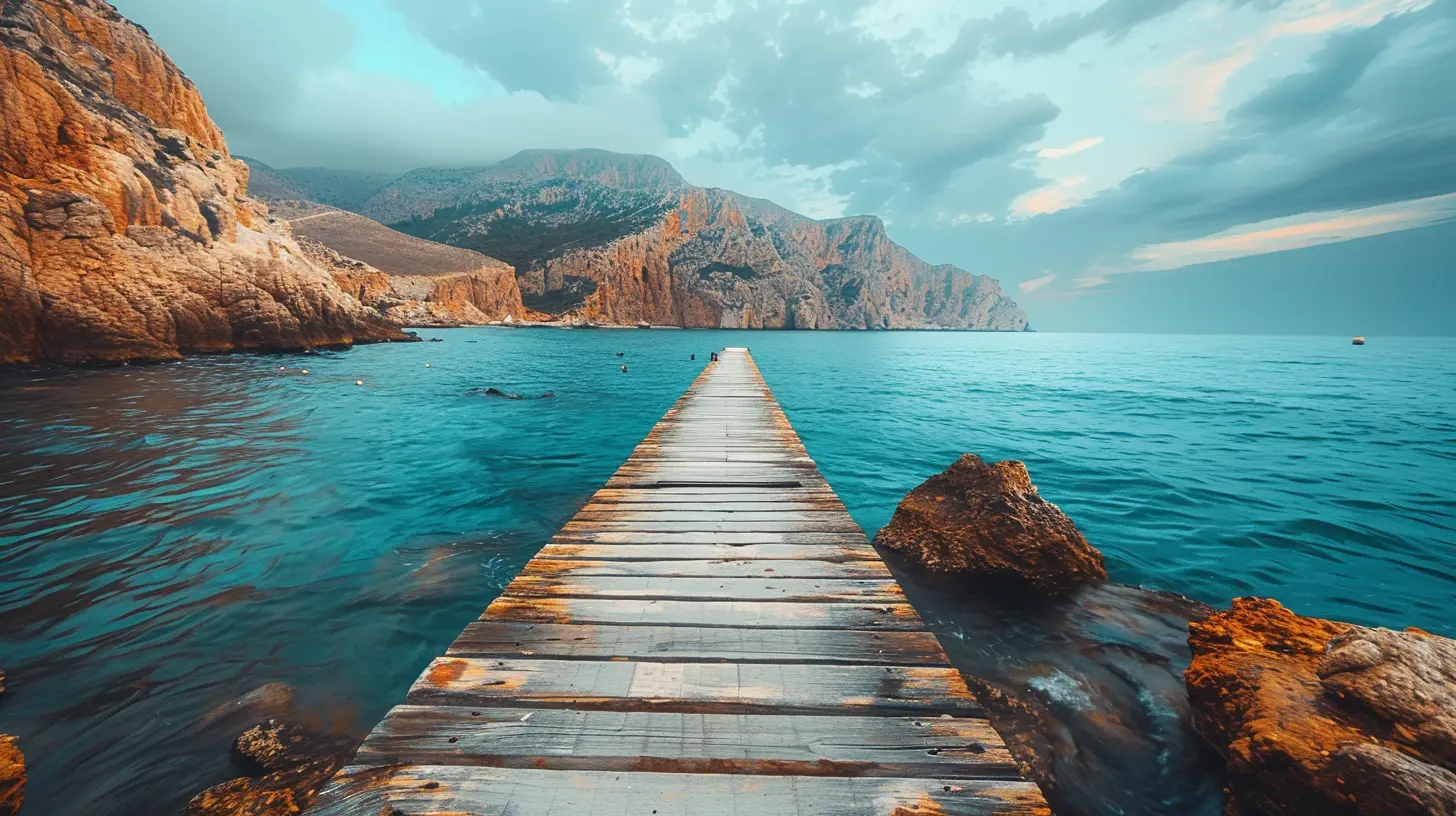
What Are Leading Lines Anyway?
Picture this: you're walking down a rail track (don’t do this, by the way — it's dangerous), and the rails stretch out into the horizon. Your eyes follow them, right? Boom. That’s a leading line.📷 Leading Lines 101:
Leading lines are visual elements—like roads, fences, rivers, hallways, even shadows—that guide a viewer’s eyes from one part of the photo to another, usually toward the subject.They're like the red carpet of photography. They roll out the way for your viewer’s gaze, saying, “Come this way, the magic’s over here!”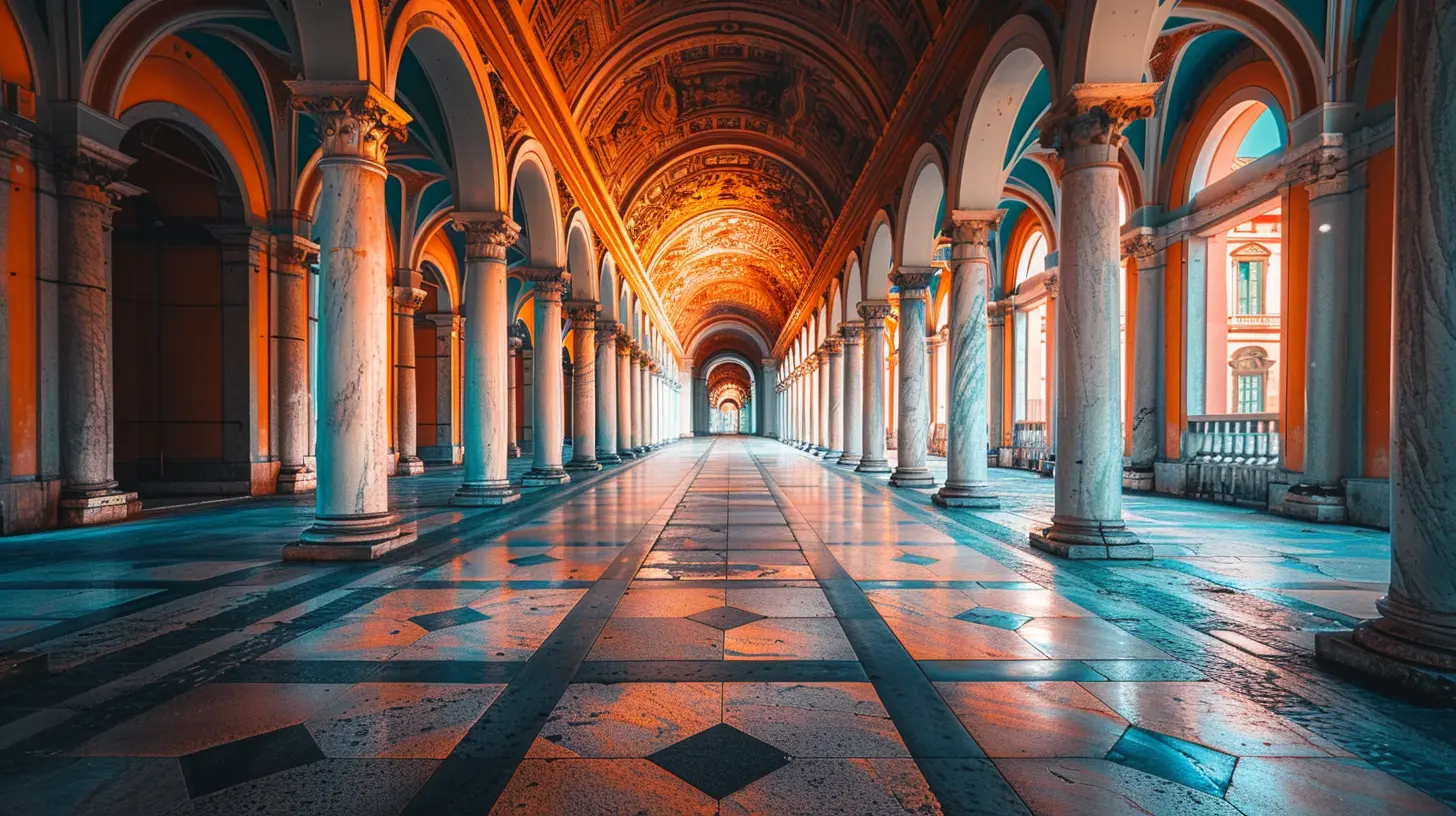
Why Leading Lines Work Like a Charm in Travel Photography
You know how some photos just pull you in? It's like they kidnap your eyeballs and take them on a scenic journey. That's the power of leading lines—eye candy meets highway to your subject.They Add Depth
Using leading lines makes your photo look like it has more layers than an onion. It gives the illusion of depth and perspective, which adds drama and realism. You’ll feel like you’re right there.They Tell a Story
Lines can point to a person, a mountain, a cathedral, or even something cheeky like a flamingo-shaped pool float. They create a visual narrative and lead your viewer right into the heart of your adventure.
Let's Talk Patterns
Now we’re getting into quirky territory—the part where OCD meets artistry.🌀 Patterns 101:
Patterns in photography are just repeating elements—shapes, textures, colors, or objects. Think rows of colorful beach umbrellas, tiled floors in a Moroccan riad, or a forest full of bamboo stalks spaced perfectly apart.They can be:
- Natural (like sand dunes)
- Man-made (like windows on a building)
- Geometric vibes (think: checkerboard floors or spiral staircases)
Patterns are soothing. They're the visual equivalent of a great playlist on a road trip.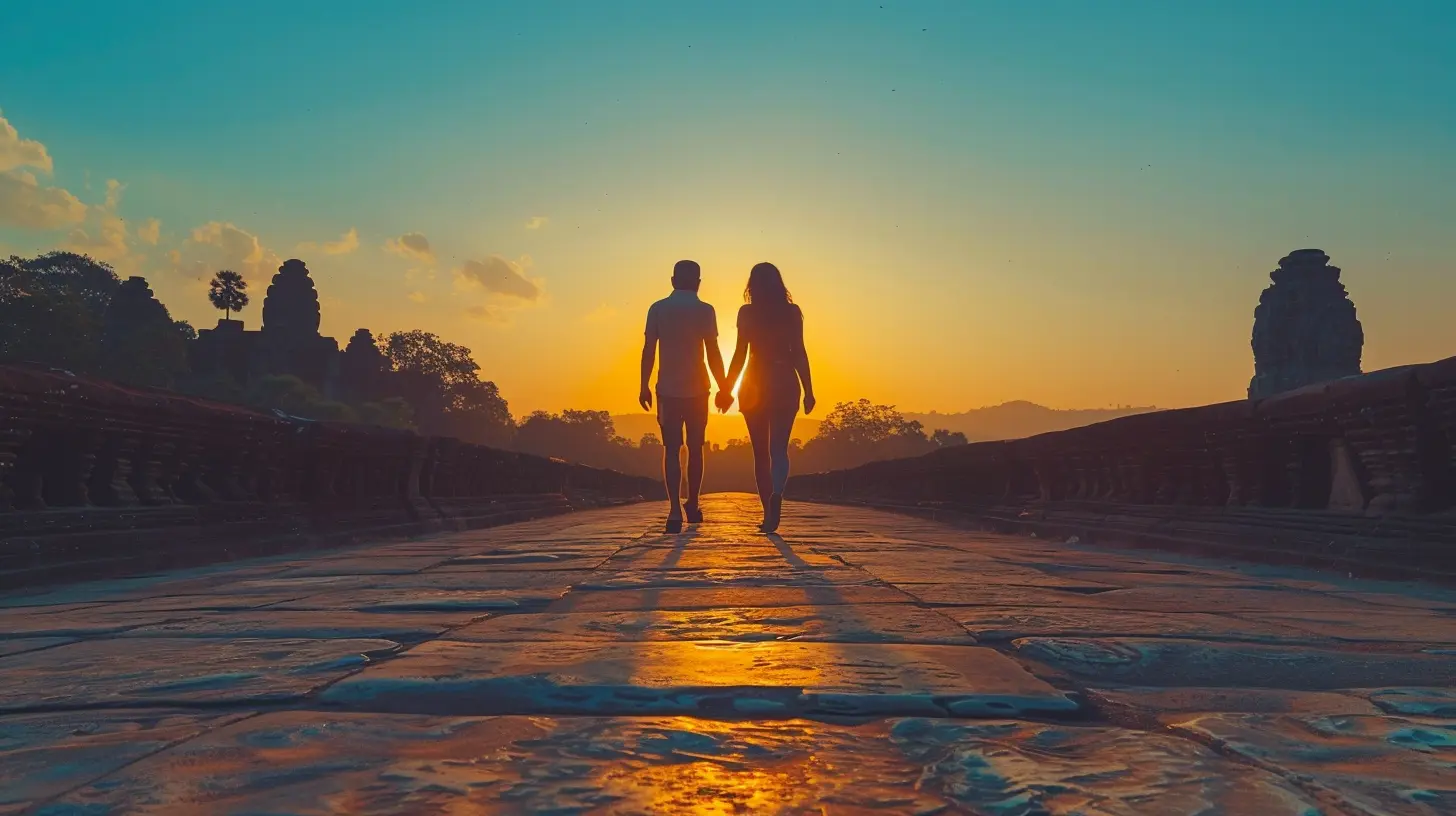
How to Use These Magical Elements Together
Okay, so here’s where it gets spicy. Imagine combining leading lines with juicy patterns.Say you're standing in a temple in Bangkok. The floor has tiles for days—perfect symmetry, intricate designs. The columns stretch out in a perfect line leading to a golden Buddha statue.
You’ve got:
- Leading lines (the columns and tiles)
- Patterns (the repeated tiles and pillars)
- Boom. Instant travel-photo masterpiece.
It's like peanut butter and jelly, but for your camera.
Practical Tips for Capturing Leading Lines While Traveling
No need for a fancy camera or a photography degree. Just keep your eyes open and follow these tips.1. Scout for Natural and Urban Lines
Look for roads, rivers, alleyways, bridges, docks, rows of trees, fences, or even shadows. Anything that seems to “point” or flow in one direction can be a leading line.2. Get Low or Go High
Changing your perspective can massively affect how lines appear in your shot. Crouch down to ground level or find a rooftop. Sometimes all it takes is a few steps to make the scene pop.3. Center or Off-Center—Play Around!
You can center your subject at the end of the line for a classic look, or go for a dramatic, off-center composition using the rule of thirds.4. Use a Wide-Angle Lens
If you're packing a DSLR or mirrorless cam, grab a wide-angle lens. It’ll exaggerate depth and make those lines and patterns even more powerful.5. Shoot During Golden Hour for Extra Drama
Leading lines look extra dreamy when the light is warm and soft. Plus, the shadows at that time of day? Chef’s kiss.Harnessing Patterns Like a Pro on the Road
Patterns are basically everywhere if you start paying attention. Here's how to turn them into photo gold.1. Seek Out Repetition
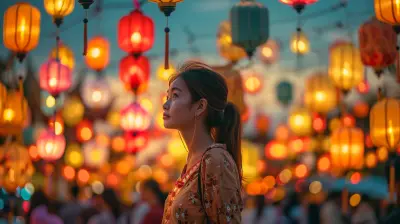
Find repetition in architecture, nature, markets, textiles, or even food stalls. Think rows of lanterns at a Japanese festival or stacks of colorful spices in a Moroccan bazaar.2. Break the Pattern—for Impact
Here’s a fun trick: once you find a repeated pattern, throw in a twist. Imagine rows of blue chairs with one red one in the middle. That contrast? Total eye-grabber.3. Pair Patterns With Color
If the repeated elements come in bright hues? Even better. Patterns + Color = Instagram ready.4. Don’t Forget Texture
Patterns don’t have to be visual alone. They can be tactile—like the rough cobblestone streets of Lisbon or the smooth, rippled sand dunes in Namibia.Combining Leading Lines & Patterns for Maximum Wow
Here's where you can have your cake, eat it, and maybe even get a few likes on the 'gram.🌍 Real-Life Examples:
1. The Spiral Staircases of Rome- The steps form a pattern.
- The railing forms a line guiding the eye downward.
- Total symmetry heaven.
2. The Bamboo Forest in Arashiyama, Kyoto
- Tall, vertical bamboo stalks create repeating patterns.
- The path carves a leading line into the green abyss.
- Feels like you’re walking into a fantasy novel.
3. A Souk in Marrakech
- Rows of lanterns create vibrant patterns.
- The alley curves, creating a leading line.
- Add in the golden sunset light? Frame it, fam.
Mistakes to Avoid (We’ve All Been There)
1. Overcrowding Your Frame
Too many patterns or multiple lines going in different directions? Chaos. Keep it simple.2. Ignoring the Focal Point
Leading lines and patterns should lead somewhere—don’t just throw them in for the heck of it. Make sure they support your subject, not distract from it.3. Shooting Flat
Avoid shooting directly in front of a pattern or line unless it adds symmetry or context. Try tilting or changing your angle for more depth.Editing Tips to Boost Those Lines and Patterns
You took the shot—now give it that little post-production glow-up.- Crop for stronger composition. Don’t be afraid to eliminate distractions.
- Increase contrast. This makes patterns and lines pop.
- Use selective sharpening. Define those textures and ridges.
- Tweak saturation. Make sure colors don’t get muddy, especially in pattern-heavy images.
Why Your Travel Photos Matter (Beyond Likes)
Capturing the vibe of a place isn’t just about snapping pretty pictures. It’s about telling a story, keeping memories alive, and sharing pieces of the world with friends, family, or your future self.Leading lines and patterns are tools. But the soul of the photo? That comes from your experience—your eyes, your heart, your feet on the ground.
So next time you're wandering down a winding lane in Prague or sipping chai near an intricate Indian temple wall—look around. What lines are leading your eyes? What patterns are pulling you in?
Capture that. That’s your story.
Final Thoughts
Using leading lines and patterns might sound like something only pro photographers geek out about, but trust me, it’s actually super intuitive. Once you get the hang of spotting them, you’ll start seeing them everywhere—like a secret code hidden in plain sight.So whether you're trekking up Machu Picchu, getting lost in the alleys of Chefchaouen, or lounging in a Grecian café, keep your eyes peeled. Your next scroll-stopping travel photo could be one snap away—all thanks to some sneaky lines and lovely little patterns.
Go ahead, be the photo ninja you were born to be.
all images in this post were generated using AI tools
Category:
Travel PhotographyAuthor:

Winona Newman
Discussion
rate this article
2 comments
Thornewood Vasquez
“Discover the hidden stories woven within every frame. As you traverse breathtaking landscapes, leading lines and patterns whisper secrets of the past and present. Will your lens capture the unseen connections that lie just beneath the surface? Embrace the journey and let your photos unravel the mystery.”
February 4, 2026 at 3:22 AM
Winona Newman
Thank you for your poetic insight! Embracing leading lines and patterns truly enriches the storytelling in travel photography. Let's uncover those hidden connections together!
Sabrina Reed
“Remember: straight lines, not straight faces! Snap away!”
January 12, 2026 at 6:46 PM
Winona Newman
Great reminder! Emphasizing lines adds depth to our travel photos while capturing genuine expressions. Happy snapping!