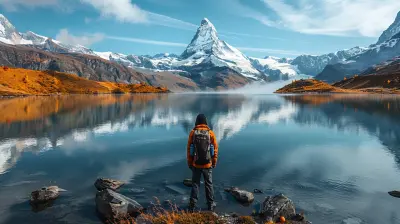
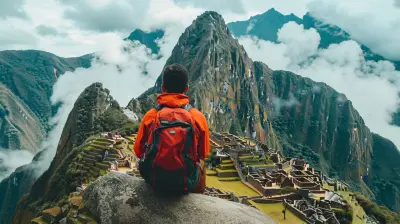
Unforgettable Backpacking Routes Across South America in 2026
28 April 2026
So, you’ve got the itch. That restless, wandering feeling that whispers, “Pack your bags, grab your hiking boots, and disappear into the wild for a while.” And where better to scratch that itch than South America? I mean, seriously—this continent is like the ultimate buffet of adventure. You’ve got snow-capped peaks that scrape the sky, Amazonian jungles that hum with life, deserts that look like Mars, and cities that pulse with rhythm. But here’s the kicker: 2026 is shaping up to be the golden year for backpacking down here. Why? Because the routes are more connected than ever, hostels are buzzing with fresh energy, and the dollar (or euro, or pound) is stretching further than a lazy cat in the sun. Ready to dive in? Let’s map out some unforgettable backpacking routes that’ll make your friends jealous and your Instagram feed legendary.
Why 2026 is the Sweet Spot for South American Backpacking
Before we get into the nitty-gritty of routes, let’s talk timing. You might be thinking, “Isn’t every year good for backpacking?” Sure, but 2026 has a special sauce. First off, post-pandemic travel has matured—flights are more flexible, border crossings are smoother, and the backpacker community is thriving again. Plus, countries like Peru, Colombia, and Argentina have invested heavily in eco-friendly hostels and trail maintenance. Think of it as the universe handing you a golden ticket, but instead of a chocolate factory, you get Machu Picchu without the over-tourism chaos. Also, the weather? Fingers crossed, but with climate patterns stabilizing a bit, you can expect fewer surprises. So, yeah, 2026 is your year. Don’t overthink it.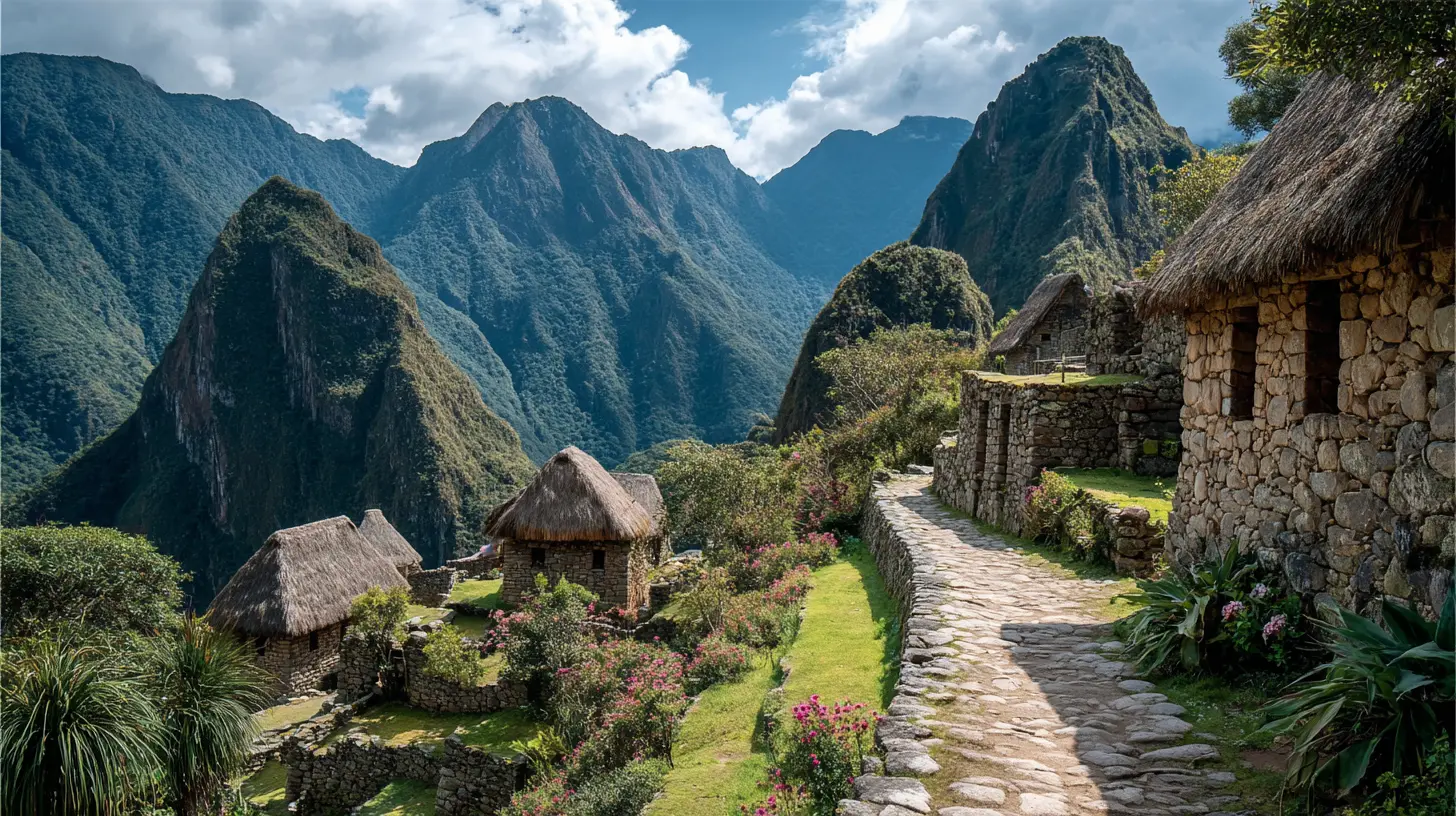
Route 1: The Gringo Trail 2.0 – From Colombia to Bolivia
Ah, the classic Gringo Trail. You’ve heard of it, right? It’s the backpacker’s rite of passage that snakes through Colombia, Ecuador, Peru, and Bolivia. But in 2026, this route has been turbocharged. Let me break it down for you.Start in Medellín: The City of Eternal Spring
Kick off in Medellín, Colombia. Why? Because this city is like that cool friend who always knows the best party. It’s affordable, the weather is perfect (hence the nickname), and the vibe is infectious. Spend a few days exploring Comuna 13’s street art, riding the cable cars up to the hills, and sipping on a cold Aguila beer at a rooftop bar. Pro tip: Take a free walking tour—it’s not just about the sights; it’s about understanding how this city transformed from a dangerous hub to a model of urban innovation. You’ll feel inspired, I promise.Then, Zip Through Ecuador’s Avenue of the Volcanoes
From Colombia, hop a bus to Quito, Ecuador. But don’t just stay in the capital—head straight for the Avenue of the Volcanoes. Imagine cycling down a road flanked by massive, snow-capped volcanoes like Cotopaxi and Chimborazo. It’s like riding through a postcard, but you’re sweating and grinning. The Quilotoa Loop is a must-do: a three-day hike around a turquoise crater lake that’ll make you question if you’re still on Earth. Plus, the hostels here are dirt cheap and serve up hearty soups that’ll warm your soul.Peru: The Crown Jewel of the Trail
Now, Peru. You can’t skip it. But instead of rushing to Machu Picchu (which is still incredible, don’t get me wrong), take the less-crowded Salkantay Trek. It’s a five-day hike through cloud forests, alpine passes, and eventually, the Inca citadel. You’ll pass through tiny villages where locals still wear traditional ponchos and offer you coca tea for altitude sickness. And the best part? In 2026, permits for the Salkantay are easier to snag than the classic Inca Trail. So, you’re getting the same payoff with half the stress. After the trek, head to Huacachina—an oasis in the desert where you can sandboard down dunes. Yes, sandboarding. It’s as ridiculous and fun as it sounds.Bolivia: Salt Flats and Surreal Landscapes
Finally, Bolivia. The Uyuni Salt Flats are a no-brainer. But here’s the thing: in 2026, the tour operators have gotten way better. You can do a three-day jeep trip that takes you across the flats (where the sky reflects perfectly on the ground—hello, optical illusion), then through lagoons filled with flamingos, and up to geysers that hiss like angry dragons. It’s raw, it’s wild, and it’ll cost you pocket change compared to European trips. Just be ready for cold nights—bring a good sleeping bag.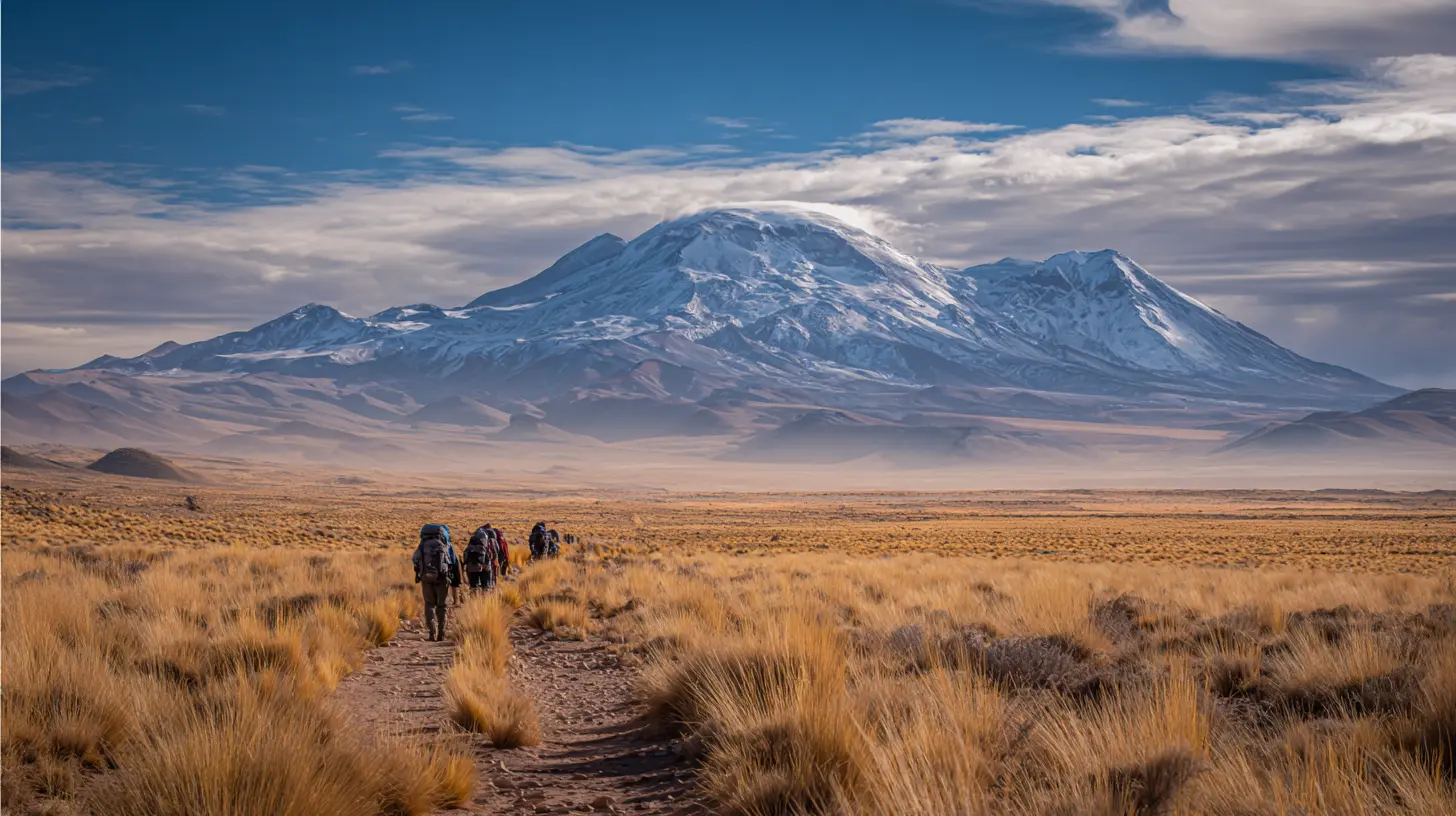
Route 2: The Patagonian Dream – Chile and Argentina
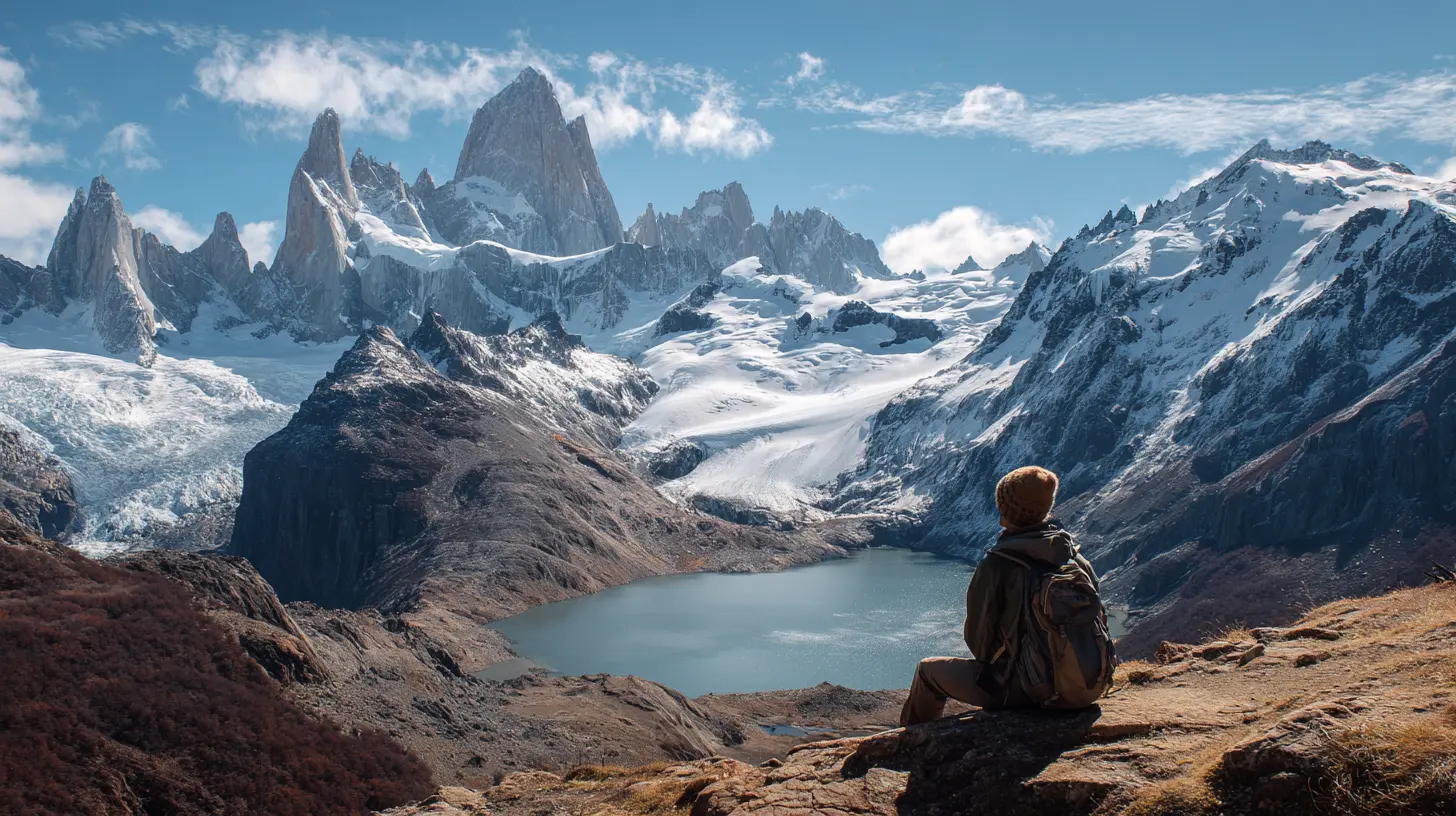
If you’re the type who likes your adventures with a side of dramatic scenery, Patagonia is your jam. This route is for the endurance junkies, the ones who don’t mind camping in wind that could knock over a small car. But trust me, the payoff is worth every gust.Start in Santiago, Chile: The Gateway
Fly into Santiago, but don’t linger too long. It’s a nice city, sure, but the real magic starts when you head south. Grab a bus to Puerto Natales—it’s a long ride (think 30 hours), but it’s a rite of passage. You’ll meet fellow backpackers, swap stories, and arrive ready to conquer the Torres del Paine National Park.The W Trek: A Classic with a Twist
The W Trek in Torres del Paine is famous for a reason. It’s a five-day hike that takes you past glacier-blue lakes, massive granite towers, and forests that feel straight out of a fairy tale. In 2026, the park has improved its campsites—think solar-powered showers and decent wifi at the refugios. But here’s my advice: do the O Circuit instead. It’s a longer loop (8-10 days) that circles the entire park. You’ll see fewer crowds, more wildlife (guanacos, condors, and maybe even a puma if you’re lucky), and you’ll earn serious bragging rights. Plus, the sunsets over the Grey Glacier? Chef’s kiss.Cross into Argentina: El Chaltén and Perito Moreno
After Chile, cross the border into Argentina. Head to El Chaltén, the trekking capital of the country. The Laguna de los Tres hike is a killer—steep, rocky, and rewarding. You’ll stand at the base of Mount Fitz Roy, and if the wind calms down (big if), you’ll see the peak reflected in the lake. Then, make your way to El Calafate for the Perito Moreno Glacier. You can walk on it with crampons, listen to it crack and groan, and feel like a tiny speck in a massive, frozen world. It’s humbling, honestly.Finish in Buenos Aires: The Party Finale
End your Patagonian adventure in Buenos Aires. After weeks of hiking, you deserve some steak, wine, and tango. The city is chaotic, beautiful, and full of life. Stay in a hostel in Palermo, hit a milonga (tango dance hall) for a lesson, and eat a bife de chorizo so good it’ll make you weep. It’s the perfect contrast to the wild silence of Patagonia.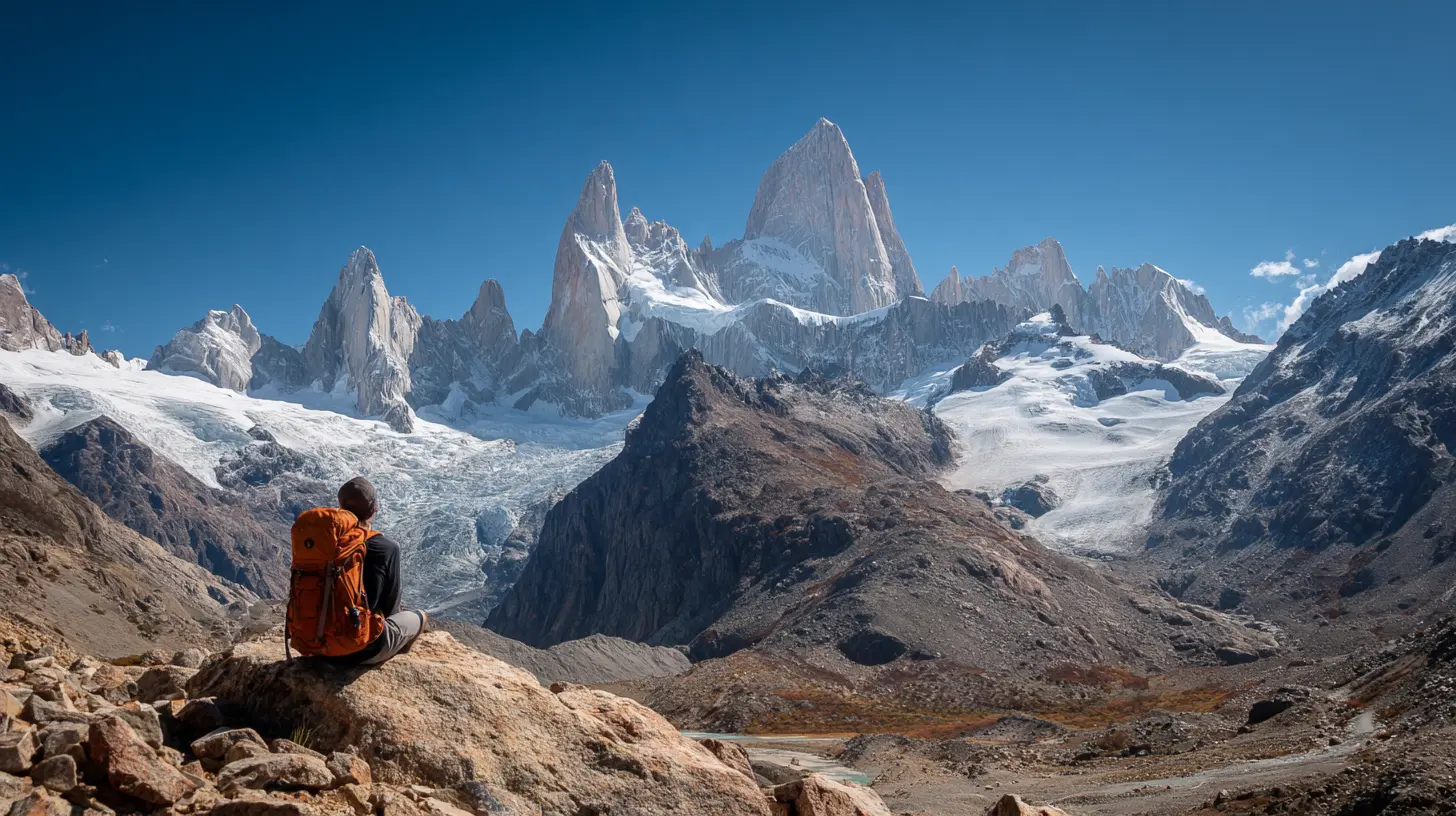
Route 3: The Amazonian Adventure – Brazil, Peru, and Colombia
Okay, hear me out. The Amazon is not just for hardcore survivalists. In 2026, there are plenty of accessible routes that let you experience the jungle without, you know, getting eaten by a jaguar. This route is for the curious souls who want to feel the heartbeat of the rainforest.Start in Manaus, Brazil: The Urban Jungle
Manaus is your launchpad. It’s a city in the middle of the Amazon, and it’s weirdly fascinating. You can take a boat tour to the Meeting of the Waters (where the black Rio Negro meets the sandy Amazon River), visit the opulent Teatro Amazonas opera house, and then head into the jungle. Book a multi-day tour with a local guide—they’ll teach you how to catch piranhas, identify medicinal plants, and sleep in a hammock under the stars. It’s not luxury, but it’s raw. And you’ll leave with stories that’ll make your friends’ eyes pop.Then, Float Down to Iquitos, Peru
From Manaus, take a slow boat to Iquitos, Peru. It’s a three-day journey down the river, and it’s basically a floating hostel. You’ll eat river fish, play cards with strangers, and watch the jungle slide by. Iquitos itself is a quirky city—no roads connect it to the outside world, so everything moves by boat. Take a day trip to the Pacaya-Samiria National Reserve, where you can spot pink river dolphins. Yes, pink. They’re real, and they’re magical.End in Leticia, Colombia: The Triple Frontier
Finally, cross into Leticia, Colombia, where the borders of Brazil, Peru, and Colombia meet. It’s a tiny town with a huge energy. You can walk to the border markers, eat exotic fruits from street vendors, and take a boat to the Amazon’s islands. It’s the perfect endpoint—a microcosm of the continent’s diversity.Route 4: The Andean Highlands – Ecuador, Peru, and Bolivia
This route is for the altitude lovers. If you want to feel like you’re on top of the world (literally), the Andean Highlands will deliver. It’s a bit tougher on the lungs, but the views are worth the heavy breathing.Start in Quito, Ecuador: The Middle of the World
Quito is high (2,850 meters), so take it easy. Visit the Mitad del Mundo monument where you can stand on the equator, and explore the historic center with its golden churches. Then, head to Baños for some adventure sports—white-water rafting, canyoning, and ziplining over waterfalls. It’s like a playground for adults.Peru’s Sacred Valley: Beyond Machu Picchu
From Ecuador, bus down to Peru’s Sacred Valley. Skip the crowded Cusco for a bit and stay in Ollantaytambo or Pisac. Hike the ruins, visit the salt mines of Maras, and chat with local weavers. The altitude will hit you (3,400 meters), so chew coca leaves like a local. Then, do the Inca Trail or Salkantay to Machu Picchu. But don’t just take the train—earn that view.Bolivia’s Death Road and Salar de Uyuni
Finish in Bolivia. The Death Road (now mostly paved and safe) is a thrilling bike ride down a mountain. Then, the Uyuni Salt Flats—you already know. But also consider a detour to Potosí, a mining town where you can tour silver mines. It’s intense, ethical, and eye-opening. You’ll appreciate every modern comfort after that.
Essential Tips for South American Backpacking in 2026
Alright, before you book that flight, here’s some real talk. Packing light is non-negotiable. You’ll be on buses, boats, and trails—your back will thank you. Bring a good water bottle with a filter (tap water isn’t always safe), a power bank, and a rain jacket that’s actually waterproof. Learn some Spanish. You don’t need to be fluent, but “¿Dónde está el baño?” and “Una cerveza, por favor” will get you far. Use local buses. They’re cheap, safe, and you’ll meet locals. Book hostels with free breakfast. It saves money and gives you energy for the day. And finally, embrace the chaos. Buses will be late, trails will be muddy, and you’ll get lost. That’s the point. It’s not a vacation; it’s an adventure.Why You’ll Never Be the Same After These Routes
Here’s the thing about backpacking South America: it changes you. Not in a cheesy, “I found myself” way, but in a real, practical sense. You’ll learn to navigate without Google Maps, to trust strangers who offer you a ride, and to find joy in simple things like a hot shower or a ripe mango. The routes I’ve shared are just starting points—you’ll create your own detours, meet people who become lifelong friends, and collect memories that no photo can capture. So, what are you waiting for? 2026 is calling. Answer it.
all images in this post were generated using AI tools
Category:
Continental TravelAuthor:

Winona Newman
Discussion
rate this article
1 comments
Nancy Allen
Exploration fosters cultural connections.
April 29, 2026 at 2:34 AM
Winona Newman
Absolutely! Traveling opens doors to new perspectives and deepens our understanding of diverse cultures. It's all about the journey and the connections we make along the way.