Travel Photography: How to Make the Most of Changing Weather Conditions
11 February 2026
Let’s face it—weather is the one travel companion we never invited but is always tagging along. One moment it’s sunshine and blue skies, the next it’s pouring sideways. Sound familiar? If you're a travel photographer (or even just someone who likes a good Instagram pic), unpredictable weather can be the difference between a stunning photo… and a blurry mess.
But here’s the thing: changing weather isn’t your enemy—it’s actually your secret weapon.
In this post, we’re going to talk about how to embrace every drizzle, storm, fog bank, and sunbeam like the seasoned shutterbug you are. So grab your camera, pack your sense of humor, and let’s dive into how to turn moody clouds and wild winds into photo gold.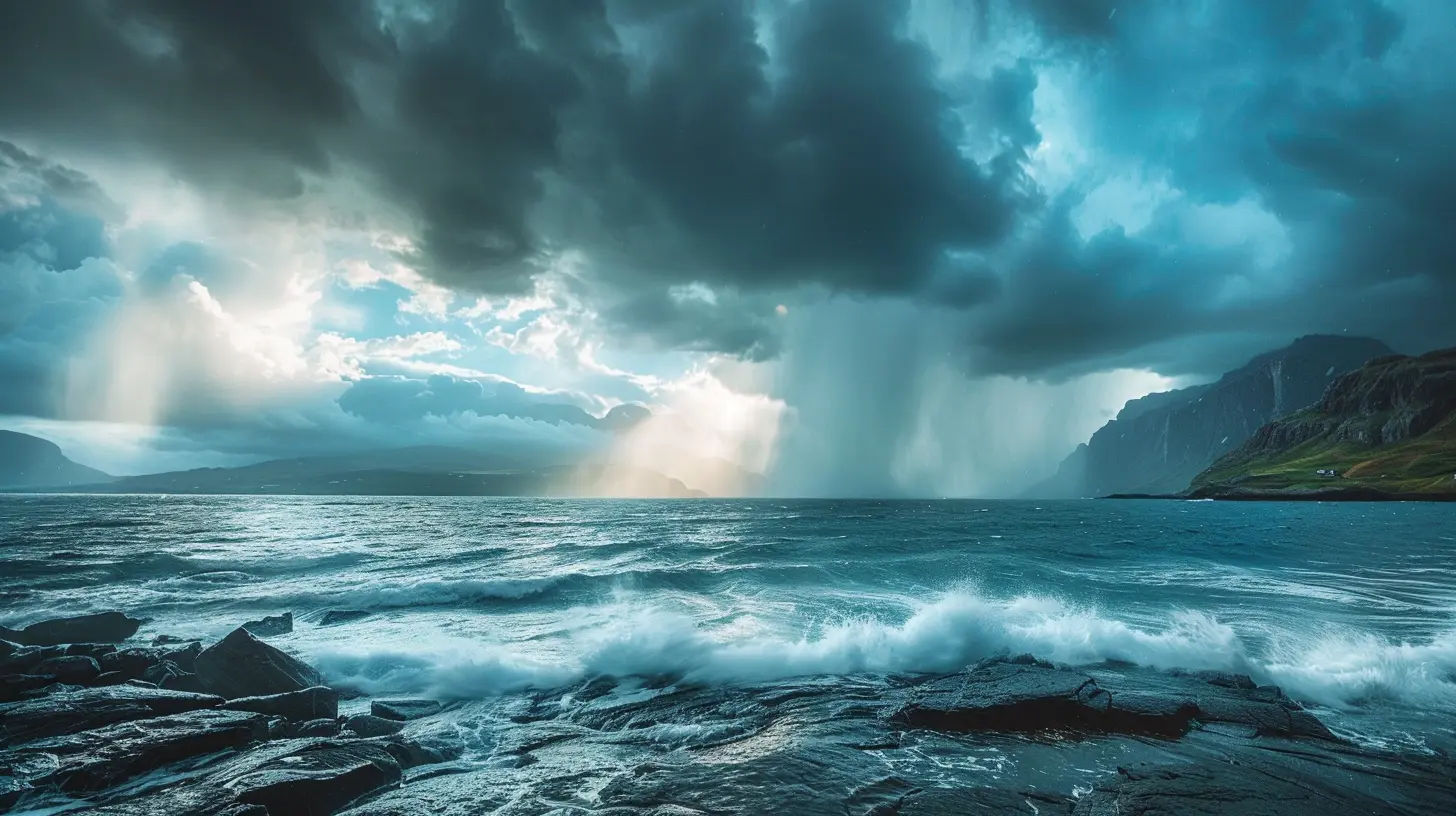
Weather: The Unsung Hero of Epic Travel Photos
People love clear skies, right? But let me tell you—those textbook-perfect sunny shots can get a little... predictable. What makes a photo stand out is mood, drama, and emotion. And guess what stirs those up like a spoon in coffee? You got it—weather!Think about it:
- That misty fog crawling over a mountainside? Pure drama.
- A rainbow peeking out after a downpour? Insta-worthy.
- The golden sunlight breaking through storm clouds? Straight-up cinematic.
If you know how to work with the weather (and not fight it), you're halfway to capturing jaw-dropping shots.
1. Be Prepared… But Stay Flexible
Yeah, I know. "Be prepared" sounds like something your mom would say. But in travel photography, it genuinely pays off. Weather can flip faster than a pancake at a Sunday brunch, so being ready saves you a lot of headache (and missed shots).What to Pack in Your Camera Bag
- Weather-sealed camera or protective gear: Even if your camera isn’t waterproof, a cheap rain cover can save the day.- Microfiber cloths: To wipe off raindrops or condensation.
- Lens hoods and filters: Help with glare, flare, and even raindrops on the lens.
- Extra batteries: Cold weather drains batteries faster than your ex drains your patience.
But don’t overpack trying to prepare for every eventuality. Stay flexible. If the wind changes—literally—switch gears and work with what's in front of you.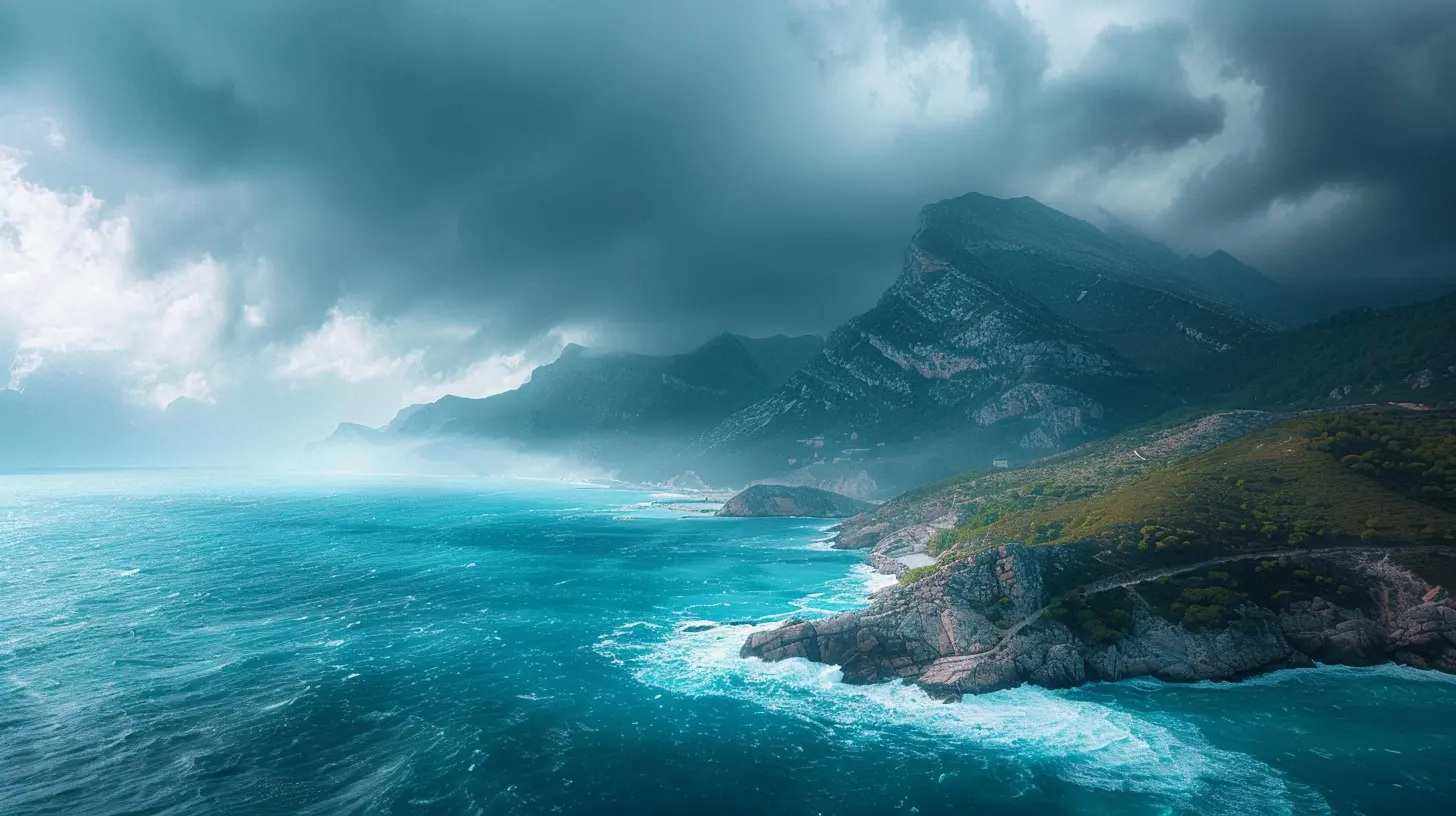
2. Cloudy Skies = Dreamy Light
Cloudy days get a bad rap, especially if you’re chasing golden hour vibes. But actually? Overcast skies are like nature’s softbox. They diffuse light evenly and reduce harsh shadows, making portraits and landscapes look smooth and balanced.Best Shots to Take When It’s Cloudy:
- Portraits: No squinting or harsh shadows under the eyes.- Street photography: The light helps colors pop without being blown out.
- Floral and forest scenes: Greens and colors come alive under soft light.
So don’t pack it in just because the sun’s hiding—embrace those cotton candy skies!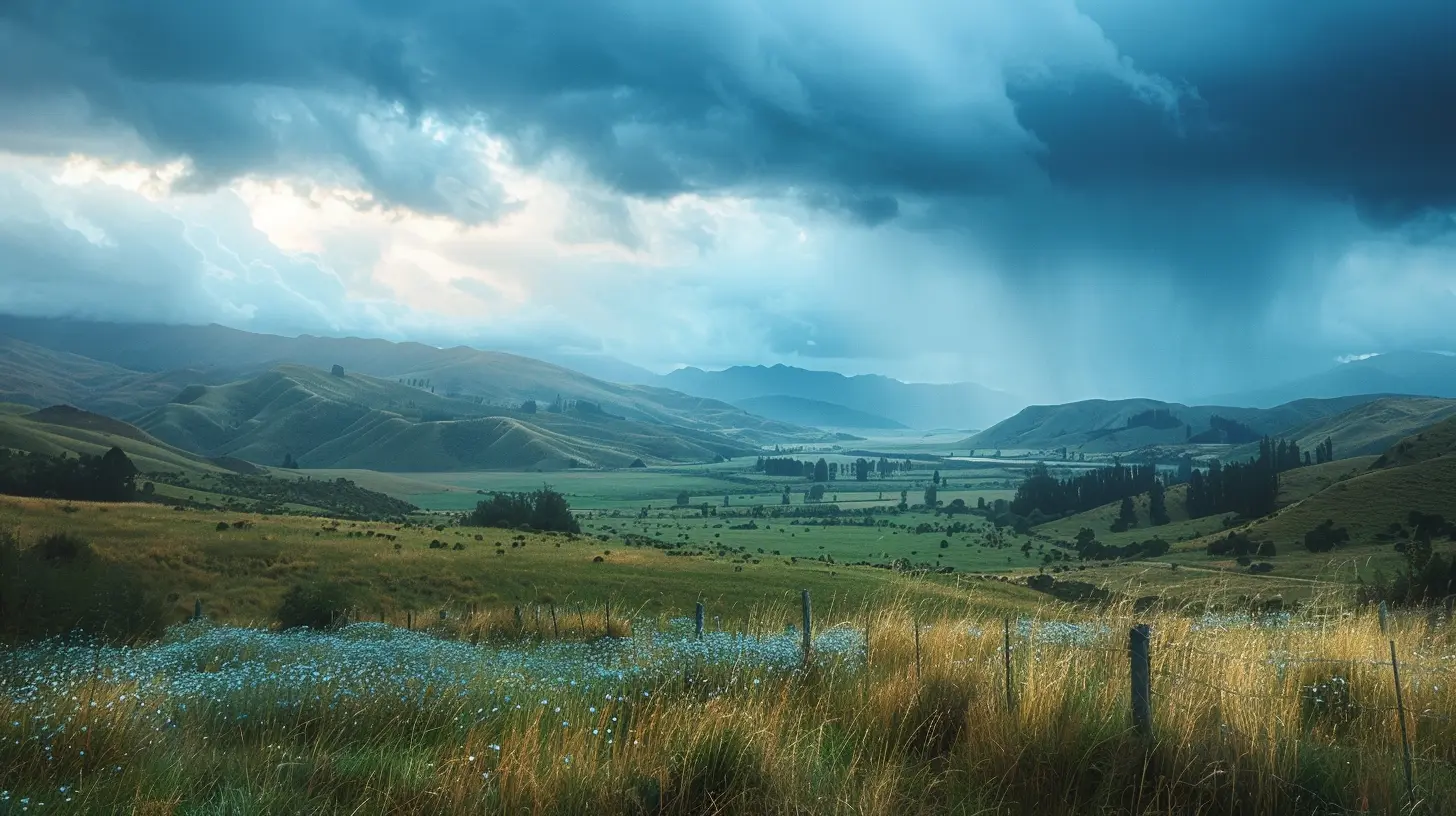
3. Rainy Days Are For Storytelling
Rain doesn’t ruin photos—it gives them soul. Those glistening cobblestone streets, reflections in puddles, colorful umbrellas, and moody atmospheres tell compelling stories.Tips for Shooting in the Rain:
- Use reflections: Look for puddles, glass, or shiny surfaces to double your perspective.- Go for contrast: Bright colors against gray skies pop like a highlighter on black paper.
- Capture motion: Try slower shutter speeds to show the streak of falling rain (tripod helps here).
Honestly, some of the most emotional, dramatic travel photos I’ve ever taken were during storms. There's something about that tension in the air… pure magic.
4. Fog: The Photographer’s Dream Filter
If you wake up to fog—don’t hit snooze. Grab your gear and run outside. Fog adds mystery, mood, and depth like a built-in cinematic filter.What to Keep in Mind:
- Simplify your composition: Fog reduces contrast, so focus on clear silhouettes or simple subjects.- Use layers: Trees, hills, or buildings receding into fog add a beautiful sense of depth.
- Shoot in RAW: Helps you pull out subtle tones and textures in post-processing.
Fog transforms the familiar into the surreal, and that’s the kind of travel photography that lingers in people’s minds.
5. Snow Isn't Just Cold—It's Gold
Okay, snow’s cold. Like, "why did I leave my cozy hotel" cold. But it’s also visually stunning. The world becomes a blank canvas. Add a splash of color or interesting texture, and you've got a masterpiece.How to Nail Snow Shots:
- Watch your exposure: Your camera might underexpose snow, so bump up the brightness a touch.- Capture falling snow: A fast shutter freezes the flakes; a slower one blurs them artistically.
- Look for color contrast: Bright jackets, red buildings, or green trees pop beautifully against all that white.
Snow gives everything a fairytale glow. Just make sure to dress warm and keep your batteries cozy.
6. Wind: Nature’s Hair and Drama Stylist
Wind might not seem ideal when you’re trying to get that perfect shot, but hear me out—it adds motion, mood, and spontaneity.Get Creative With Wind:
- Long hair blowing in the breeze: Perfect for candid portraits.- Cloth or scarves fluttering: Adds texture and excitement.
- Waves crashing or trees swaying: Gives life and movement to landscapes.
Wind makes your photo feel alive—like you can almost hear the rustle of leaves or the crash of waves. Just hang on to your hat (literally).
7. Chase the Light—Even If It’s Moody
Photographers often talk about “chasing the light,” and that doesn’t always mean sunny beams. Sometimes it’s the post-storm glow, or the subtle hues just before a thunderstorm.Pay Attention to the Sky:
- Golden hour after rain = golden magic.- Storm clouds breaking = epic contrast.
- Sunset on a cloudy day = surprising colors.
Nature’s light show doesn’t always follow the schedule, but when it shows up? Oh boy, it’s totally worth the wait.
8. Use Weather to Tell a Story
The best travel photos tell more than the “where”—they tell the “how it felt to be there.” Weather is your emotional storyteller.A photo in a sun-soaked plaza says something very different from one taken during a stormy afternoon. Think beyond just capturing a scene—ask yourself what feeling you want to evoke.
Do you want the viewer to feel awe? Comfort? Adventure? Let the weather color your narrative.
9. Editing Tips for Weather-Based Shots
Alright, so you got the shot. Now what? Post-processing can help you bring out the best in your weather-driven photos.A Few Quick Tips:
- Boost clarity and contrast in foggy or cloudy scenes to define shapes.- Edit for mood: Warm tones for sunrise, cool tones for mist, desaturated for moodiness.
- Play with shadows and highlights: Especially in scenes with complex lighting.
But don’t overdo it. Let nature’s story shine through.
10. Attitude Is Everything
Honestly, some of the best travel photos start with the worst weather forecasts. You’ve got to shift your mindset. Rain becomes opportunity. Fog becomes poetry. And snow? That’s just magic waiting to happen.Embrace each weather twist like a plot twist in your favorite novel. Adapt. Experiment. Play. The worst that happens is you come home with an awesome story… and maybe some great outtakes too.
Final Thoughts: Weather or Not, Shoot Anyway
Changing weather doesn’t have to be a photographer’s curse. In fact, it’s the spicy extra that takes your travel shots from pretty to unforgettable. Whether you're photographing frozen tundras or tropical downpours, there’s always a new angle to shoot—and a new story to tell.So next time you wake up to gray skies, grab your gear with a grin. Because behind those clouds? That’s where the magic begins.
all images in this post were generated using AI tools
Category:
Travel PhotographyAuthor:

Winona Newman
Discussion
rate this article
2 comments
Icarus Bell
Who needs a sun-soaked sky for the perfect shot? Embrace the drama of stormy clouds and those rogue raindrops—they add character! Remember, every weather condition is just a new canvas. So grab your camera and channel your inner 'storm-chasing Picasso!' 🌧️📸
February 19, 2026 at 3:30 PM
Winona Newman
Absolutely! Embracing diverse weather can elevate your photography. Stormy skies create mood and depth, transforming ordinary scenes into striking visuals. Keep your camera ready and explore the beauty in every condition! 🌧️📸
Seraphine McIntire
Every cloud holds a secret, and every storm whispers stories waiting to be captured. Embrace the unpredictable dance of nature; the fleeting light and moody skies transform ordinary scenes into extraordinary art. Will you be bold enough to chase the beauty hidden in the tempest?
February 11, 2026 at 5:00 AM
Winona Newman
Absolutely! Embracing changing weather can lead to stunning, unique photographs. Capture the drama and beauty of nature's moods, and let them inspire your creative vision.