Transforming Lives and Landscapes: Voluntourism in Rural Areas
9 June 2026
Introduction
Ever thought about making a real impact while traveling? Voluntourism – a blend of volunteering and tourism – offers just that. It’s not just about seeing new places; it’s about rolling up your sleeves, making a difference, and leaving a lasting footprint in rural communities.
For countless travelers, the idea of traditional sightseeing isn't enough. They crave meaningful experiences that not only shape their personal journeys but also uplift the places they visit. Voluntourism is the answer. And when done in rural areas, it has the power to reshape both lives and landscapes.
So, what exactly does voluntourism in rural areas involve? How does it benefit both the traveler and the host community? Let’s break it down. 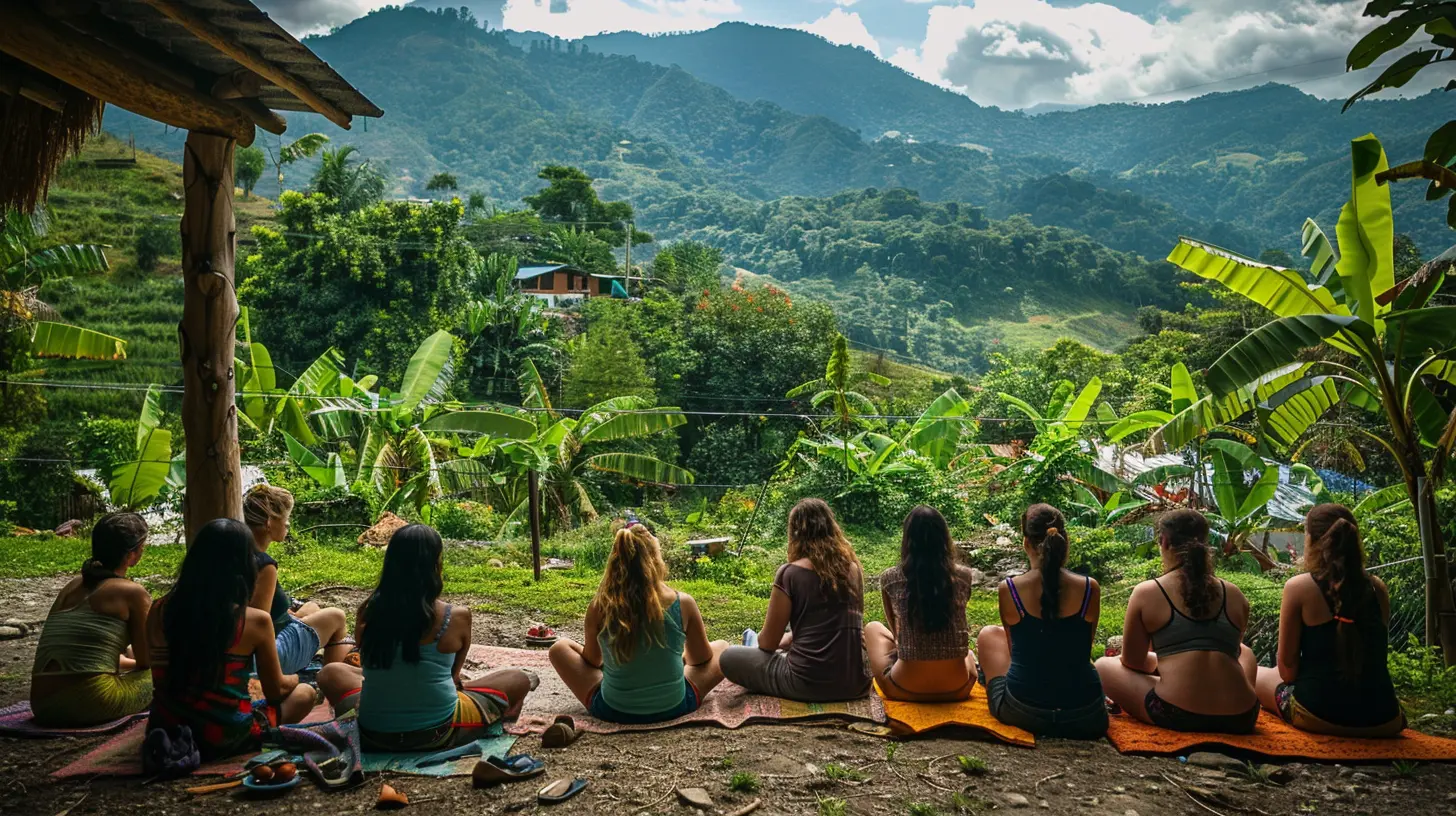
What is Voluntourism?
At its core, voluntourism is the intersection of travel and community service. It allows travelers to contribute their time and skills to local projects while immersing themselves in new cultures. Whether it’s teaching English, helping with sustainable farming, or building schools, voluntourism creates experiences beyond the typical tourist trail.While voluntourism exists worldwide, its influence in rural areas is particularly profound. Many of these regions lack essential resources, educational opportunities, and infrastructure. By engaging in voluntourism, travelers can help bridge these gaps while gaining firsthand insight into a community’s daily life. 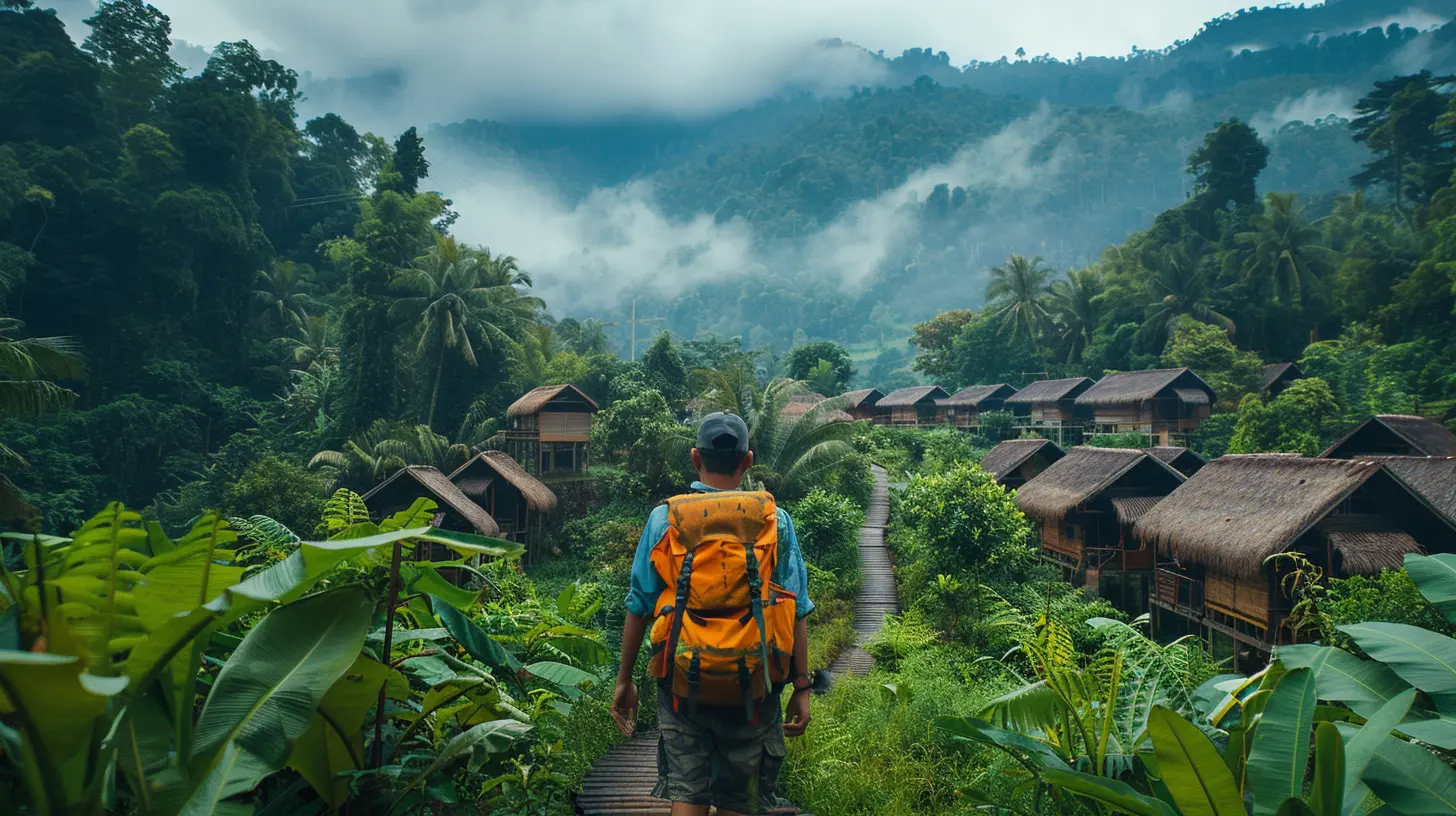
Why Voluntourism in Rural Areas Matters
1. Uplifting Underserved Communities
Rural areas often face economic hardships, inadequate healthcare, and limited educational opportunities. Volunteers can play a crucial role in addressing these challenges by providing assistance in areas where resources are scarce.For instance, teaching English to children in a remote village can open doors for them in the future, allowing for better job opportunities and economic growth within the community. Similarly, agricultural volunteers can introduce sustainable farming methods that help ensure long-term food security.
2. Preserving Natural Landscapes
Tourism can be a double-edged sword. On one hand, it brings in revenue; on the other, it can lead to environmental degradation. Voluntourism stands apart by promoting sustainable interactions with nature.Many rural voluntourism projects focus on conservation. Imagine spending your mornings planting trees in the Amazon rainforest or rehabilitating coral reefs in a small fishing village. These efforts contribute to the long-term health of ecosystems while providing volunteers with a deep, personal connection to the environment.
3. Cultural Immersion at Its Finest
Unlike conventional tourism, which often keeps travelers at arm’s length from local communities, voluntourism allows for genuine cultural exchange. Living and working alongside locals offers an authentic perspective on their way of life.It’s one thing to visit a rural village; it’s another to share meals with a host family, learn their traditions, and understand their struggles and triumphs firsthand. This level of immersion creates profound personal growth and appreciation for different cultures. 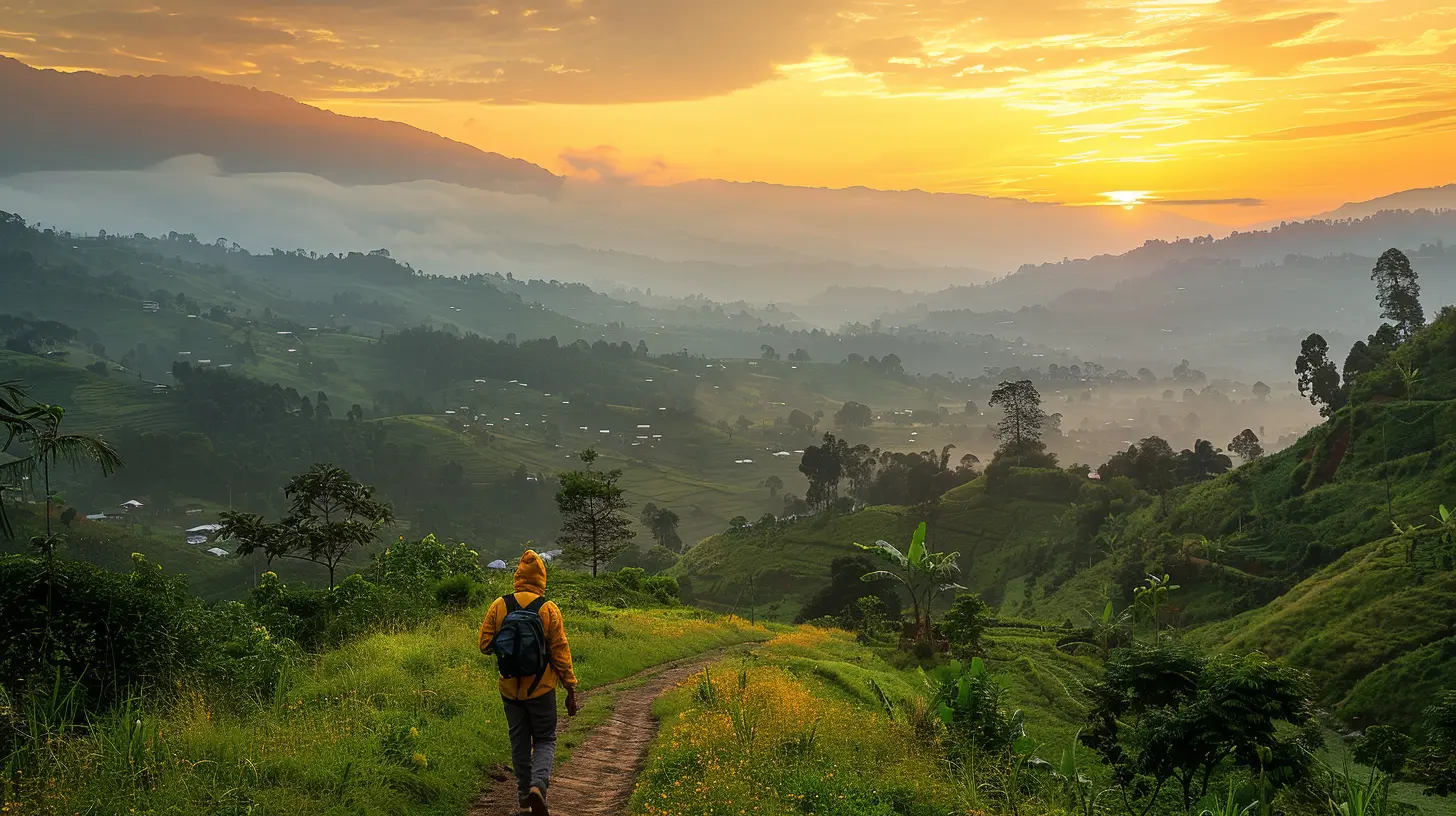
Popular Voluntourism Projects in Rural Areas
1. Education & Teaching Programs
One of the most impactful ways to contribute is through education. Many rural schools lack qualified teachers, and volunteers can help bridge this gap by conducting language lessons, assisting with basic literacy programs, or even mentoring students in various subjects.Volunteers don’t need to be professional teachers. If you can speak English, do basic math, or have a passion for the arts, you can inspire children and provide them with valuable skills.
2. Sustainable Agriculture & Farming
Farming remains the backbone of many rural communities, yet outdated techniques can hinder productivity. Volunteers in agricultural programs assist farmers in implementing sustainable methods, introducing permaculture techniques, and ensuring that local food production thrives.Imagine waking up before dawn, working side by side with local farmers, and learning traditional farming techniques that have been passed down for generations. It’s a hands-on experience that connects volunteers to the very essence of rural life.
3. Wildlife Conservation & Environmental Protection
Rural areas are often home to rich ecosystems that need protection. Voluntourism opportunities in conservation focus on reforestation, wildlife preservation, and marine protection.Whether it’s tracking endangered species in Africa, protecting sea turtles in Costa Rica, or cleaning up polluted rivers, environmental voluntourism provides a way to make tangible differences in preserving our planet’s biodiversity.
4. Community Development & Infrastructure
Infrastructure is a major challenge in rural areas. Volunteers can participate in building projects, such as constructing community centers, repairing homes, and improving roadways.Such projects not only provide immediate benefits but also create long-term improvements in the quality of life for residents. Imagine the deep sense of fulfillment in knowing that the school you helped build will be used by generations of children. 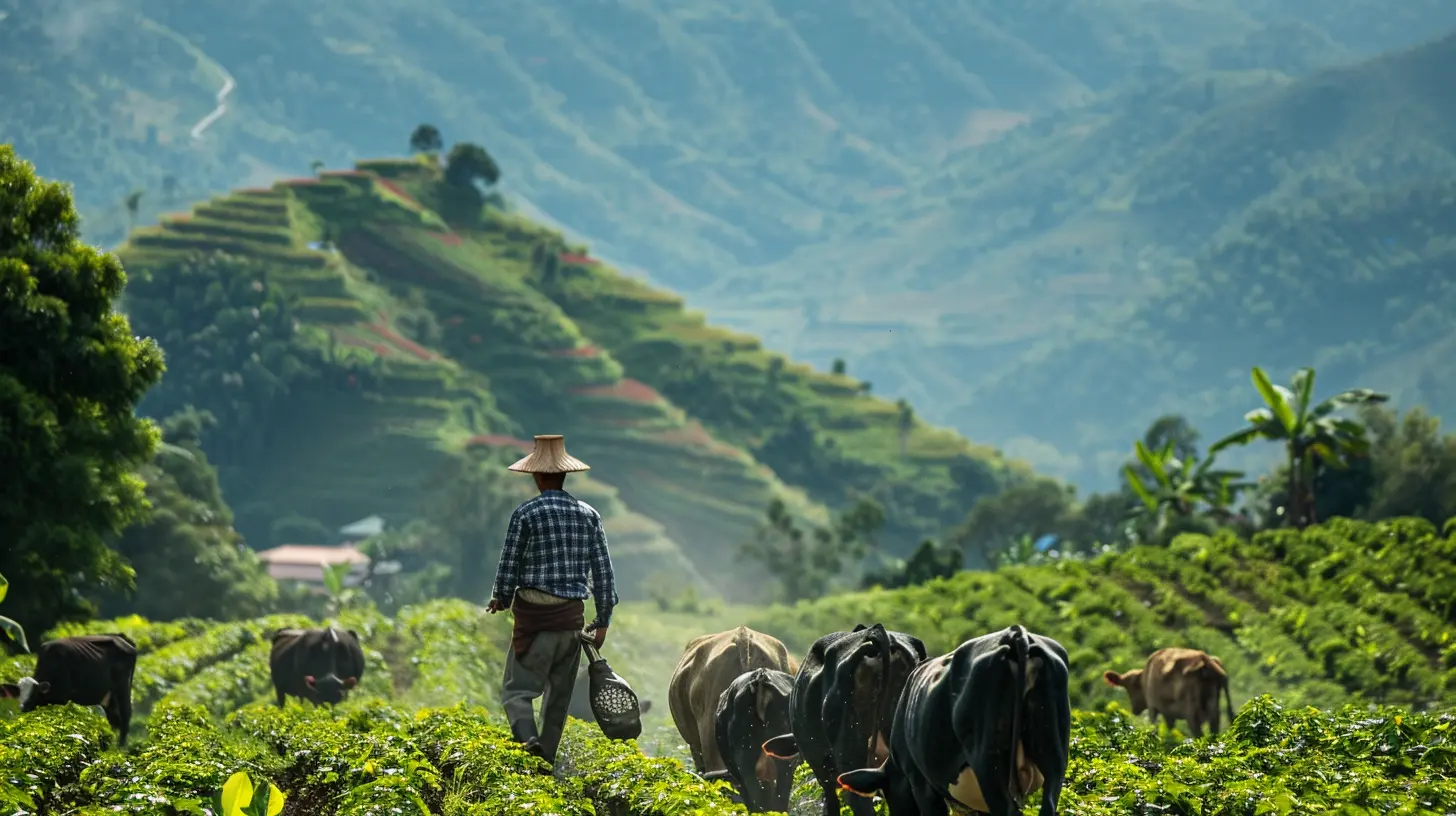
The Benefits of Voluntourism for Travelers
1. A Sense of Purpose
Vacations are great, but how often do they leave you feeling truly fulfilled? Voluntourism adds a deeper purpose to travel, allowing you to return home knowing you contributed to something meaningful.Rather than just collecting souvenirs, you collect experiences, stories, and a sense of accomplishment that extends far beyond a typical getaway.
2. Personal Growth & Perspective
Traveling to rural areas and working with communities facing different challenges broadens one’s perspective. It teaches patience, adaptability, and cultural sensitivity—all invaluable life skills.Many volunteers return home with a newfound appreciation for their own lives, as well as a desire to continue making a difference in the world.
3. Lifelong Friendships
Working closely with locals and fellow volunteers creates deep connections. Many former voluntourists maintain lifelong friendships with the people they’ve met, forging bonds that span across continents and cultures.When you work toward a common goal with others, you build relationships based on shared effort and mutual respect—something far more meaningful than a casual conversation with a fellow traveler at a hotel.
Ethical Considerations in Voluntourism
While voluntourism has immense potential for good, it's essential to approach it ethically. Unfortunately, not all programs are genuinely beneficial to local communities.1. Choose Responsible Organizations
Not all voluntourism programs are created equal. Some prioritize profit over genuine impact. Research organizations thoroughly, ensuring they work directly with communities and focus on long-term solutions rather than short-term fixes.2. Avoid "Orphanage Tourism"
One of the darker sides of voluntourism is orphanage tourism, where children are often exploited for financial gain. Supporting community-based educational initiatives is a far better alternative.3. Focus on Sustainability
Projects should empower locals rather than create dependency. The goal of voluntourism should always be to provide communities with skills and resources they can continue using long after volunteers leave.How to Get Started with Voluntourism
Interested in voluntourism but not sure where to start? Here are some practical steps:1. Identify Your Skills & Interests – Do you prefer teaching, environmental work, or construction? Choose a project that aligns with your strengths.
2. Research Reputable Organizations – Look for nonprofits and NGOs with a strong track record of ethical, impactful work.
3. Understand the Costs – Volunteering abroad often involves costs (accommodation, food, and program fees). Be sure to budget accordingly.
4. Prepare Mentally & Physically – Working in rural areas can be challenging. Be ready for limited resources, cultural differences, and physical labor.
5. Go with an Open Mind – Rural voluntourism is about giving, but it’s also about learning. Embrace the experience fully.
Conclusion
Voluntourism in rural areas isn’t just a passing travel trend—it’s a powerful movement transforming both communities and the travelers who choose to participate. By giving your time and energy to a meaningful cause, you create lasting change in people’s lives while gaining unforgettable experiences in return.So, the next time you're planning a trip, why not make it one that leaves a real impact? You won’t just visit a place—you’ll become part of its story.
all images in this post were generated using AI tools
Category:
Volunteer TravelAuthor:

Winona Newman
Discussion
rate this article
1 comments
Thor Duke
I love this concept! Voluntourism truly makes a difference in people's lives and communities.
June 13, 2026 at 3:24 PM