The Sounds of Tradition: Musical Instruments Around the Globe
24 May 2026
Music is the universal language of the human soul. No matter where you go, people use sound to express emotions, tell stories, and pass traditions from one generation to the next. Every culture has its unique way of making music, and the instruments they use are as diverse as the people themselves.
From the hypnotic beats of African drums to the delicate twang of an Asian stringed instrument, the world is filled with sounds that define traditions. Let’s take a journey across continents and explore the musical instruments that have shaped cultures for centuries.
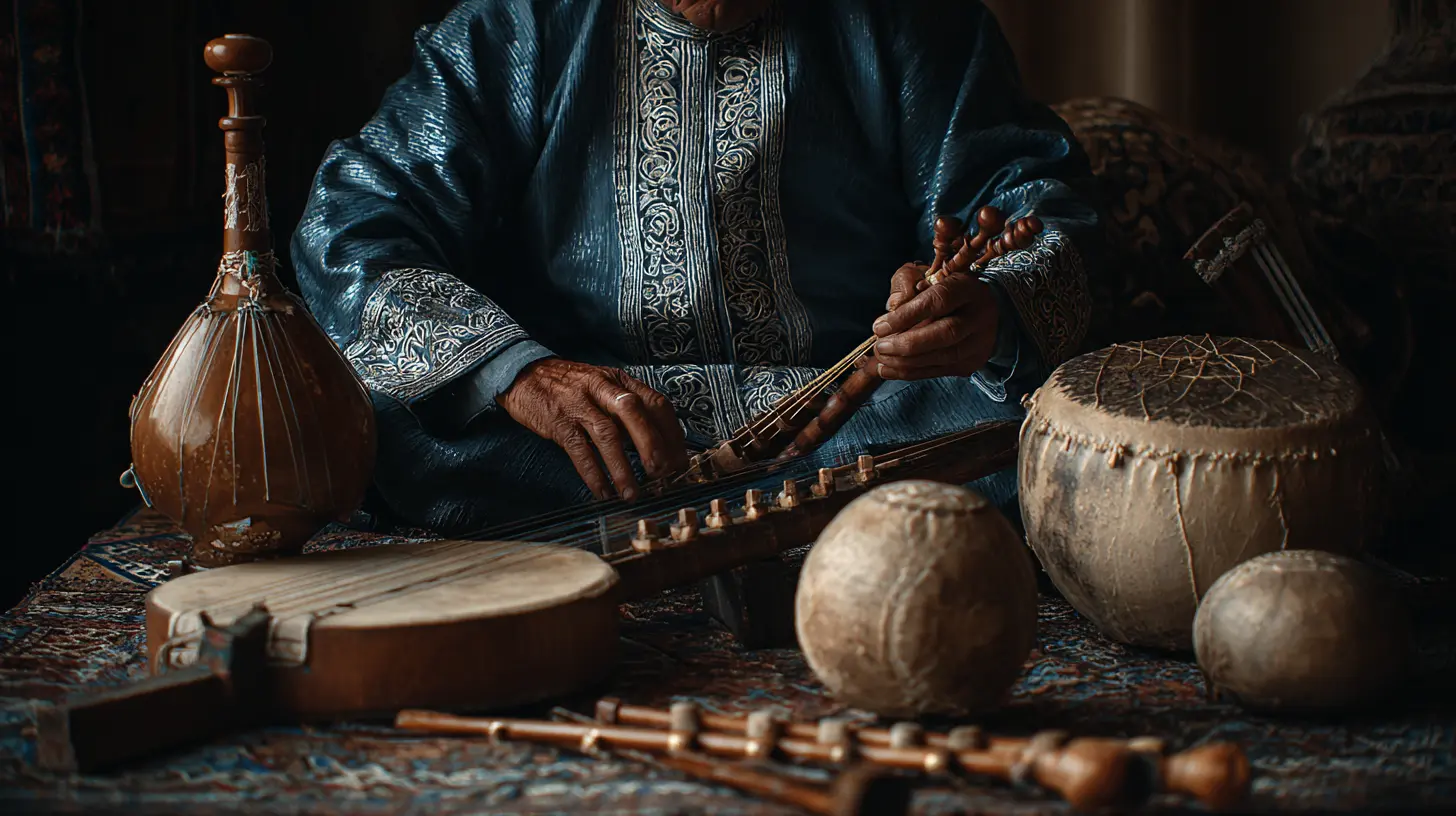
Africa: The Heartbeat of Rhythm
Africa is often called the birthplace of rhythm. It’s no surprise that percussion instruments dominate traditional African music. The deep, resonating beats of these instruments don’t just entertain—they tell stories, communicate messages, and bring people together.Djembe – The Talking Drum of West Africa
The djembe is one of the most well-known African drums. Originating from West Africa, this goblet-shaped drum is made from a single piece of carved wood and covered with animal skin. It’s played with bare hands, producing a wide range of tones.What makes the djembe special? It’s said to "talk." Skilled drummers can manipulate their hands to create different pitches, mimicking the rise and fall of speech. Historically, djembes were used in ceremonies, storytelling, and even as a means of communication between villages.
Mbira – The Soulful Thumb Piano of Zimbabwe
The mbira, often called the thumb piano, is a fascinating instrument from Zimbabwe. It consists of metal keys mounted on a wooden soundboard and is played by plucking the keys with the thumbs.The mbira’s enchanting, bell-like sound is deeply spiritual. It’s commonly used in ceremonies, especially to communicate with ancestors or induce trance-like states. If you ever hear mbira music, you’ll understand why it’s so revered—it has a deeply meditative, almost hypnotic effect.
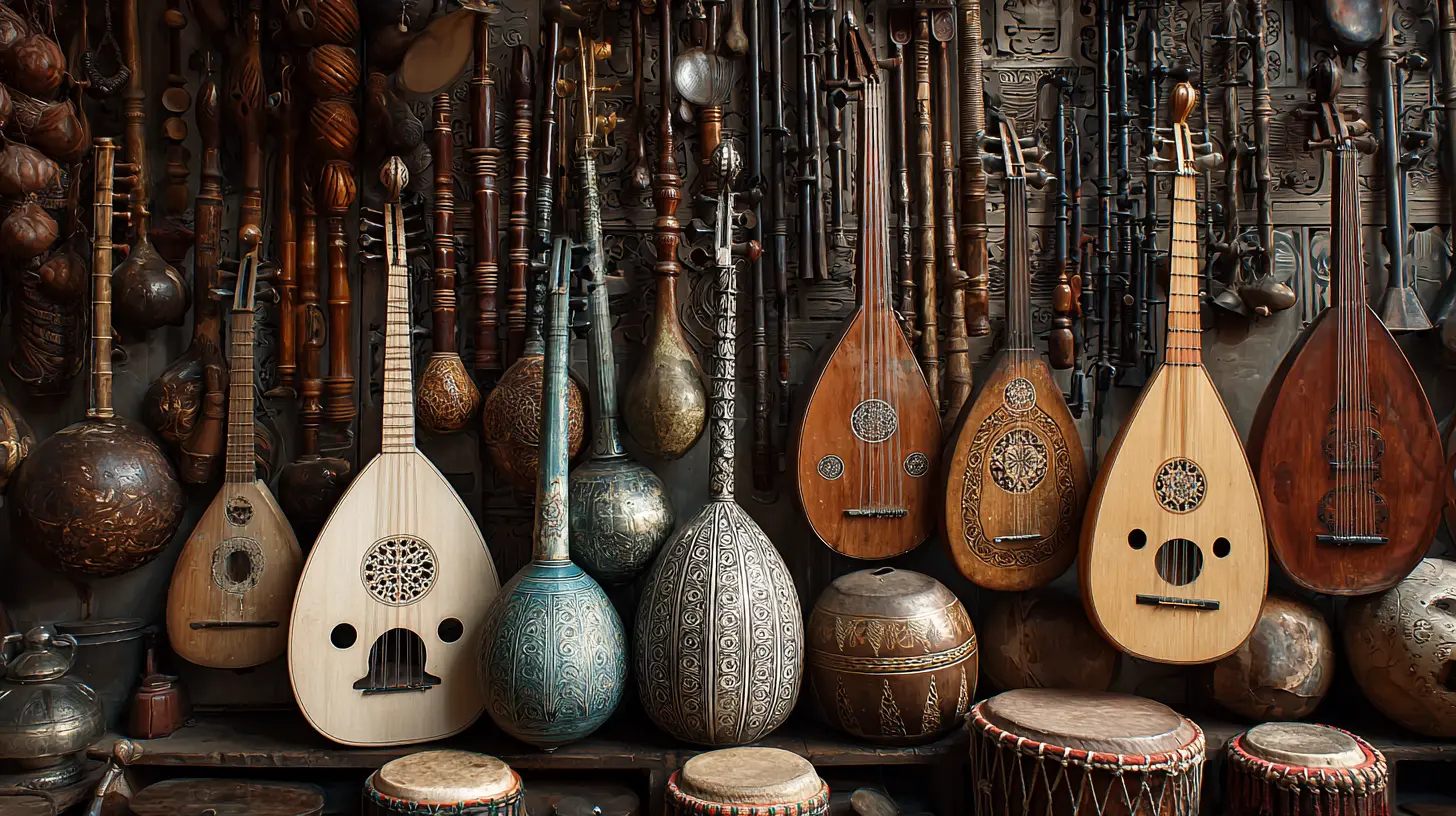
Asia: Strings, Bells, and Mystical Tones
Asian music is rich with history and tradition, often focusing on melody and serenity. Many Asian instruments are centuries old, and their sounds evoke deep emotions.Guqin – The Ancient Wisdom of China
The guqin is more than just a musical instrument; it's a symbol of wisdom and Chinese philosophy. With over 3,000 years of history, this seven-stringed zither was once played by scholars, poets, and emperors.Its delicate, flowing tones are meant for deep reflection. Unlike flashy instruments, the guqin is subtle and requires a keen ear to appreciate its beauty. It’s an instrument that teaches patience—both in learning and in listening.
Tabla – The Mesmerizing Beat of India
The tabla is a fundamental part of Indian classical music. This pair of hand-played drums creates intricate rhythms that can range from energetic to soothing.Tabla players, known as tabla masters, use their fingers and palms to produce an astonishing variety of sounds. Each touch of the drum can create a different note, making it one of the most expressive percussion instruments in the world.
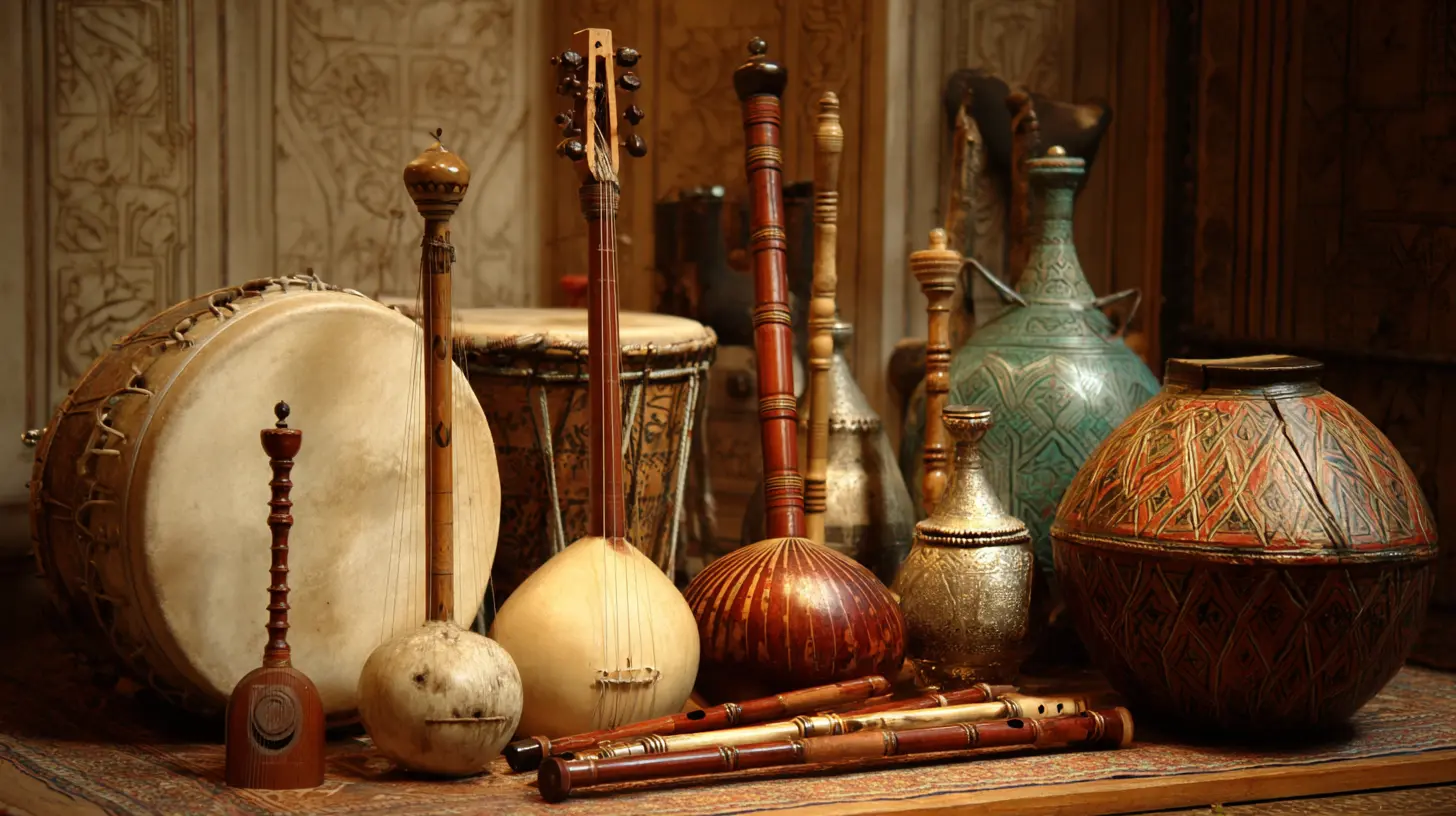
Europe: Echoes of History in Every Note
European music has evolved over centuries, but traditional instruments still hold a special place in cultural heritage.Bagpipes – The Voice of the Highlands
When you think of Scotland, you probably imagine a lone piper on a misty hill playing the hauntingly beautiful sound of bagpipes. This instrument has been a symbol of Scottish pride and history for centuries.Bagpipes consist of a bag, drones, and a chanter. The player blows air into the bag and uses their fingers to control the melody. Originally, they were played in battles to send messages across the field. Today, they are still used in ceremonies, parades, and folk music.
Hurdy-Gurdy – The Forgotten Medieval Treasure
The hurdy-gurdy is one of Europe’s most unusual string instruments. It looks like a violin but is played using a rotating wheel that rubs the strings, creating continuous sound.It was once the star of medieval fairs and royal courts. The hurdy-gurdy's almost mechanical yet melodious sound makes it stand out. Although not as popular today, folk musicians in France, Hungary, and Spain still keep its legacy alive.
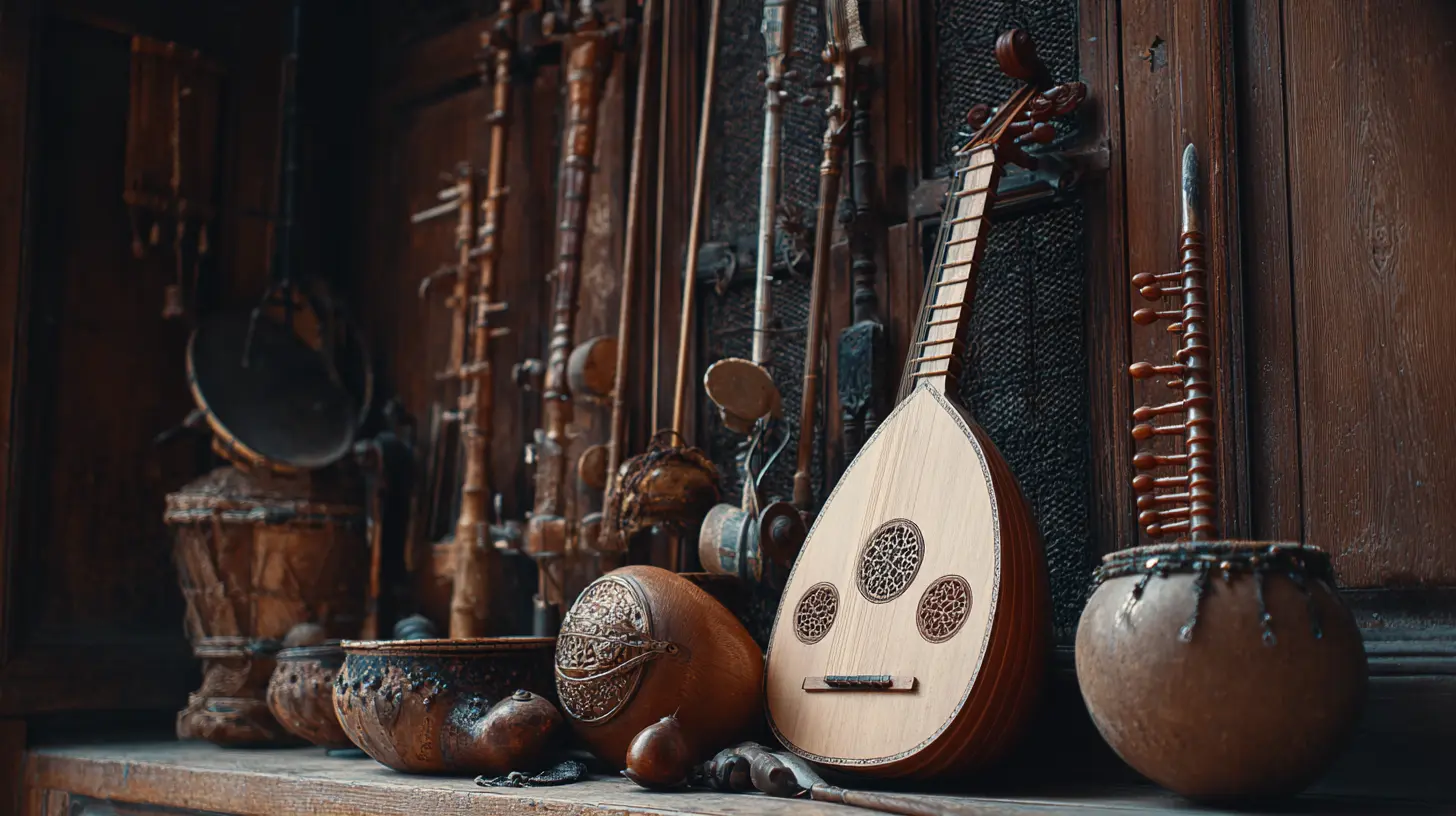
The Americas: A Blend of Indigenous and Colonial Sounds
Music in the Americas is a melting pot of cultures, with indigenous traditions merging with European and African influences.Pan Flute – The Breath of the Andes
The pan flute, or panpipes, is an iconic instrument of the Andean region in South America. Made from hollow reeds of different lengths, it produces a soft, airy sound when blown into.Indigenous people have used the pan flute for centuries to imitate the sounds of nature, particularly the wind. Its melodies are both peaceful and haunting, evoking images of vast mountain landscapes.
Banjo – The Soulful Twang of America’s South
The banjo is most commonly associated with American folk and bluegrass music, but its origins trace back to Africa. Enslaved Africans brought early forms of the banjo to the Americas, where it evolved into the instrument we recognize today.With its distinctive twang and fast-paced picking style, the banjo has played a major role in shaping country and folk music. It’s an instrument that carries both joy and sorrow in its melodies, reflecting the diverse history of the people who played it.
Oceania: Instruments That Echo the Land
The indigenous cultures of Australia and the Pacific islands have unique instruments deeply tied to the land and spirituality.Didgeridoo – The Voice of the Outback
Few instruments are as closely tied to a culture as the didgeridoo is to Australia’s Aboriginal people. Made from hollowed-out eucalyptus trunks, this ancient instrument produces a deep, droning sound that mimics the earth itself.Playing the didgeridoo requires circular breathing—a technique where the player breathes in through the nose while continuously blowing air out of the mouth. Traditionally, it was used in ceremonies, storytelling, and even healing practices.
Te Pahu – The Sacred Drums of Polynesia
The te pahu is a large, wooden drum used in Polynesian cultures, particularly in Hawaii and Tahiti. It’s considered a sacred instrument, often played in religious rituals and hula performances.The deep, resonant beats of the te pahu aren’t just for music; they’re a means of communication with ancestors and deities. Every beat carries meaning, connecting the past with the present.
Final Thoughts: The Universal Language of Music
No matter where you go in the world, people have found ways to create music that reflects their culture, history, and emotions. These traditional instruments aren’t just objects—they’re storytellers, history keepers, and symbols of identity.Some instruments may fade into the past, while others continue to evolve, blending with modern music. But one thing is certain: as long as humans exist, we will always find ways to make music, to share our stories, and to keep traditions alive through sound.
So next time you hear the rhythmic beat of a drum, the delicate strum of a string, or the haunting call of a flute, take a moment to listen closely—it’s the sound of history whispering through time.
all images in this post were generated using AI tools
Category:
Cultural ExperiencesAuthor:

Winona Newman
Discussion
rate this article
1 comments
Maria McGonagle
Music is a universal language that echoes cultural stories. Exploring traditional instruments reveals the heart of each community, connecting us to their history and passions in a way words simply can't.
June 6, 2026 at 4:26 AM