The Role of Perspective in Travel Photography: Changing the Way You See
2 January 2026
Travel photography is more than just snapping pictures of beautiful places—it's about capturing moments that tell a story. Have you ever looked at a photo and felt like you were right there, breathing in the salty air of a coastal town or getting lost in the dazzling lights of a bustling city? That’s the magic of perspective.
Perspective in photography isn't just about angles; it’s about how you see the world. A shift in viewpoint can turn a mundane scene into a masterpiece. So, how can you harness the power of perspective to elevate your travel photography? Let’s dive in. 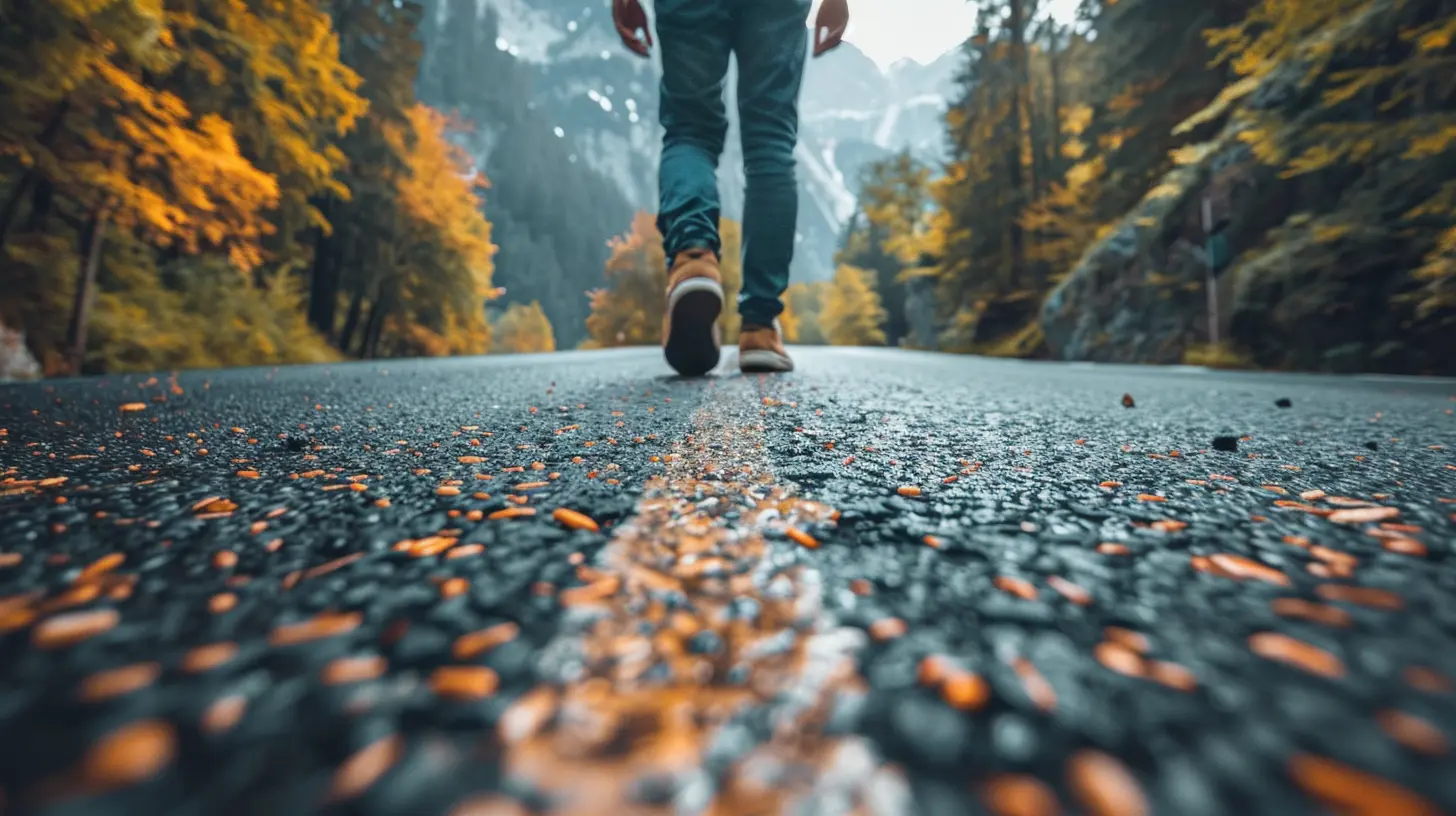
The Importance of Perspective in Travel Photography
When you think about perspective in travel photography, imagine it as a lens through which you experience the world. It’s what makes a photo unique, personal, and compelling. Two people can photograph the same location, yet their images can look completely different—all because of perspective.It determines how you frame a subject, compose a shot, and convey emotion. A well-thought-out perspective can evoke feelings of wonder, nostalgia, or even mystery.
Let’s break it down into some key aspects. 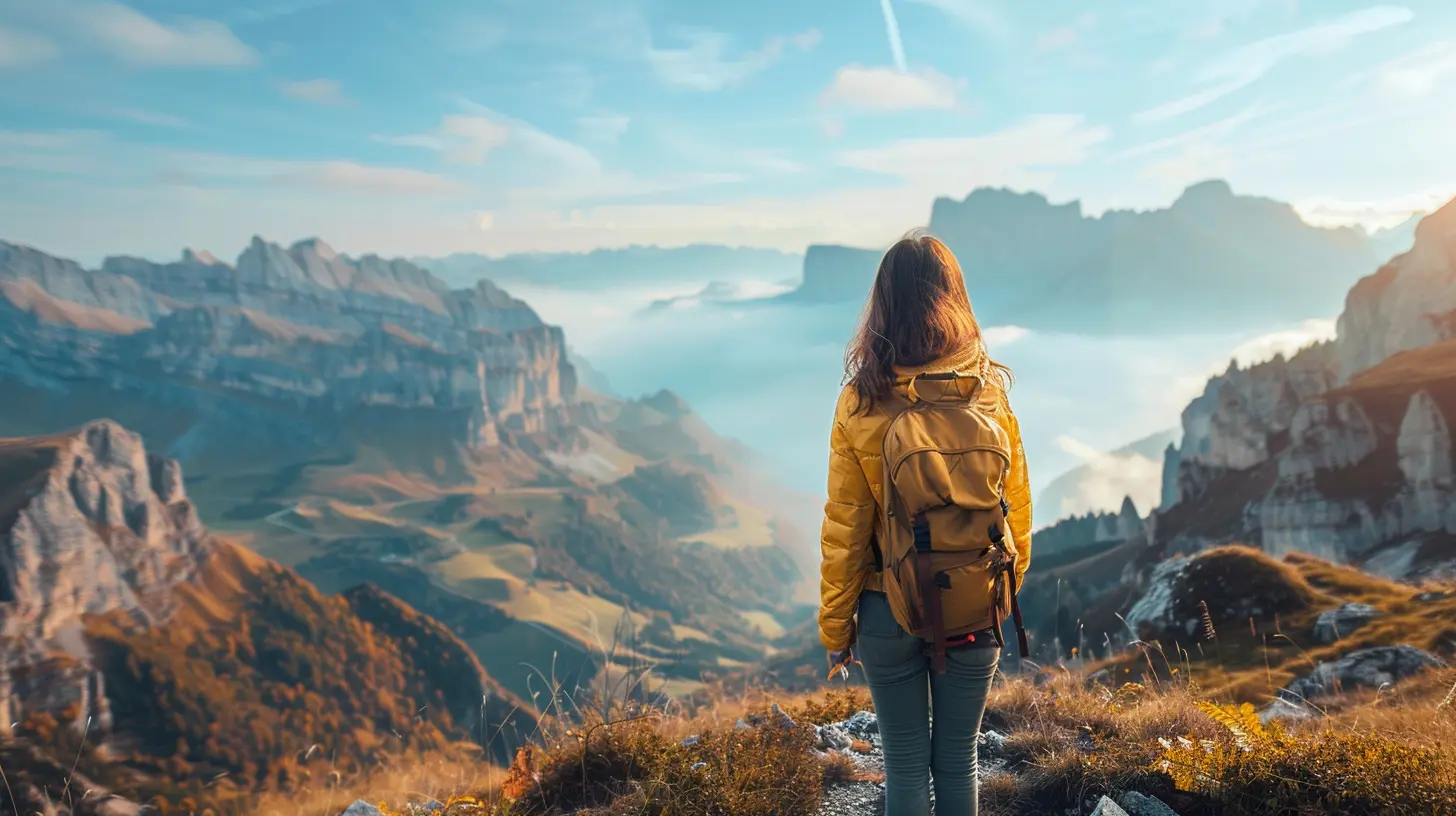
1. Angles Change Everything
Ever noticed how a simple shift in angle can turn an ordinary shot into a breathtaking one? Shooting from above, below, or sideways gives a new dimension to your photos.- Eye-Level Shots: The default perspective, great for storytelling but can be predictable.
- Bird’s-Eye View: Shooting from above adds grandeur—think drone shots capturing landscapes in all their glory.
- Worm’s-Eye View: A low-angle perspective can make subjects appear larger-than-life, great for iconic structures like the Eiffel Tower or towering palm trees.
- Tilted Angles (Dutch Angle): Gives a funky, dynamic look, perfect for urban photography or quirky portraits.
Next time you're about to snap a photo, ask yourself—can I change my angle for a more dramatic effect? 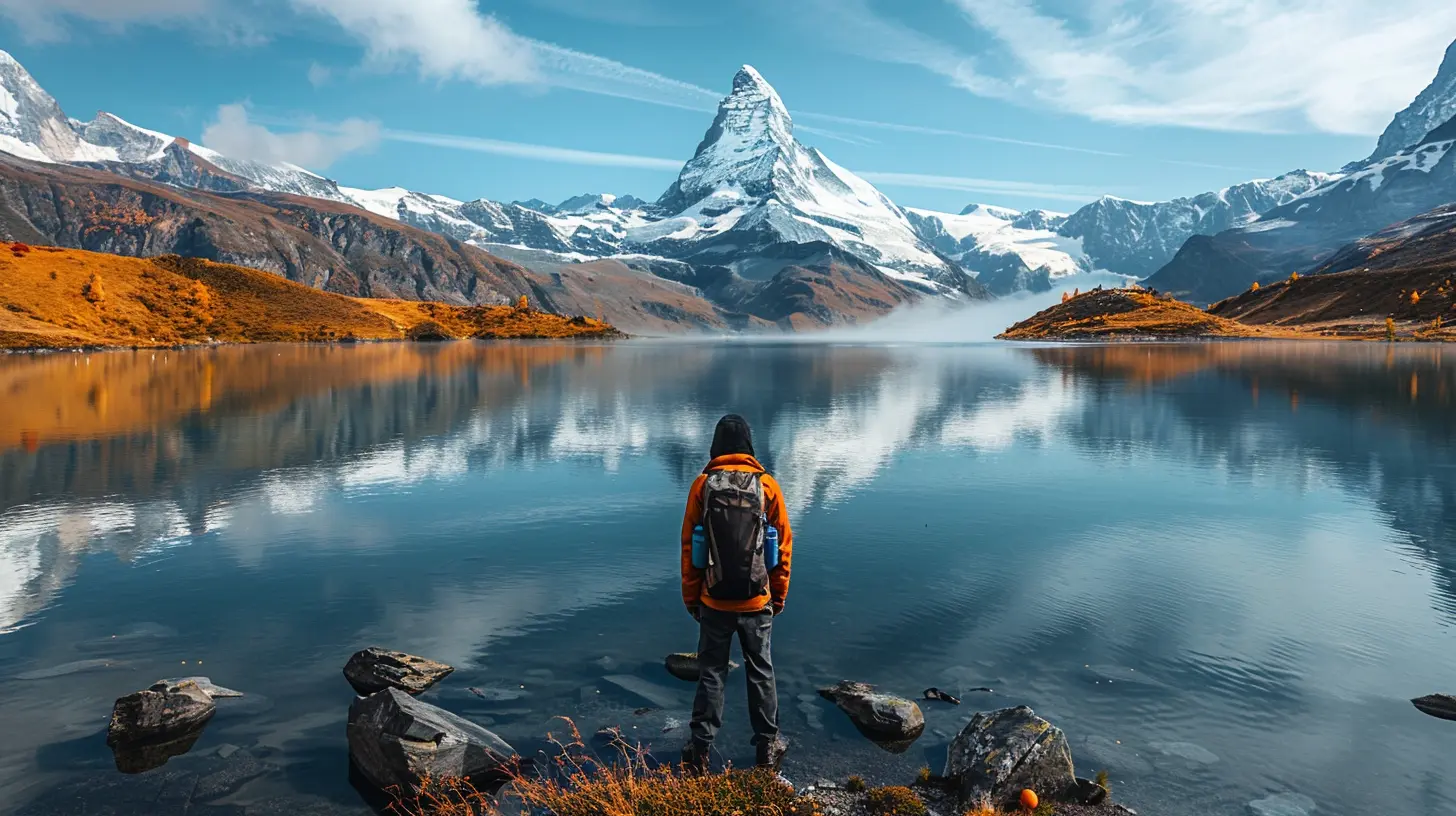
2. Foreground, Midground, Background: Layering for Depth
Flat photos don’t do justice to the real-world experience. You want depth, movement, and dimension. How do you achieve that? By layering!- Foreground: Adds context and a sense of scale. A pop of flowers, a cobblestone street, or raindrops on a windowpane can set the stage.
- Midground: This is usually the primary subject, like a lone traveler, a vibrant market, or a historic monument.
- Background: Provides depth and narrative. A sunrise, mountains, or even city chaos can add meaning to your shot.
By incorporating elements in all three layers, your photo sucks the viewer right into the scene. 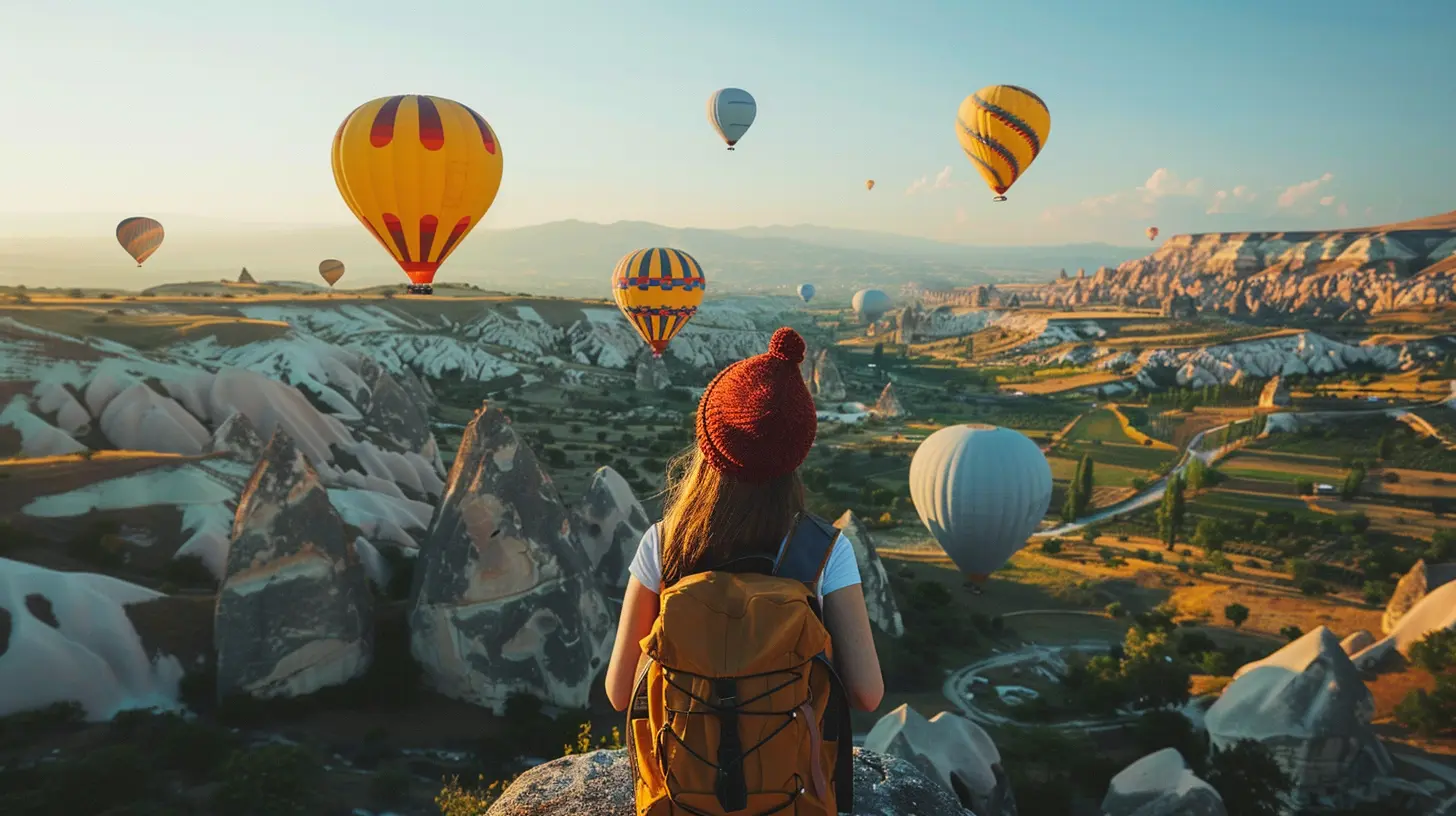
3. Playing with Scale and Proportion
Want to make a person look tiny compared to a colossal mountain? Or make an object appear surrealistically large? Scale manipulation can add drama and interest to your photography.- Use wide-angle lenses to exaggerate depth and space.
- Frame people against vast landscapes to emphasize scale.
- Get close to an object with a wide-angle lens to distort size and create intrigue.
Think of it like a magician playing tricks on your eyes—your shot can create a sense of wonder and surprise.
4. Reflections and Shadows: A Hidden Perspective
Reflections and shadows introduce movement and mystery to an image. They make the viewer pause and take a second look.- Capture reflections in puddles, mirrors, glass, or even sunglasses.
- Use shadows to add contrast and drama—think of long silhouettes at sunset.
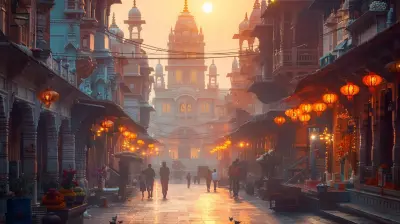
- Experiment with light sources for unique effects—golden hour, neon lights, moonlit silhouettes.
A well-placed reflection can turn an ordinary photo into a double-exposure masterpiece.
5. The Human Element: Relatability in Travel Photography
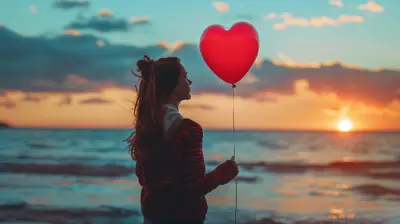
People bring life to travel photography. Whether it’s a local vendor, a street musician, or even your own silhouette against a sunset, the human element adds relatability.- Candid shots capture emotions and raw moments.
- Street portraits tell stories of culture and daily life.
- Using a subject’s posture or placement can guide the viewer’s eye through the image.
Including people bridges the gap between viewer and scene, making the photo feel more immersive.
6. Framing: Using the Environment Creatively
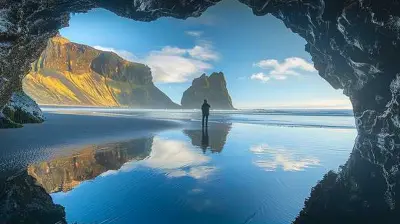
Framing is a fantastic compositional tool. You can use natural or man-made elements to create a window within your shot.- Doorways and arches serve as classic frames.
- Tree branches or rock formations add a natural vignette effect.
- Architectural elements can guide focus—imagine looking through a keyhole onto a city skyline.
A well-framed shot draws the eye directly to the subject and creates an intimate, storytelling feel.
7. Perspective and Colors: The Psychology of Visual Impact
Colors aren’t just about aesthetics; they influence emotions and perception. Complementary colors create harmony, while contrasting colors add vibrancy.- Warm tones (reds, oranges, yellows) evoke energy and excitement.
- Cool tones (blues, greens, purples) create a sense of calm and serenity.
- Monochrome (black and white) emphasizes shapes, textures, and emotions.
Using color strategically can completely shift the mood of an image, making it more eye-catching and evocative.
8. Breaking the Rules: Unconventional Perspectives
Not every shot has to follow conventional composition rules. Sometimes, breaking them results in the most memorable photos.- Off-Centered Subjects: Rule of thirds is great, but sometimes dead-center can be striking.
- Blurry Foregrounds: Adds an artistic, dreamy effect.
- Abstract Angles: Go weird—shoot through objects, reflections, or motion blur.
Some of the most iconic travel photos come from happy accidents and creative rule-breaking.
9. Post-Processing: Refining Perspective Without Losing Authenticity
Editing can enhance perspective but should never overshadow reality. Over-processing can make a photo feel fake, stripping it of its natural charm.- Adjust brightness, contrast, and saturation for balance.
- Use selective sharpening to draw focus.
- Crop strategically to refine composition.
Editing should serve as a polishing tool, not a crutch. The magic starts in the way you shoot, not in how you edit.
Final Thoughts: Perspective Changes Everything
Travel photography isn't just about documenting places—it's about seeing the world differently. When you play with angles, layers, and creative techniques, you transform ordinary scenes into cinematic stories.So next time you’re out exploring, don’t just snap a quick pic. Step back, squat down, climb up, peek through, and ask yourself: How can I see this differently? Because sometimes, a simple shift in perspective is all it takes to turn a good photo into a masterpiece.
Happy travels and happy snapping!
all images in this post were generated using AI tools
Category:
Travel PhotographyAuthor:

Winona Newman
Discussion
rate this article
2 comments
Ardyn Elliott
Who knew perspective could be the ultimate travel buddy? Forget a suitcase full of clothes—just pack your lens and a sense of adventure! Snap away and let the world surprise you!
January 26, 2026 at 4:24 AM
Winona Newman
Absolutely! Perspective transforms every scene into a unique story, making travel photography an adventure in itself. Just a lens and an open mind can reveal countless wonders!
Hudson Clayton
This article beautifully highlights how perspective transforms travel photography. It’s fascinating to think about how a simple shift in viewpoint can unveil hidden beauty in familiar places!
January 8, 2026 at 3:27 AM
Winona Newman
Thank you! I'm glad you found the article insightful. Perspective truly does change everything in photography!