The Role of Ceramics in Cultural Storytelling
26 May 2026
Ever looked at a piece of ancient pottery and wondered about the hands that shaped it or the stories it holds? Ceramics have been more than just functional objects; they are time capsules of history, whispering tales of civilizations long gone. From intricate symbols to vibrant patterns, these clay creations have preserved cultural narratives for centuries. But how exactly do ceramics tell a story? Let's dive in and find out!
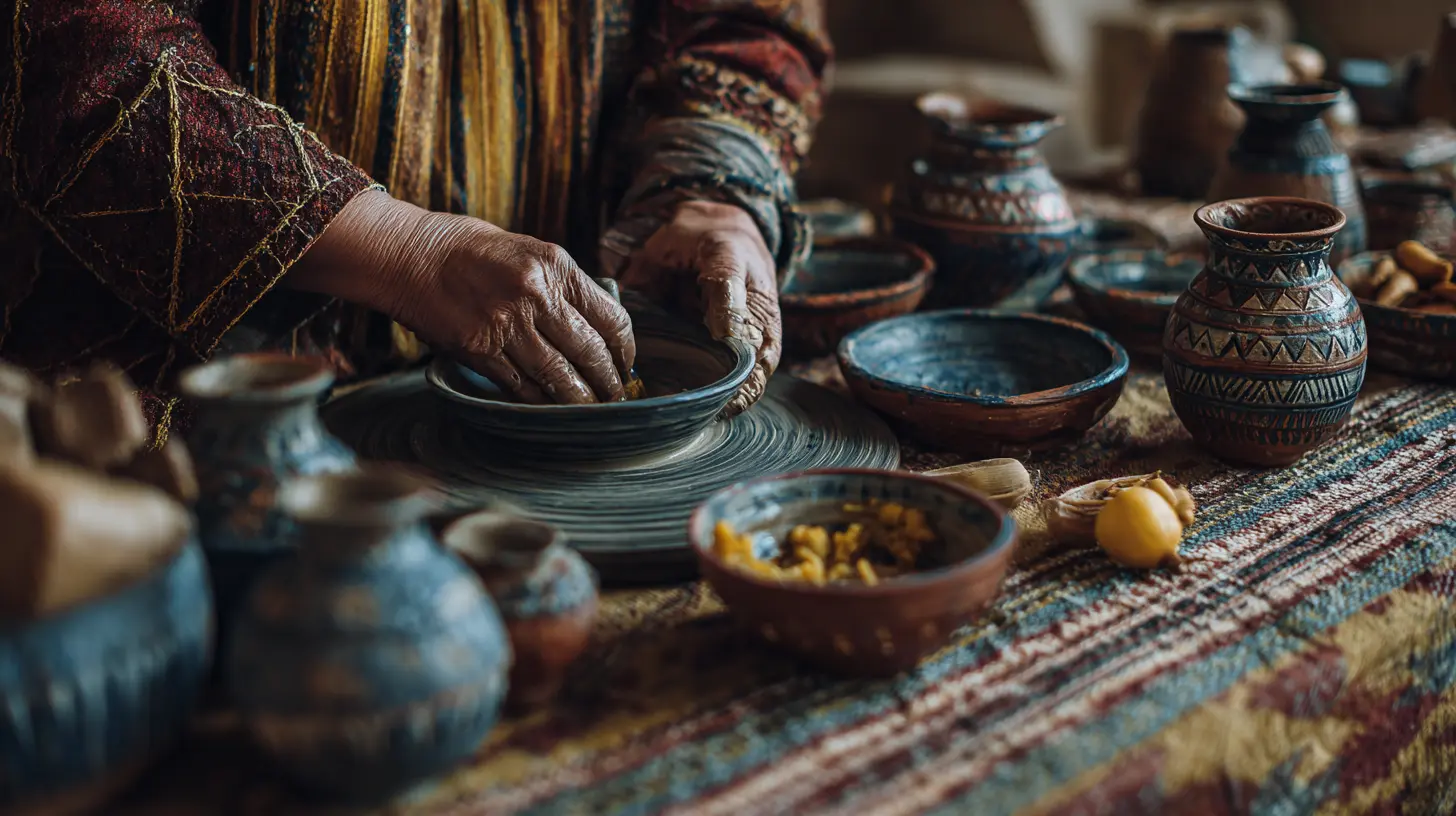
Ceramics: More Than Just Clay and Fire
At first glance, ceramics might seem like just another form of art or kitchenware. But scratch beneath the surface, and you'll find layers of cultural significance baked into every piece. Civilizations across the world have used ceramics to document their daily lives, beliefs, and traditions. Whether through decorative motifs, functional designs, or burial artifacts, ceramics have always been more than meets the eye.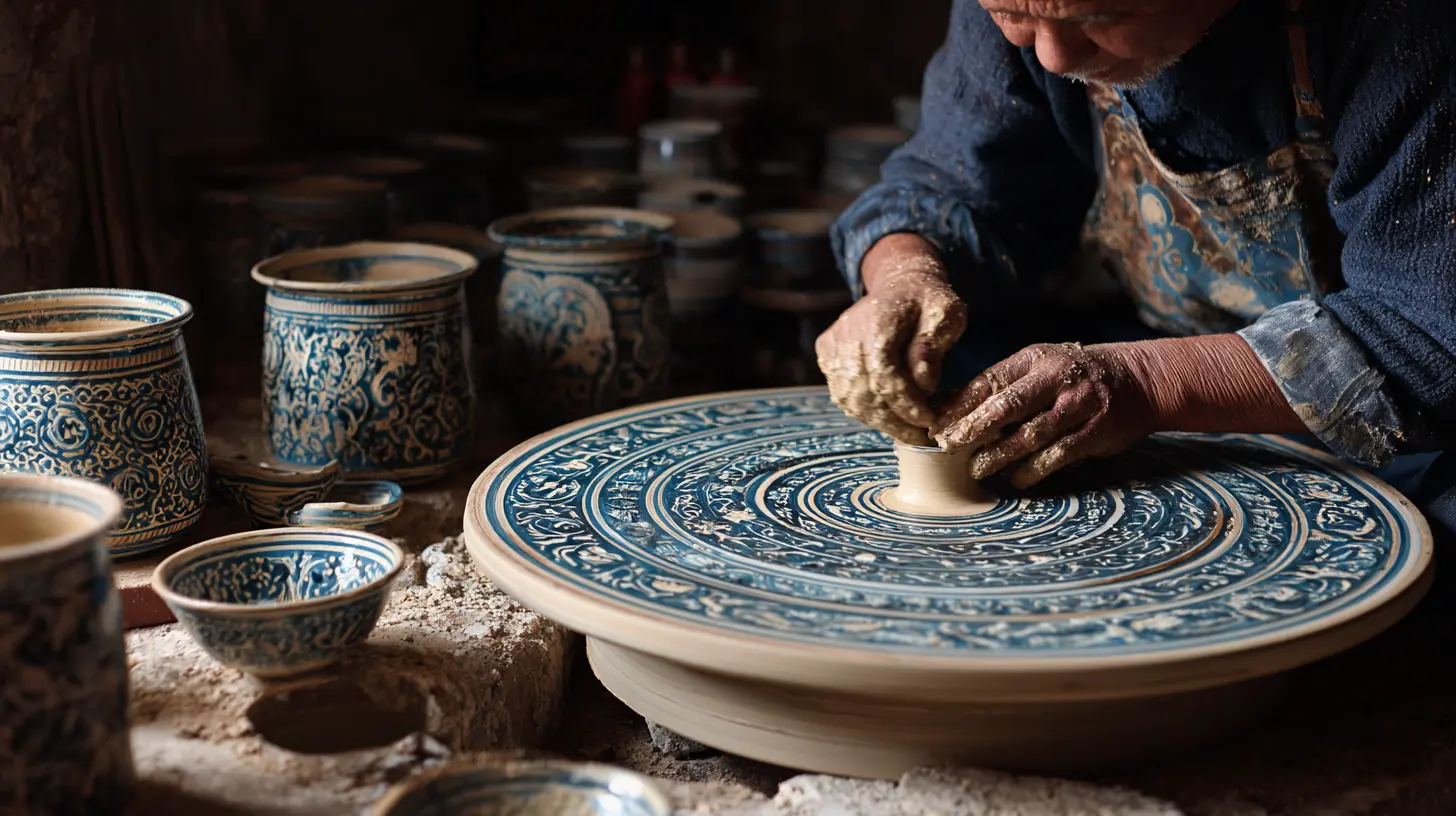
A Journey Through Time: Ceramics as Historical Record Keepers
Ancient Civilizations and Their Ceramic Legacy
Every culture has left its imprint on ceramics, turning these objects into historical storytellers. Let’s take a quick walk through history:- Mesopotamia: The cradle of civilization gave us some of the earliest examples of pottery, with cuneiform inscriptions and mythological depictions etched into clay tablets and vessels.
- Egypt: Egyptian ceramics featured symbols of gods, daily life scenes, and even instructions for the afterlife. Their pottery was as much about storytelling as it was about function.
- Greece: If you’ve ever seen an ancient Greek vase, you know they were covered in intricate black- and red-figure paintings. These detailed images told tales of gods, heroes, and epic battles.
- China: The invention of porcelain elevated Chinese ceramics to an art form. Each dynasty left its mark, weaving social and political stories into their designs.
- Mesoamerica: The Maya and Aztecs used ceramics for ritualistic purposes, often painting vessels with detailed hieroglyphs and depictions of their mythology.
No matter the culture, ceramics have always been a mirror reflecting the society that created them. 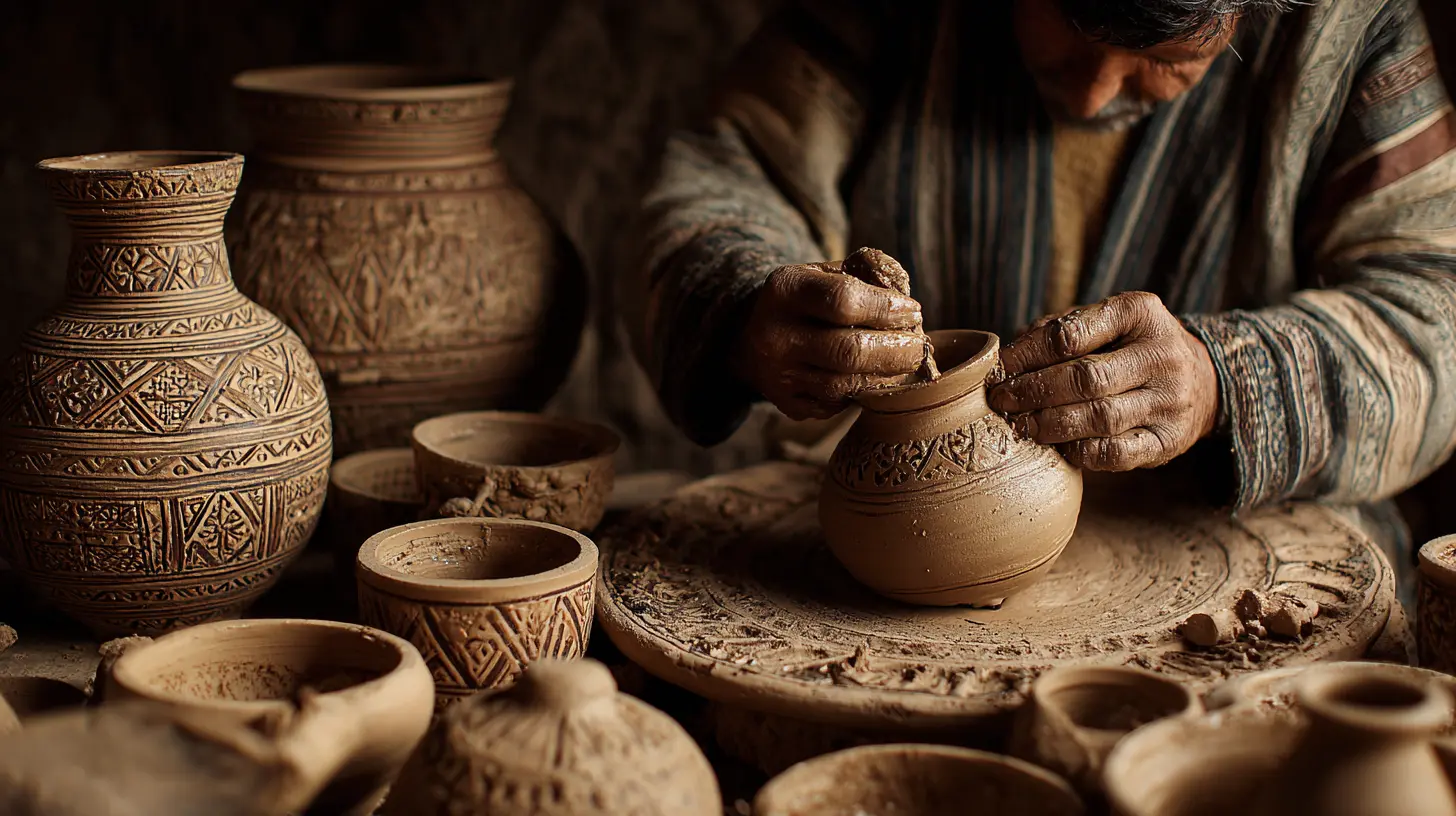
Symbolism in Ceramic Art: The Language of Clay
Ceramics aren’t just about pretty designs; every pattern and color has meaning. Many cultures use symbols to convey deeper messages, ensuring their stories live on through generations.Colors and Patterns
- Red often symbolizes life, energy, or even war.- Blue, particularly in Chinese porcelain, represents immortality and harmony.
- Spirals, geometric patterns, and animal figures often hold religious or spiritual significance.
Each culture infuses its ceramics with symbols that give insight into their beliefs, values, and way of life. These aren’t just pots; they’re coded messages from the past. 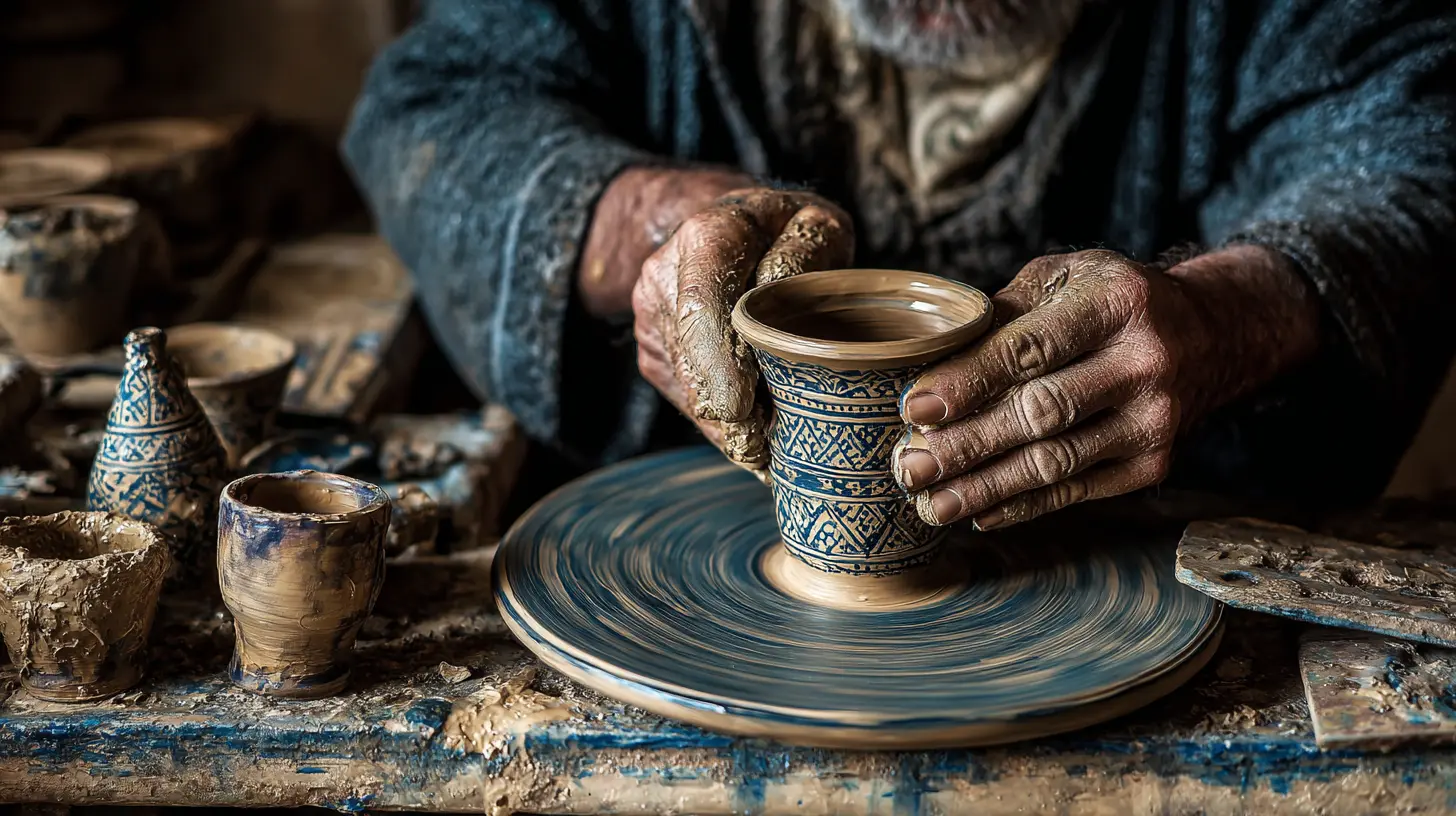
Ceramics in Rituals and Traditions
Beyond historical documentation, ceramics have played a role in rituals, ceremonies, and traditions across cultures.Birth, Life, and Death
- Birth Ceremonies: Some cultures create small ceramic figures for newborns, believed to protect them from evil spirits.- Daily Life: From cooking pots to storage jars, ceramics were an essential part of everyday existence. Their designs often reflected the social class and occupation of the owner.
- Burial Practices: Many ancient societies, like the Egyptians and Chinese, placed ceramic objects in tombs to accompany the dead into the afterlife. These artifacts served as tools for survival in the next world.
Spiritual and Religious Use
Many religious rituals incorporate ceramic vessels, from offerings to sacred water storage. Whether Hindu puja pots, Christian chalices, or Native American ceremonial bowls, ceramics have always played a part in the spiritual realm.Modern Ceramics: Carrying Traditions Forward
Even today, ceramics continue to tell cultural stories. Many indigenous communities still create pottery using traditional methods, ensuring their heritage is passed down through generations. Meanwhile, contemporary ceramic artists use their craft to express social and political themes, merging the past with the present.Preserving Culture Through Handmade Pottery
Artisans worldwide keep ancient techniques alive, ensuring that traditional craftsmanship doesn’t fade into history. Whether through Japanese Raku pottery, Peruvian black ceramics, or Native American Pueblo pottery, these pieces serve as cultural touchstones.Contemporary Storytelling Through Ceramics
Modern ceramicists blend tradition with innovation, using clay to address current social issues, identity struggles, and heritage preservation. Their work proves that clay isn't just for the past—it's still shaping the future.Why Ceramics Remain Timeless
So why do ceramics continue to be so important? Because they are one of the few art forms that can withstand the test of time. Unlike paper or fabric, fired clay pieces don’t deteriorate easily, making them perfect vessels for preserving history.What’s truly fascinating is that, even if we lose written records, we can still piece together a civilization’s story through ceramics. They are the storytellers that never stop speaking, carrying the past into the present.
Final Thoughts
The role of ceramics in cultural storytelling is undeniable. These humble clay creations do more than hold water or decorate homes—they carry millennia of history, traditions, and beliefs. Every piece tells a story, whether it’s an ancient pot from an archaeological dig or a handcrafted souvenir from a local artisan.So, the next time you come across a ceramic artifact or even a simple handmade mug, take a moment to appreciate the stories baked into it. You never know what history it might hold!
all images in this post were generated using AI tools
Category:
Cultural ExperiencesAuthor:

Winona Newman
Discussion
rate this article
1 comments
Leslie Diaz
I loved this article! It beautifully highlights how ceramics connect us to history and the stories of cultures.
June 8, 2026 at 4:17 AM
Winona Newman
Thank you! I'm glad you enjoyed it and found the connections meaningful. Ceramics truly are a window into our shared heritage.