The Cultural Importance of Traditional Story Circles
1 June 2026
Storytelling is as old as humanity itself. Before books, television, and social media, people gathered around fires, under starry skies, or in cozy homes to share tales passed through generations. One of the most powerful storytelling traditions is the story circle—a communal, interactive way of sharing narratives that unite people through shared experiences, lessons, and emotions.
But why are these traditional story circles so important? And what can they teach us today in an era of non-stop digital content? Let's dive into the heart of this cultural gem and uncover why storytelling in circles continues to hold deep significance around the world. 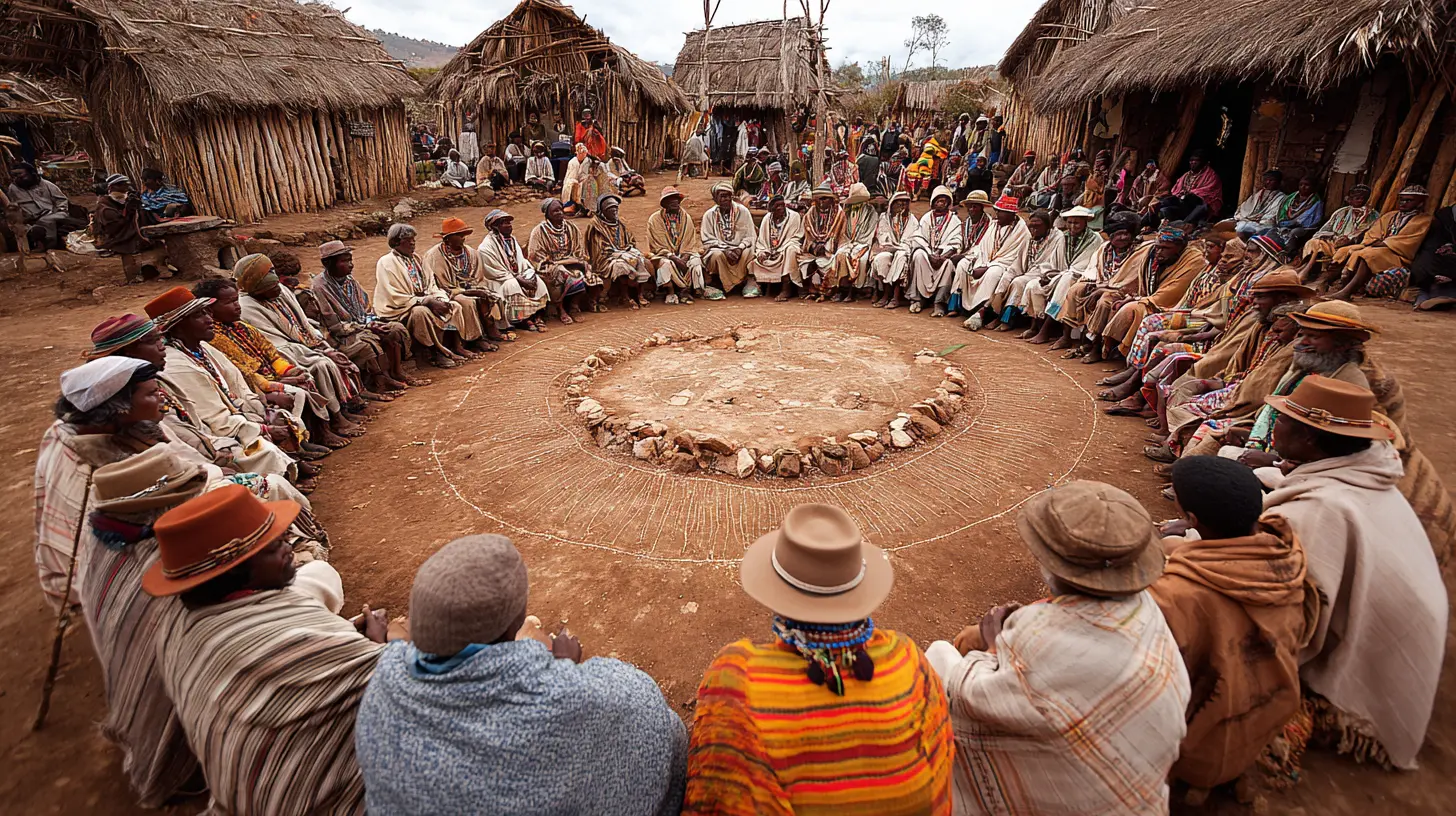
What is a Story Circle?
A story circle is a gathering where people sit together and share stories, often orally. These stories can be personal experiences, myths, legends, or fables that carry wisdom, laughter, and sometimes even warnings about life's challenges.The beauty of a story circle lies in its simplicity—no scripts, no rehearsals, just raw, heartfelt storytelling. It’s a space where everyone listens and contributes, making it a deeply interactive and communal experience. 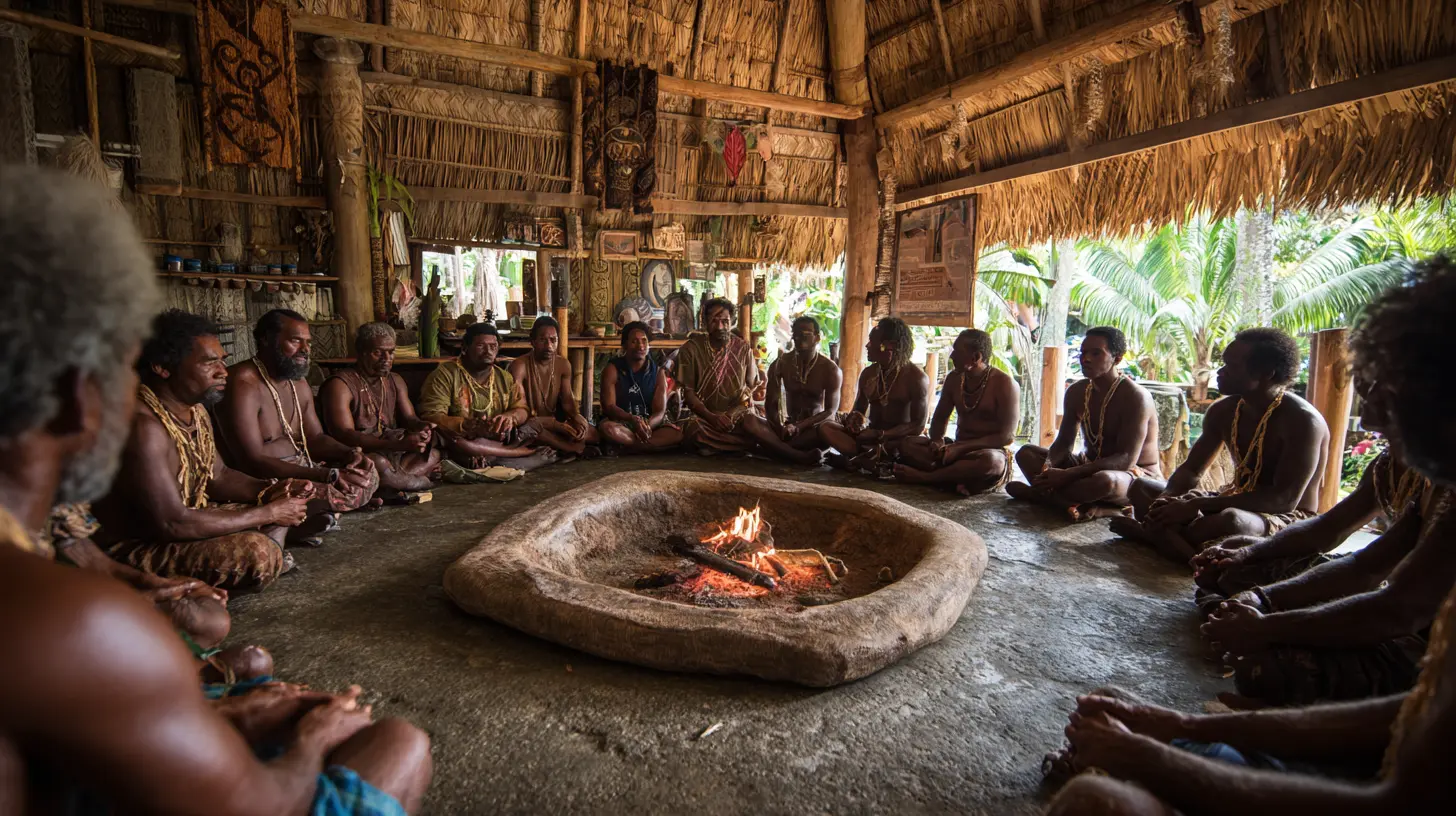
The Cultural Roots of Story Circles
Indigenous Traditions
For many Indigenous cultures worldwide, story circles are sacred. They are used not just for entertainment but for passing down history, spiritual beliefs, and moral lessons.- Native American Tribes: Many tribes in North America rely on oral tradition to preserve their history. Elders tell stories to younger generations, ensuring their heritage remains alive.
- Australian Aboriginal Communities: Dreamtime stories, often shared in circles, explain the origins of their land, animals, and customs.
- African Storytelling Circles: In many African tribes, the village gathers around a fire to listen as griots (storytellers) share tales of ancestors, gods, and heroic figures.
Story Circles in Other Cultures
It’s not just Indigenous communities that treasure storytelling circles. Many cultures, from the Celts of Ireland to the nomadic Bedouins of the Middle East, have long embraced the tradition of sitting together and weaving tales.- Irish Fireside Stories: A beloved tradition where families narrate folktales over a warm fire.
- Bedouin Desert Tales: Told over tea in the vast deserts, these stories carry wisdom about survival and honor. 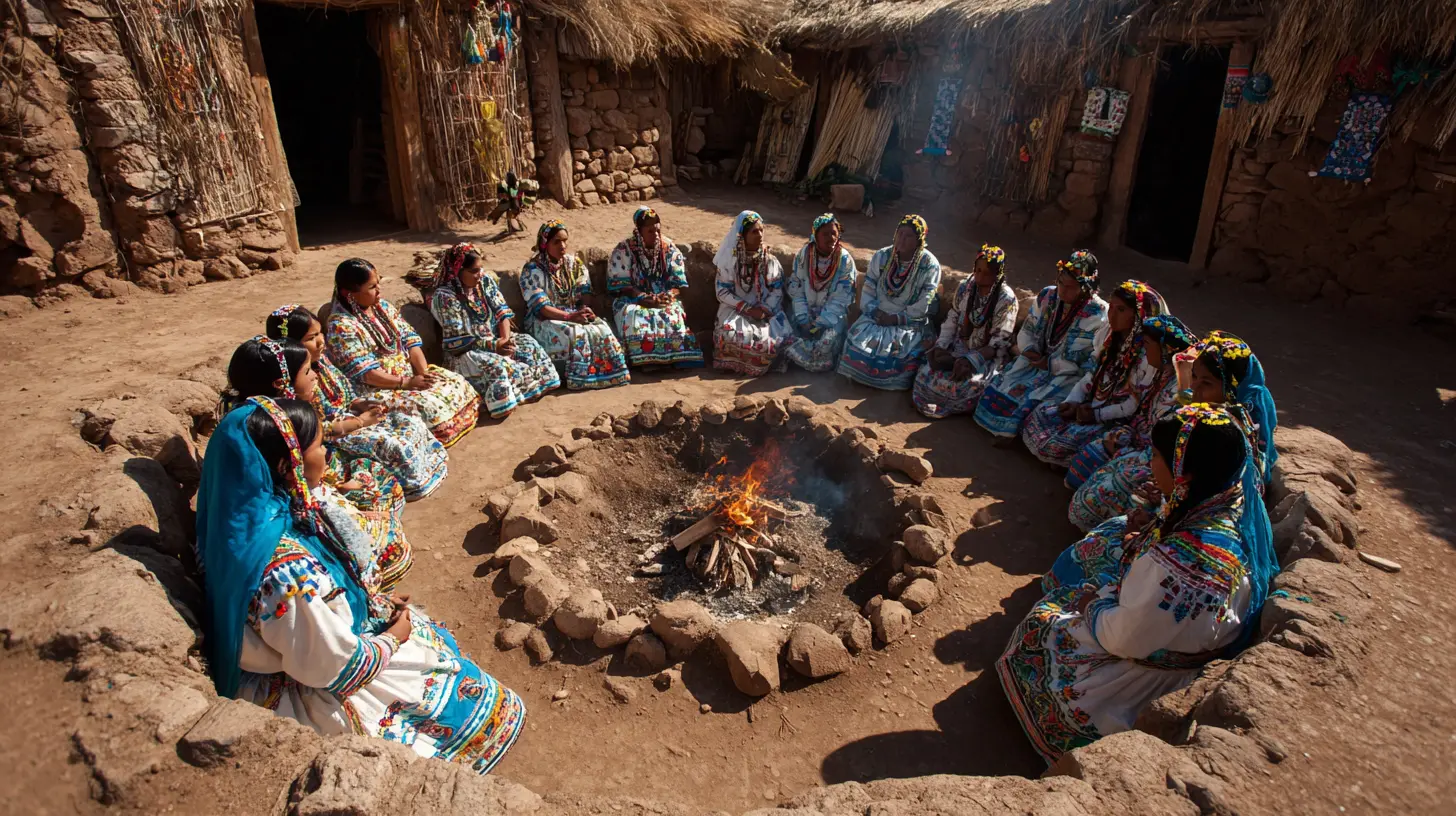
The Role of Story Circles in Society
Why have story circles survived for so long? Because they serve powerful cultural and social functions.1. Preserving Oral Traditions
Before written language, stories were passed down by word of mouth. Without story circles, much of human history would have been lost. These gatherings ensure that a culture’s history, legends, and moral teachings live on through generations.2. Strengthening Community Bonds
Story circles create a sense of belonging. When people gather to share experiences, they build stronger relationships. It’s not just about the story—it’s about the shared emotions, the laughter, the lessons learned together.3. Teaching Lessons Through Stories
Often, the best way to teach a lesson is through a story. Think of Aesop’s Fables or ancient parables. Many traditional stories carry deep meanings about kindness, courage, and wisdom. And because they’re told in a personal way, they stick with us more than a simple lecture ever could.4. Emotional Healing & Expression
Ever noticed how good it feels to share your story with someone who genuinely listens? Story circles offer a safe space for people to express their emotions, share personal struggles, and heal through storytelling. In many cultures, storytelling is used as therapy—helping people cope with grief, trauma, and change.5. Preserving Language & Identity
Many endangered languages survive today because of oral storytelling traditions. When a story is told in its native tongue, it helps to keep the language alive and relevant to younger generations.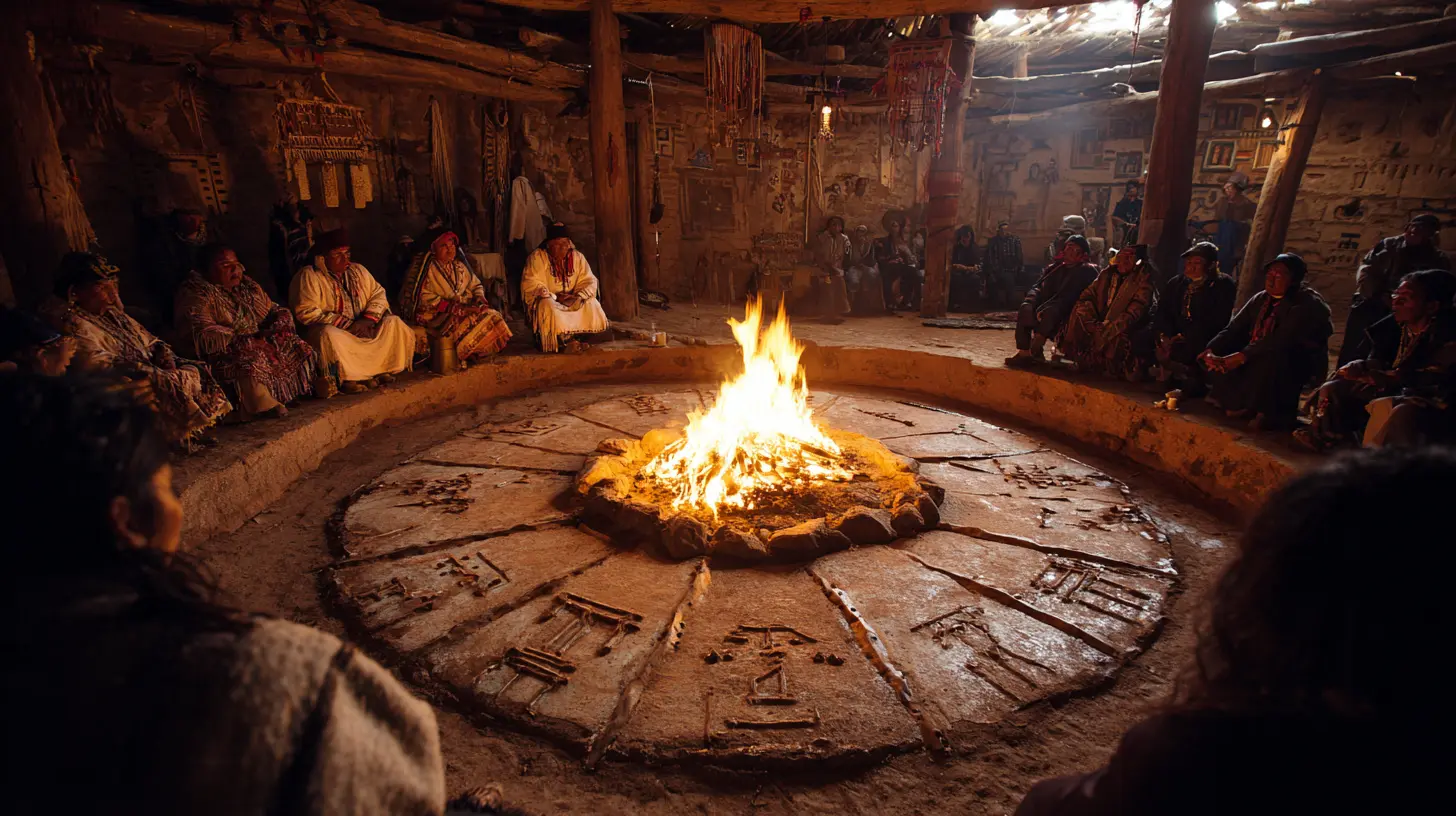
Modern-Day Story Circles – Are They Still Relevant?
Absolutely! Even in our fast-paced, tech-driven world, story circles hold a valuable place in society. In fact, many educators, therapists, and community organizers actively use storytelling as a tool for connection and learning.Story Circles in Education
Teachers often use storytelling as a way to grab students’ attention and make lessons more engaging. Rather than just memorizing facts, students learn concepts through narrative and imagination.Story Circles in Therapy
Many therapy sessions incorporate storytelling as a way for individuals to express themselves. Whether it’s group therapy for trauma survivors or writing workshops for mental health, storytelling provides an outlet for personal expression and healing.Story Circles in Corporate & Leadership Training
Believe it or not, many business leaders use storytelling techniques to strengthen leadership skills and improve teamwork. Companies have started using structured story circles to foster creativity, innovation, and problem-solving among employees.How to Create Your Own Story Circle
Interested in starting your own story circle? Here are some quick tips!1. Gather a group – It could be family, friends, or even a broader community.
2. Set a comfortable space – Whether it’s around a campfire, in a cozy living room, or at a park, make sure the atmosphere is welcoming.
3. Establish simple guidelines – Encourage active listening, respect, and participation.
4. Start with a theme (optional) – Whether it’s life lessons, childhood memories, or folklore, having a central theme can help guide the conversation.
5. Encourage openness and engagement – Everyone should feel comfortable sharing stories in their own way.
The Lasting Power of Storytelling
In an age where technology dominates our interactions, the traditional story circle reminds us of the power of human connection. It brings us back to our roots—an era where stories weren’t just content, but the lifeblood of culture, knowledge, and relationships.So, the next time you find yourself around family, friends, or even strangers, why not start a story circle? Who knows? You might just create a memory that lasts a lifetime.
all images in this post were generated using AI tools
Category:
Cultural ExperiencesAuthor:
Winona Newman