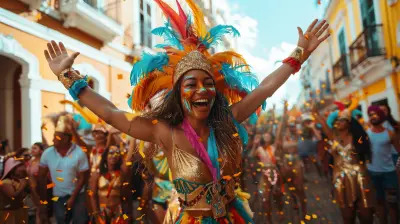
The Art of Reenactment: Reliving History Through Festivals
18 February 2026
Have you ever stood in a field, heart pounding, as drums thunder and voices roar all around you, half expecting a knight to gallop past? That electric moment where past and present blur—all thanks to the magic of historical reenactments. These aren’t just quirky costumes and stage fights; they’re living, breathing time machines fueled by passion, community, and the desire to understand where we came from.
In this deep dive into “The Art of Reenactment: Reliving History Through Festivals,” we’re going to peel back the velvet curtain and see just what makes these events so compelling. So grab your imaginary sword (or bonnet, no judgment here), and let’s travel back in time—without leaving the 21st century.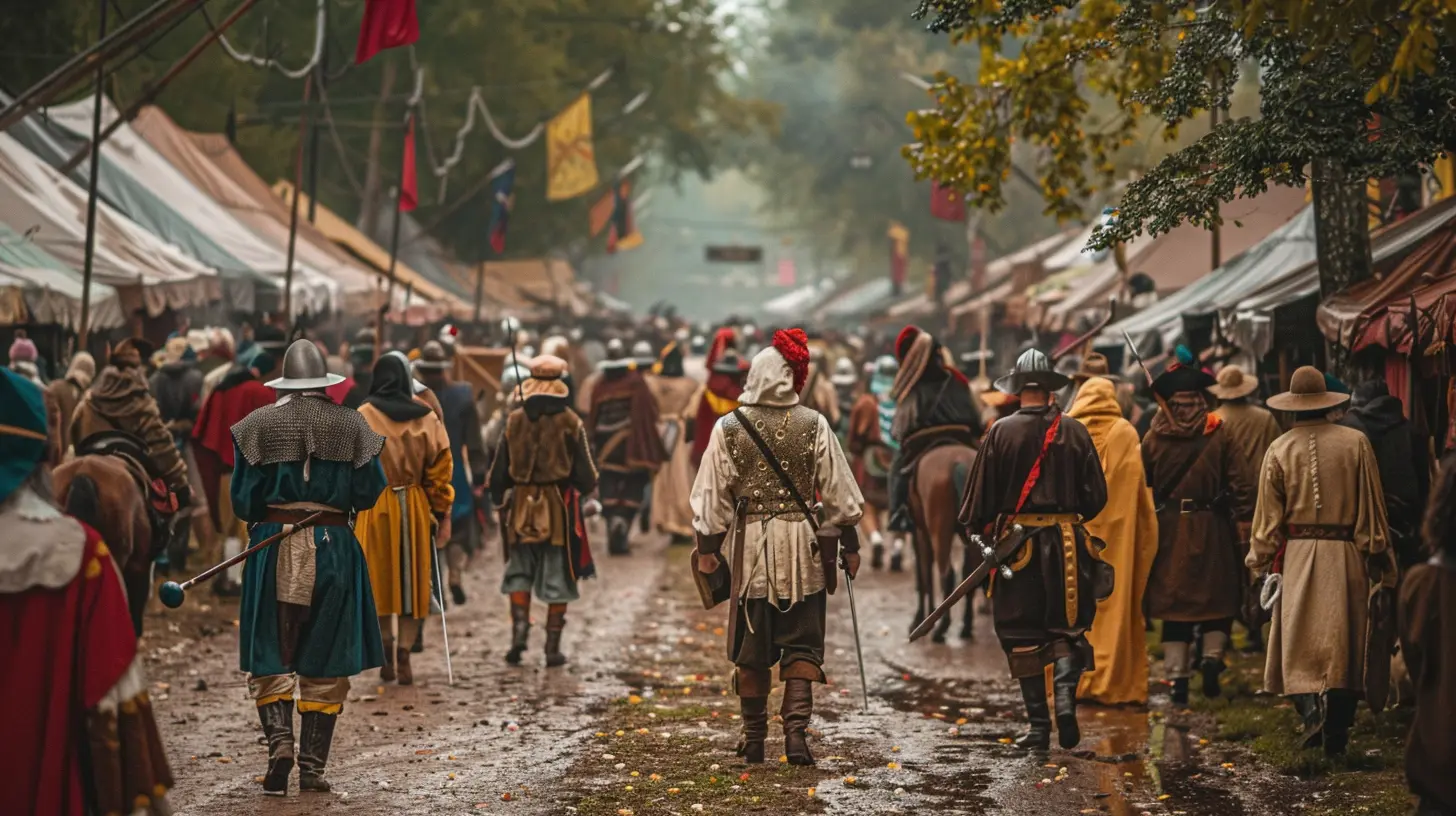
What is Historical Reenactment, Anyway?
Let’s start with the basics. Historical reenactment is when people recreate events or lifestyles from the past—think epic battle scenes, royal courts, or even simple 18th-century village life. These recreations are often performed at themed festivals or living history events, where the goal is to immerse attendees in a particular era.But here’s the cool part: it’s not just about watching from the sidelines. These festivals invite you to live it—try the food, wear the clothes, learn the dances, and hear the language. It’s like cosplay meets a history class. Only much, much more fun.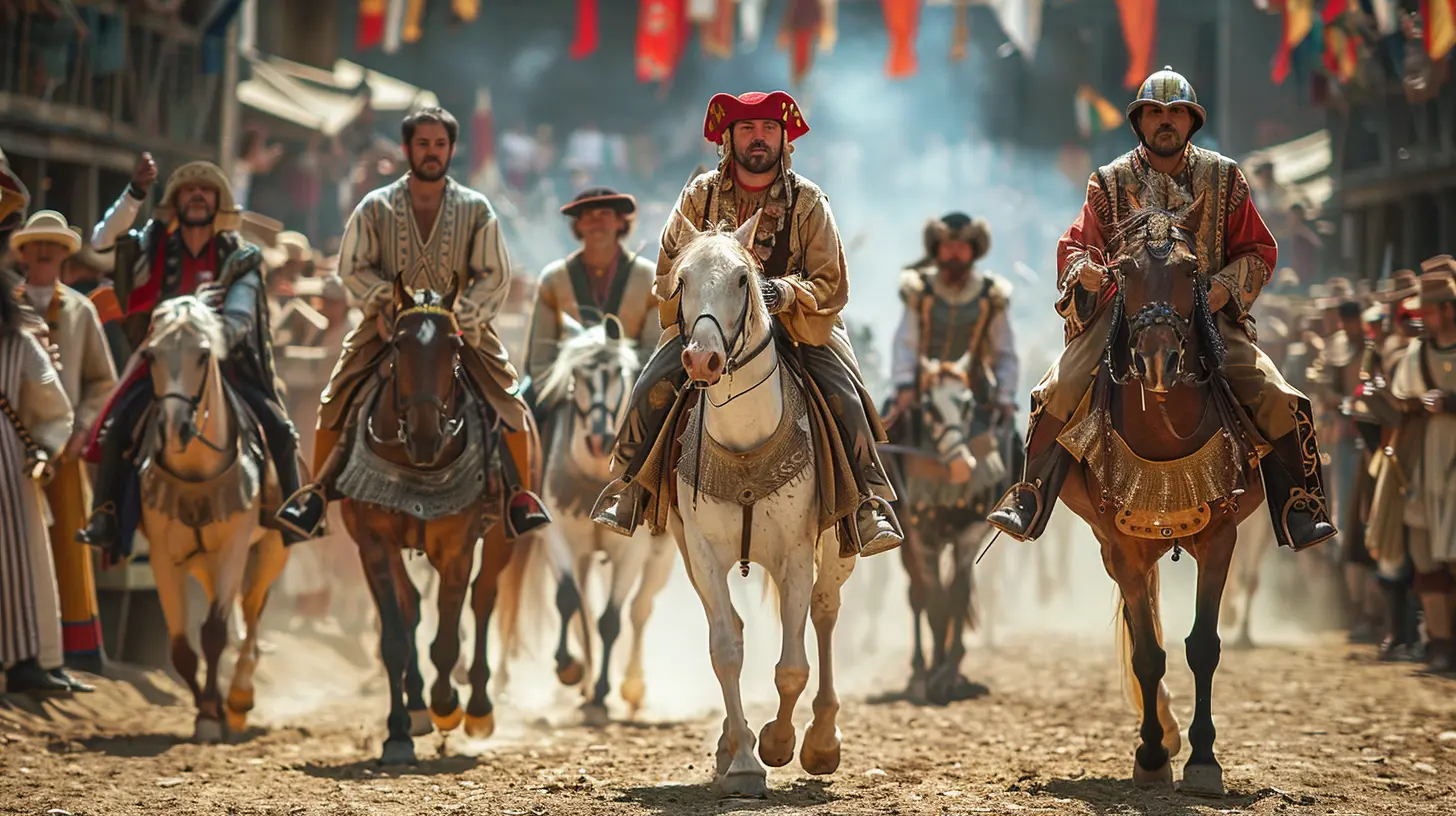
Why Do People Reenact History?
Great question. Because let’s be honest, dressing in wool armor under the summer sun doesn’t exactly scream "vacation," right?Well, for many reenactors, it’s a labor of love. Here's why people get into it:
- Connection to Heritage: Some want to honor their ancestors or cultural roots.
- Learning by Doing: There’s something special about understanding a historical moment when you’ve literally walked in the shoes of someone who lived it.
- Community and Friendship: It’s not just dressing up—it’s joining a family of like-minded history buffs.
- Storytelling: Reenactment is another form of powerful storytelling. And who doesn’t love a good story?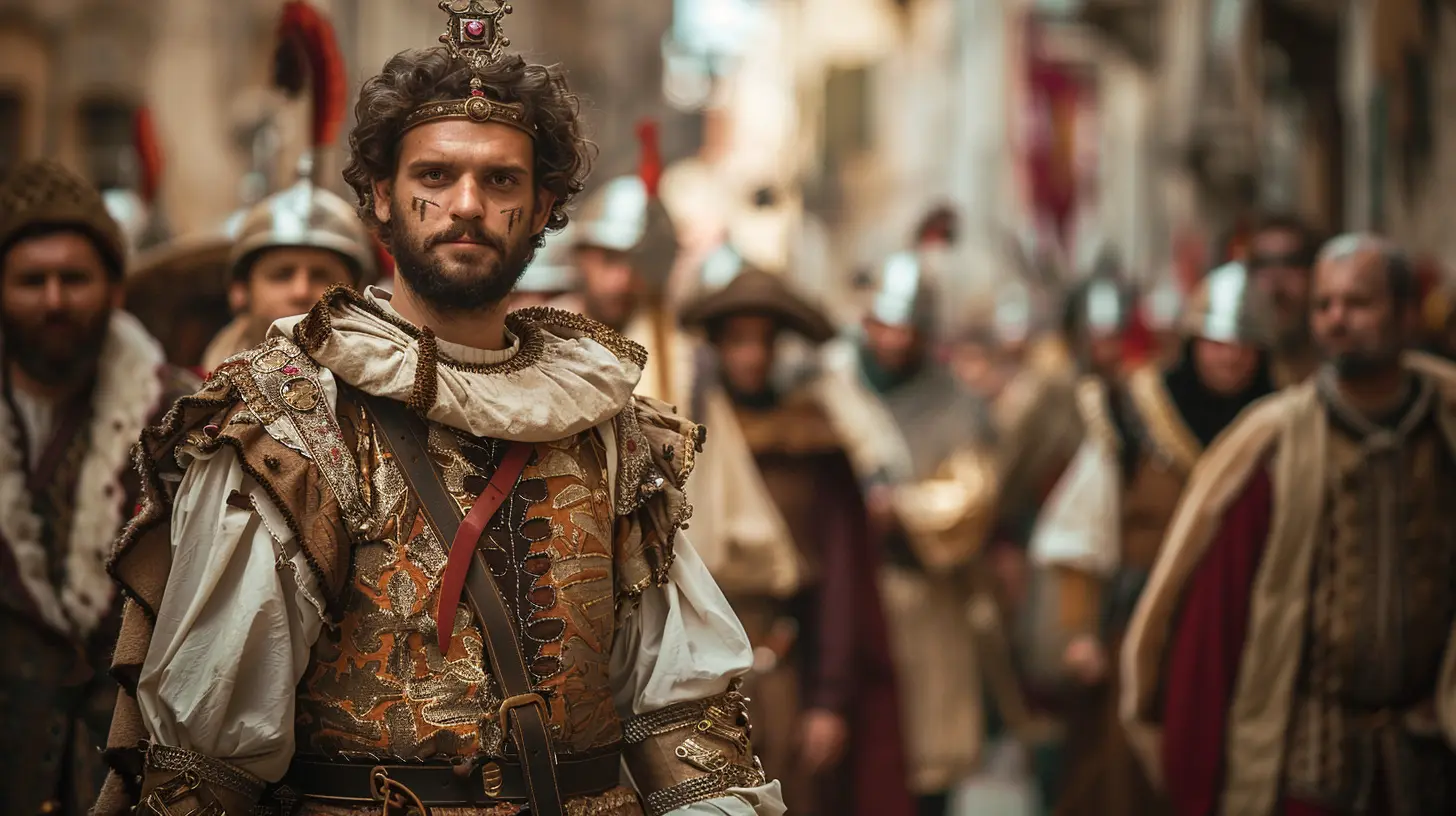
History Comes Alive at Festivals
Forget dull textbooks and dusty museums—these festivals turn history into something you can see, hear, touch, and smell. Here are a few types of reenactment events that really bring the past back to life.Medieval Fairs
Jousting tournaments? Check. Minstrels and mead? Double check. Medieval fairs are the rockstars of reenactment festivals. You’ll find everything from knight battles to medieval markets, where artisans showcase crafts lost to time. It’s a full-blown time warp to the Dark Ages, minus the plague.Civil War Reenactments
Especially popular in the U.S., these elaborate reenactments usually take place on or near actual battle sites. Participants wear authentic uniforms, use period-accurate weapons, and even camp in replica tents. The attention to detail is insane—and deeply moving.Renaissance Festivals
A little history, a lot of theater. Renaissance festivals mix fact with fantasy, where Queen Elizabeth might stroll past a fire juggler while you’re munching on a turkey leg the size of your head. These events lean into the drama and romance of the era, and honestly, it’s hard not to fall in love with it.Viking and Norse Celebrations
Got a thing for axes and longboats? Viking reenactments are all about Norse mythology, shipbuilding, and warrior culture. It's raw, rugged, and surprisingly educational.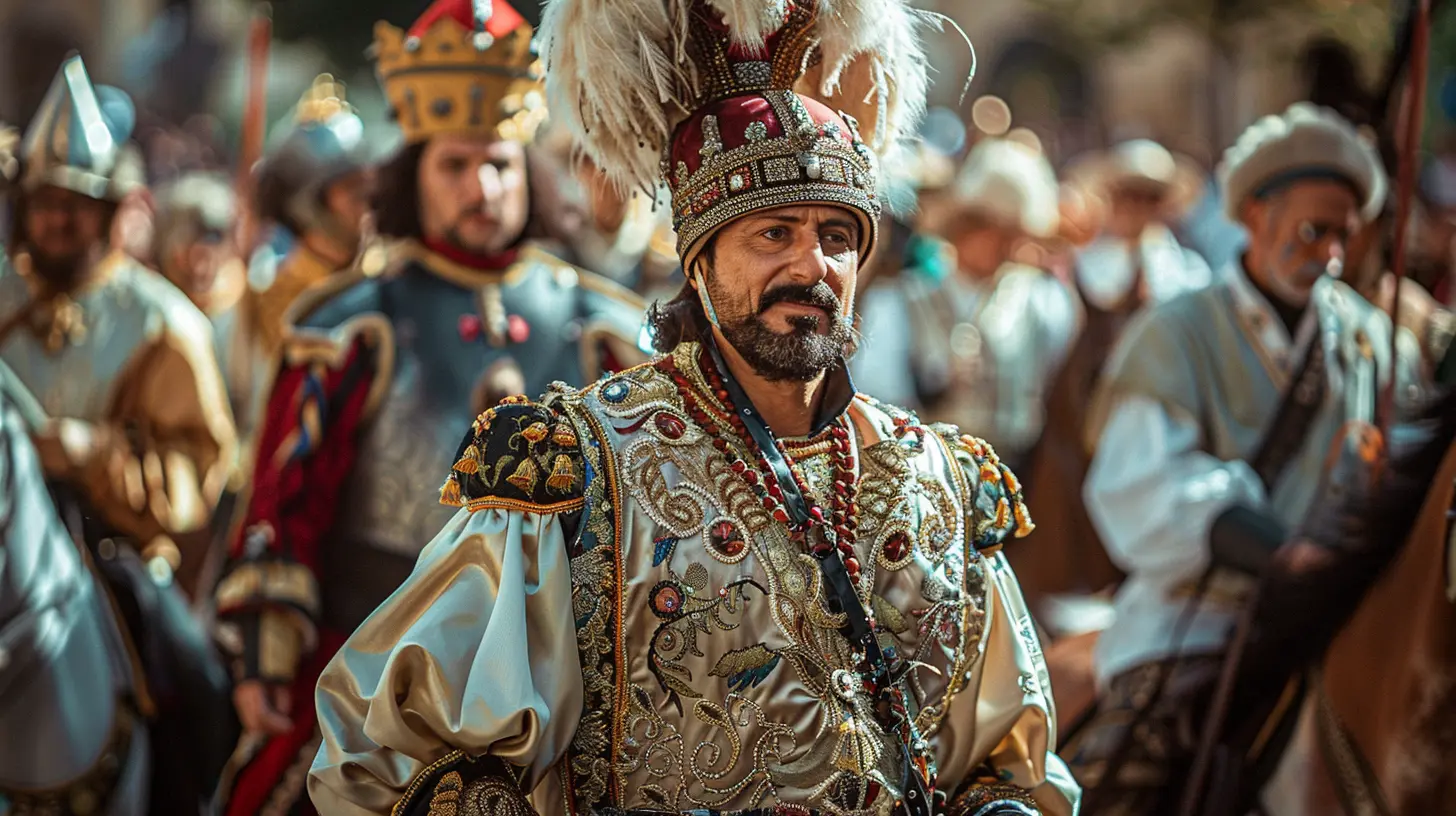
The Human Side of Reenactment
Reenactments aren’t just about the glitz and costumes. There’s a raw, emotional element to them too.Imagine an elderly veteran watching a World War II reenactment and seeing a slice of their own past play out. Or a child with roots in a culture long lost watching their ancestors' traditions come alive before their eyes. These aren’t just performances. They’re bridges between generations.
And for the reenactors? It’s often emotional labor. They're not just playing roles—they’re embodying them, doing the research, perfecting the accents, and even dealing with the heartbreak of interpreting the tragic parts of history. There’s pride, but also responsibility.
How Reenactment Festivals Educate Without Boring You
Let’s face it, not everyone’s idea of a good time is reading a thick history book. That’s where reenactments come in. They make learning irresistible.At these festivals, history is interactive:
- You can handle replica tools and weapons.
- Watch artisans demonstrate ancient skills.
- Ask questions to characters who stay in role (and know their stuff).
- Participate in traditional dances, meals, and rituals.
You’re learning—and loving it—without even realizing it. That’s the beauty of experiential education.
The Global Love for Reenactment
From Roman military drills in Italy to Samurai parades in Japan, historical reenactments are a global phenomenon. Each country has unique stories they’re proud to showcase.Here are a few international gems:
- The Battle of Hastings (UK): Arguably the granddaddy of reenactments, this detailed recreation has thousands of participants each year.
- Agincourt Festival (France/UK): This medieval reenactment event unites English and French history enthusiasts in a cordial clash.
- Roman Festival of Tarragona (Spain): Gladiator duels and Roman legions march again in this deep dive into Roman Hispania.
- Jidai Matsuri (Japan): A stunning historical parade in Kyoto, where costumes span over 1,000 years of Japanese history.
These aren’t just tourist attractions. They’re cultural celebrations.
Want to Join In? Here's How
Thinking you'd love to give it a shot? Maybe you've always wanted to wear a kilt or swing a broadsword (safely, of course). Here’s how to dip your toes into the world of reenactment:1. Visit a Festival First: See what it’s all about. Talk to participants. Feel the vibe.
2. Find a Local Group: Many city or regional areas have reenactment societies.
3. Pick Your Era: Are you more of a Viking warrior or a 1940s nurse?
4. Start Small: You don’t need a full suit of armor on day one. Most groups are happy to help newbies get started with borrowed gear or costume guides.
5. Do Your Research: Reenactment lovers appreciate authenticity. Reading up makes the experience richer for you and those around you.
And don’t worry if you’re not a history expert. Passion matters more than perfection.
The Rise of Digital Reenactments
Yep, even reenactment has gone online. With virtual reality tools and digital storytelling platforms, people can now experience ancient battles or royal weddings through immersive tech.During the pandemic, many reenactment groups adapted by hosting livestreamed battles or virtual workshops. While not quite the same as being there in person, it shows how resilient and creative this community is.
Still, nothing beats the real thing: the clang of swords, the cheers of the crowd, the aroma of roast meat drifting through the air. Trust me, it sticks with you.
More Than a Hobby
At its core, reenactment is about empathy. It’s about walking in someone else’s shoes (sometimes quite literally) and understanding the world they lived in. Whether that past holds pride, pain, or both, reenacting helps us wrestle with it, celebrate it, and ensure it’s never forgotten.Festivals are the perfect place to witness this powerful blend of entertainment and education. They invite everyone—young or old, history buff or curious newbie—to stop scrolling, step into a living story, and feel history in their heartbeat.
So next time you spot a sign about a colonial fair or a medieval joust… don’t roll your eyes. Step in. Time travel might just be a road trip away.
Final Thoughts
The art of reenactment is more than putting on a costume. It’s breathing life into history. It’s about remembering the heroes, learning from the mistakes, and celebrating the cultures and customs that shaped us. And festivals? They're the stage where all of this magic unfolds.Whether you go to one as a curious visitor or dare to participate yourself, one thing’s for sure—you’ll never look at history the same way again. And honestly? That’s a beautiful thing.
all images in this post were generated using AI tools
Category:
Cultural FestivalsAuthor:

Winona Newman
Discussion
rate this article
2 comments
Devin McTigue
What a fantastic journey through time! Festivals truly bring history to life, sparking joy and connection. Embrace the fun, don your costumes, and let the past inspire your next adventure!
February 20, 2026 at 4:05 AM
Winona Newman
Thank you! I'm glad you enjoyed the article. Festivals indeed have a magical way of connecting us with history and inspiring new adventures.
Gabriel McGeehan
Experience history; feel the passion.
February 19, 2026 at 3:30 PM
Winona Newman
Thank you! Reenactment truly brings history to life, allowing us to connect with the past in a meaningful way.