Technology Trends That Are Transforming Long Haul Flights
4 July 2026
Flying across the globe used to be an endurance test—long hours, cramped seats, and restless boredom. But thanks to evolving technology, long-haul flights are entering a new era. Airlines are infusing innovation into every aspect of the journey, from check-in to touchdown, making the experience smoother, smarter, and even enjoyable.
So, what's changing in the skies? Buckle up as we take a deep dive into the tech-driven trends reshaping long-haul travel. 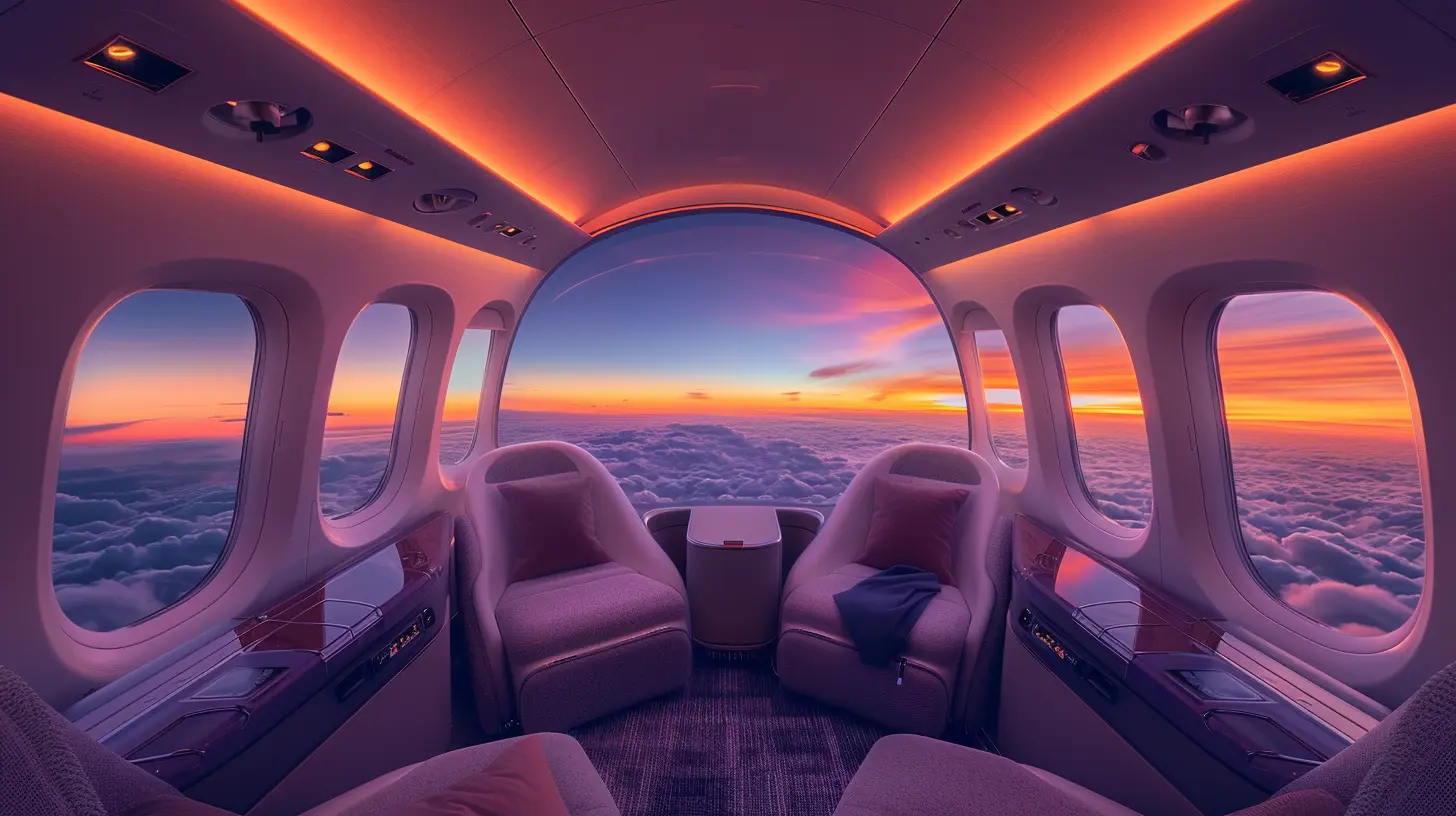
1. Supersonic Travel: The Return of the Speed Kings
Gone are the days when Concorde was the only supersonic jet in commercial aviation. A new generation of supersonic aircraft is on the horizon, aiming to cut long-haul flight times in half.- Boom Supersonic's Overture is gearing up to bring Mach 1.7 speeds to the public, promising flights from London to New York in just 3.5 hours.
- With sustainable aviation fuels (SAFs) in the mix, these jets won’t just be fast, but eco-friendly too.
Imagine leaving New York in the evening and making it to Paris in time for dinner—without the jet lag. The days of exhausting 14-hour flights could soon be behind us. 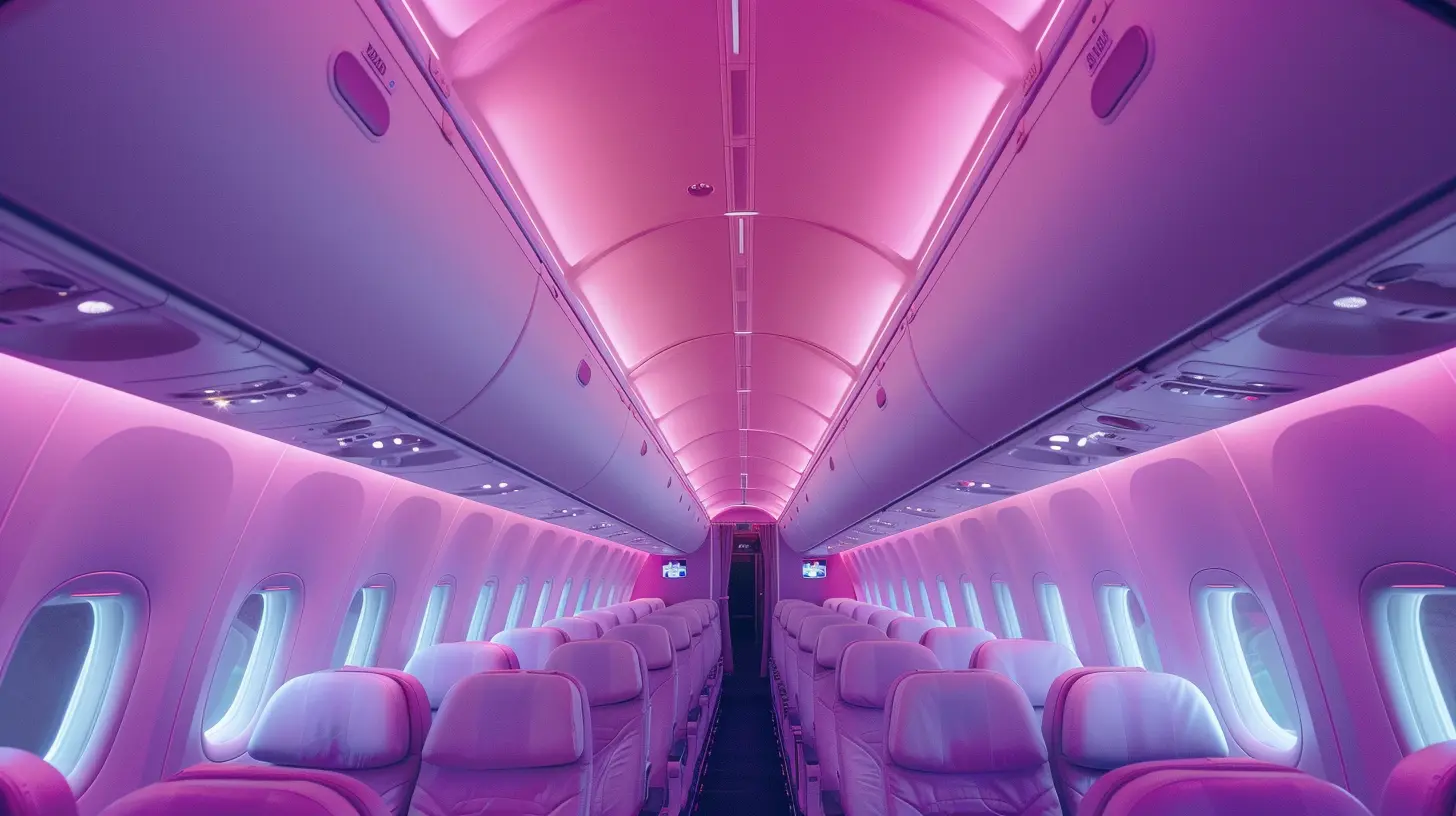
2. AI-Powered Personalization: Your Flight, Your Way
Artificial Intelligence (AI) isn't just disrupting industries on the ground—it's revolutionizing air travel too. Airlines are using AI to enhance nearly every aspect of long-haul flights:- Smart seat allocation based on passenger comfort preferences.
- AI-powered chatbots handling booking queries in seconds.
- Real-time turbulence prediction, ensuring a smoother ride.
Picture this: Instead of a generic meal and random movie picks, AI curates everything for you—your favorite seat, a meal you love, and inflight entertainment recommendations based on what you've been watching. That’s the future of personalized air travel. 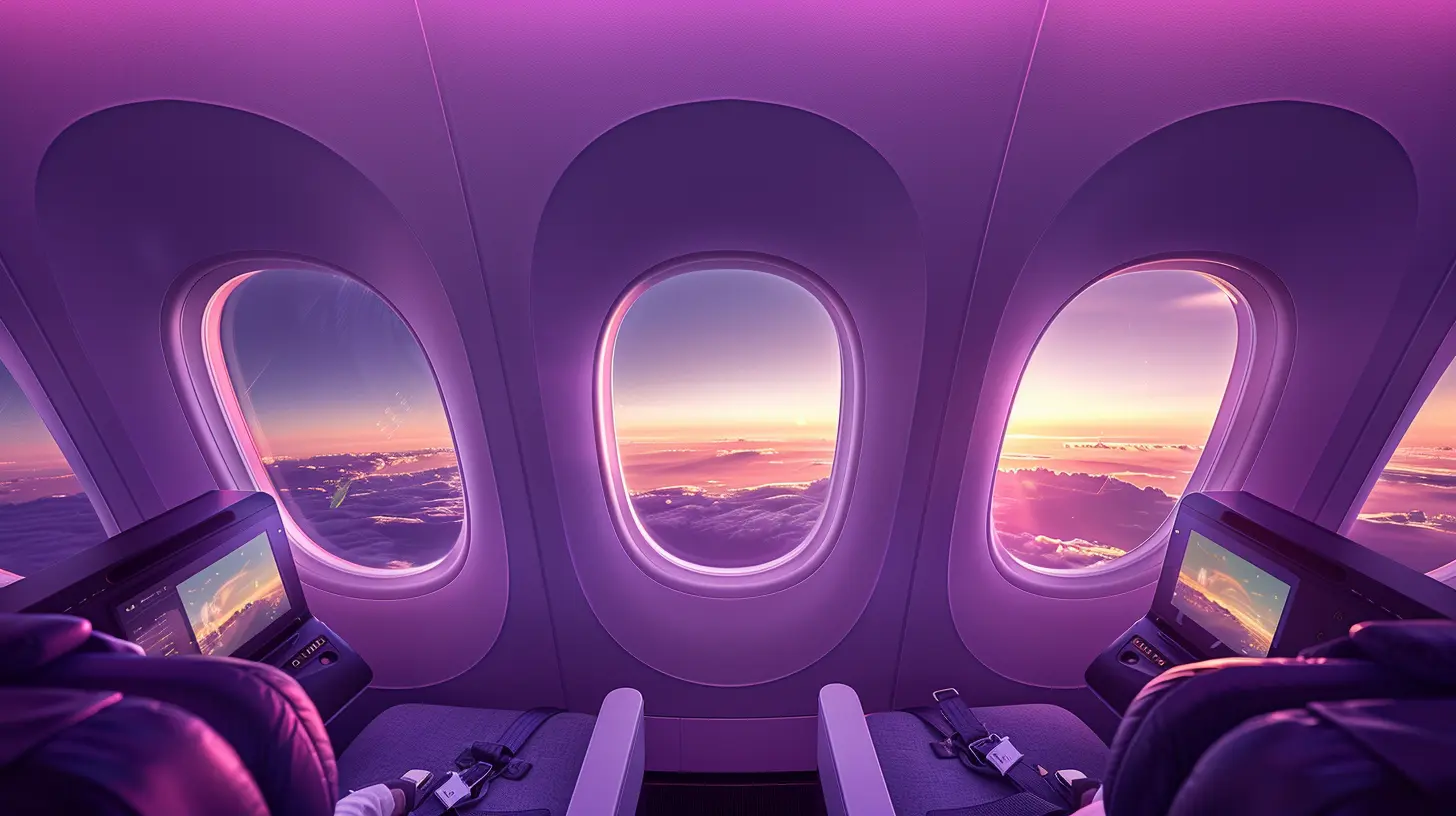
3. Next-Gen Inflight Entertainment: More Than Just Movies
Gone are the days of tiny seatback screens with limited movie choices. Airlines are stepping up their game with next-gen entertainment options:- 5G-Enabled Streaming: No more outdated catalogs—watch Netflix, YouTube, or live sports at 35,000 feet.
- Augmented Reality (AR) & Virtual Reality (VR): Imagine putting on a VR headset and wandering through world-famous museums mid-flight.
- Gaming & Cloud Computing: Cloud-based gaming services could soon let you play Call of Duty in the skies.
Long-haul flights no longer have to feel like an eternity when the cabin transforms into a high-tech entertainment hub. 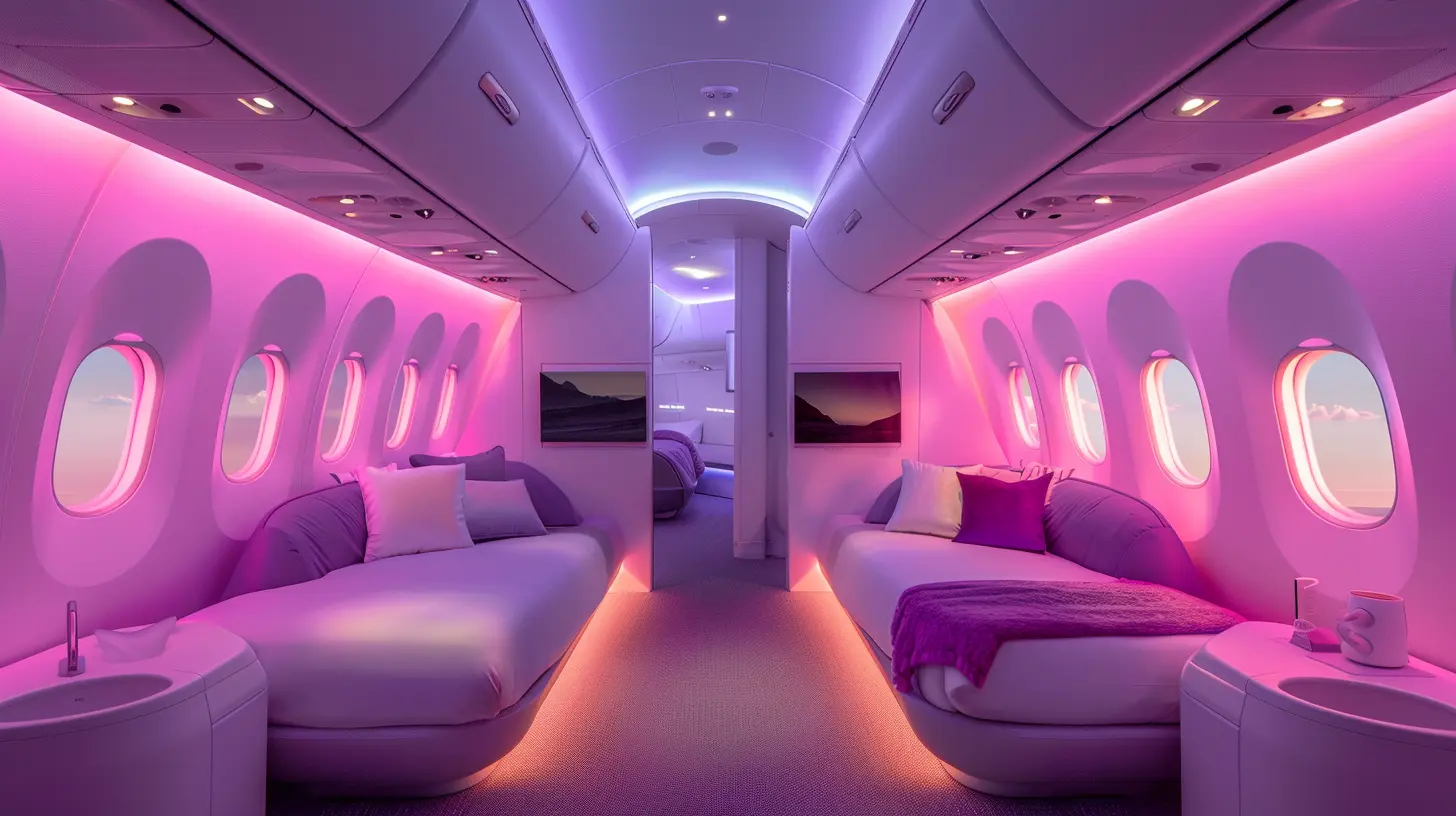
4. Ultra-Comfortable Cabin Designs: Goodbye, Jet Lag
Airlines are focusing on passenger well-being like never before. New cabin designs now prioritize:- Better air quality: Advanced air filtration reduces fatigue and jet lag.
- Mood lighting: Dynamic LED lighting mimics sunrise and sunset to help regulate sleep cycles.
- Wider, ergonomic seats: Expect more legroom and reclining options, even in economy class.
Some airlines, like Qantas and Singapore Airlines, are even experimenting with in-flight sleep pods and yoga spaces to make ultra-long-haul flights more comfortable.
5. Biometric Check-In: Say Goodbye to Long Queues
Airport security often feels like the most stressful part of any trip. But thanks to biometric technology, long lines are becoming a thing of the past.- Facial recognition boarding lets you skip the passport shuffle.
- Fingerprint and iris scans make security smoother and safer.
- AI-powered security screenings speed up the entire process.
Soon, you could arrive at the airport and breeze through check-in in a matter of minutes—no more last-minute sprinting to the boarding gate!
6. Zero-Emission Aircraft: The Future of Sustainable Flying
With the aviation industry facing pressure to reduce its carbon footprint, the race for zero-emission aircraft is well underway.- All-electric planes like those being developed by companies such as Wright Electric aim to make short-haul air travel emission-free.
- Hydrogen-powered aircraft, backed by Airbus, could make even long-haul routes more sustainable.
- Sustainable Aviation Fuels (SAFs) are already being tested, reducing CO2 emissions by up to 80%.
We’re moving toward a future where flying isn’t just fast and efficient—but kind to the planet too.
7. Space-Inspired Sleeping Pods: The Next Level of Comfort
Long-haul flights often leave passengers longing for a proper bed. Enter space-inspired sleeping pods, an airline innovation that’s turning heads.- Lie-flat economy beds: Airlines like Air New Zealand are testing bunk beds for economy-class flyers.
- Noise-canceling pods: These futuristic cabins block out ambient noise for a restful sleep.
- Temperature-controlled sleeping zones: Because no one sleeps well when they’re either too hot or freezing.
Imagine boarding a 14-hour flight, settling into your pod, and waking up feeling as fresh as if you’d slept at home.
8. High-Speed Satellite WiFi: Always Connected, Even at 40,000 Feet
We live in a hyper-connected world, so why should flying be any different? Say goodbye to frustratingly slow inflight WiFi—next-gen satellite technology is bringing blazing-fast internet to long-haul flights.- Starlink & OneWeb partnerships mean streaming, video calls, and even online gaming are now possible mid-flight.
- Lower latency and wider coverage ensure WiFi works even over remote areas like the Atlantic Ocean.
- Free inflight WiFi movement: Some airlines are now offering complimentary high-speed internet for all passengers.
No more waiting until landing to send that important email or post your inflight selfie.
9. Autonomous Aircraft: The Pilot of the Future
Could a plane fly itself? The answer is—almost. Autonomous aircraft are making serious progress, with AI copilots already assisting human pilots in decision-making.- AI-powered decision support systems help pilots navigate turbulence and weather changes.
- Self-taxiing planes could reduce delays at airports.
- Fully autonomous aircraft trials are already underway with cargo planes—commercial flights may follow soon.
While human pilots aren’t going anywhere yet, AI copilots are making flying safer and more efficient than ever before.
10. Eco-Friendly Cabin Materials: Innovation on Every Level
Sustainability isn’t just about the fuel—airlines are also rethinking their cabin materials.- Recycled and biodegradable materials are replacing plastic-heavy cabin interiors.
- Lighter, more durable seating reduces fuel consumption.
- 3D-printed components allow for faster, more eco-friendly aircraft production.
Every part of the plane—right down to the tray table—is getting an eco-friendly upgrade.
Final Thoughts: The Future of Long-Haul Flights Is Brighter Than Ever
The days of tiring, uncomfortable, and frustrating long-haul journeys are fading into the past. Whether it’s supersonic jets, AI-powered personalization, space-age inflight entertainment, or sustainability-driven innovation, the future of flying is smarter, faster, and more enjoyable than ever before.So, the next time you board a long-haul flight, just remember—you’re not just traveling to another destination. You’re stepping into the future.
all images in this post were generated using AI tools
Category:
Long Haul FlightsAuthor:

Winona Newman
Discussion
rate this article
1 comments
Tessa Jackson
Who knew that my in-flight entertainment would soon include virtual reality, AI flight attendants, and snacks delivered by drone? Next stop, luxury cloud surfing!
August 15, 2026 at 3:30 PM