Sustainable Travel in Oceania: Leaving Paradise Untouched
5 August 2026
Oceania is a dream destination—crystal-clear waters, lush rainforests, vibrant coral reefs, and unique cultures waiting to be experienced. But as more travelers flock to this paradise, the risk of damaging its pristine beauty grows. The question is: how can you enjoy this slice of heaven without leaving an environmental footprint the size of a giant tortoise?
Sustainable travel isn’t just a buzzword—it’s a responsibility. And the best part? It’s easier than you think! Let’s dive into how you can have the adventure of a lifetime while keeping Oceania’s natural treasures just as stunning for future generations.
Why Sustainable Travel Matters in Oceania
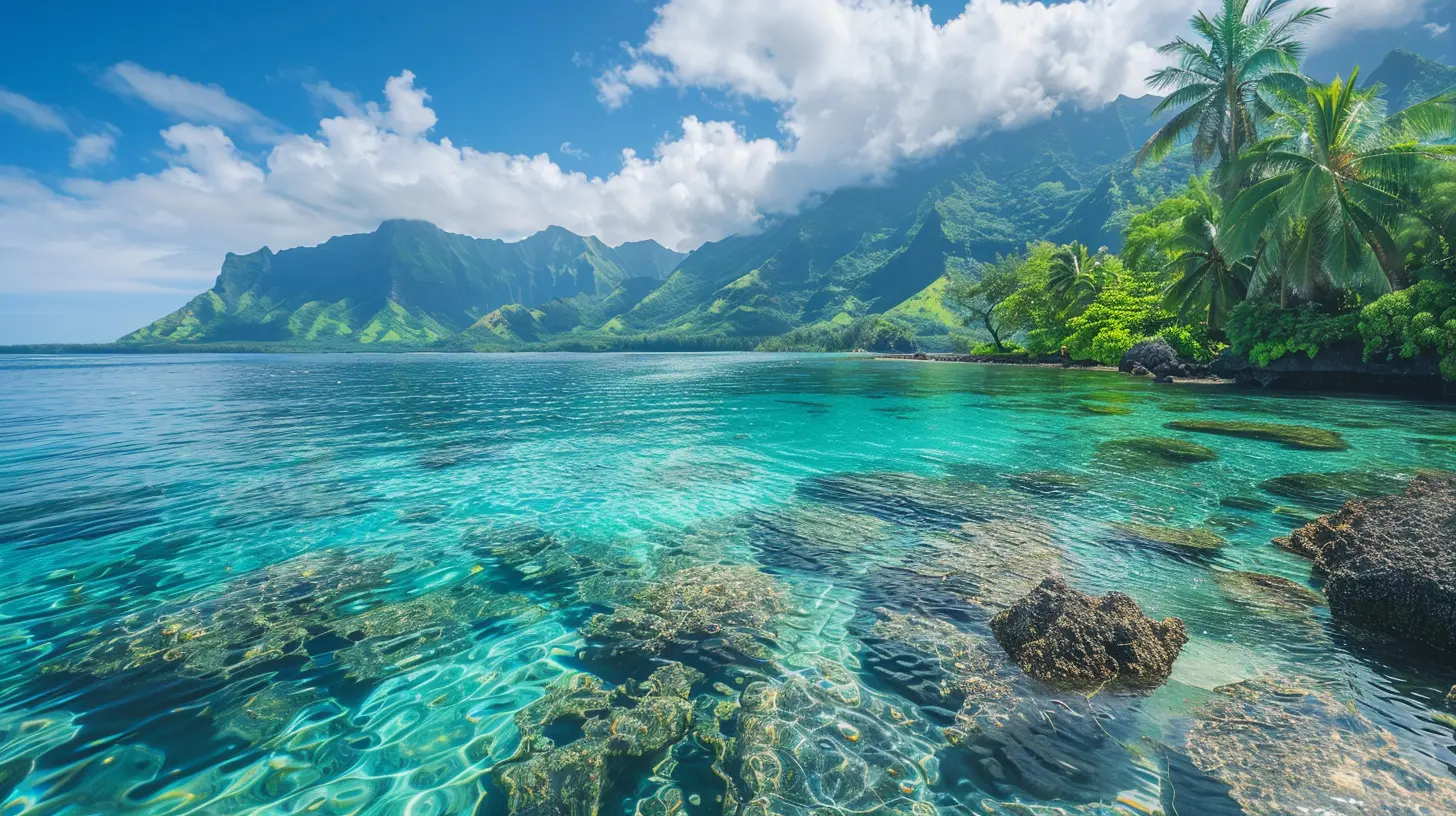
Oceania is home to some of the most fragile ecosystems on Earth. From Australia's Great Barrier Reef to the untouched atolls of the Pacific islands, these environments are incredibly sensitive to climate change, pollution, and over-tourism.Rising sea levels threaten low-lying islands, coral bleaching endangers marine life, and deforestation disrupts indigenous cultures. Every choice you make as a traveler—where you stay, what you eat, how you get around—has an impact. The good news? With a few mindful decisions, you can help keep this paradise intact.
Choosing Eco-Friendly Accommodations
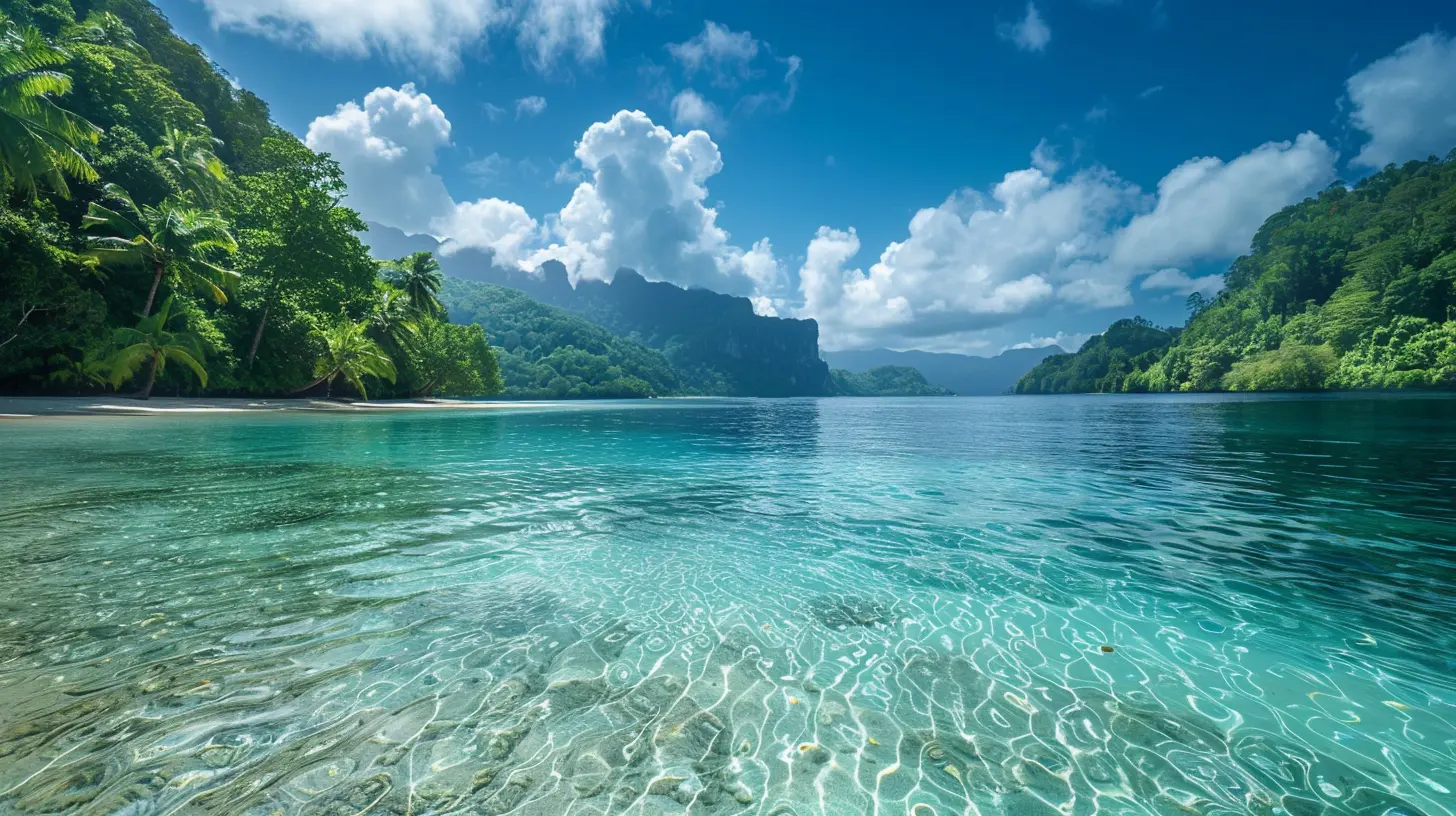
Let’s be real—where you rest your head at night makes a difference. Ditch the giant resorts that guzzle resources like there's no tomorrow and opt for eco-lodges, sustainable hotels, or homestays.What to Look for in Green Stays:
- Solar Power & Renewable Energy: Does your accommodation use clean energy sources?- Water Conservation Efforts: Look for places that recycle rainwater or have water-saving initiatives.
- Locally Sourced Materials & Food: Supporting local businesses reduces carbon footprints and empowers communities.
- Sustainable Waste Management: Does your hotel minimize plastic waste? Bonus points if they have a legit recycling program!
Many eco-lodges in Fiji, New Zealand, and the Solomon Islands operate with sustainability at their core. Staying in one doesn’t just lessen your impact—it also gives you a deeper connection to the local environment and culture.
Responsible Transportation: Travel Smart, Not Hard
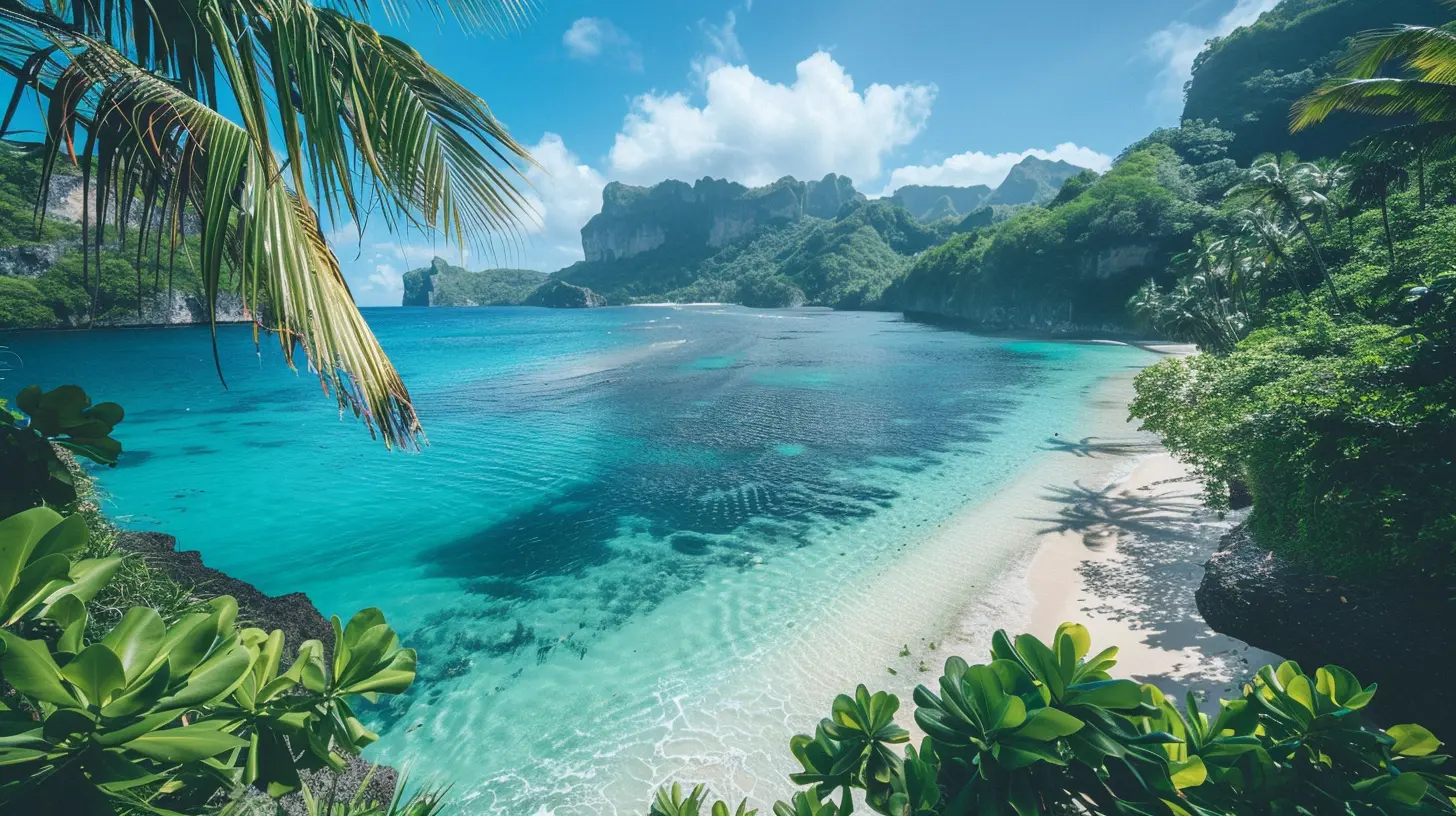
Oceania is vast, and getting around can sometimes feel like a logistical puzzle. But being eco-conscious doesn’t mean you have to sacrifice adventure!Tips for Low-Impact Travel:
- Fly Smart: If you must fly, consider direct flights (fewer emissions) and offset your carbon footprint through reputable programs.- Embrace Public Transport: New Zealand's buses, Australia’s trains, and even boats in the Pacific Islands are great alternatives.
- Go Human-Powered: Cycling, walking, or kayaking lets you experience a destination up close while keeping emissions at zero.
Remember, every long-haul flight you take has an environmental cost. So, when possible, opt for slow travel—stay longer, explore one region deeply, and make each moment count.

Eating with the Planet in Mind
Who doesn't love indulging in local cuisine? But did you know your food choices can impact the environment as much as your transport choices?How to Eat Sustainably While Traveling:
- Ditch Imported Food: Choose farm-to-table restaurants that source their ingredients locally.- Say No to Overfished Seafood: Avoid eating species like Bluefin tuna and opt for more sustainable, locally abundant fish.
- Support Local Farmers & Markets: Instead of hitting up chain restaurants, grab a bite from street vendors or family-owned eateries.
- Reduce Food Waste: Order only what you can finish, and use reusable containers when possible.
One of the best ways to experience a culture is through its food. By eating sustainably, you’re not only treating your taste buds but also supporting local livelihoods and preserving marine ecosystems.
Respecting Indigenous Cultures & Traditions
Oceania is rich with indigenous cultures, from Aboriginal Australians and Māori in New Zealand to the diverse island communities of the Pacific. Supporting these cultures isn’t just about snapping photos at a cultural festival—it’s about respect and mindful engagement.Ways to Travel Respectfully:
- Choose Indigenous-Led Tours: Many Aboriginal and Māori tour operators offer authentic experiences that directly benefit local communities.- Learn Basic Local Phrases: A simple "Bula" (hello) in Fiji or "Kia Ora" in New Zealand can go a long way in showing respect.
- Dress Appropriately: Many island nations have modest dress codes—respect them.
- Buy Handmade, Not Mass-Produced: Seek out artwork, crafts, and souvenirs that are made by local artisans rather than factory-produced trinkets.
By supporting indigenous communities, you're helping preserve cultures that have existed in harmony with nature for centuries.
Protecting Oceania’s Unique Wildlife
From kangaroos and koalas to sea turtles and manta rays, Oceania is teeming with wildlife you won’t find anywhere else. But many species are under threat due to habitat destruction, pollution, and unethical tourism practices.How to Be a Wildlife-Friendly Traveler:
- Never Feed Wild Animals: It disrupts their natural diet and behavior.- Say No to Animal Tourism Exploitation: Avoid activities like elephant rides, dolphin swims, or petting zoos that exploit wildlife.
- Leave No Trace: Pack out what you pack in, staying mindful of fragile ecosystems.
- Choose Ethical Wildlife Tours: A responsible tour operator will prioritize animal welfare over profits.
Spotting a sea turtle while snorkeling or watching a kangaroo hop across the Outback is magical—let’s keep it that way by ensuring our actions don’t harm them.
Reducing Plastic Waste While Traveling
Oceania is unfortunately drowning in plastic waste, much of it washing up from other parts of the world. You can help by cutting down on single-use plastics wherever possible.Easy Plastic-Free Travel Hacks:
- Bring a Reusable Water Bottle: Many places have refill stations—use them!- Carry a Cloth Bag: For shopping, souvenirs, or even impromptu beach cleanups.
- Say No to Plastic Straws & Cutlery: Pack a reusable set instead.
- Use Reef-Safe Sunscreen: Many sunscreens contain harmful chemicals that damage coral reefs. Look for mineral-based options instead.
A small shift in your habits can have a massive impact—imagine if every traveler ditched plastic, how cleaner our oceans would be!
Volunteering for a Cause
Want to give back while traveling? Consider participating in conservation efforts, whether that’s through coral restoration projects, wildlife rescue programs, or beach cleanups.Just be sure you’re supporting ethical initiatives—some "voluntourism" projects exploit local communities or do more harm than good. Do your research and pick programs that genuinely benefit the environment and local people.
Final Thoughts: Travel Light, Leave Only Footprints
Sustainable travel in Oceania is all about awareness and responsibility. Every decision—from the flights you book to the meals you eat—plays a part in preserving this paradise. The goal isn’t to be a perfect eco-warrior; it’s about making conscious choices that add up.So next time you pack your bags for Oceania, remember: travel light, tread gently, and leave only footprints (preferably in the sand, not on the environment). Let’s make sure this paradise stays a paradise—for us and for future generations.
all images in this post were generated using AI tools
Category:
Oceania TravelAuthor:

Winona Newman