Summer Travel Trends to Watch for in 2027
11 May 2026
Let's be honest: predicting the future of travel is a bit like trying to guess the next viral dance move. You think you've got it figured out, and then a raccoon on a paddleboard steals the show. But here we are, staring down the barrel of 2027, and the way we're planning our summer escapes is shifting faster than a sand dune in a windstorm. Forget the same old beach-and-booze routine. This year, the trends are weird, wild, and wonderfully human. So grab a cold drink, kick off your flip-flops, and let's unpack what your next summer adventure might actually look like.
The Rise of the "Slowcation"
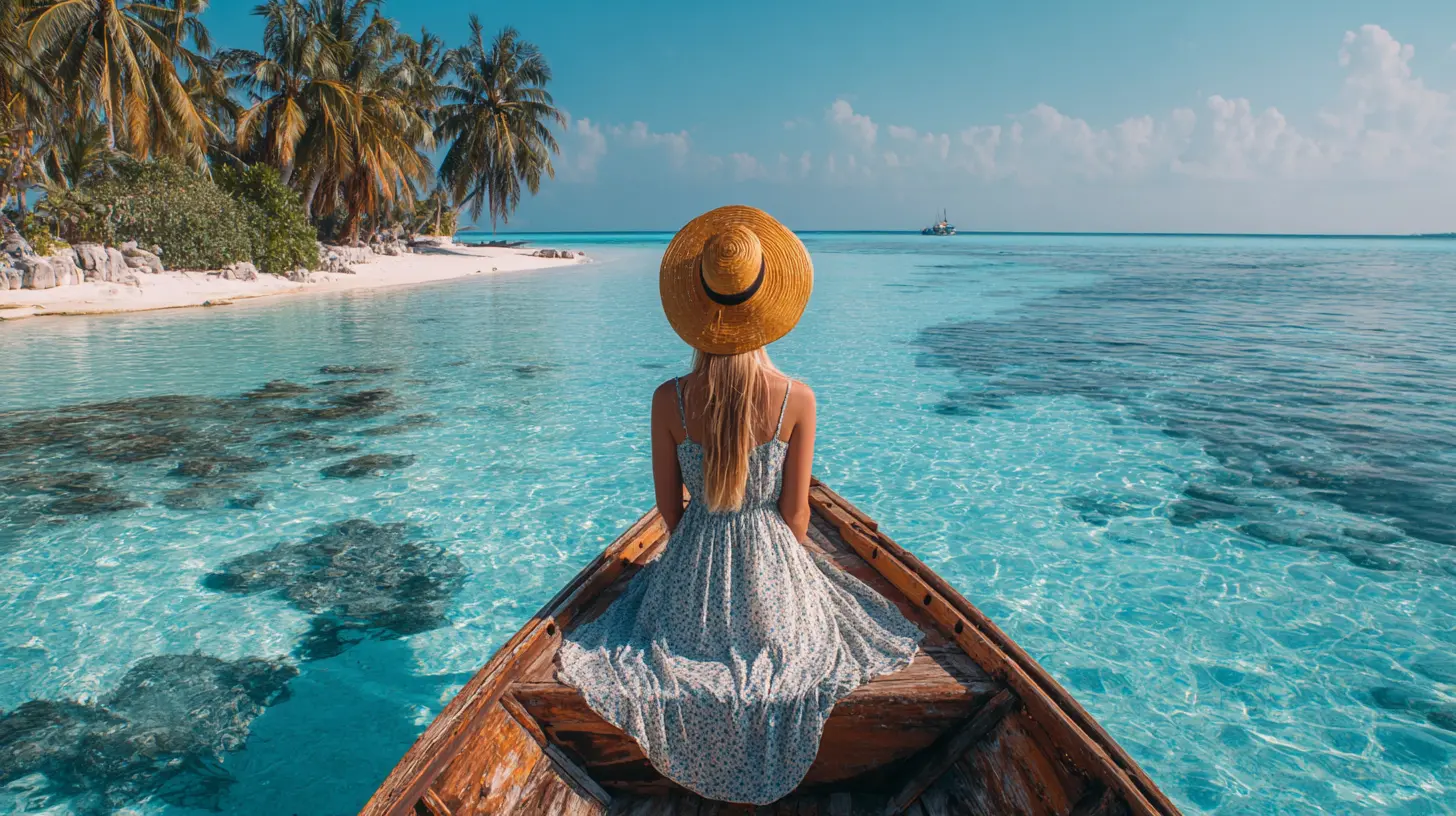
Remember when a vacation meant cramming five cities into seven days? You'd wake up in Paris, eat a croissant on the run, then sprint to a train to Rome, only to collapse in a hotel room that smelled like regret. That era is dying. In 2027, the "slowcation" is taking over. Think of it as the travel equivalent of a deep breath instead of a gasp. People are renting tiny houses in rural Portugal for a full month, not a long weekend. They're learning to make cheese in a French village or tending olive groves in Tuscany for two weeks straight.Why the slowdown? Because burnout is real, and we're all tired of needing a vacation from our vacation. The slowcation is about sinking into a place, not skimming its surface. You'll wake up, walk to the same bakery for a pastry, and actually learn the baker's name. It's less about ticking boxes and more about feeling the rhythm of a different life. For summer 2027, if you're not staying put for at least ten days, you're doing it wrong.
Carbon-Negative Travel Becomes a Flex
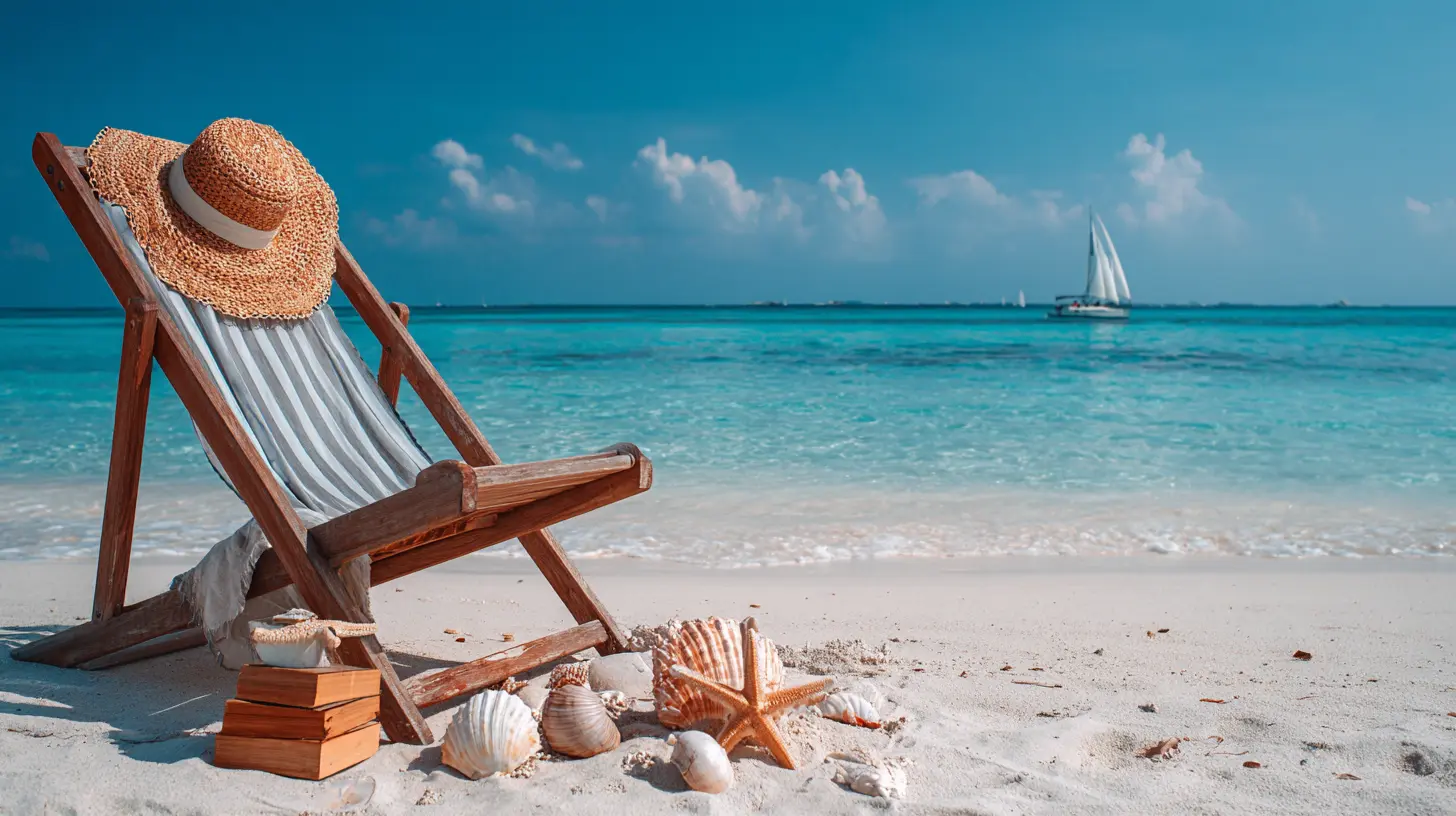
For years, "eco-friendly" travel felt like a guilt trip wrapped in a hemp bag. You'd offset your flight by planting a tree and then wonder if it survived the winter. But 2027 flips the script. Now, the cool kids aren't just carbon-neutral; they're carbon-negative. That means your trip actually removes more carbon from the air than it puts in. It's like going to the gym and leaving fitter than when you arrived.How does this work? Airlines are starting to offer seats on flights that use synthetic fuels made from captured CO2. Hotels are integrating algae farms into their rooftops that scrub the air while shading the pool. And tour operators are bundling trips with reforestation projects where you physically plant a forest, not just a single sapling. The vibe is less "save the planet" and more "look what we built together." It's a flex, but a good one. Imagine posting a photo of your beach day with a caption like, "Left the air cleaner than I found it." That's the 2027 energy.
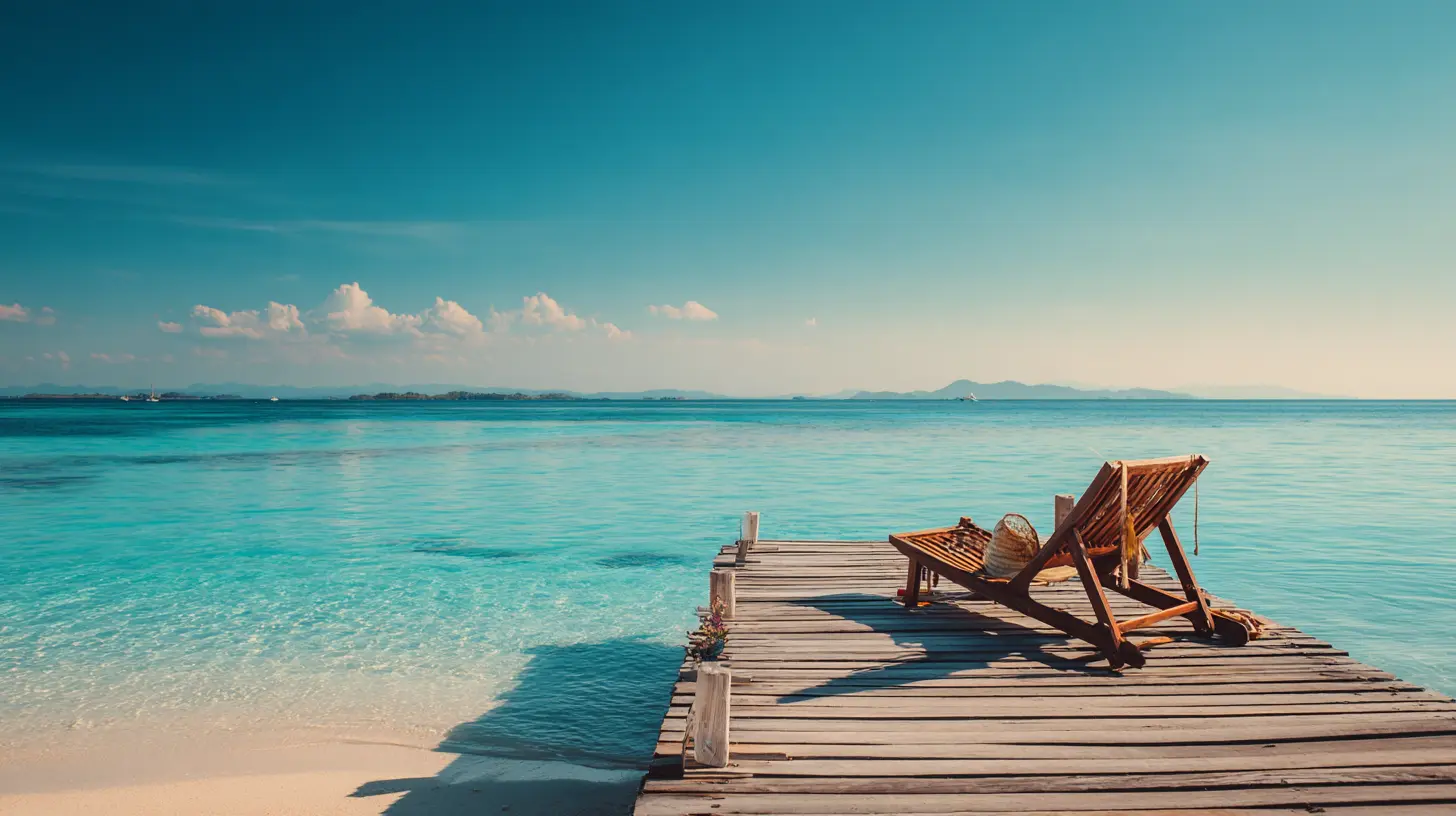
AI-Powered Trip Planning (But With a Human Twist)
Let's talk about the elephant in the room: artificial intelligence. By now, you've probably asked a chatbot to plan a weekend in Barcelona and gotten back an itinerary that includes a "charming local restaurant" that's actually a McDonald's. In 2027, AI trip planning has evolved from a novelty into a serious tool, but with a crucial difference. It's not about replacing your travel agent; it's about augmenting your gut.Imagine an app that learns your mood. You tell it, "I want a Tuesday that feels like a rainy Sunday in a jazz bar, but with sunshine." And it spits out a list of hidden courtyards, a specific bench in a park where the light hits just right, and a small bookstore that sells only poetry. The AI handles the logistics, but the soul of the trip is still yours. The best part? It syncs with your calendar and suggests spontaneous detours based on real-time local events. A street festival pops up? The app reroutes you. A sudden thunderstorm? It finds the best indoor hammock cafe. It's like having a hyper-intelligent, slightly psychic friend who never gets tired.
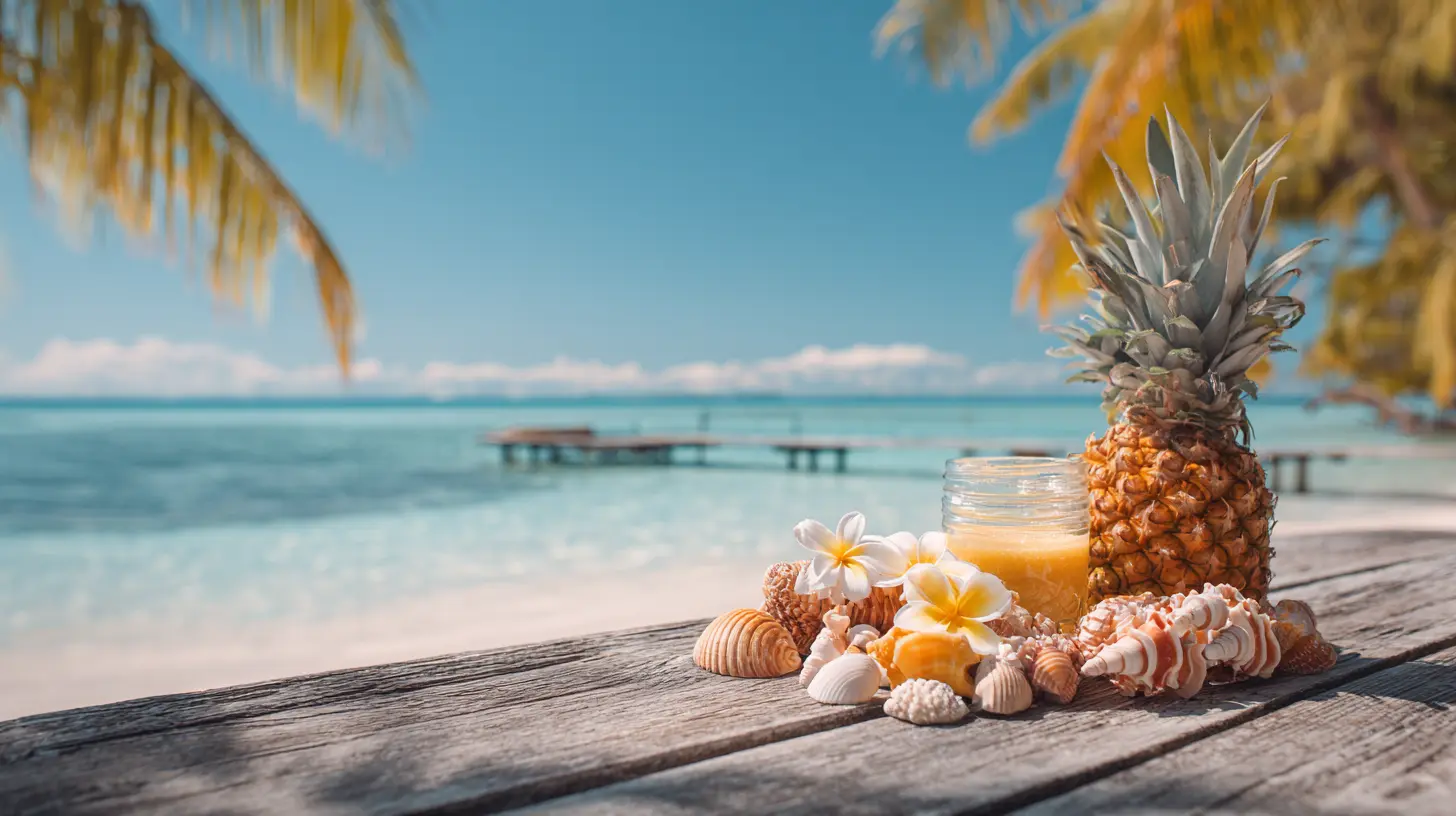
The "Digital Detox" Destination Gets Physical
We've all joked about needing a break from our phones. But in 2027, it's not a joke anymore. It's a physical destination. Think of it as a spa for your attention span. These aren't just resorts with bad Wi-Fi. They are entire retreats designed to strip away the digital noise. You check your phone at the door, and it goes into a locked box until you leave.What do you do instead? You learn to whittle a spoon. You navigate by the stars. You have conversations that last three hours because there's nothing else to do. The trend is specifically aimed at "digital natives" - people who have never known a world without constant connectivity. They are paying good money to be bored, because boredom, it turns out, is where creativity hides. One resort in Norway even offers a "silence suite" where no words are spoken for the entire stay. You communicate through gestures and notes. It sounds terrifying, but people are booking it out a year in advance. The question is: can you handle the quiet?
Culinary Tourism Gets Hyper-Local
Forget the fancy Michelin-star restaurant with the foam and the tweezers. In 2027, the hottest table in town is at a farmer's house, eating off a wooden plank. Culinary tourism is diving deep into the hyper-local. We're talking about foraging trips where you pick your own lunch, then cook it over a fire with a grandmother who doesn't speak English but communicates through smiles and hand gestures.The trend is driven by a craving for authenticity. People are tired of "elevated" versions of traditional dishes. They want the real deal, made with ingredients that grew within a mile of the kitchen. Think about it: you can eat a taco anywhere, but can you eat a taco made from corn ground that morning, on a tortilla pressed by hands that have been doing it for sixty years? That's the 2027 experience. Food tours are morphing into "food pilgrimages." You don't just taste the culture; you live inside the recipe.
"Nostalgia Travel" for Gen Z and Millennials
Here's a quirky one: the past is the new future. Nostalgia travel is booming, but not in the way you think. It's not about visiting old battlefields or historical museums. It's about reliving the early 2000s. Think low-rise jeans, flip phones, and the music from your high school mix CD. Resorts are opening "Y2K-themed" weeks where everything is retro. There are pool parties playing Britney Spears, arcade rooms with actual Pac-Man machines, and "digital detox" zones that look exactly like a 2005 bedroom, complete with a lava lamp and a stack of burned CDs.Why? Because the world feels complicated. People are seeking comfort in the familiar, even if that familiarity is a slightly cringey era of frosted tips and butterfly clips. For summer 2027, you might find yourself on a "throwback cruise" where the dress code is "anything from 1999." It's silly, it's fun, and it's a reminder that travel doesn't always have to be about discovery. Sometimes, it's about remembering who you were before the bills and the responsibilities showed up.
The "Micro-Adventure" Explosion
Not everyone has a month to rent a cottage in the Alps. Enter the micro-adventure. This is the trend for the time-poor but spirit-rich. A micro-adventure is a short, intense burst of travel that lasts 24 to 48 hours. It's about squeezing the maximum amount of wonder into a single weekend. Think biking 50 miles to a remote campsite, sleeping under the stars, and biking back on Sunday. Or taking a red-eye flight to a city you've never seen, spending a full day exploring it, and flying home that night.The key is that it feels epic, even if it's short. In 2027, airlines are offering "micro-destination" packages - cheap, no-frills flights to places you can fully experience in one day. Hotels are offering "nap-and-go" rates where you rent a room for just four hours between adventures. The micro-adventure is the travel equivalent of a shot of espresso: small, potent, and leaves you buzzing. It's perfect for people who want to say, "I went to Iceland last weekend," and mean it literally.
Wellness Travel Gets Weird
Wellness used to mean yoga retreats and green juice. In 2027, it means cryotherapy chambers, float tanks, and something called "forest bathing" that sounds like a euphemism but is actually just standing in the woods. The trend is moving away from passive relaxation and toward active restoration. People want to fix their bodies, not just rest them.You'll see resorts offering "biohacking" packages where you can get a blood test on arrival, then spend the week doing hyperbaric oxygen therapy, cold plunges, and infrared saunas. There's a place in Arizona that offers a "sleep recovery" program where they monitor your brainwaves and feed you a specific diet to improve your deep sleep cycles. It's a little sci-fi, but it's wildly popular. The idea is that you return from vacation not just tanned, but actually healthier. Your blood pressure is down, your stress is gone, and you've learned a new breathing technique that will get you through your next work meeting.
The "Solo But Social" Vibe
Solo travel isn't new, but the way we do it in 2027 is. It's no longer about eating dinner alone in a corner. It's about "solo but social" experiences. Think of it as traveling by yourself, but with a built-in community. Hostels have evolved into "social clubs" with coworking spaces, communal kitchens, and organized group hikes. There are apps that connect solo travelers for a single meal or a morning bike ride, with no strings attached.The beauty is that you control the dial. You can be alone when you want, and social when you need it. In 2027, you might book a solo trip to Japan, but you'll join a group for a sake tasting one night and a karaoke battle the next. The stigma around traveling alone is gone. Instead, it's seen as a sign of confidence. People are realizing that the best travel companion is someone you haven't met yet.
The Final Word on 2027
So, what does all this mean for your summer? It means you have permission to be weird. Go slow. Eat at a stranger's house. Leave your phone in a box. Plan a trip that lasts 24 hours or 30 days. The trends of 2027 are less about the destination and more about the intention. It's about reconnecting with the messy, beautiful, analog world that exists outside the screen. The world is still spinning, but now we're spinning with it, not against it.Are you ready for a summer that feels less like a checklist and more like a story? Because that's exactly what 2027 is serving up. Pack light, stay curious, and don't forget to get lost.
all images in this post were generated using AI tools
Category:
Summer VacationsAuthor:
Winona Newman
Discussion
rate this article
1 comments
Faelan Russell
Exciting times ahead for travel! Embrace new adventures, explore unique destinations, and make unforgettable memories this summer in 2027.
June 3, 2026 at 4:01 PM