Recovering from Jet Lag: Post-Flight Tips for Long Haul Travelers
8 August 2026
Ah, the glamorous life of a globe-trotter. One moment you're sipping an espresso in Rome, the next you're chugging coffee in Toronto to keep your eyes open at 3 PM. If you've ever stepped off a long-haul flight and felt like your brain’s still cruising at 35,000 feet — welcome to the wonderful world of jet lag. It's the uninvited souvenir no one wants but everyone gets.
Let’s cut through the fog of fatigue and grogginess and dive into how you can actually recover from jet lag — like a champ. No need for woo-woo voodoo rituals or thousand-dollar sleep pods. Just real, doable, science-backed, human-approved tips. Ready to get back on your feet and into adventure mode? Let’s go.
✈️ What the Heck Is Jet Lag, Anyway?
Jet lag is your body’s way of throwing a tantrum because you’ve messed with its internal clock — also called the circadian rhythm. When you cross time zones (especially more than three), your body gets confused about when it’s supposed to eat, sleep, be awake, or, you know, function like a human.Ever gone from L.A. to Tokyo and couldn’t sleep till 4 AM local time? Or flown from London to Sydney and felt like a zombie? Yep, that's jet lag punching your circadian clock in the gut.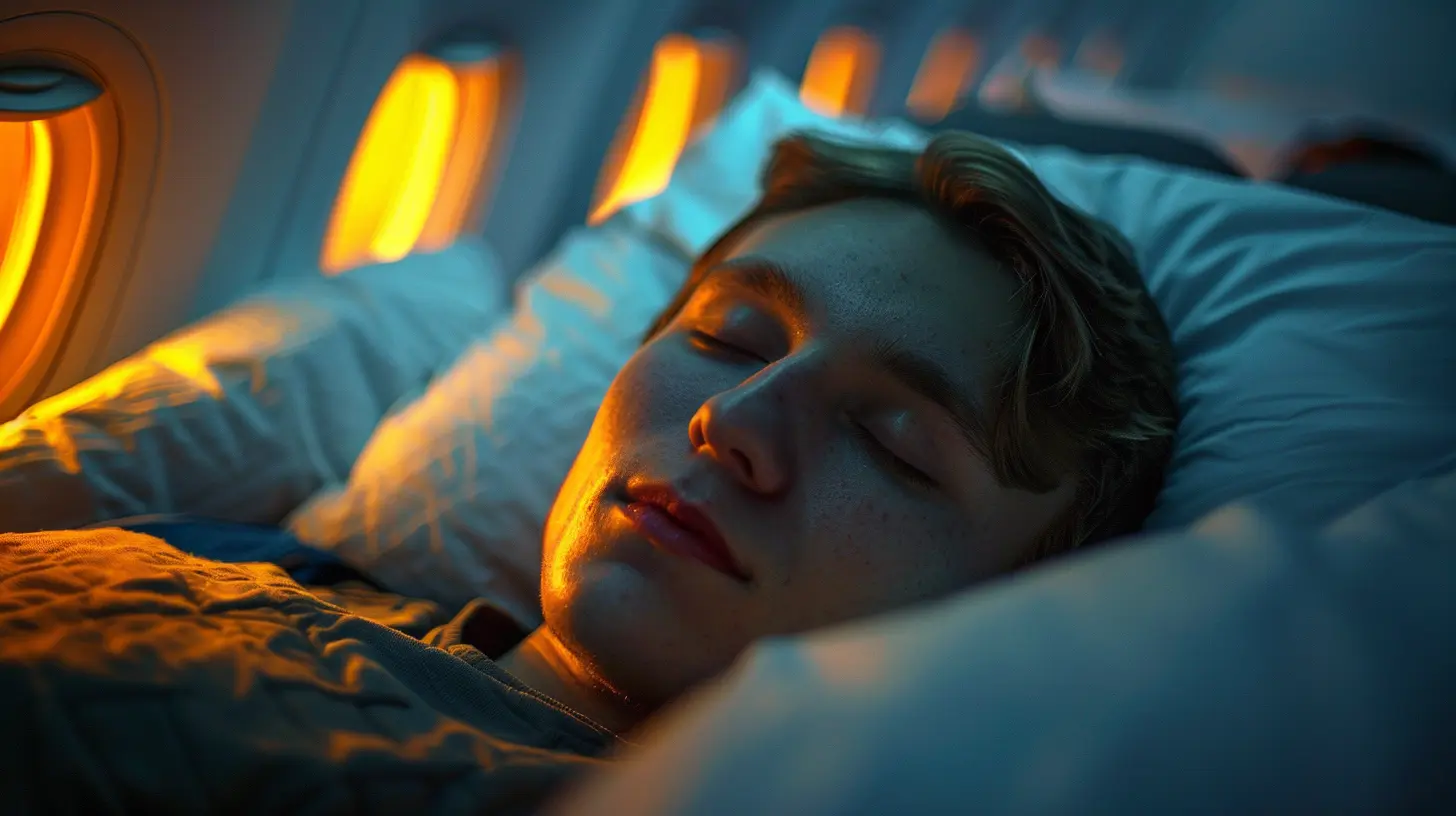
? Why Does Jet Lag Feel So Brutal?
Long-haul flights mess with your sleep patterns, hydration levels, digestion, and even your mood. We're talking:- Insomnia
- Daytime fatigue
- Difficulty concentrating
- Irritability (aka snapping at the poor barista)
- Stomach issues (your gut is time-zoned too, buddy)
The more time zones you skip, the harder it tends to hit. And flying east? That’s usually worse than flying west. Why? Because it shortens your day, which is tougher on your body clock.
☕ Before You Land: Start Planning While You're Still in the Air
Want to outsmart jet lag? You’ve got to start before you even touch down.? Adjust Your Sleep Schedule (A Bit)
A few days before your flight, try nudging your bedtime closer to your destination’s time zone. Flying east? Go to bed earlier. West? Stay up a bit later. These small changes can soften the blow to your internal clock.? Hydrate Like It’s Your Job
Plane cabins are drier than your uncle’s bad jokes. Dehydration just makes jet lag nastier. Sip water regularly during your flight — and yes, that means going easy on the caffeine and alcohol (sorry, inflight cocktails aren’t helping your cause).? Use Light to Your Advantage
Light = the master reset button for your body clock. During your flight or layovers, expose yourself to light (natural if possible) aligned with your destination’s day/night cycle. Blue light-blocking glasses or apps can also help you ease into the transition.
? You’ve Landed: Now What?
Okay, you’re off the plane. Your body’s confused, your brain’s in another time zone, and you’re tempted to crash on the hotel bed. Don’t. Recovering from jet lag takes strategy.? Get Outside and Soak Up the Sun
This is the single most effective jet lag antidote. Natural sunlight tells your body it's time to be awake, even if your brain is yelling “sleep now!" Morning sun after arriving in a new time zone helps reset your circadian rhythm faster, especially if you flew east.? Move That Body
Get moving, even if it's just a brisk walk around the block or a quick workout in your hotel room. Exercise boosts your energy levels and helps your body adjust more quickly to a new rhythm.Bonus: Priority sightseeing and jet lag recovery in one go? That’s a win-win.
?️ To Nap or Not to Nap?
This question divides jet-lag experts and world travelers alike. Here’s the deal:If you’re falling apart mid-afternoon and you can’t keep your eyes open, take a short nap — we’re talking 20 to 30 minutes max. Set an alarm. Don't fall into the dark abyss of a 3-hour snoozefest, or you’ll mess up your night’s sleep entirely.
? Eat Like a Local
Your stomach doesn’t know it's supposed to be dinner time if you were munching on snacks at 3 AM your time. Start eating meals in tune with the local schedule. It helps reset your internal clock — and hey, isn’t food one of the best parts of travel anyway?Pro Tip: Avoid super heavy meals right before bed. A bloated belly is no one's friend at midnight.
?♀️ Wind Down Like a Pro at Night
If you struggle to fall asleep post-flight, hacking your bedtime routine can work wonders.? Create a Bedtime Ritual
Set up a calming routine — dim the lights, take a warm shower, read a book (not your phone), sip some herbal tea. Consistency is comforting for your body clock.? Cool Your Room
A slightly cool room (around 65°F or 18°C) is ideal for sleep. Crank that hotel AC or open a window if you can. Body temp drops when you sleep, so a cool room sends the right signal to your brain.? Bye-Bye, Screens
Scrolling TikTok at midnight? Major no-no. Blue light from screens tells your brain it’s daytime. Try blue light glasses or switch your devices to night mode, but honestly? Just unplug. Your future rested self will thank you.? Should You Take Melatonin?
Melatonin is the hormone your brain produces when it’s time to sleep. Some travelers swear by melatonin supplements for adjusting to a new time zone. Is it a magic pill? Not quite, but it can help — when used wisely.Melatonin Tips:
- Take it 30 minutes before your intended sleep time in the new time zone.- Keep the dose small — 0.5 to 3 mg is enough.
- Don’t rely on it long-term. It's a short-term helper, not a sleep crutch.
Always talk to your doc before popping any supplements, especially if you’re on other meds.
? East vs. West: Adjusting Based on Direction
This is where things get nerdy — and useful.Flying East (e.g., New York to Paris):
- Try to go to bed earlier days before departure- Morning sunlight at the destination helps
- Avoid bright light in the evening (use those blue-light blockers)
Flying West (e.g., Tokyo to L.A.):
- Go to bed later before your trip- Soak up sunlight in the evening
- Delay morning light exposure if possible
? Jet Lag Recovery Kit: What You Should Pack
Want to travel like a jet lag ninja? Pack smart.- Reusable water bottle
- Sleep mask
- Travel pillow
- Earplugs or noise-canceling headphones
- Blue light blocking glasses
- Light melatonin (if needed)
- Herbal sleep aid tea (like chamomile or valerian root)
- Magnesium (helps with muscle relaxation & sleep)
It’s not about packing more — it's about packing smart.
? Older Travelers & Jet Lag
If you're over 50, you may notice jet lag hits a little differently. That’s because melatonin production naturally decreases with age. Recovery might take a bit longer, but the same rules apply: exposure to light, staying hydrated, moving often, and establishing a routine.? Traveling With Kids? Double The Fun
Jet lag plus cranky kids? Yikes. But it’s manageable.- Try to slowly shift their bedtime leading up to the trip
- Stick to nap routines, even in-transit
- Keep them hydrated
- Use sunlight and meals to anchor the day
Traveling with kids means more planning, but the memories? Worth every sleepy meltdown.
? How Long Does It Really Take to Adjust?
On average, it takes about one day to recover per time zone crossed. So if you flew across 6 time zones, expect about 6 days of adjustment. BUT — you can definitely speed up the process with the tips above.Consistency is king. So keep showing up for the morning sun, meals, and movement, and you’ll feel normal again faster than you think.
? Jet Lag Mistakes to Avoid
Let’s hit this one more time — don’t do these:- Sleeping all day after arrival
- Slamming coffee or energy drinks to stay awake
- Drinking alcohol to "help sleep"
- Eating at weird times
- Staying indoors all day
- Ignoring your body’s signals
Jet lag isn’t the end of the world. But it sure feels like it when you're wide awake at 3 AM thinking about life choices.
✈️ Jet Lag Doesn't Have to Ruin Your Trip
Long-haul flights are part of the travel game. But jet lag doesn’t have to knock you out of the running. With a little planning and a lot of sunlight, you can bounce back faster and get on with the real reason you're here — adventure, food, culture, Instagram-worthy views, and memories that make it all worth it.So next time you land somewhere brand new, don't let jet lag control your trip. Own your time zone. Outsmart your body clock. And get back to living your best travel life — one well-rested day at a time.
all images in this post were generated using AI tools
Category:
Long Haul FlightsAuthor:

Winona Newman